




Doulton Porcelain Ornament
These doulton porcelain ornament examples bring figures and animals into rooms, offering a tangible link to early twentieth century British ceramic production.
Doulton Porcelain Ornament
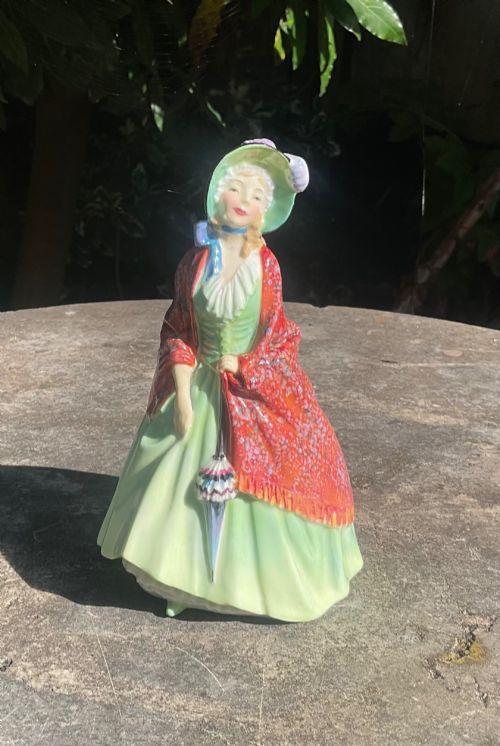
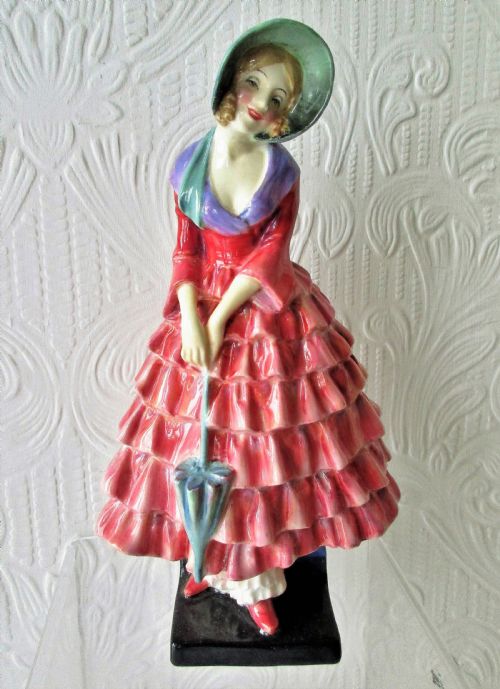
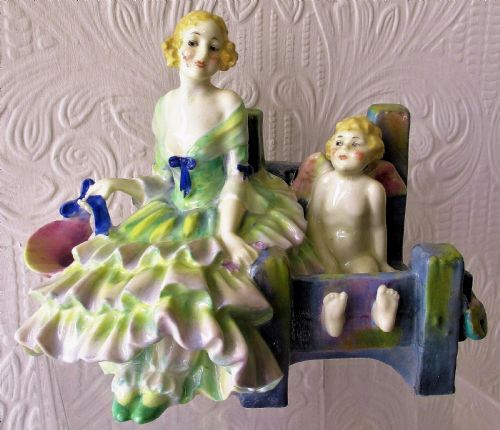
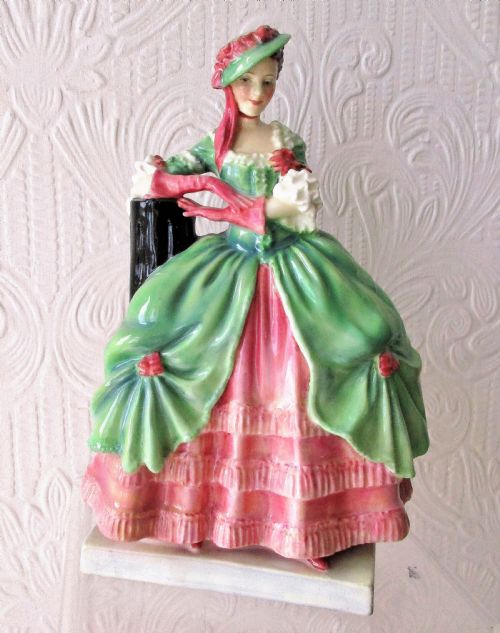
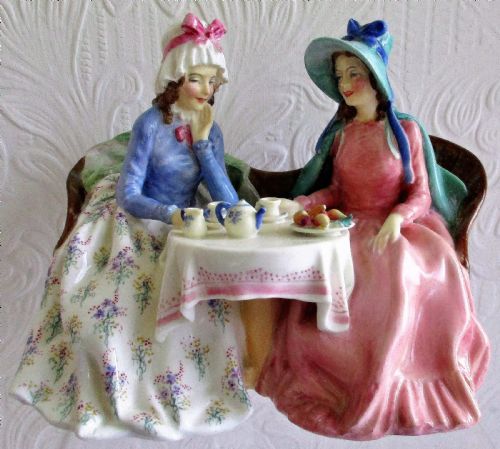
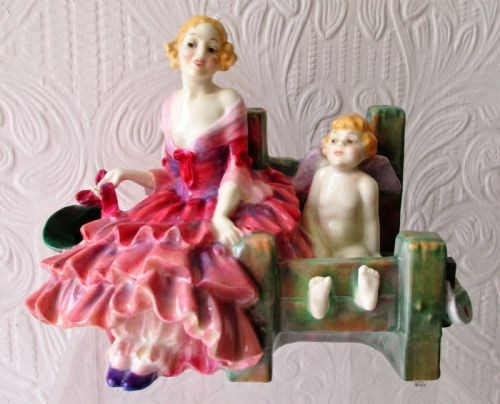
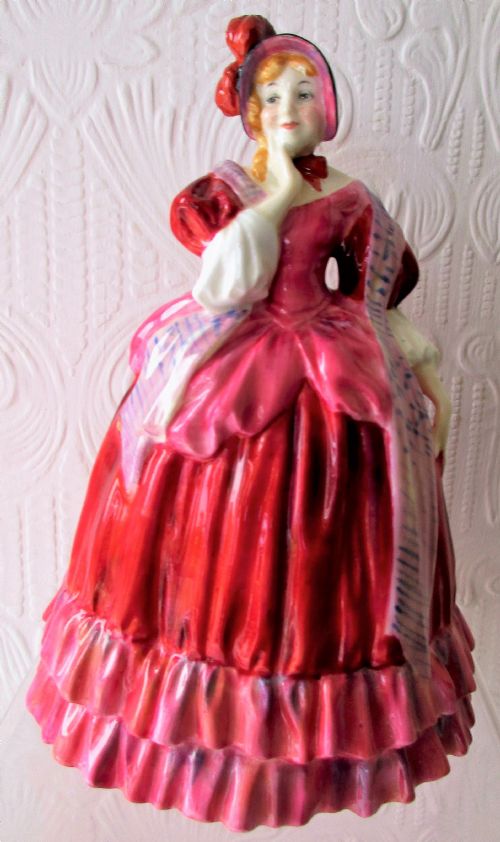
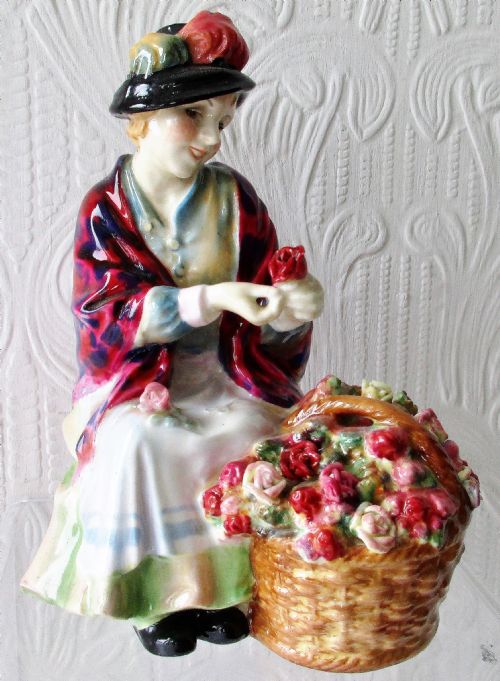
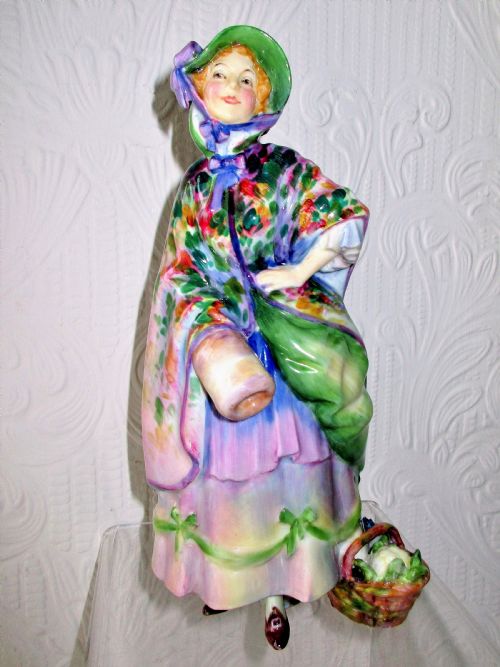
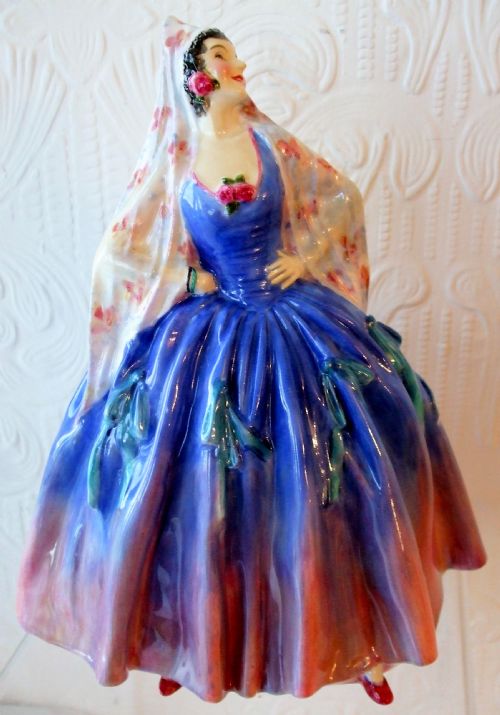
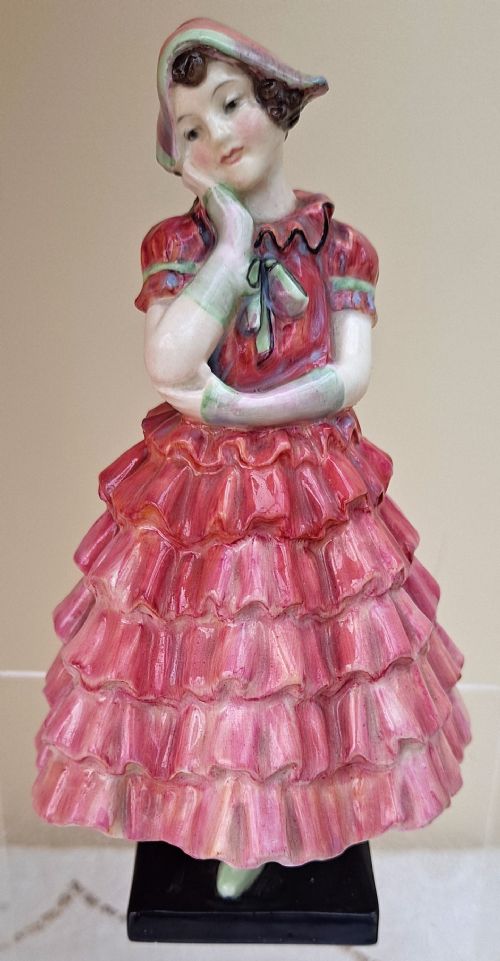
When you examine a doulton porcelain ornament, you are looking at glazed ceramic figures and decorative objects shaped during the nineteen-thirties and nineteen-forties. The selections here include character figurines named in titles such as Chloe, Paisley Shawl, and Priscilla, alongside seated animal studies.
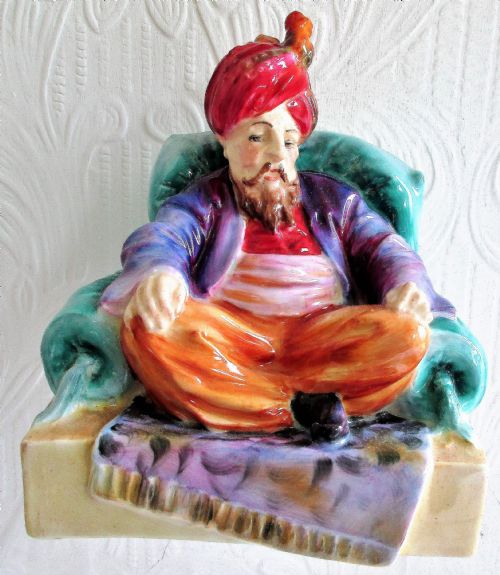
The version you are most likely to meet on this page is an English porcelain figurine produced in the Art Deco style or under early twentieth century English design influences. These pieces capture historical or literary characters in enamelled colours with detailed surface modelling.
Makers recorded in the evidence demonstrate a consistent output of named individual figures carrying specific pattern numbers. Collectors find both human subjects in period costume and decorative animal groups within this category.
Materials and methods
The pieces listed use bone china, porcelain, and standard ceramic bodies, shaped into intricate forms before firing. Glaze and ceramic glaze form the glossy protective surface that seals the clay body.
Doulton Porcelain Ornament Retail Price Guide 2026
Typical asking prices for doulton porcelain ornament among the pieces listed under this phrase on Sellingantiques today, from the lower quarter to the upper quarter. They describe what is for sale here now, not the wider market.
Among the human nobility of the cabinet, a quiet collection of four seated spaniels holds its own ground.
Distinctions in quality
Model complexity and the presence of gilt highlights influence the visual weight of each object. A balanced form with evenly applied glaze reflects greater control during the manufacturing process.
Royal Doulton
The Doulton Porcelain Ornament Glossary
- Bone china
- A type of porcelain incorporating calcined bone ash, producing a strong, slightly translucent body. It allows for thinner walls and delicate modelling in figurine production.
- Ceramic glaze
- A vitreous coating fused to pottery through firing, which renders the piece impermeable to liquids and gives a glossy sheen. It protects the underlying clay and applied enamel colours.
- Enamel
- Opaque or translucent glass-like paint applied to ceramics and fixed by firing. It provides the vibrant colour palette found on clothing and facial expressions.
- Gilt
- A thin layer of gold applied to ceramic surfaces for decoration. It is typically found highlighting borders, patterns, or specific ornamental details on the finished piece.
Doulton Porcelain Ornament: Frequently Asked Questions
What periods do these pieces date from?
The listings span the nineteen-thirties and nineteen-forties, capturing distinct mid-century decorative trends.
Production methods during these decades relied on traditional moulding combined with hand-finished enamel painting.
How are individual figurines identified?
Many items carry specific title names and pattern numbers, such as HN designations recorded in the evidence.
These alphanumeric codes help identify the specific model year and character depiction.
What materials make up these ornaments?
Pieces are constructed from bone china or standard porcelain, sealed with a glossy ceramic glaze.
Surface decoration incorporates enamel paints and occasional gilt highlights.
Are there animal subjects available?
Alongside human character figurines, the selection includes seated spaniel animal studies.
These animal figures share the same glazed porcelain construction and decorative finishing techniques.