



Vintage Porcelain Centrepiece
A vintage porcelain centrepiece anchors a dining table or sideboard with grand proportions, hand-painted scenes, and sculptural detail.
Vintage Porcelain Centrepiece
A vintage porcelain centrepiece serves as the primary focal point for a table setting, encompassing decorative bowls, urns, and figurative group compositions. Buyers searching for a vintage porcelain centrepiece encounter examples spanning from the eighteenth century through the art deco era.
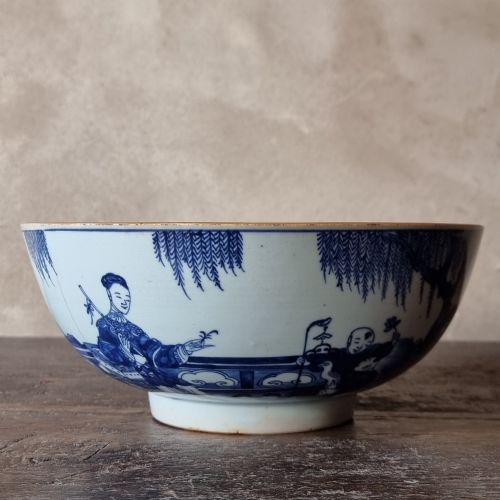
Vessels range from punch bowls and fruit bowls to elaborate centrepieces populated by musical putti. Production periods heavily lean toward the nineteenth century alongside Edwardian and 1920s iterations.
Materials and Techniques
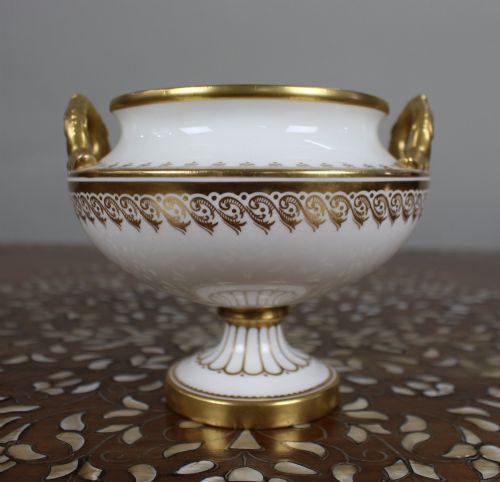
Manufacturing methods combine ceramic bodies with delicate hand-painted glazes, often incorporating rich gold leaf and gilding to accentuate moulded details. Soft-paste and hard-paste porcelain provide the structural foundation for intricate flower encrusted baskets and figural groups.
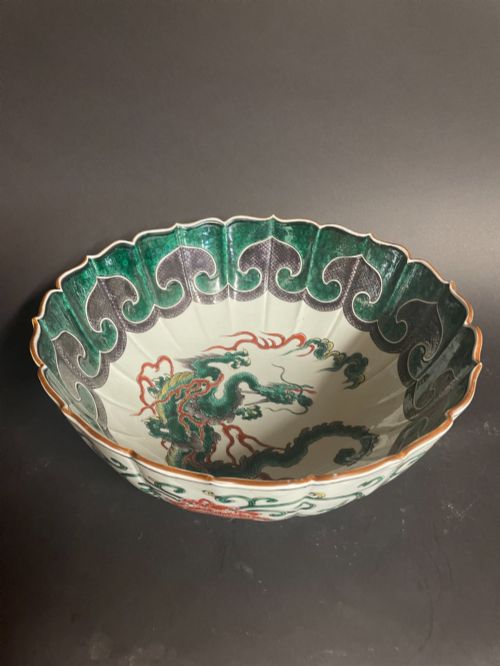
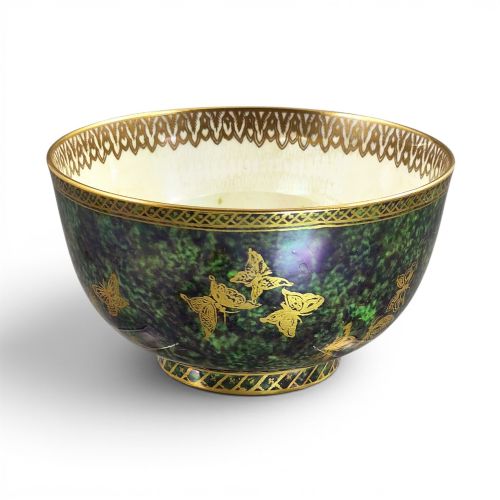
Specialised techniques such as lustre glazing create iridescent surfaces, visible in pieces decorated with butterfly and dragon motifs. Artisans applied cobalt blue pigments beneath the glaze or added enamel highlights above the surface before secondary firing.
The inventory spans the eighteenth, nineteenth, and twentieth centuries, including Georgian, Victorian, and Edwardian items.
Determinants of Quality
Excellence in these objects rests upon the crispness of moulded elements like putti, foliage, and applied roses against the porcelain body. Hand-painted brushwork depth and the precision of gilding separate standard production from superior artistic output.
Complexity of form dictates standing, with multi-tiered candelabra, pierced galleries, and figural groups demanding advanced ceramic competency. The preservation of delicate enamel colours and gold leaf over successive decades influences overall visual impact.
Wedgwood·Royal Dux·Royal Worcester·Kinkozan Kyoto·Schierholz
The Vintage Porcelain Centrepiece Glossary
- Imari
- A style of Japanese porcelain decorated in underglaze blue, iron red, and gold, frequently seen on large scalloped bowls.
- Putti
- Representations of chubby male infants, often winged, modelled in relief or in the round on continental centrepieces.
- Lustre
- A type of ceramic glaze that imparts a metallic or iridescent sheen, popularised by designers during the early twentieth century.
- Comport
- A raised dish or bowl used for serving fruit or sweets at the centre of a formal dining table.
- Urn
- A large ornamental vase, often with handles, designed for prominent display on sideboards or mantelpieces.
Vintage Porcelain Centrepiece: Frequently Asked Questions
How were centrepieces used originally?
These large vessels dominated the middle of formal dining tables during large banquets and dinner parties. They held fruit, flowers, or sweetmeats to impress guests.
Over time, their role shifted toward decorative display on sideboards and central tables when not in active use during meals.
What styles are most common?
Victorian and Edwardian items appear frequently, alongside Japanese Imari porcelain and pieces influenced by Rococo and Neoclassical revivals. Art Nouveau and Art Deco designs represent the later twentieth-century output.
Floral encrustations and hand-painted landscapes dominate the nineteenth-century aesthetic.
How do I care for antique porcelain?
Dust these decorative objects gently with a soft, dry brush to protect delicate elements like applied flower petals and gilt highlights. Avoid abrasive cleaners and immersion in water.
Keep pieces away from direct sunlight to preserve the vibrancy of hand-painted enamels and gold leaf.
How are different periods identified?
Makers marks stamped or painted on the base offer the most reliable guide to a piece's origin and manufacturing date. Stylistic clues such as the flowing lines of Art Nouveau or geometric forms of Art Deco also point to specific eras.
Glaze types and colour palettes further help narrow down the decade of production.