






Porcelain Putti Figurine
These porcelain putti figurine pieces are charming sculptural depictions of cherubs and winged infants modeled across European factories from the eighteenth century onward.
Porcelain Putti Figurine
A porcelain putti figurine represents winged celestial infants, cherubs, or mythological figures like Cupid and Amor, capturing playful or allegorical themes. These figures appear frequently in forms such as individual sculptural pieces, candleholders, sweetmeat dishes, table salts, and decorative lamps.
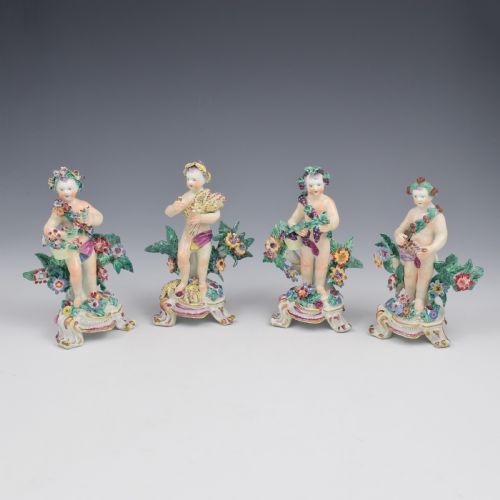
The selections span distinct historical eras, ranging from eighteenth-century Georgian and soft-paste creations to later nineteenth-century revival styles and Edwardian pieces. Buyers encounter various interpretations, from classical allegories representing the seasons and elements to intricate centrepieces adorned with gilt bronze and enamel.
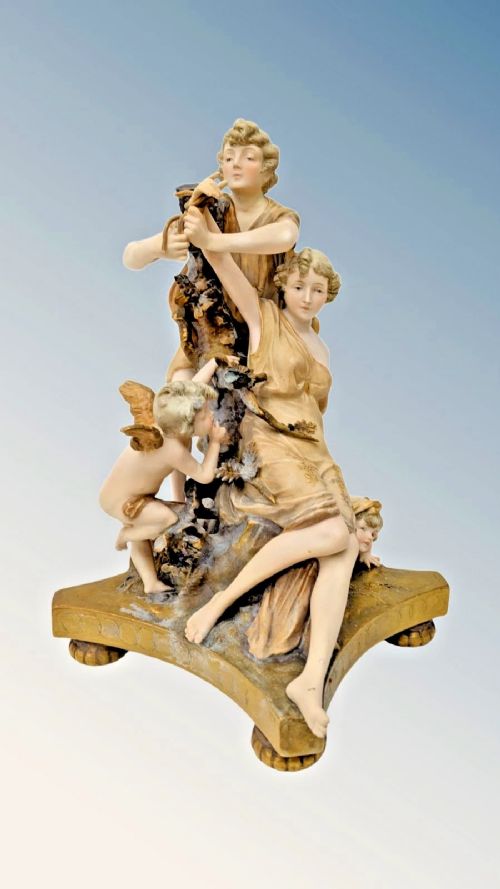
Originating largely from esteemed European manufactories, these sculptures reflect shifting artistic movements including Rococo, Neoclassical, and Art Nouveau. Each piece demonstrates how makers adapted traditional motifs across hard-paste and soft-paste ceramic bodies.
Materials and production methods
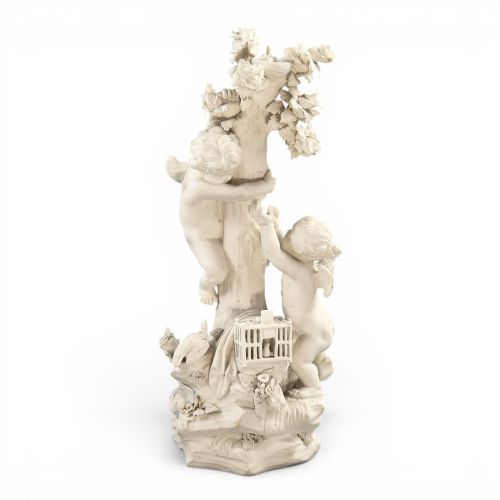
Advanced workshops employed specialised biscuit porcelain, leaving the fired material unglazed to resemble smooth marble, as seen in classical figures. Structural details frequently combined ceramic components with gilt bronze mounts, particularly in decorative lamps and centrepieces.
Porcelain Putti Figurine Retail Price Guide 2026
Typical asking prices for porcelain putti figurine among the pieces listed under this phrase on Sellingantiques today, from the lower quarter to the upper quarter. They describe what is for sale here now, not the wider market.
Several mischievous putti are caught wearing tricorne hats or disguising themselves as ordinary mortals.
Distinctions in craftsmanship
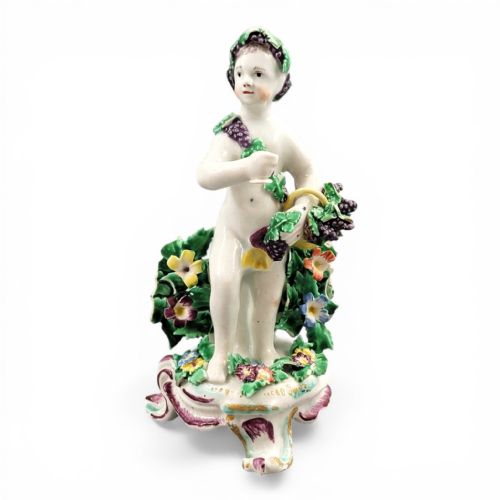
Superior examples demonstrate exceptional sharpness in modelling, where facial expressions, finger articulation, and feather details on wings remain crisp and well-defined. Lesser quality pieces often suffer from softer mould lines and heavier glaze applications that obscure delicate sculptural work.
The nuance of hand-painted enamel and the precision of the gilding separate standard production from masterworks. Finer items exhibit careful colour blending and secure mounting of secondary materials such as bronze or gilt accents.
Royal Dux Bohemia·Meissen·KPM Berlin·Volkstedt·Royal Worcester
The Porcelain Putti Figurine Glossary
- Biscuit porcelain
- Un-glazed ceramic fired once to produce a matte, white surface resembling marble. This technique highlights the fine sculptural details modelled by the artist.
- Soft-paste porcelain
- An artificial ceramic composition fired at lower temperatures than true hard-paste porcelain. It yields a warm, slightly translucent body popular in eighteenth-century manufactories.
- Putto
- A plump, naked male infant depicted in classical art, often winged. These figures serve as allegorical representations in sculptural groups and decorative objects.
- Sweetmeat dish
- An elaborate tabletop vessel designed for serving small confections or sweet treats. They frequently incorporate putti figures climbing around shell-shaped bowls.
- Gilding
- The application of gold leaf or powdered gold onto the porcelain surface. This finish highlights decorative borders and sculptural elements.
Porcelain Putti Figurine: Frequently Asked Questions
How do I date a porcelain figure?
Dating relies on identifying factory marks, stylistic indicators such as Rococo or Art Nouveau influences, and the specific ceramic body used. Soft-paste porcelain generally points to eighteenth-century production, while later nineteenth-century pieces often reflect revival styles.
Examining the glaze consistency and modelling style provides further clues regarding the era of manufacture.
Where were these figures made?
These pieces originated across prominent European ceramic centres, with notable contributions from German, French, and English factories. Manufacturers like Meissen, Bow, and KPM Berlin produced extensive lines of figural porcelain.
Continental workshops also contributed significant sweetmeat dishes and sculptural groups throughout the nineteenth century.
How should I display porcelain figures?
Display these delicate sculptures in stable environments away from direct sunlight and heavy foot traffic to protect fragile elements like wings and fingers. Enclosed cabinets or shelves provide secure placement while allowing clear visibility of the hand-painted details.
Ensure items with gilt bronze or mounted components rest on level surfaces.