






Bohemian Art Pottery
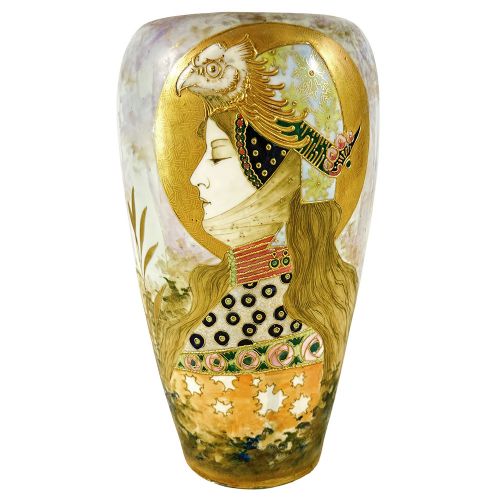
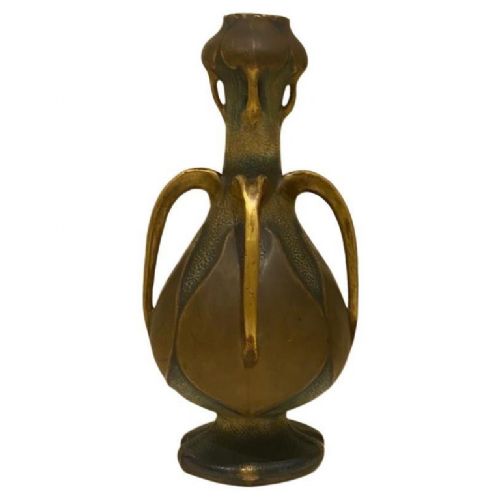
These bohemian art pottery pieces bring flowing Art Nouveau lines and rich glazes into a room, offering striking centrepieces for an interior.
Bohemian Art Pottery
When you search for bohemian art pottery, you are looking at ornamental ceramics originating from the Bohemian region during the late nineteenth and early twentieth centuries. These items encompass a variety of decorative forms designed to catch the eye in a reception room or drawing room. You are most likely to meet large vases, ewers, jardiniere planters, and figurative groups that capture the spirited aesthetics of the era.
The objects span periods from the nineteenth century through the Edwardian era and up to nineteen-ten, frequently showing the characteristic whiplash curves and organic motifs of the Art Nouveau style. Alongside floral and naturalistic vases, you will encounter Orientalist figures and grand sculptural groups. These pieces served primarily as decorative status symbols for affluent Victorian and Edwardian homes rather than utilitarian vessels.
The selection here includes both earthenware and porcelain creations, ranging from modest spill vases to monumental ewers and towering jardiniere stands. Makers working within this tradition utilised diverse moulding and sculpting techniques to produce highly ornate domestic ornaments. Every piece reflects the ambition of Bohemian kilns to rival the best European art potteries of the period.
What varies in quality
The distinction between standard production and exceptional work lies in the ambition of the modelling and the precision of the hand-painted finishing. Finer examples display deeply undercut figures, complex sculptural forms like water lilies or draped figures, and crisp relief work that avoids muddy contours. The handling of the glaze and the application of gilt details show whether an artisan worked with patient care or rushed the production line.
Larger, monumental pieces often represent the height of a pottery's output, requiring superior technical skill in the kiln to prevent warping during the firing process. The presence of named designers and specific model numbers elevates a piece, demonstrating that the design received individual artistic attention. Ultimately, quality rests on the harmony between the sculptural ambition of the clay and the execution of the surface ornamentation.
Bohemian Art Pottery Retail Price Guide 2026
Typical asking prices for bohemian art pottery among the pieces listed under this phrase on Sellingantiques today, from the lower quarter to the upper quarter. They describe what is for sale here now, not the wider market.
The object forms recorded here include large decorative vases, ewers, spill vases, jardinieres, and figurative sculptural groups.
Royal Dux Bohemia·Reissner Stellmacher and Kessel·Julius Dressler·Ernst Wahliss·Paul Dachsel
The Bohemian Art Pottery Glossary
- Art Nouveau
- A decorative style characterised by flowing, organic lines, asymmetrical plant motifs, and whiplash curves. It dominated design from the eighteen-nineties until the First World War.
- Earthenware
- Porous pottery fired at lower temperatures, which served as the primary ceramic body for many large ornamental vases and figurative groups.
- Jardiniere
- An ornamental ceramic pot or stand designed to hold large indoor plants or floral displays, frequently decorated with relief patterns.
- Ewer
- A large ceramic jug with a flared spout and a sweeping handle, often produced as a purely decorative display piece rather than for pouring liquids.
Bohemian Art Pottery: Frequently Asked Questions
How do I identify Art Nouveau pottery?
Look for characteristic organic forms, including flowing plant stems, asymmetrical curves, and sculptural motifs drawn from nature. These pieces often feature naturalistic depictions of water lilies, draped figures, and whiplash lines.
Check the base of the ceramic for impressed model numbers, factory marks, or painted signatures that link the piece to known Bohemian potteries and designers of the period.
Were these vases meant for flowers?
Most large Bohemian art pottery vessels served primarily as decorative showpieces for drawing rooms rather than utilitarian flower holders. Monumental ewers, jardiniere stands, and grand vases were designed to demonstrate the wealth and taste of the homeowner.
While some smaller spill vases and jardiniere planters held actual stems or plants, their delicate hand-painted glazes and gilt surfaces meant they were handled with considerable care.
How should I clean my antique ceramic?
Dust these decorative pieces gently with a dry, soft brush to protect the delicate hand-painted enamels and gilt highlights. Avoid using water, abrasive cloths, or chemical cleaners, which can permanently damage the historic glaze.
Keep the items away from direct sunlight and damp environments to preserve the integrity of the earthenware body and the vibrant surface colours.
What is the difference between earthenware and porcelain?
Earthenware is a porous ceramic fired at lower temperatures, making it ideal for the heavy, sculptural relief modelling found on many Bohemian art pottery vases. Porcelain uses finer clays and higher firing temperatures to produce a denser, more vitrified white body.
Both materials were utilised depending on the desired effect, with porcelain often providing a smooth ground for delicate painted floral scenes.