



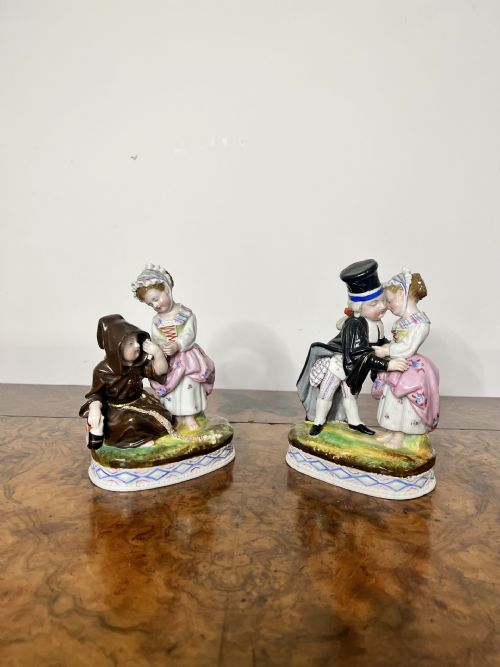

Multicoloured Porcelain Ornaments
These multicoloured porcelain ornaments are decorative figurines and statuettes originating from periods spanning the eighteenth century to the mid-twentieth century, offering character and colour for interior display.
Multicoloured Porcelain Ornaments
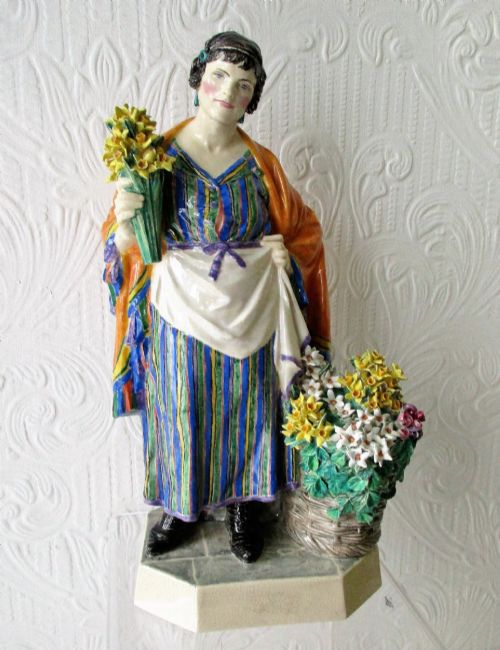
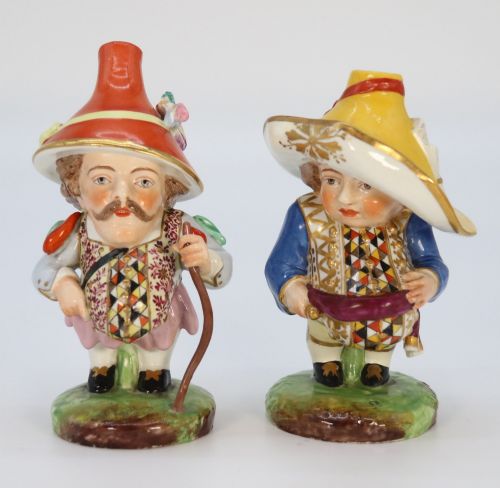
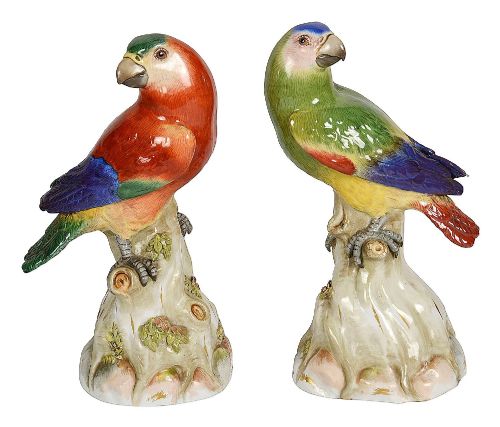
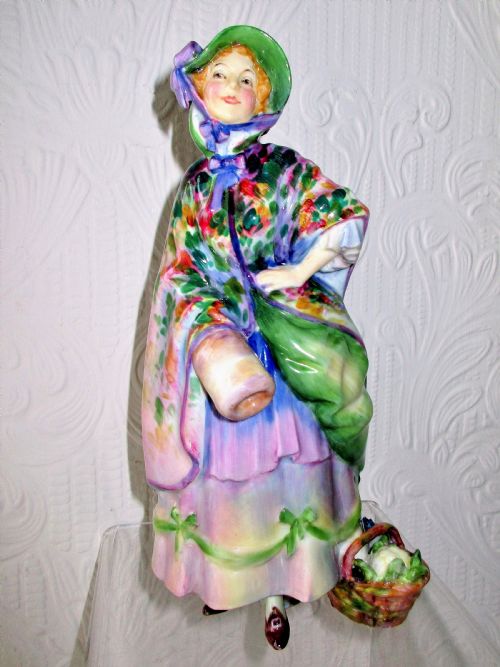
When you search for multicoloured porcelain ornaments, you encounter a varied selection of figural ceramics including pairs of parrots, historical figures, and children in garden settings. These pieces primarily take the form of decorative figurines and statuettes produced across British and continental European factories.
The objects date from eighteenth-century table groups through nineteenth-century Victorian pieces up to twentieth-century vintage productions by makers such as Royal Doulton and Royal Copenhagen. Figures of gallants, musicians, and street sellers dominate the selection available on this page.
How they were made
Factories utilised mould-casting and hand-modelling techniques, followed by multiple firings to fix the vibrant pigments and metallic details onto the surface of the ceramic.
Multicoloured Porcelain Ornaments Retail Price Guide 2026
Typical asking prices for multicoloured porcelain ornaments among the pieces listed under this phrase on Sellingantiques today, from the lower quarter to the upper quarter. They describe what is for sale here now, not the wider market.
Listings feature pieces from the 18th century, Victorian era, and 1930s, utilising porcelain, bone china, earthenware, and gold leaf.
What varies in quality
The standard of modelling and painting determines the quality of these ornaments, distinguishing factory production from simpler utilitarian output. Crisp facial expressions, detailed hand-painting on garments, and the precise application of gold leaf indicate superior craftsmanship.
Early continental pieces and established factory output show finer anatomical proportion and more complex multi-figure compositions compared to later mass-produced decorative wares.
Samson of Paris·Meissen·Royal Doulton·Triebner Ens & Eckert·Royal Copenhagen·Wedgwood & Co Ltd·Minton
The Multicoloured Porcelain Ornaments Glossary
- Porcelain
- A white, vitrified ceramic material made from china clay and petuntse, fired at high temperatures to achieve a non-porous body. It forms the primary substrate for fine European decorative figures.
- Overglaze enamel
- Coloured glass decoration applied on top of the fired glaze and subjected to a lower second firing to fuse it to the surface. This technique permits a wide palette of vivid hues on decorative figures.
- Bone china
- A type of porcelain incorporating animal bone ash, producing a strong, slightly translucent body. It was utilised extensively by English potteries for nineteenth and twentieth-century figures.
- Gold leaf
- Extremely thin sheet gold applied to ceramic surfaces for highlights and trim. It provides metallic detail on garments and bases.
- Figurine
- A small modelled statuette representing a human or animal figure. These objects served as mantel and table decoration in European interiors.
Multicoloured Porcelain Ornaments: Frequently Asked Questions
What periods do these porcelain ornaments date from?
The pieces span from the eighteenth century through the Victorian era to the mid-twentieth century. Styles range from rococo revival and neoclassical designs to twentieth-century vintage productions.
European factories and potteries produced these figures across successive generations, reflecting the shifting tastes of collectors and interior decorators.
How should I clean my porcelain figurine?
Dust these items gently with a soft, dry brush to prevent the accumulation of dirt in intricate moulded crevices. Avoid using water or chemical cleaners, particularly on pieces decorated with overglaze enamels or gold leaf.
Handle figures firmly by their heavier base sections rather than delicate protruding elements like limbs or accessories.
Are these ornaments marked by the maker?
Many factory-produced pieces bear painted, impressed, or incised factory marks on their unglazed undersides. These symbols help identify the origin and approximate period of manufacture.
Continental porcelain and English bone china often carry distinct factory ciphers or artist numbers hidden beneath the glaze.
What subjects are common in these figurines?
Common subjects include historical characters, literary figures like Dolly Vardon, musicians playing instruments, and street vendors. Garden scenes featuring children or animals also appear frequently.
Pairs of birds, such as parrots, and courting couples represent popular motifs found across nineteenth-century continental and English workshops.