










French Classical Metal Statue
A french classical metal statue brings mythological figures, allegorical studies and period grace directly into a room through enduring foundry work.
French Classical Metal Statue
When you search for a french classical metal statue, you encounter sculptural works spanning the nineteenth and early twentieth centuries, capturing mythological subjects, cherubs, human figures and allegorical themes.
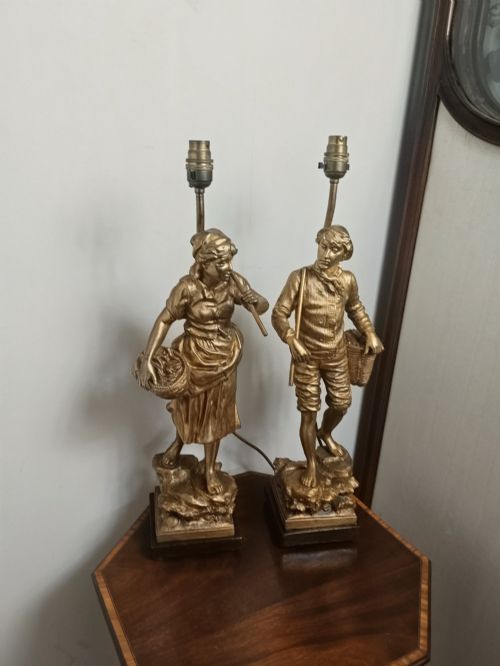
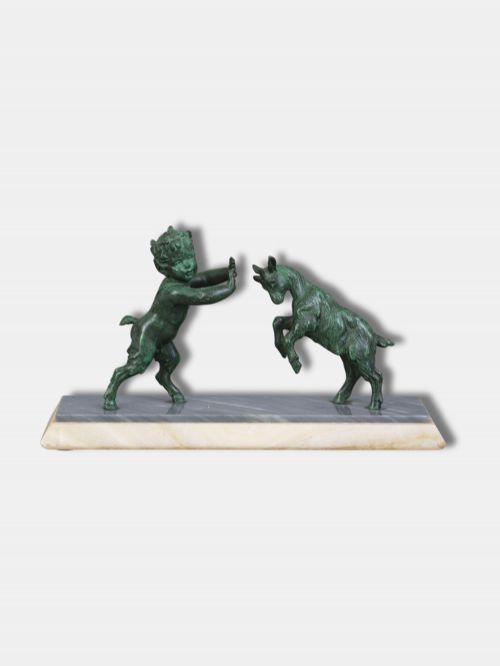
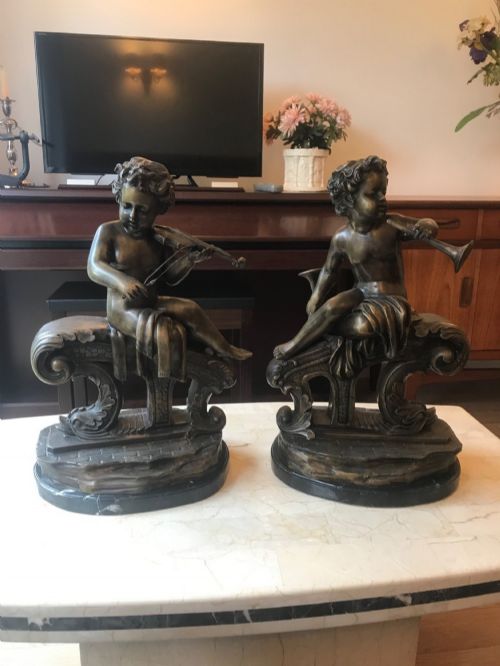
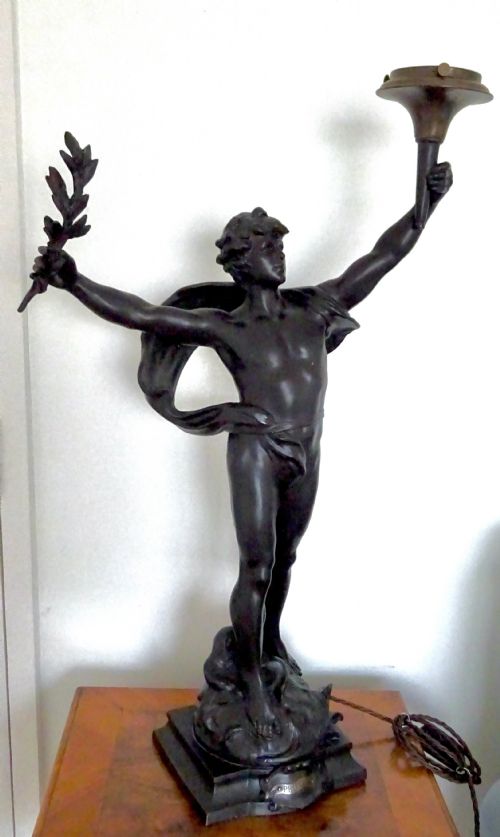
The versions most frequently met on this page include bronze figures and groupings, spelter table lamps, and cast iron statuary originating from French workshops and foundries.
These pieces range from cabinet-sized portrait busts and nude dancers to large garden statuary and figural table lamps incorporating classical motifs.
Materials and methods
Foundries utilised traditional casting techniques to shape molten metal into intricate figures, often finishing the surfaces with patination, silvering, or gilding.
Bronze and spelter serve as the primary metallic mediums, frequently mounted upon carved marble plinths or integrated with wooden and gilded components to complete the composition.
French Classical Metal Statue Retail Price Guide 2026
Typical asking prices for french classical metal statue among the pieces listed under this phrase on Sellingantiques today, from the lower quarter to the upper quarter. They describe what is for sale here now, not the wider market.
Listings feature works spanning the nineteenth century through the mid-nineteenth century, Art Nouveau, Art Deco, and Victorian periods.
Judging quality
The distinction between tiers rests upon the crispness of the chased detail, the subtlety of the applied patina, and whether the casting captures the intended musculature, drapery and facial expression faithfully.
Works carrying signatures of known sculptors or prestigious foundry stamps generally demonstrate superior craftsmanship compared to unmarked commercial productions of the same period.
Lemoyne·E Rousseau·Claude Michel Clodian·Emile Carlier·Val d’Osne foundry·Gregoire·Adolphe Jean Lavergne·Claire Colinet·Charles Cumberworth·Jean Jacques Pradier·Auguste Moreau·J C De Blezer·Louis Ernest Barrias
The French Classical Metal Statue Glossary
- Spelter
- A zinc alloy commonly utilised as a less expensive alternative to bronze for sculptural figures, often painted or patinated to simulate heavier metal. It requires gentle handling due to its relative softness.
- Patinated Bronze
- Bronze treated with chemical solutions to produce a controlled surface coloration, ranging from deep brown to rich green. This finish protects the metal and enhances sculptural depth.
- Ormolu
- Gilt bronze produced by applying a finely ground high-carat gold mercury amalgam to a bronze object, then heating it to drive off the mercury. The technique creates a durable, luminous golden surface.
- Neoclassical
- A style drawing inspiration from the classical art and culture of ancient Greece and Rome. It emphasises proportion, restraint and classical mythological themes.
French Classical Metal Statue: Frequently Asked Questions
How do I clean a bronze statue?
Dust the surface regularly with a soft, dry cloth to prevent grime accumulation. Avoid harsh chemical cleaners or abrasive materials that can strip the patination.
Apply a very thin coat of microcrystalline wax occasionally if the bronze appears dry, buffing it gently afterwards with a clean flannel cloth.
How can I tell bronze from spelter?
Bronze is heavier, colder to the touch, and rings with a clear tone when lightly tapped, whereas spelter feels lighter and softer. Examine any unpainted areas beneath the base to see the underlying metal colour.
Spelter also tends to show fatigue cracks or surface flaking under its patination more readily than bronze.
Where should I place these statues at home?
Position them on sturdy surfaces such as sideboards, console tables or pedestals where their weight is supported safely. Keep them away from direct sunlight and damp environments to protect patinated and gilded finishes.
Ensure they sit out of high-traffic areas to prevent accidental knocks against delicate extremities or lamp shades.