

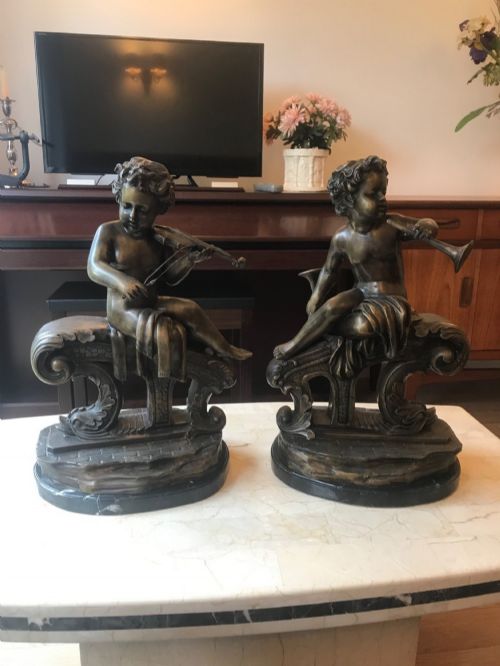
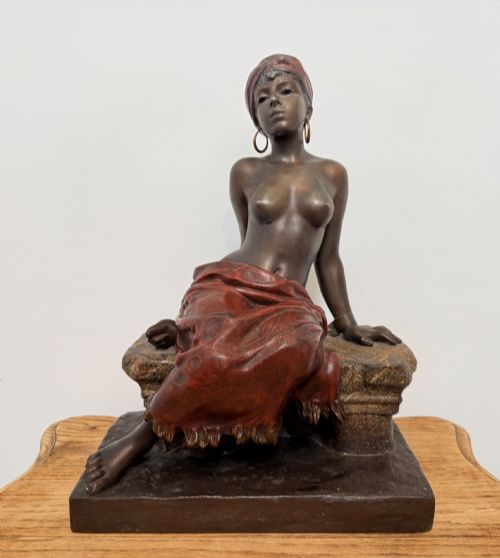

French Metal Figure
A french metal figure brings character and fine detail to a room, ranging from grand mythological subjects to sleek dancers of the twentieth century.
French Metal Figure
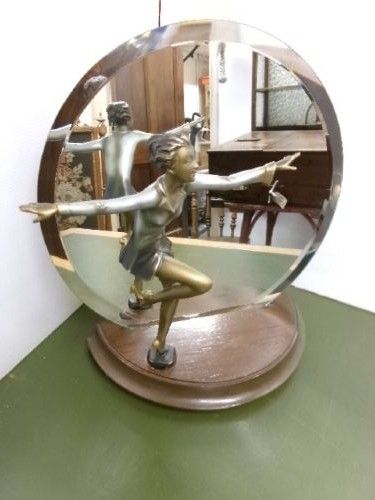
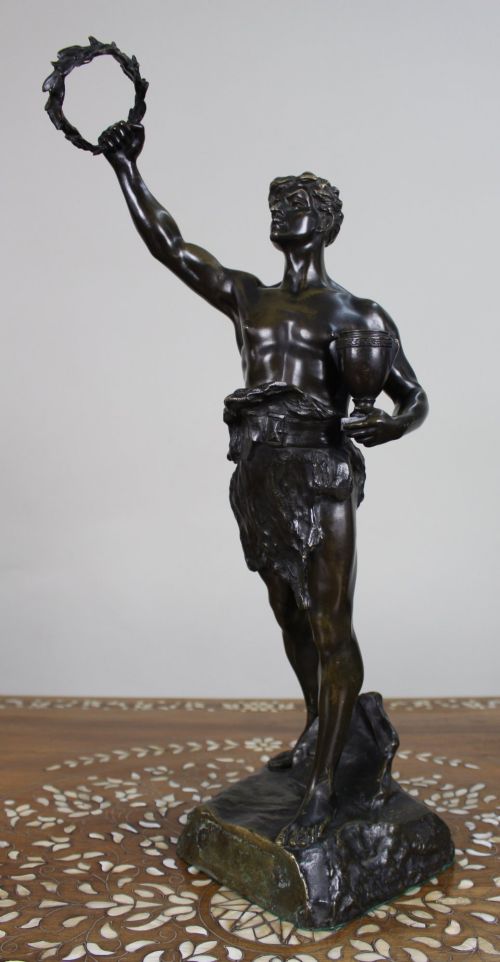
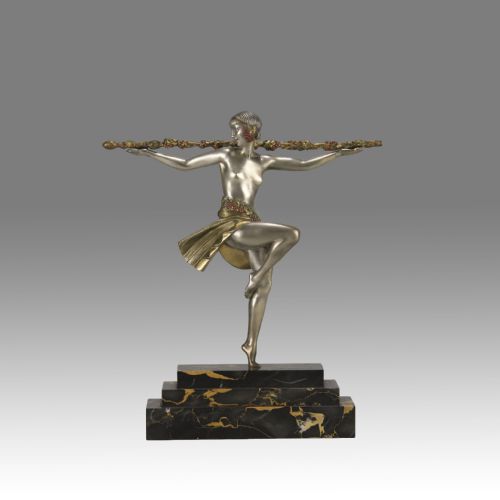
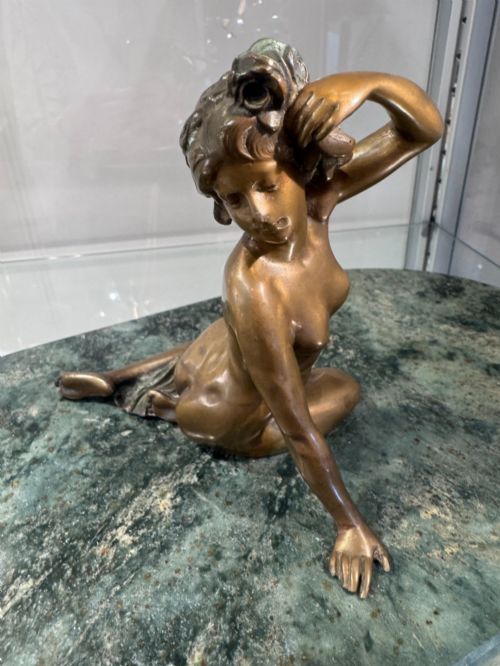
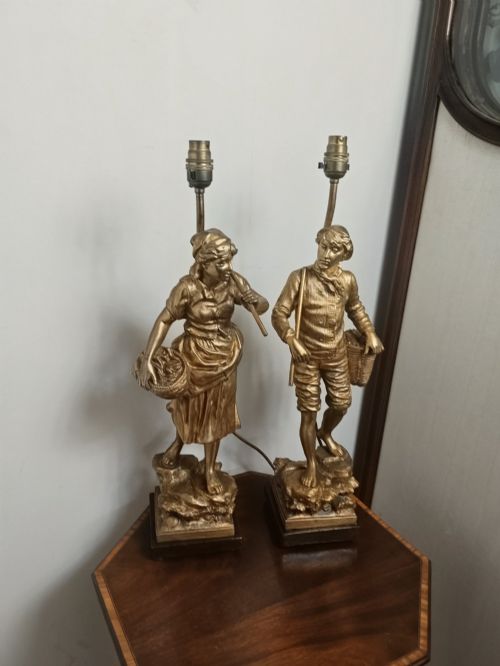
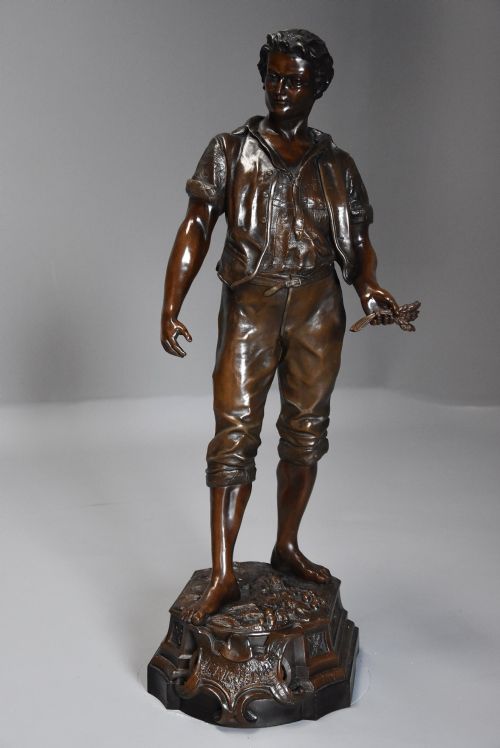
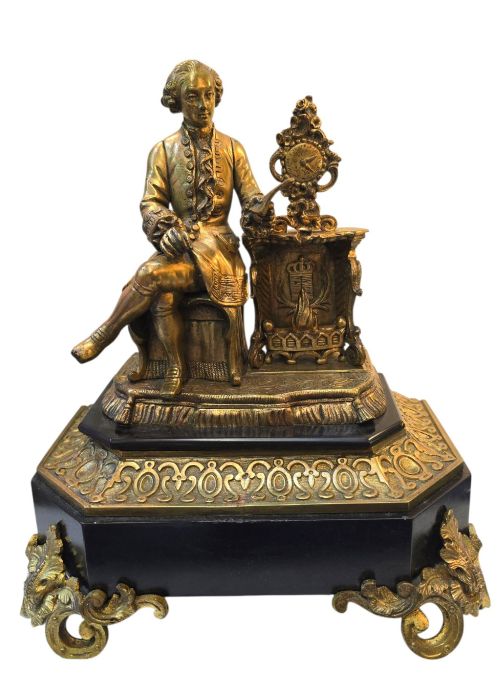
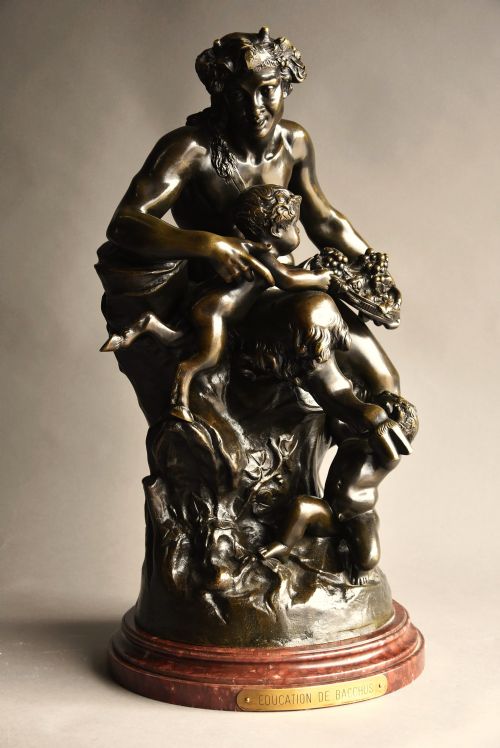
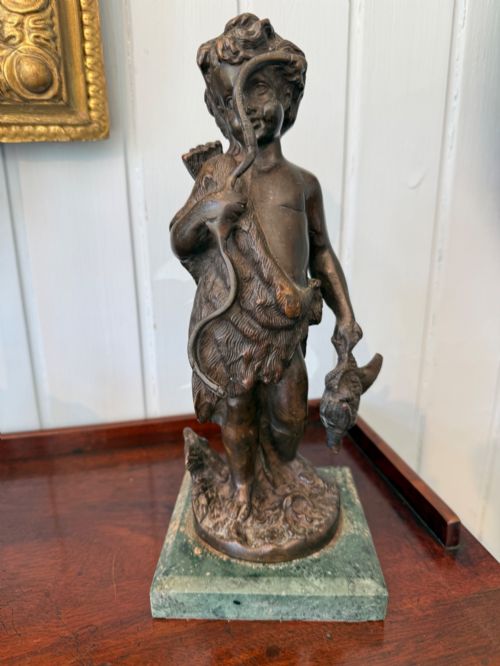
When you search for a french metal figure, you encounter an array of sculptural works spanning from the nineteenth century into the art deco period. These pieces take many forms, including standalone sculptures, table lamps, bookends, mantel clocks, and candlesticks.
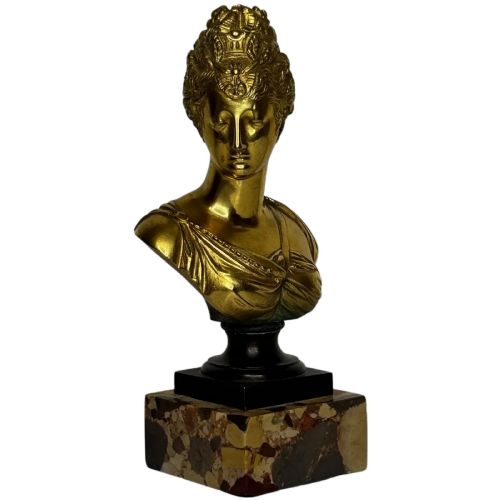
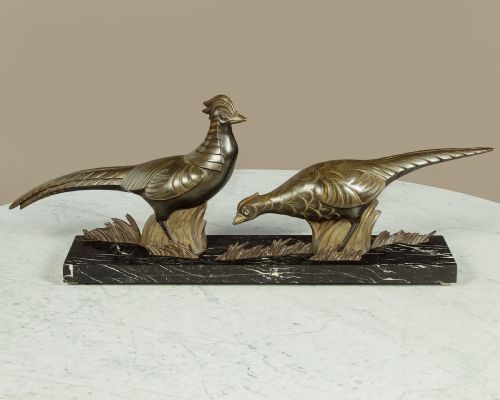
The subjects vary widely, drawing on classical mythology, animalier studies of wildlife, historical portraits, and graceful human figures. You are most likely to meet works cast in bronze or spelter, often mounted on heavy marble bases to provide stability.
Makers and foundries across France produced these decorative objects to satisfy domestic and international demand for expressive interior art. Styles shift from ornate nineteenth-century revivals toward streamlined modernist geometry as the decades progress.
Materials and casting methods
Foundries utilised traditional casting techniques such as lost-wax casting for bronze and white metal casting for spelter. Spelter, an alloy primarily of zinc, offered a more economical alternative to bronze while still allowing for intricate detail.
Surface finishes define the appearance of these sculptures, with makers applying cold painting, gilt highlights, or chemical patination to simulate aged metal. Marble and alabaster frequently serve as structural bases or integral components of lamp and bookend assemblies.
Materials appearing across the inventory include cast iron, gilt metal, alabaster, and carved marble alongside traditional bronze and spelter.
Assessing quality and craftsmanship
The quality of the patination or cold-painted surface alters the visual depth of the metal. Furthermore, original marble mounts that match the proportions of the figure indicate a higher grade of manufacture than later replacements.
Pierre le Faguays·E Rousseau·L & F Moreau·Christophe Fratin·Emile Carlier·Henri Godet
The French Metal Figure Glossary
- Spelter
- A zinc alloy commonly used for nineteenth and twentieth-century European figures. It is lighter than bronze and typically requires a painted or bronzed finish.
- Patination
- The surface coloration or sheen developed naturally over time or applied chemically by the foundry. It enhances the contours of the metal work.
- Animalier
- A nineteenth-century artistic movement focused on the realistic depiction of animals. Sculptors in this genre studied anatomy closely to capture creatures in motion.
- Ormolu
- Gilt bronze produced by applying a finely ground high-carat gold mercury amalgam to a bronze object. The process was widely used in decorative French arts.
French Metal Figure: Frequently Asked Questions
How do I distinguish bronze from spelter?
Bronze is heavier, denser, and colder to the touch than spelter. Examining the underside of the piece often reveals the underlying greyish-white metal of spelter if the surface finish has worn away.
Bronze also accepts a rich chemical patina that bonds deeply with the copper alloy. Spelter requires a surface coating such as paint or electroplating to achieve a similar dark finish.
What is an animalier figure?
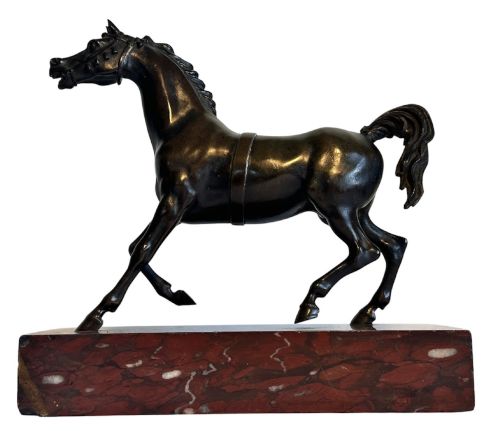
An animalier figure depicts animals, most commonly horses, big cats, dogs, or birds in naturalistic poses. These works gained immense popularity in nineteenth-century France through the work of specialised sculptors.
Artists aimed for anatomical accuracy, capturing beasts during moments of action or rest. They are typically cast in bronze and mounted on marble bases.
How should I clean a metal figure?
Dust the surface gently with a soft, dry brush to prevent dirt accumulation. Avoid using water, soap, or chemical polishes, which can strip away historic patination or cold-painted details.
Preserving the original surface finish maintains the character and integrity of the sculpture. Professional conservation is recommended if deeper cleaning becomes necessary.
Are marble bases original to the pieces?
Many figures were designed to be mounted on fitted marble or alabaster bases, particularly during the art deco period. The stone provides structural weight and contrasts nicely with the dark or gilded metal above.
Matching the proportions and examining the mounting screws helps determine if the base belongs to the sculpture. Replacement bases are occasionally fitted during repairs over the lifespan of the object.