




Bronze Tabletop Sculpture
These bronze tabletop sculpture pieces bring classical figures and decorative bronze work directly into a room, offering tactile metal forms designed for close viewing.
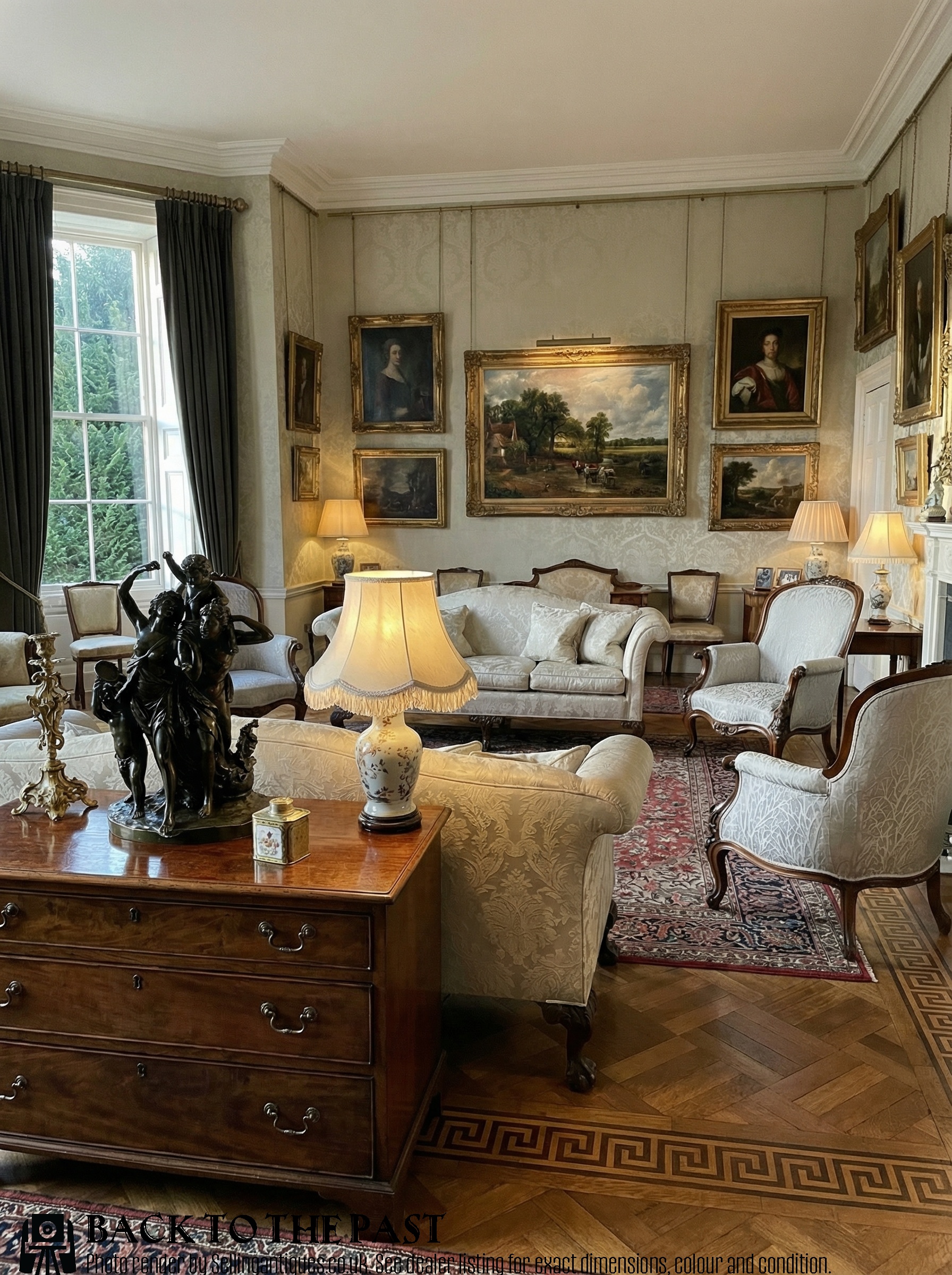
Understanding bronze tabletop sculpture
A bronze tabletop sculpture offers figures and decorative groups cast in metal for display on surfaces rather than large pedestals. When searching for a bronze tabletop sculpture, buyers encounter works ranging from classical mythological groups to early twentieth-century decorative pieces.
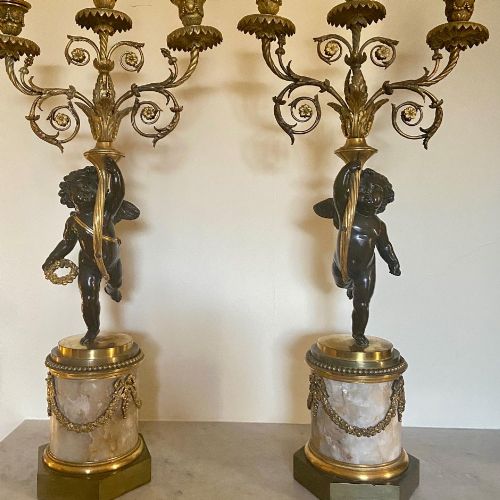
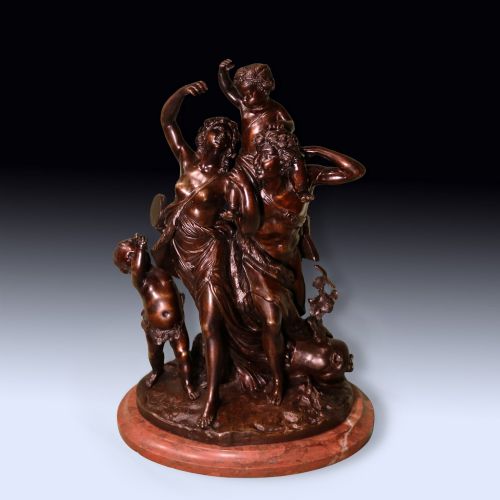
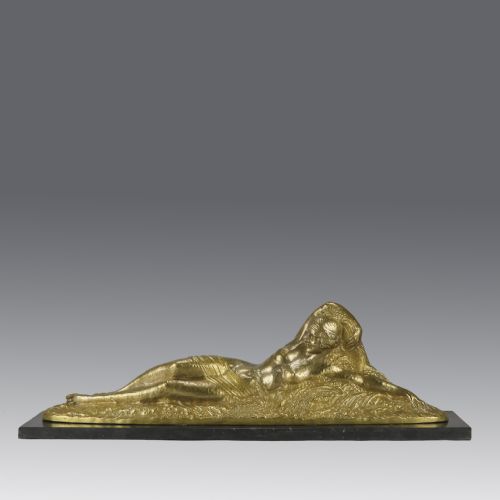
The pieces on this page span the nineteenth century up through the nineteen-twenties, encompassing French Rococo Revival, Neoclassical, and Art Deco styles. Common subjects include mythological figures such as Bacchus and fauns, alongside dancers, children, and reclining nudes.
Materials extend beyond pure cast metal to incorporate marble and slate bases that support the main figures. These sculptures operate as intimate domestic works rather than monumental public monuments.
Materials and construction
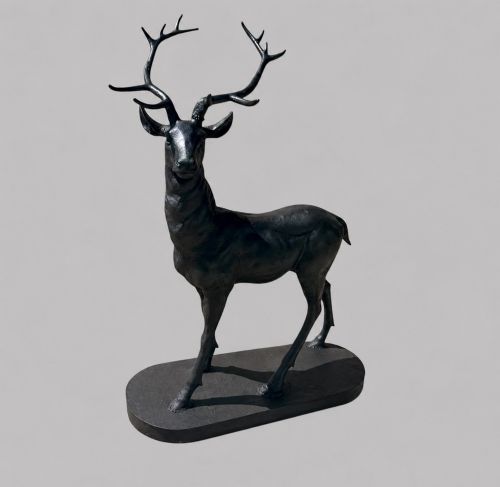
The primary material used is bronze, frequently finished with patination to alter the surface colour and tone. Sculptors combined this metal with heavy stone supports such as marble and slate to anchor the figures.
Makers utilised traditional casting methods to capture fine details in figures like dancing maidens and putti. Surface finishes range from dark patinated bronze to polished metallic highlights on sculpted limbs and drapery.
Retail Price Guide 2026
Typical UK retail prices for bronze tabletop sculpture, calculated from the Sellingantiques database of over a million retail prices indexed since 2003. This retail price guide relies exclusively on Sellingantiques data; no external sources or auction records are used, so the figures do not describe the wider market.
Listings feature works spanning the nineteenth century to nineteen-twenty, utilising bronze, marble, and slate across Neoclassical and Art Deco styles.
Distinctions in quality
Quality rests in the precision of the casting and the sensitivity of the modelling in faces, hair, and drapery. Finer works display crisp anatomical definition and lively expressions, particularly in complex multi-figure groups.
The integration of the metal figure with its marble or slate base indicates the care taken in final assembly. Superior patination and signed signatures from established artists elevate the character of a piece.
Georges Charles Coudray·Clodion·Edmond Leveque·Alexandre Kelety·Elizabeth Anna Clapp
The Bronze Tabletop Sculpture Glossary
- Bronze
- An alloy of copper and tin utilised for casting sculptural figures. It accepts patination and holds fine detail well.
- Patinated bronze
- Metal treated with chemicals to produce a specific surface colour or dark tone. This finish protects the surface and defines highlights.
- Neoclassical
- A style drawing inspiration from classical antiquity, featuring orderly compositions and mythological subjects. It appears frequently in nineteenth-century works.
- Art Deco
- A twentieth-century design style characterised by sleek lines and stylised human forms, prominent in pieces from nineteen-twenty.
Frequently Asked Questions
What subjects appear in these sculptures?
Subjects include mythological characters such as Bacchus and fauns, alongside dancing maidens, children, and domestic figures. Many compositions feature groups of figures interacting in dynamic poses.
Classical themes dominate the nineteenth-century pieces, while later works shift towards decorative domestic scenes.
How are marble and slate used?
Marble and slate serve primarily as heavy bases beneath the bronze figures, providing stability for tabletop display. They add contrasting texture and weight to the metal sculpture.
These stone mounts often dictate the overall silhouette and proportion of the piece.
What defines Art Deco bronzes here?
Art Deco bronzes from the nineteen-twenties feature stylised human forms and contemporary subjects like children and pets. They reflect a shift away from strict classical revival towards modern decorative arts.
These pieces maintain traditional casting methods while adopting simpler, streamlined shapes.
How do patinated surfaces differ?
Patinated bronze surfaces vary from deep dark tones to warmer metallic hues depending on the chemical treatment applied by the foundry. This finish protects the metal and accentuates sculptural contours.
Over time, handling and environment can subtly alter the appearance of these patinated surfaces.