







Collectible Bronze Art
Collectible bronze art brings figurative sculpture, desk objects and motoring ornaments into the home through small-scale metalwork.
Collectible Bronze Art
Collectible bronze art encompasses small sculptures, car mascots, table lighters and vases produced across the late nineteenth and early twentieth centuries. When searching for collectible bronze art, buyers encounter figural works, animal subjects and functional objects reflecting prevalent artistic movements.
The pieces on this page span several distinct periods from the early twentieth century and the late nineteenth century. These objects include French Realism, Art Nouveau, French Modernist and Art Deco styles, alongside mixed-media pieces featuring stone bases.
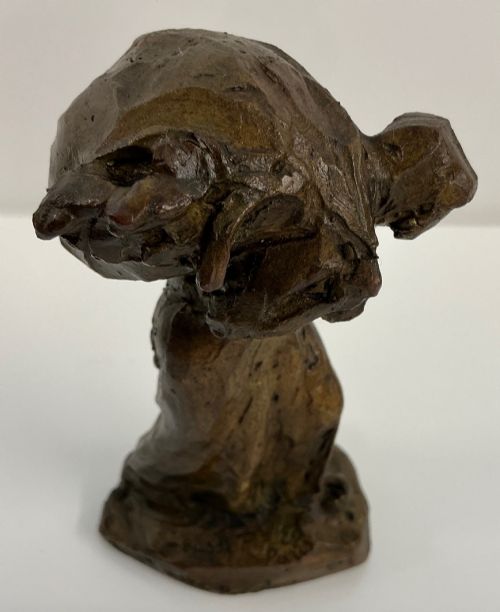
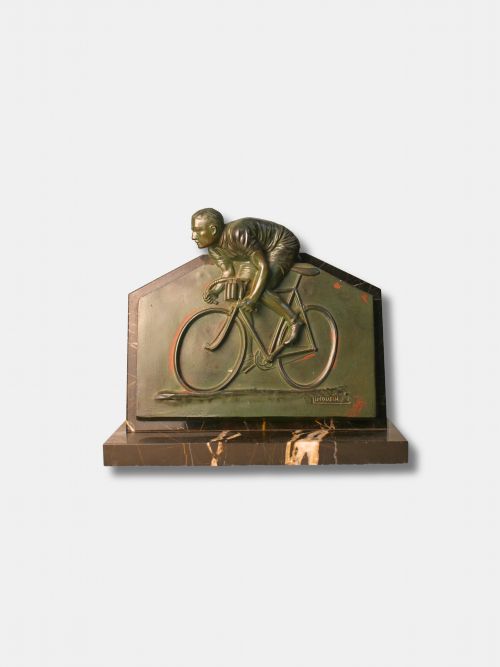
Figurative sculptures dominate the selection, depicting human figures, animals and sporting subjects such as cycling and golf. Alongside solid bronze, related materials like spelter appear frequently on bases of onyx and marble.
How they were made
Makers utilised traditional casting methods to produce detailed figures, using bronze and silvered bronze as primary structural metals. Surface finishing often involved patination or applied silvering to highlight the contours of the form.
Many sculptures and mascots are mounted onto heavy plinths of onyx, marble or stone to provide stability and visual contrast. Alternative materials such as art glass, brass and wood also appear in specific decorative vessels and accessories.
Collectible Bronze Art Retail Price Guide 2026
Typical asking prices for collectible bronze art among the pieces listed under this phrase on Sellingantiques today, from the lower quarter to the upper quarter. They describe what is for sale here now, not the wider market.
The listings show periods spanning from 1875 through to 1930, capturing the transition from nineteenth-century realism to Art Deco design.
What varies in quality
The choice of mounting materials also distinguishes the work, with genuine carved onyx and marble plinths marking out higher-grade commissions. Alternative metals like spelter represent a different tier of production compared to solid bronze.
Jules Dalou·Julien Lorieux·Aristide Maillol·Elizabeth Anna Clapp·Antoine Bofill·Claire Colinet·Lorenzl
The Collectible Bronze Art Glossary
- Spelter
- A zinc alloy frequently used as a cost-effective alternative to bronze in decorative figures and mascots. It often receives a bronze-coloured surface finish.
- Onyx
- A banded variety of chalcedony utilised extensively for sculptural plinths and bases during the Art Deco period. Its smooth, polished surface complements polished metal.
- Car Mascot
- An ornamental sculpture mounted on the radiator cap of a motor car. These pieces were produced in bronze and chrome during the early twentieth century.
- Patina
- The surface coloration or sheen developed naturally over time or applied chemically by the maker. It enhances the visual depth of bronze sculpture.
- Art Deco
- A design style spanning the 1920s and 1930s characterised by streamlined forms and geometric clarity. It heavily influences the mascots and figures of this era.
Collectible Bronze Art: Frequently Asked Questions
What is collectible bronze art?
Collectible bronze art consists of small-scale sculptures, decorative figures and functional objects created by European artists and workshops. These items capture the aesthetic shifts of the late nineteenth and early twentieth centuries.
Most pieces take the form of human figures, animal studies or motoring mascots designed to be displayed on desks, shelves or vehicle radiators.
How do I tell bronze from spelter?
Bronze is a heavy copper alloy that maintains a warm, dense feel and accepts a deep chemical patina. Spelter is a lighter zinc-based metal that tends to show a more brittle texture beneath worn surface finishes.
Examining the underside or mounting points often reveals the lighter, greyish metal of spelter where the surface plating has rubbed away.
How do I date these objects?
Dating relies on stylistic markers, artist signatures and the materials used for the sculpture and its base. Pieces reflecting geometric styling typically point to the Art Deco period of the 1920s and 1930s.
Works featuring naturalistic human forms and softer patination often connect back to earlier nineteenth-century French Realism or turn-of-the-century production.