



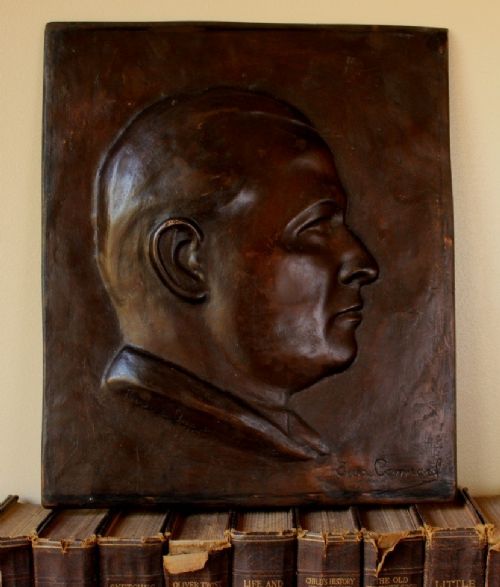
Art Deco Bronzes
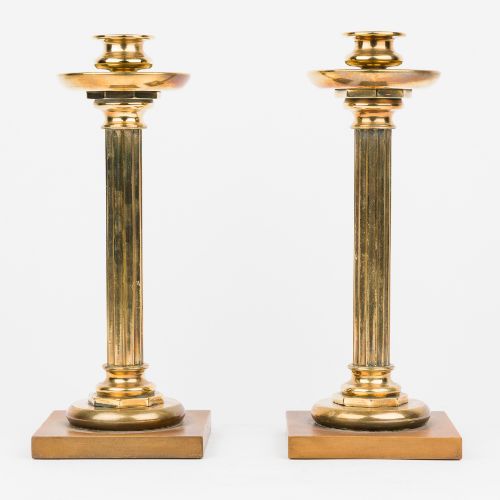
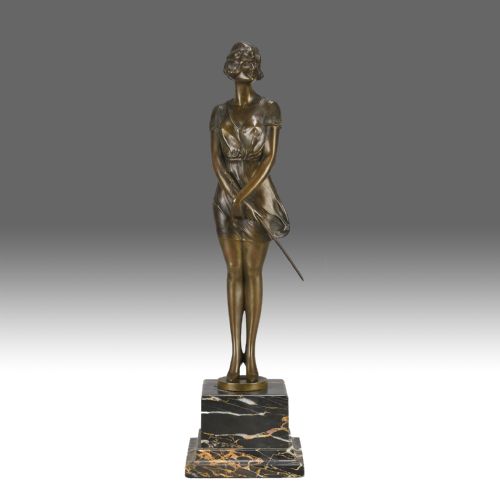
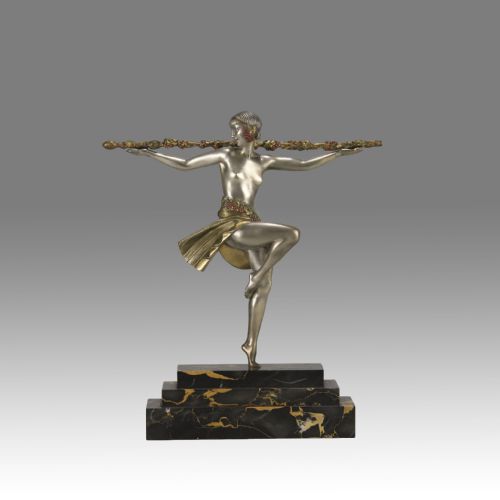
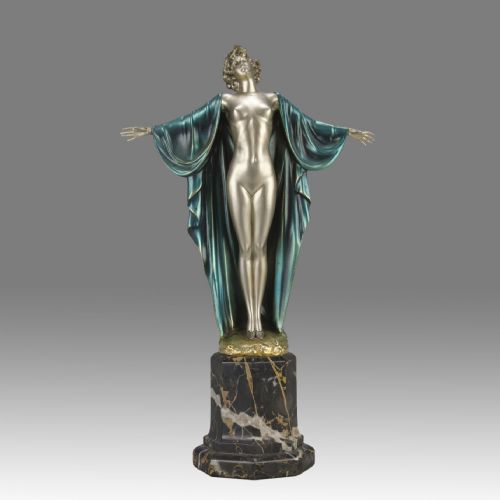
Art deco bronzes bring movement and bold geometry into a room through figures of dancers, animals and striking lamps.
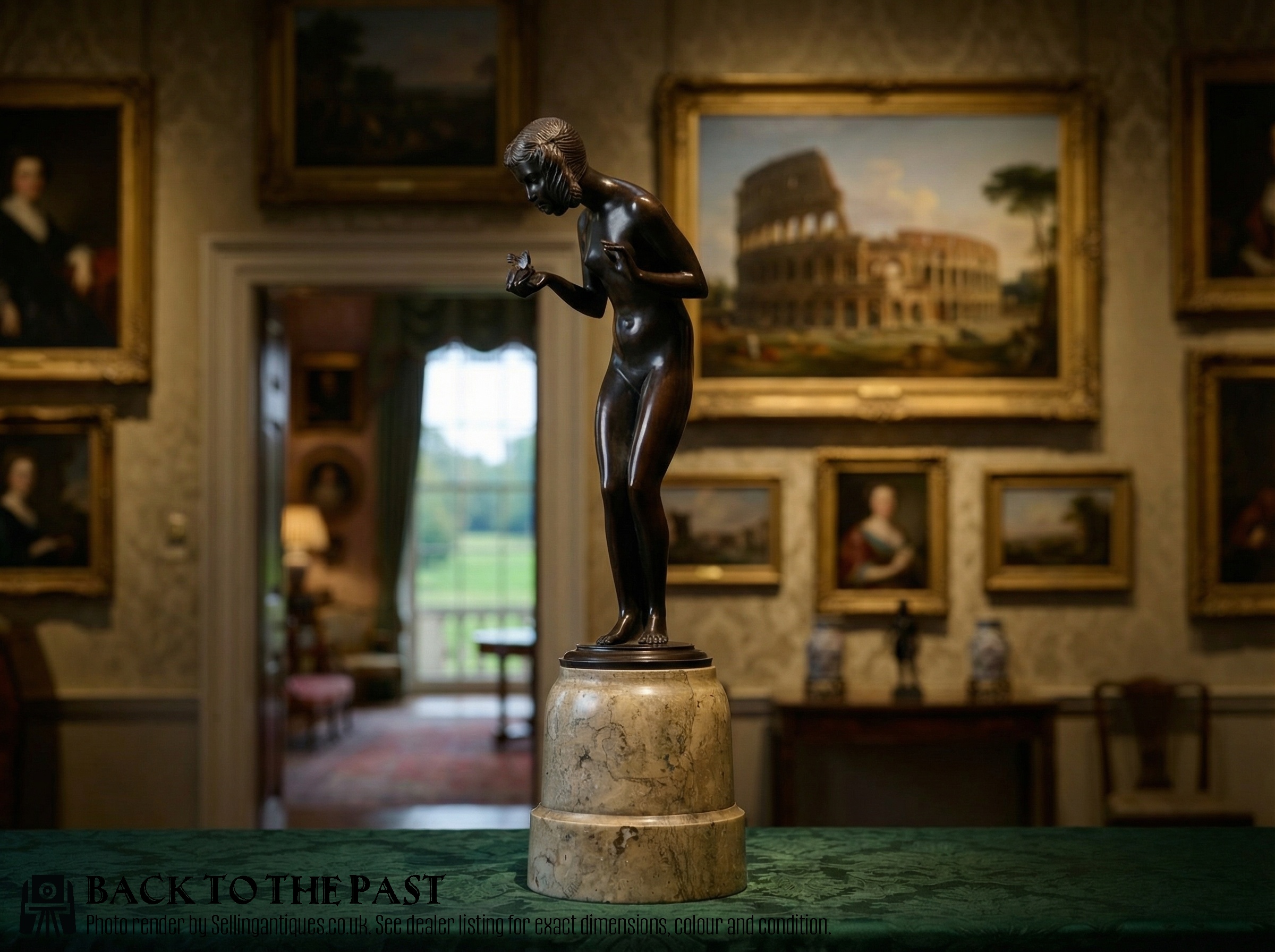
Art Deco Bronzes
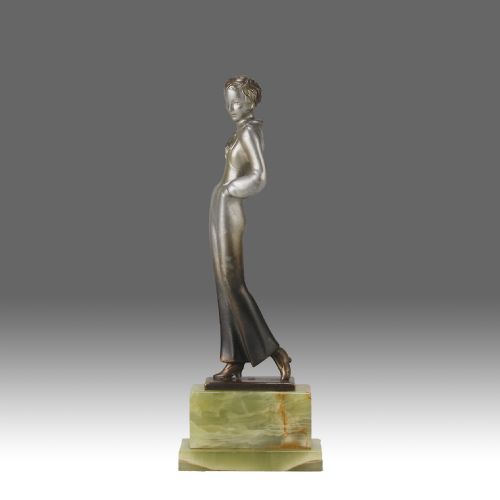
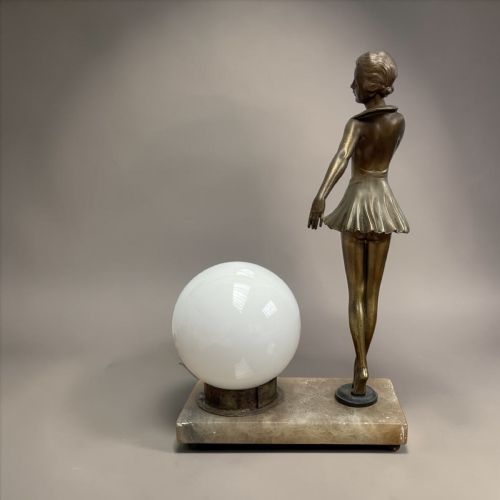
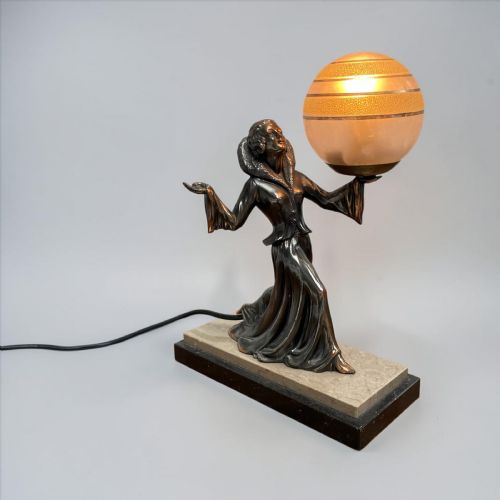
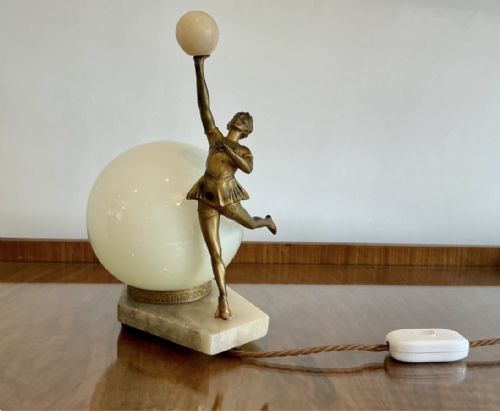
Art deco bronzes encompass figurative sculptures, elegant lady lamps, animal studies, and decorative bookends spanning the early twentieth century. Buyers seeking art deco bronzes find dancers, athletes, and fauna cast during the height of the movement in the nineteen twenties and nineteen thirties.
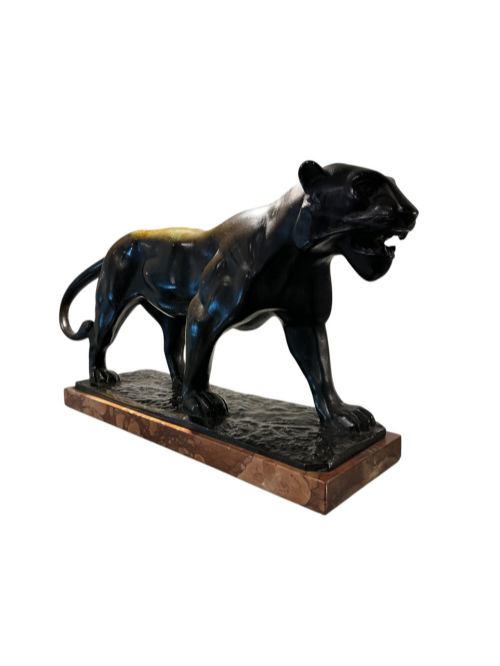
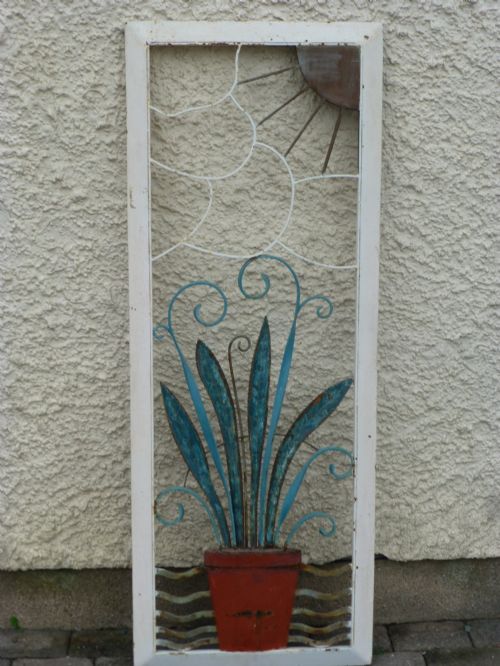
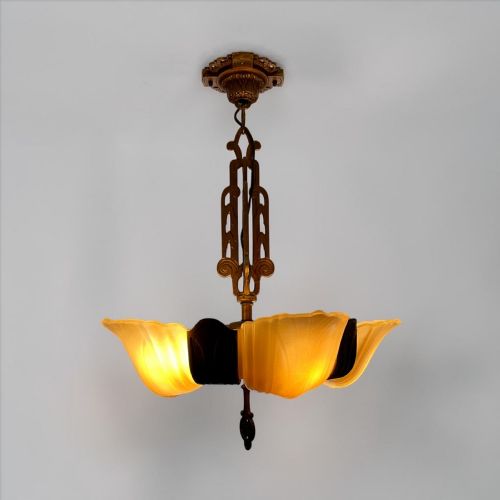
The objects take many functional and decorative forms, including mantel clocks, desk tidies, architectural screens, and lighting fixtures. Sculptures often rest upon solid bases of black marble or onyx.
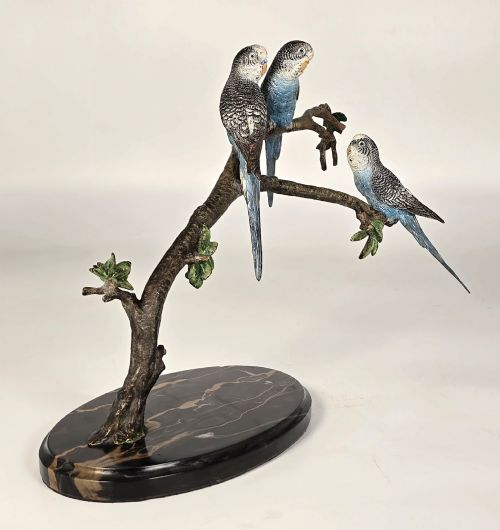
Figures frequently capture motion, depicting dancers, skaters, and wild animals such as panthers, birds, and seals. These pieces reflect the streamlined aesthetics and modern energy of the period.
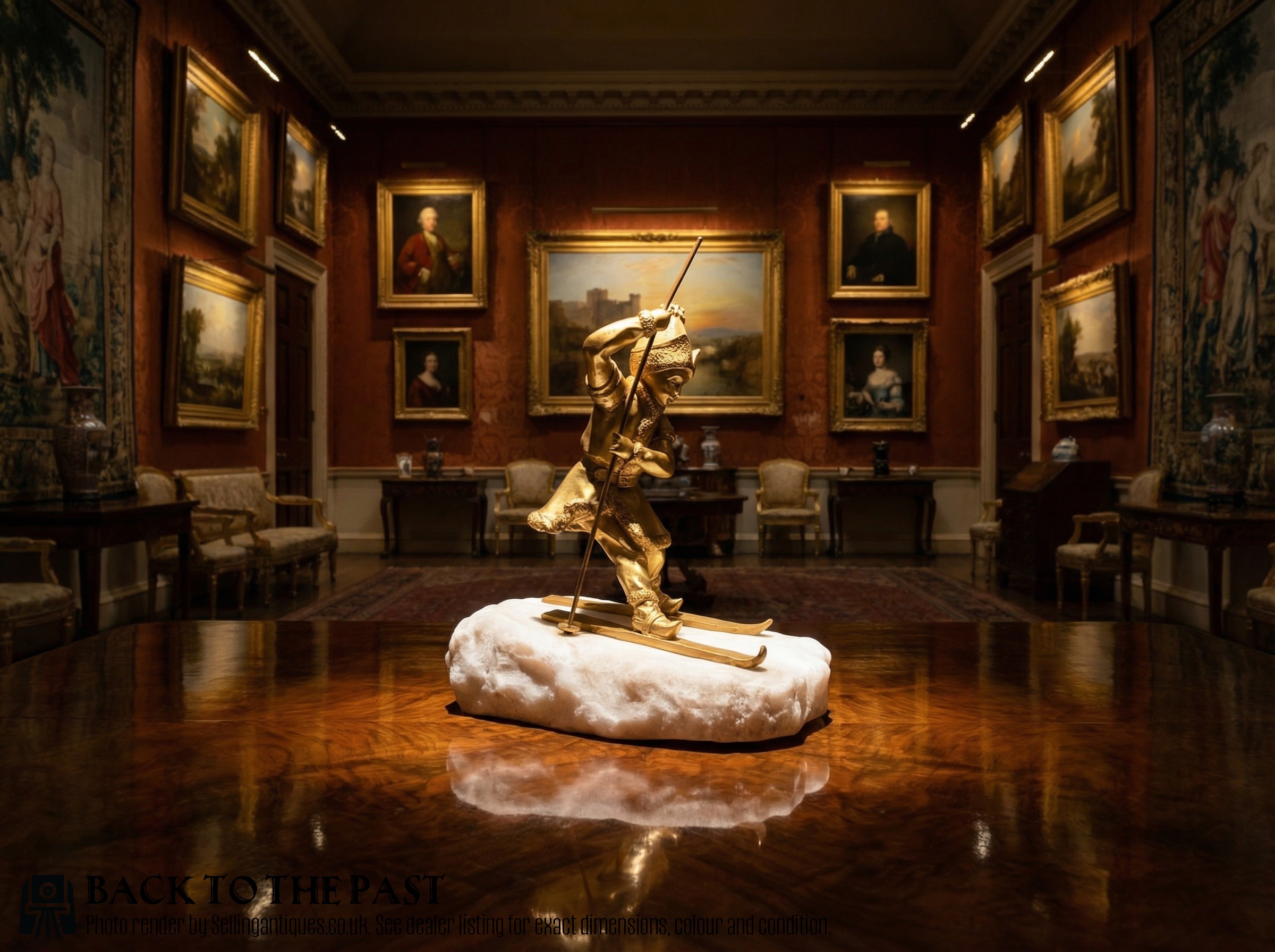
How art deco bronzes were made
Foundries utilised the lost-wax casting method to capture fine details in metal, producing sharp contours on figures and animals. Many pieces received cold-painted finishes, applying polychrome colours directly onto the metal surface by hand.
Makers combined bronze with contrasting materials such as ivory, alabaster, brass, and gilt highlights to enhance visual depth. Bases were constructed from dense stones like marble and onyx to support the weight of the metal sculptures.
Alternative metals like spelter and patinated metal provided accessible options for figures and lamps during periods of material scarcity. Glass elements, including frosted shades and panels, were integrated into lighting fixtures.
Art Deco Bronzes Retail Price Guide 2026
Typical asking prices for art deco bronzes among the pieces listed under this phrase on Sellingantiques today, from the lower quarter to the upper quarter. They describe what is for sale here now, not the wider market.
Listings feature items from the nineteen tens through to the nineteen forties, spanning marble, onyx, alabaster, and glass.
What varies in quality
The choice and execution of the mounting base, particularly carved marble or onyx, reflect the overall ambition of the piece. Superior patination and original surface finishes preserve the intended tonal interplay devised by the foundry or artist.
Bruno Zach·Pierre le Faguays·Ferdinand Preiss·Josef Lorenzl·Raymond Subes·Frederique Cederlund-Ozanne·Maurice Jallot·Alexandre Ouline·Demetre Chiparus·Aurore Onu·C J R Colinet
The Art Deco Bronzes Glossary
- Cold-painted bronze
- A technique where paint is applied to an unheated bronze casting after the metal work is complete. This method allows for vivid multi-coloured details on clothing and plumage.
- Spelter
- A zinc alloy frequently used as a substitute for bronze during the period. It is lighter and softer than true bronze.
- Patination
- The chemical or natural treatment of the metal surface to produce colour and tone. A rich patina develops over decades through handling and exposure to air.
- Lost-wax casting
- A process where a wax model is used to create a mould for molten metal. It permits intricate undercut details impossible in two-part sand moulds.
Art Deco Bronzes: Frequently Asked Questions
How do I clean my bronze sculpture?
Dust the surface gently with a soft, dry brush to remove particles without disturbing the underlying finish. Avoid using water, detergents, or abrasive polishes which can strip the patination.
Apply a microcrystalline wax sparingly if the metal requires protection against moisture in the room. Buff lightly with a clean cloth after application to restore a soft lustre.
What is the difference between bronze and spelter?
Bronze is an alloy primarily composed of copper and tin, valued for its durability, weight, and capacity to hold fine casting detail. Spelter is a cheaper zinc-based alternative that feels lighter and softer to the touch.
Examining the underside or areas of wear often reveals the greyish metal beneath a spelter finish. True bronze shows a warm reddish-brown hue where the metal is exposed.
Where should I place these lamps?
Position table lamps and figural lights on sturdy wooden sideboards, desks, or mantelpieces where their decorative bases can be appreciated. Ensure they sit away from direct, harsh sunlight to protect patinated surfaces and frosted glass.
Keep electrical components checked by a qualified professional if the wiring dates from the early twentieth century. Modern low-heat bulbs help preserve internal fittings and delicate shades.
Are these pieces signed by the artists?
Many sculptures bear cast signatures, foundry marks, or incised monograms on the bronze base or figure. Unsigned works also exist from the period, often produced by workshops without individual artist attributions.
Signatures confirm the design origin but require careful comparison with known examples to verify authenticity. The absence of a signature does not preclude high artistic quality.