


Vintage Bronze Figure
A vintage bronze figure brings tactile warmth and enduring character to a room, offering sculptural presence through enduring metalwork.

What a vintage bronze figure represents
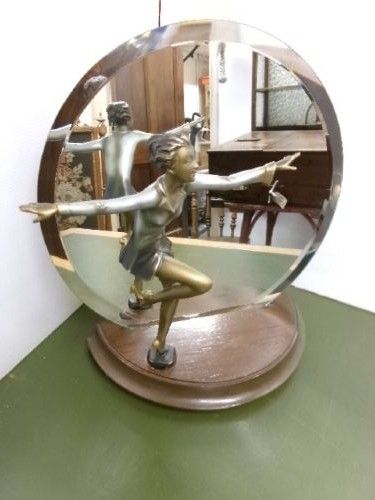
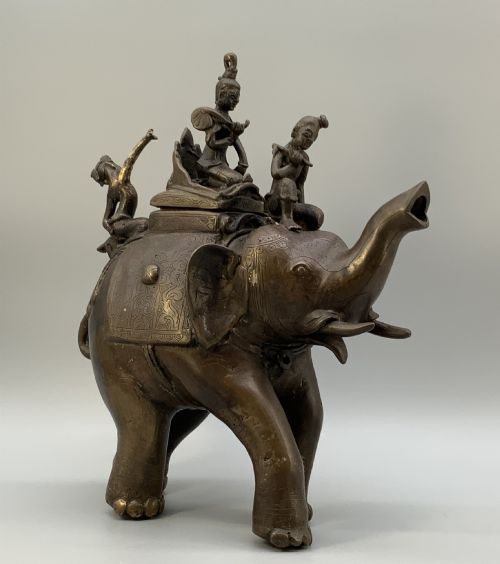
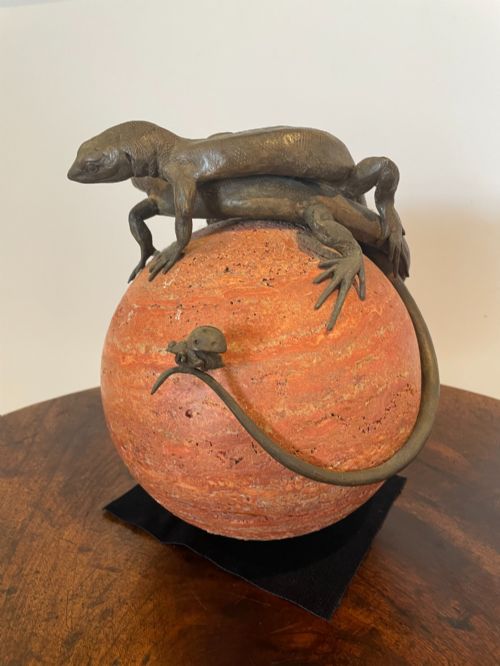
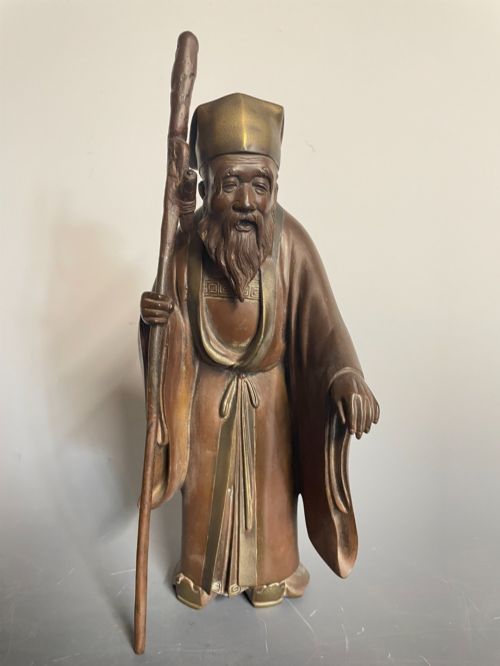
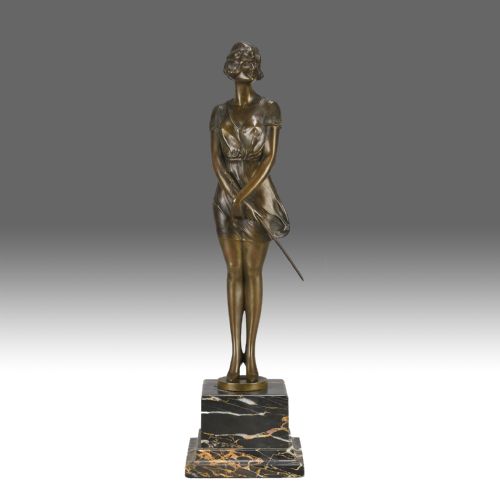
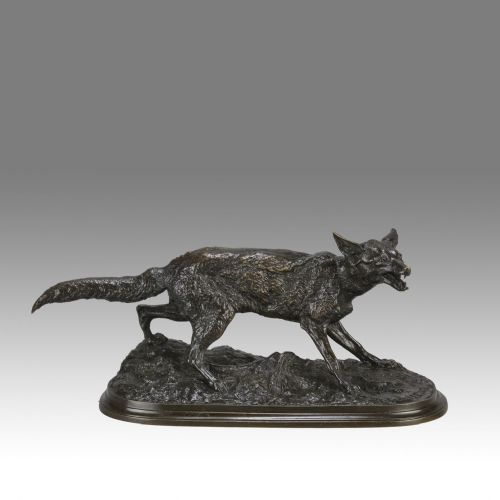
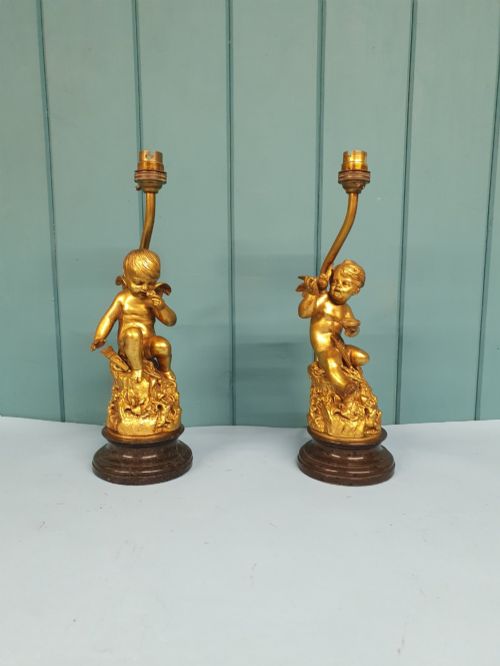
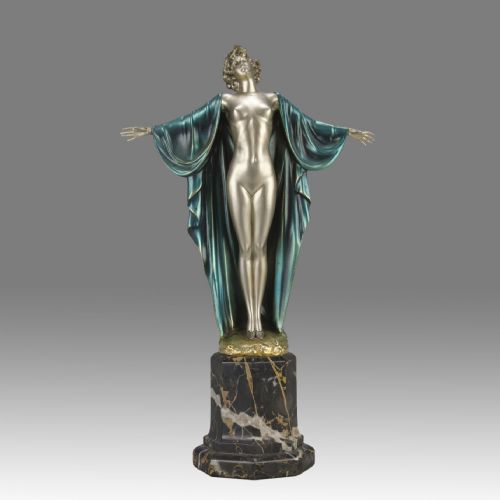
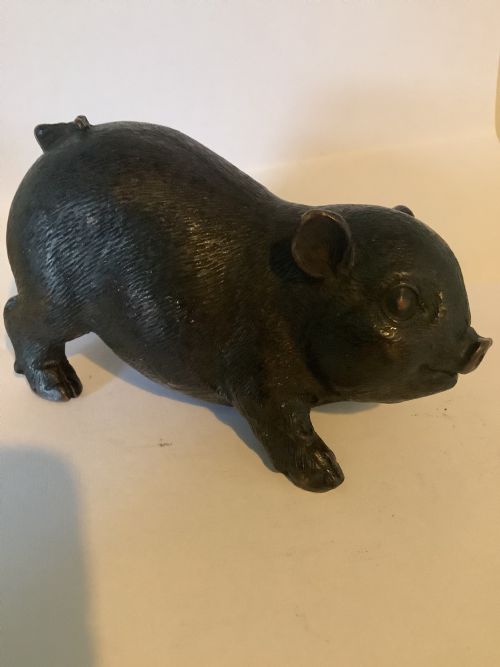
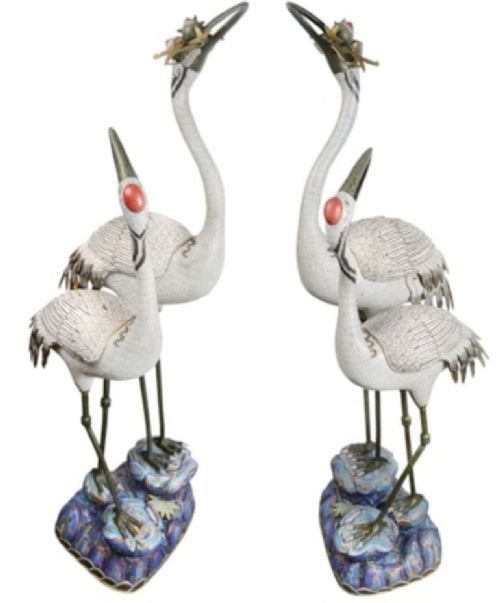
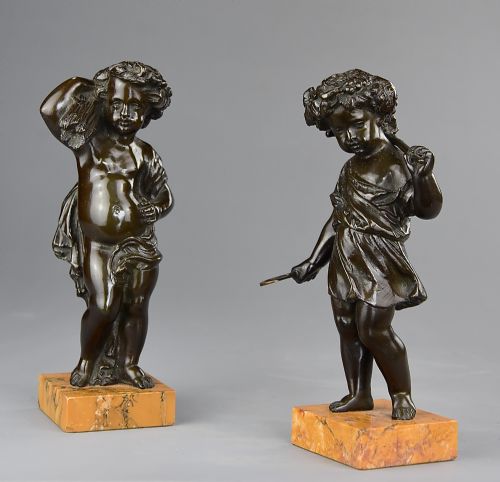
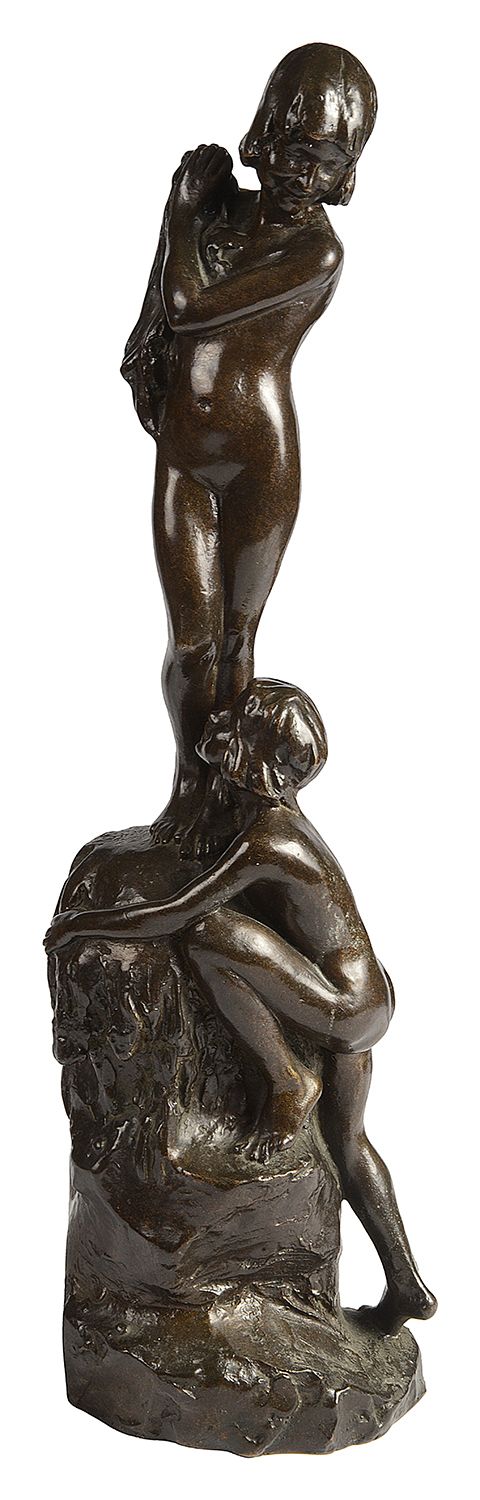
A vintage bronze figure encompasses sculptural works produced across the late nineteenth and early twentieth centuries, drawing on varied stylistic movements. These pieces range from naturalistic studies of wildlife to stylised depictions of human forms set upon complementary bases.
The selections encountered here reflect diverse cultural influences including Art Deco, Art Nouveau, Orientalism, and Western Americana. Such variety spans subjects from classical nudes and fairy tale characters to historical traders and domestic animals.
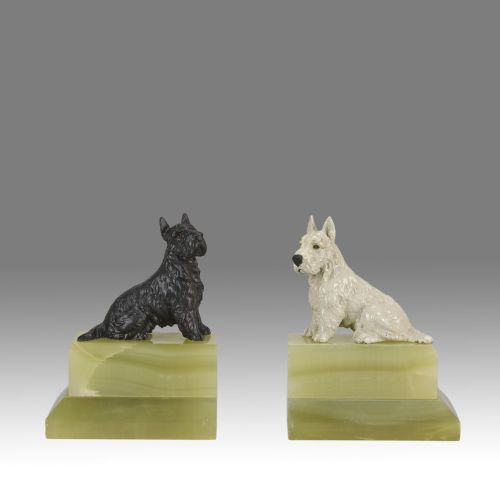
Dating primarily from the decades between eighteen eighty and nineteen thirty, these sculptures showcase the sculptural ambitions of their makers. They frequently incorporate integrated plinths or separate mounting bases of marble.
Materials and construction methods
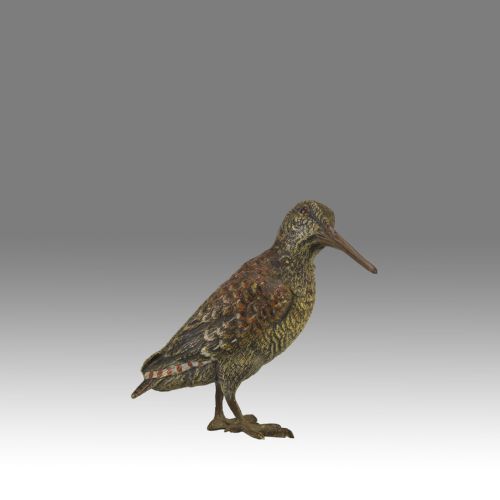
Pieces are constructed predominantly from cast bronze, occasionally accompanied by subsidiary metals or mixed components such as spelter. Artisans utilised traditional foundry methods to achieve intricate details across hair, feathers, and clothing.
Surface treatments play a central role in the physical composition of these works, with some examples employing polychrome enamel or cold painted techniques. Many sculptures are secured firmly to bases fashioned from solid marble or black marble.
Retail Price Guide 2026
Typical UK retail prices for vintage bronze figure, calculated from the Sellingantiques database of over a million retail prices indexed since 2003. This retail price guide relies exclusively on Sellingantiques data; no external sources or auction records are used, so the figures do not describe the wider market.
One intrepid bronze bird stands ready to launch from its wave, proving that even stationery art needs a stiff breeze.
Distinctions in craftsmanship and design
Quality separates through the crispness of the casting and the sensitivity applied to surface finishing. Superior examples maintain sharp articulation in fine details without relying on heavy post-casting tool work.
The integration between the metal subject and its mounting plinth dictates overall aesthetic success. Heavier stone bases and careful cold painted or enamelled details distinguish finer productions from simpler commercial castings.
Elizabeth Anna Clapp
The Vintage Bronze Figure Glossary
- Cold painted bronze
- A manufacturing method where oil paint is applied to an unheated bronze casting after it is finished. This technique allows for vibrant surface decoration that remains distinct from traditional hot patination.
- Spelter
- An alloy of zinc and copper frequently used as a cheaper alternative to bronze. It mimics the appearance of heavier metals while possessing a lighter weight and different structural density.
- Patina
- The surface coloration and sheen developed naturally through age or applied artificially by the maker. It provides visual depth and protects the underlying metal.
- Plinth
- A heavy base block, often fashioned from marble or black marble, that supports and elevates the sculpture. It provides physical stability and frames the artwork.
- Polychrome enamel
- A decorative coating applied in multiple colours across the surface of the metal. It highlights specific design elements through contrasting pigments.
Frequently Asked Questions
How do I date a vintage bronze figure?
Dating relies on stylistic indicators such as Art Deco or Art Nouveau design traits, alongside foundry marks and material composition. Periods are often deduced through the clothing, subject matter, and mounting styles typical of the era.
Examining the base materials, such as the use of black marble or specific casting textures, further helps align the piece with a precise decade.
What is cold painted bronze?
Cold painted bronze refers to sculptures painted with oil colours without subsequent firing or heat treatment. This technique results in highly detailed, colourful finishes characteristic of early twentieth-century decorative pieces.
Because the paint sits on top of the metal rather than bonding via heat, these surfaces require gentle handling to preserve the pigment.
Where were these figures displayed?
These sculptures were originally intended for domestic display upon desks, mantelpieces, and cabinet tops within period interiors. Their compact scale allowed them to serve as decorative focal points in sitting rooms and studies.
Today, they function similarly in modern spaces, adding historical texture to tables and shelves.
How do bronze and spelter differ?
Bronze is a durable alloy primarily of copper and tin, prized for its strength and ability to hold fine casting detail. Spelter is a softer zinc alloy that feels lighter and was utilised for more economical decorative objects.
Telling them apart involves assessing weight, density, and how the metal responds beneath the surface finish.