




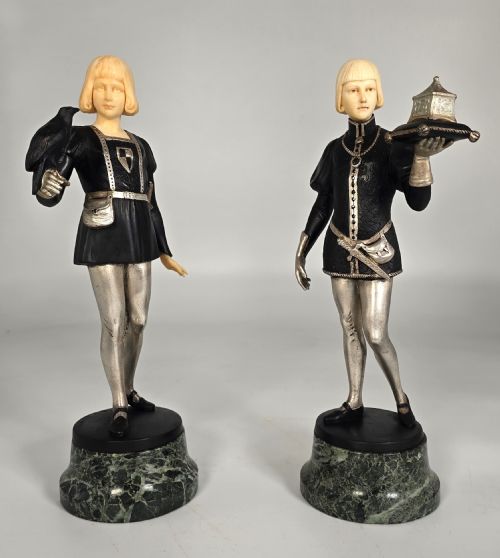


Twentieth Century Sculpture
Twentieth century sculpture brings together figurative bronzes, carved wood figures and plaster models spanning diverse stylistic movements.
Twentieth Century Sculpture
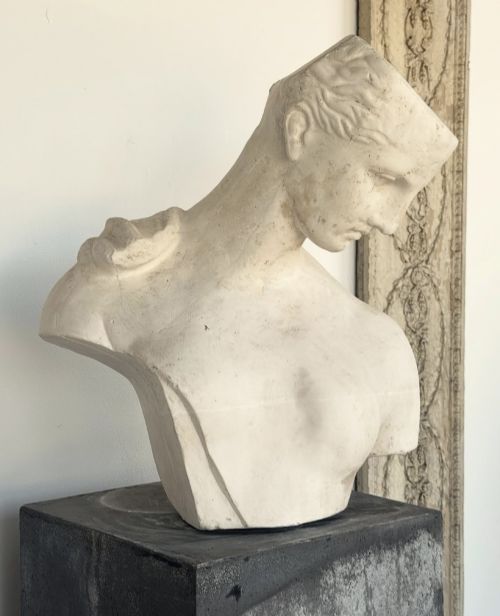
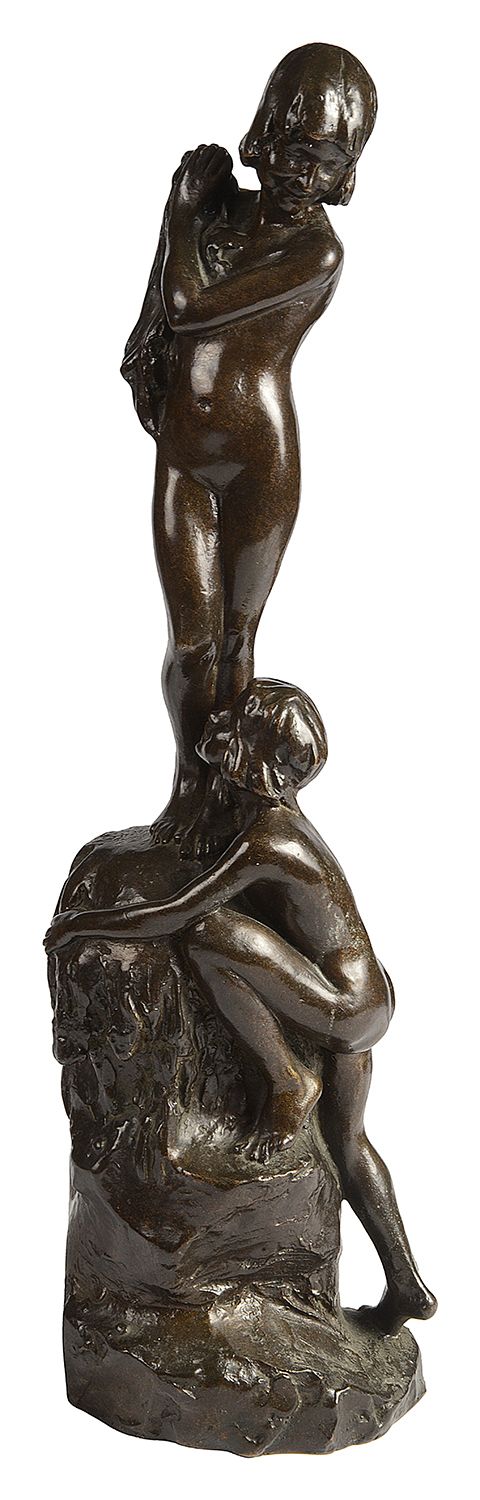
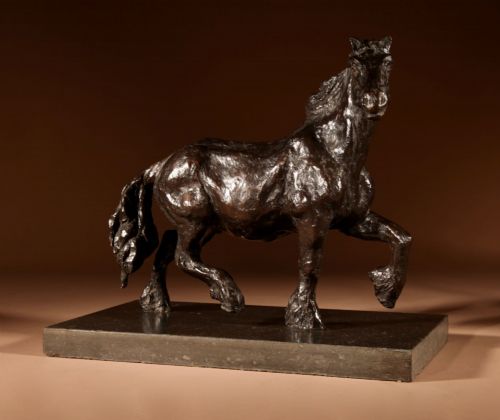
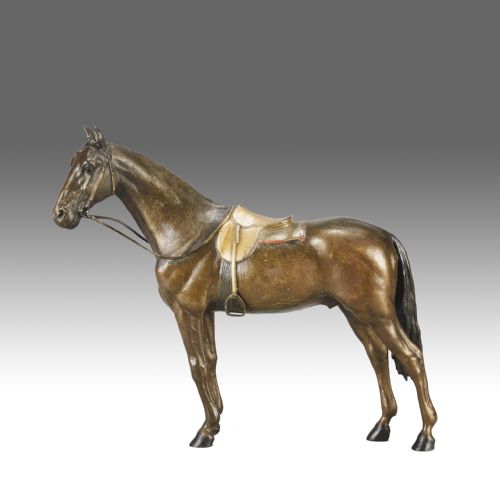
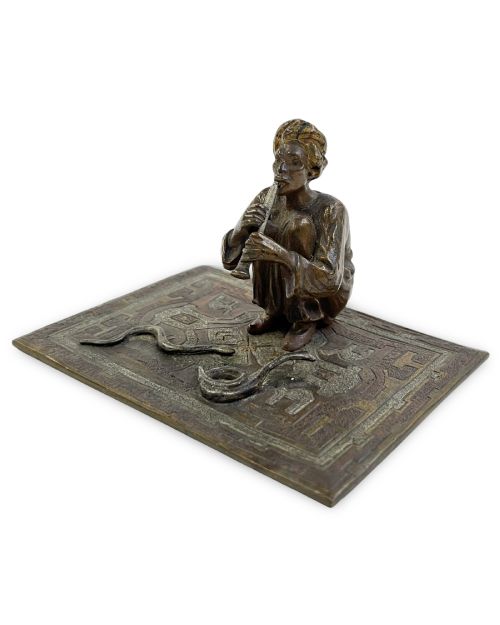
Twentieth century sculpture encompasses a broad spectrum of three-dimensional works, ranging from animalier bronzes and cold-painted Austrian foundry pieces to folk art carvings and life-size portrait busts. You will encounter classical grand tour models alongside Art Nouveau figures, Art Deco studies and surrealist works.
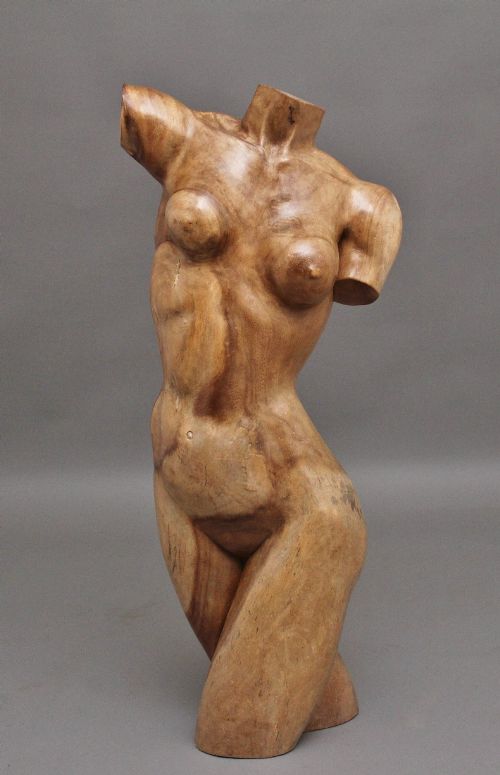
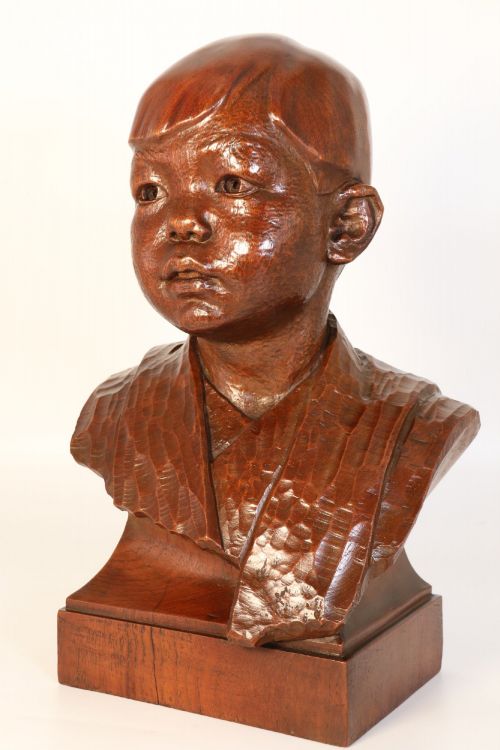
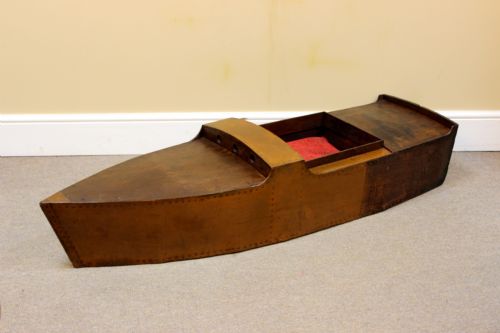
The objects on this page frequently manifest as animal figures, human busts, decorative obelisks, model boats and botanical models. Materials span bronze, carved walnut, terracotta, plaster and painted wood, reflecting diverse European and American traditions from the period.
How they were made
Many metal pieces utilise traditional lost-wax bronze casting techniques, often finished with cold-painted polychrome details or patinated metal surfaces. Artisans also employed hand-carving methods for wooden busts, decoys and architectural elements like Italian marble obelisks.
Plaster and terracotta works demonstrate modelling and casting processes, sometimes combined with surface paint or applied decoration. Artisans shaped these mediums to capture anatomical detail in figures, botanical structures and portrait reliefs.
Twentieth Century Sculpture Retail Price Guide 2026
Typical asking prices for twentieth century sculpture among the pieces listed under this phrase on Sellingantiques today, from the lower quarter to the upper quarter. They describe what is for sale here now, not the wider market.
An anonymous wooden duck decoy and a painted ceramic pug stand ready to keep watch over any contemporary interior.
What varies in quality
Hand-carved wooden and marble pieces rely on the precision of the artisan's chisel and the selection of unblemished materials. Superior examples display balanced proportions, confident anatomical execution and well-preserved original patination or paint.
Franz Bergman·George Henry Paulin·Gotthilf Jaeger·Clovis Masson·P J Mêne·Jennings Brothers·Gustav Adolf Daumiller
The Twentieth Century Sculpture Glossary
- Animalier
- A nineteenth and twentieth century sculptural style focusing on realistic depictions of animals, particularly wild beasts and domestic creatures in motion.
- Cold-painted bronze
- Metal sculptures painted with oil or enamel paints after casting, rather than firing the pigment onto the surface at high temperatures.
- Grand tour
- Classical statues and architectural models collected by travellers touring European cultural sites during the nineteenth and early twentieth centuries.
- Écorché
- An anatomical study depicting a human or animal figure with the skin removed to display the underlying musculature.
- Putto
- A figure of a small chubby infant, frequently winged, appearing in classical and neoclassical art forms.
Twentieth Century Sculpture: Frequently Asked Questions
What defines twentieth century sculpture?
Twentieth century sculpture encompasses cast metals, carved woods, and moulded plasters reflecting movements from Art Nouveau and Art Deco to folk art and early modernism.
Pieces range from small cabinet bronzes and cold-painted animal figures to life-size portrait busts and architectural decorative objects.
How were cold-painted bronzes produced?
Foundries cast the bronze figures using traditional techniques before applying detailed polychrome paint by hand onto the cold metal surface.
This intricate colouring technique was especially prominent in Austrian workshops during the early decades of the century.
Where do animalier bronzes originate?
Animalier sculpture developed primarily in France during the nineteenth century and continued into the twentieth through makers who specialised in realistic animal studies.
Artists observed wildlife and domestic animals closely to capture accurate postures, muscle tension, and natural behaviours.
How should I display a wooden sculpture?
Wooden and carved figures require stable indoor environments away from direct sunlight and rapid humidity fluctuations to prevent wood movement.
Place them on secure surfaces where their carved textures and natural grain can be appreciated from multiple angles.