




Carved Wood Bust
A carved wood bust brings immediate presence into a room, capturing human character through the skilled hand of the carver.
Carved Wood Bust
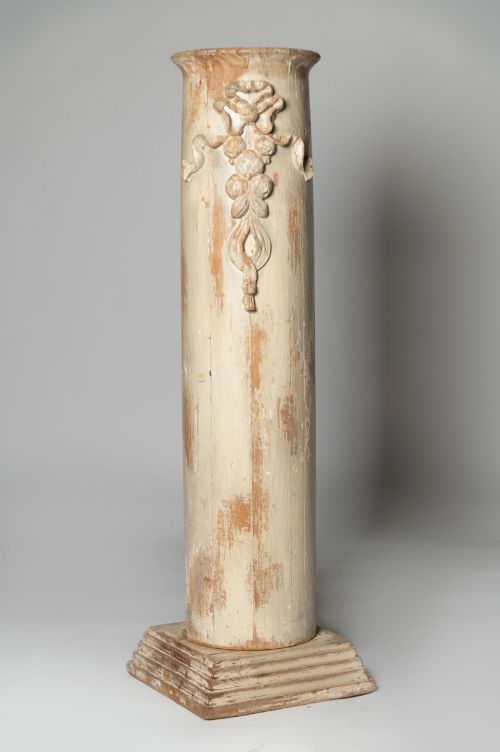
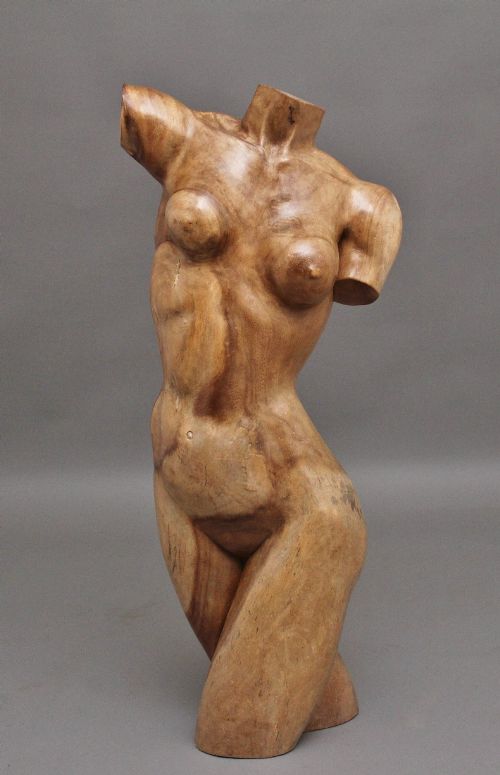
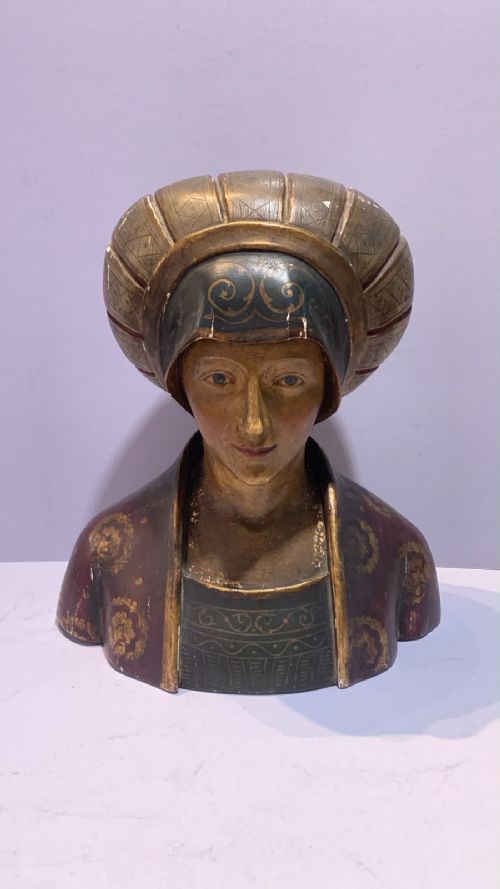
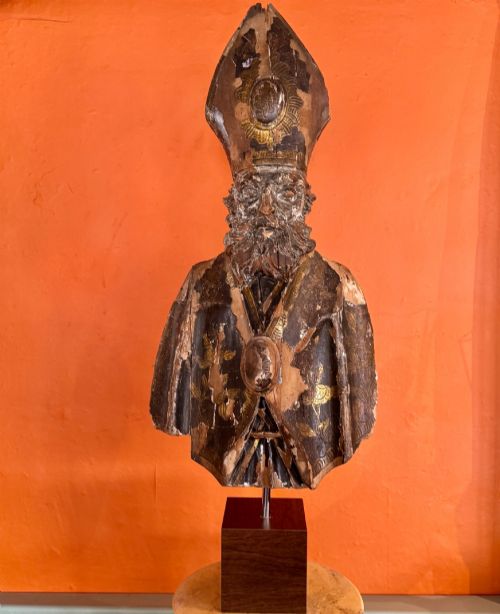
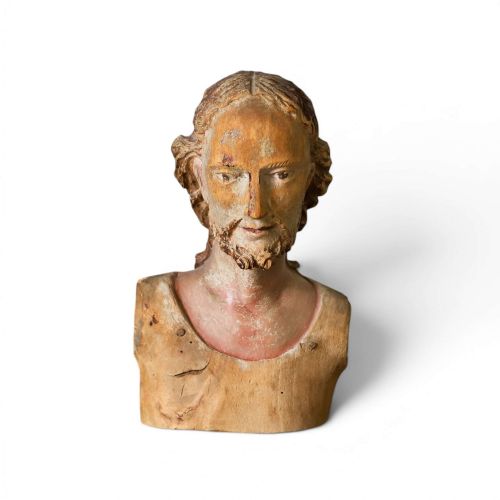
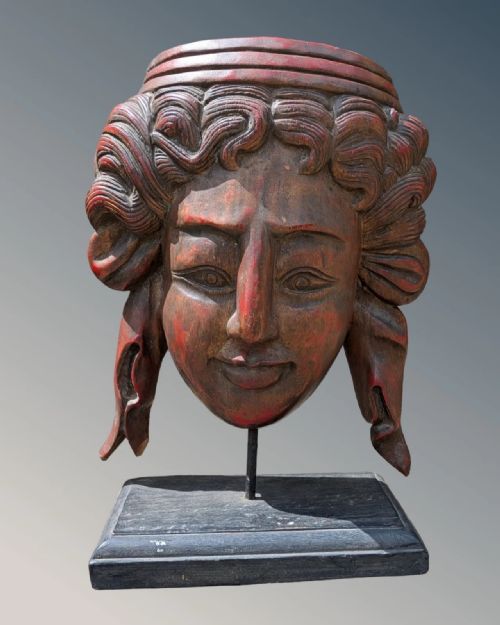
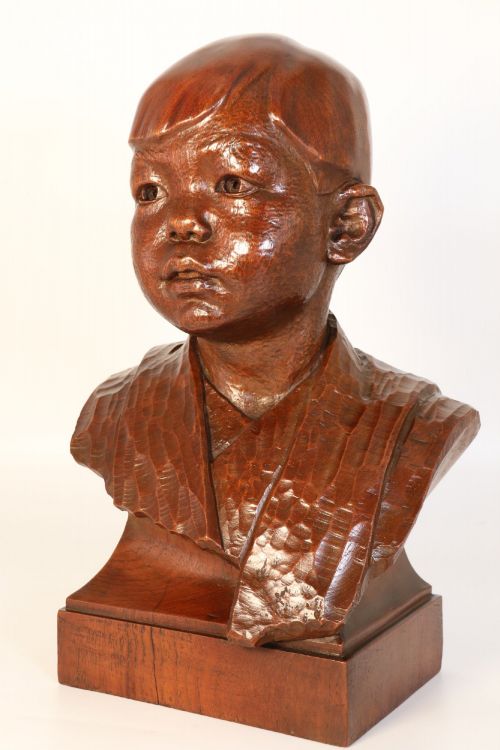
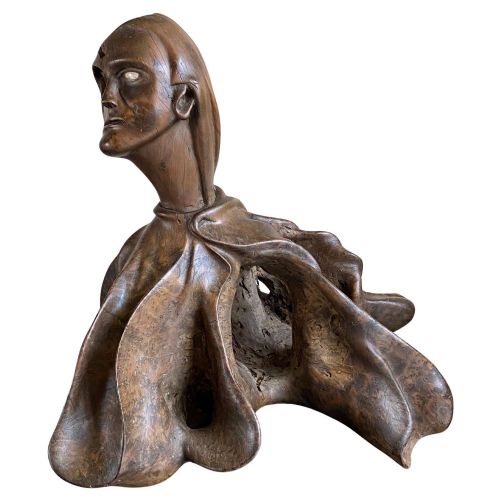
A carved wood bust focuses the eye on portraiture and sculptural form, ranging from intimate life-sized studies to ecclesiastical figures and folk art representations. When exploring this selection, a buyer encounters everything from 18th-century Italian saints in polychrome paint to 20th-century African tribal art and European works executed in mahogany, walnut, or boxwood.
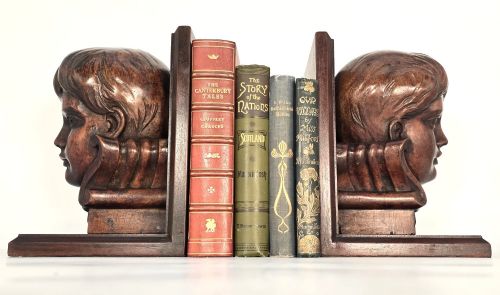
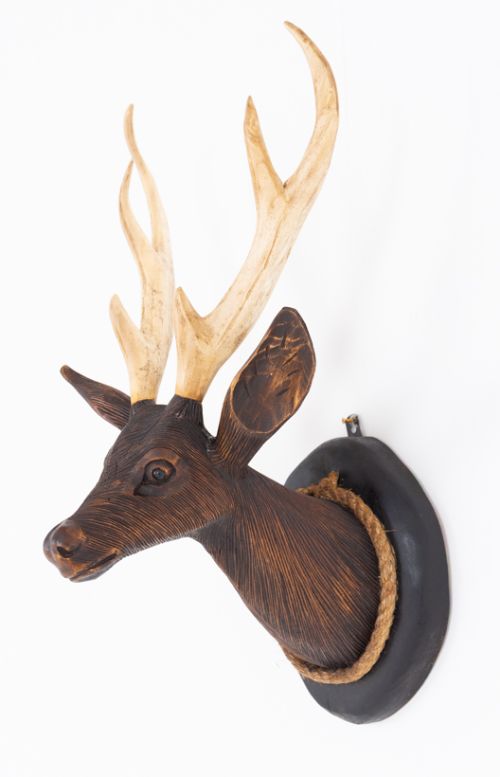
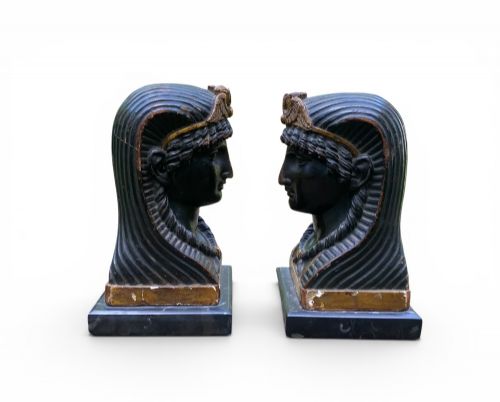
These pieces encompass diverse stylistic movements, including Baroque religious commissions, Black Forest animal carvings, and Art Deco interpretations from international makers. Forms span standalone tabletop sculptures, library bookends, and architectural wall plaques that document centuries of sculptural traditions.
Materials and carving techniques
Makers utilised a variety of timbers suited to fine detail, working in dense hardwoods such as mahogany, walnut, oak, fruitwood, and olive wood. The natural grain of the timber dictates the movement of the piece, often enhanced through historical layers of polychrome paint, gold leaf, or stained finishes.
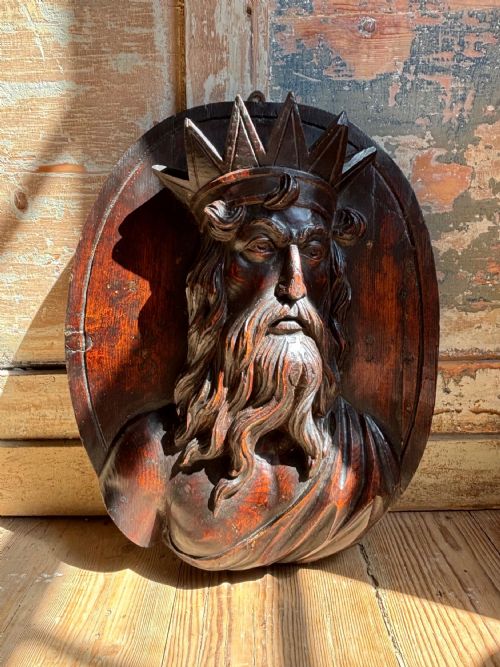
Oliver Cromwell rubs shoulders with African tribal guardians, ecclesiastical bishops, and an Art Deco ibex in the material record.
What distinguishes finer examples
The distinction between ordinary and exceptional carving lies in the anatomical precision and emotional depth achieved in the facial expression. Master carvers capture subtle tension in the muscles and lifelike movement in the eyes and hair, whereas lesser pieces remain stiff and formulaic.
Proportion and the intelligent use of timber grain contribute heavily to the success of a sculpture. Finer examples retain their original surface patination and polychrome details without heavy modern intervention, preserving the integrity of the maker's hand.
George Henry Paulin RBS·Laszlo Hoenig·Louis Sosson·Thomas Hope·Boudewijn Tuerlinckx·V Ramirez
The Carved Wood Bust Glossary
- Polychrome paint
- Decoration applied using multiple colours to wooden sculptures. This technique was frequently utilised on religious figures to simulate lifelike skin tones and rich garments.
- Giltwood
- Timber treated with a thin layer of gold leaf or gold powder. It provides a reflective, ornate surface often found on ecclesiastical pieces and Baroque furnishings.
- Black Forest
- A style of carving originating from the German-Swiss region associated with lifelike animal and human figures. These works often utilise rich walnut and display deep relief work.
- Folk art
- Utilitarian or decorative objects created by self-taught or non-professional makers. These sculptures rely on traditional methods and local materials rather than academic training.
- Écorché
- A figure drawn, painted, or sculpted showing the muscles of the body without skin. This anatomical study aids artists in understanding underlying form.
Carved Wood Bust: Frequently Asked Questions
How do I care for a carved wood bust?
Keep wooden sculptures away from direct heat sources and strong sunlight to prevent the timber from drying out and splitting over time.
Dust the surface gently with a dry, soft brush rather than using wet cloths or polishes that might damage historical finishes.
Are these busts solid wood?
Most pieces are carved from solid blocks of timber, though the specific wood varies from dense hardwoods like mahogany and walnut to softer fruitwoods.
Heavier sculptures often make use of the natural heartwood, while larger architectural elements may be constructed in sections.
How can I tell the age of a carved wood bust?
Examine the tool marks left by the carver, as hand chisels leave distinct irregularities compared to modern machinery. The depth of the patina and the shrinkage of the wood over centuries also offer reliable indicators of age.
Historical paint layers and fastening methods further assist in dating a sculpture to a specific century.
Where were these sculptures displayed historically?
Ecclesiastical busts typically stood in churches or private chapels as objects of devotion, while secular portraits adorned European libraries and drawing rooms.
Grand Tour pieces and decorative plaques were collected by travellers and displayed on pedestals or integrated into country house interiors.