


Carved Portrait Bust
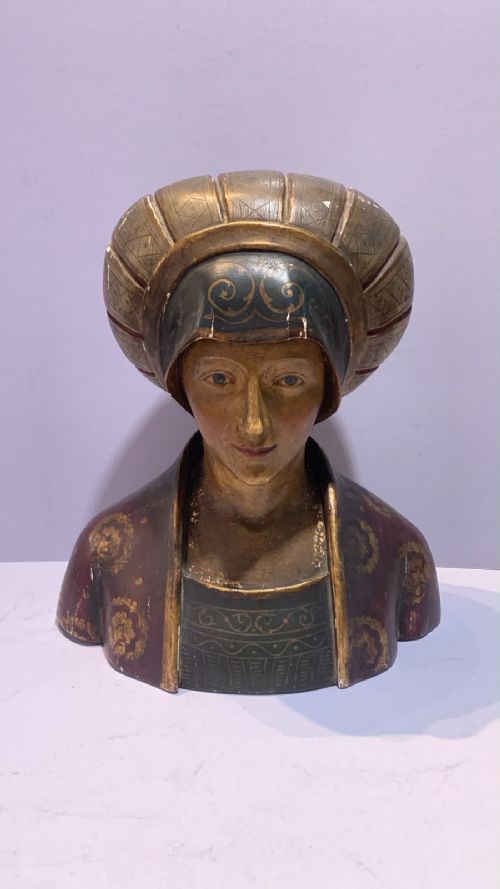
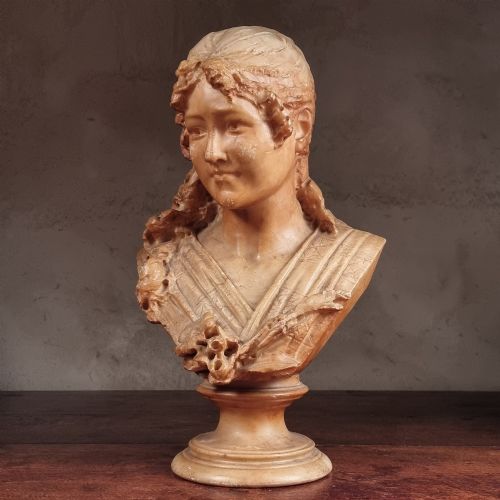
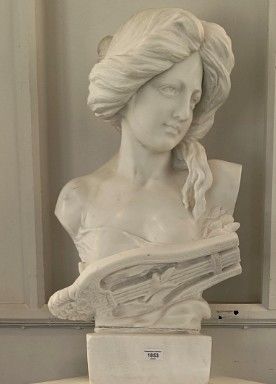
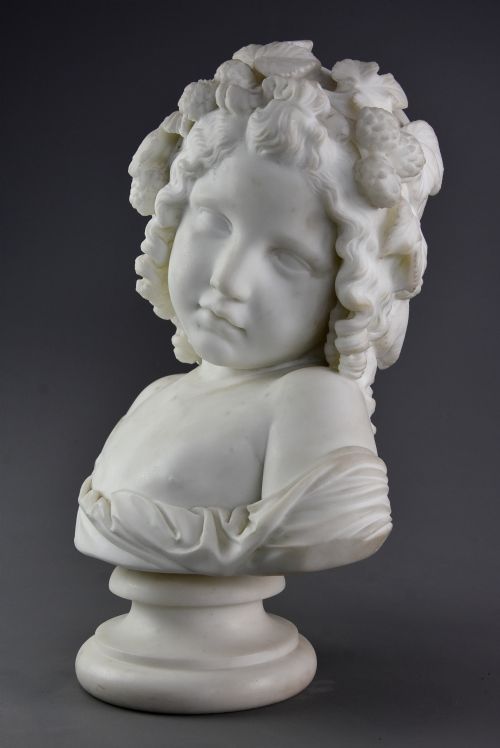
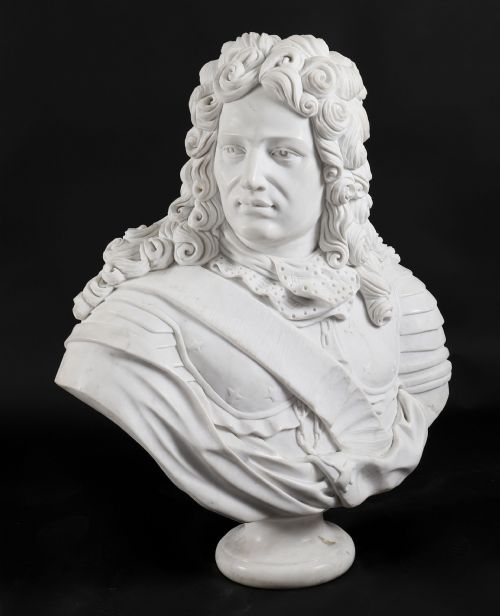
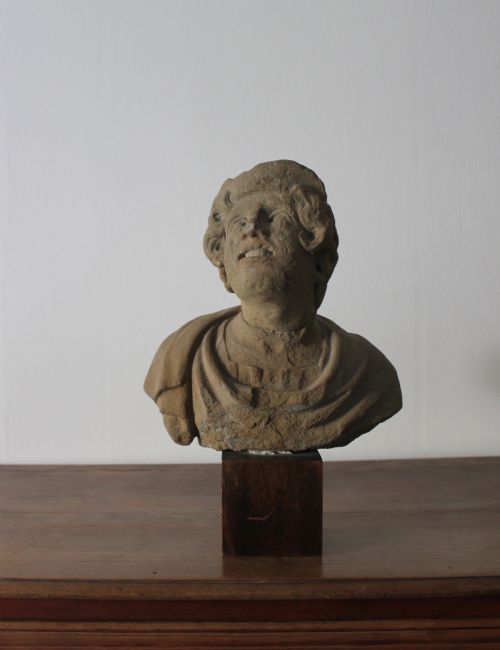
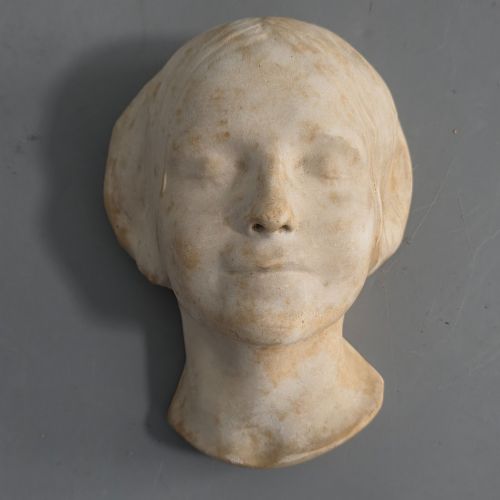
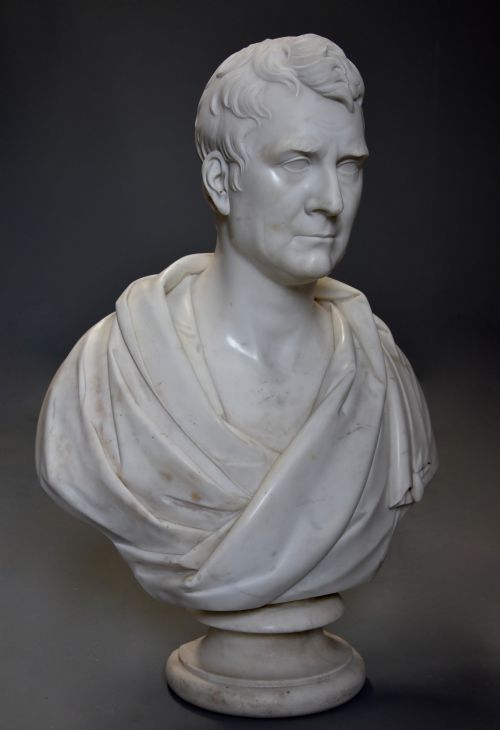
These carved portrait bust examples capture likenesses in marble and wood, offering a tangible link to classical figures and historical figures alike.
What carved portrait bust pieces are
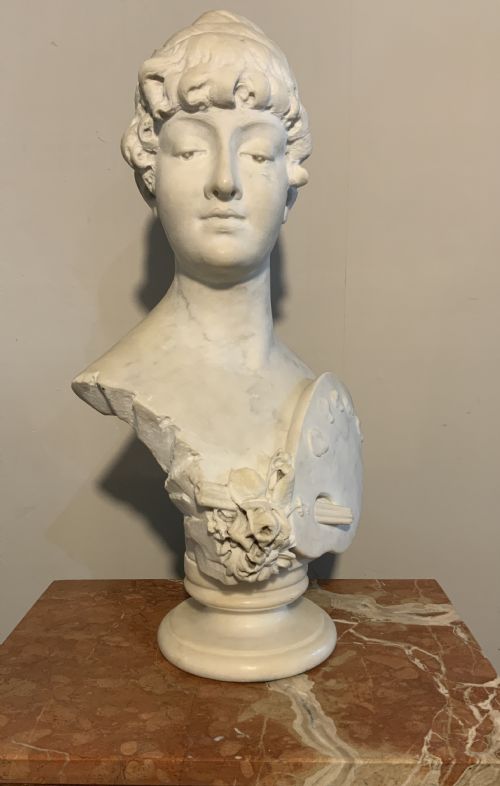
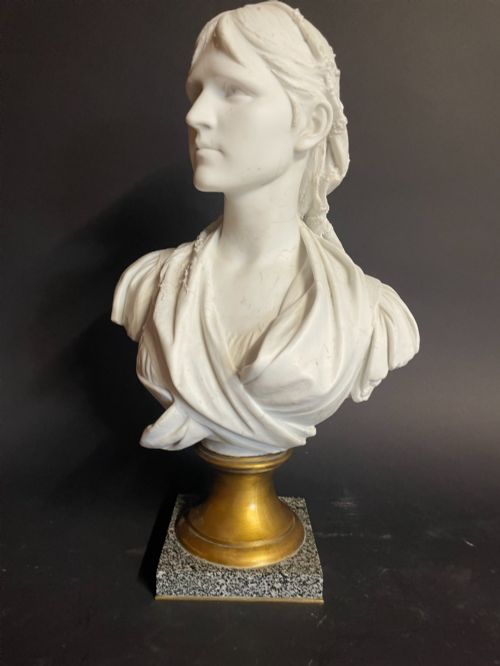
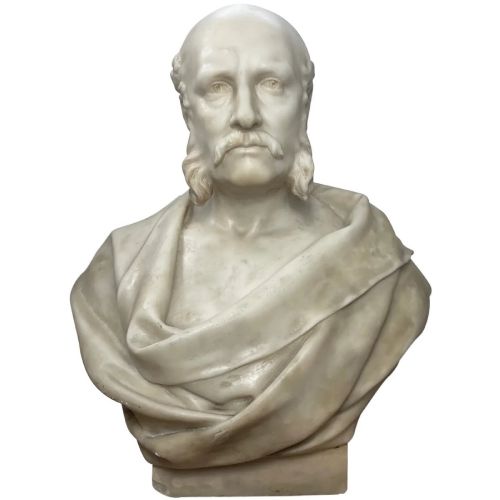
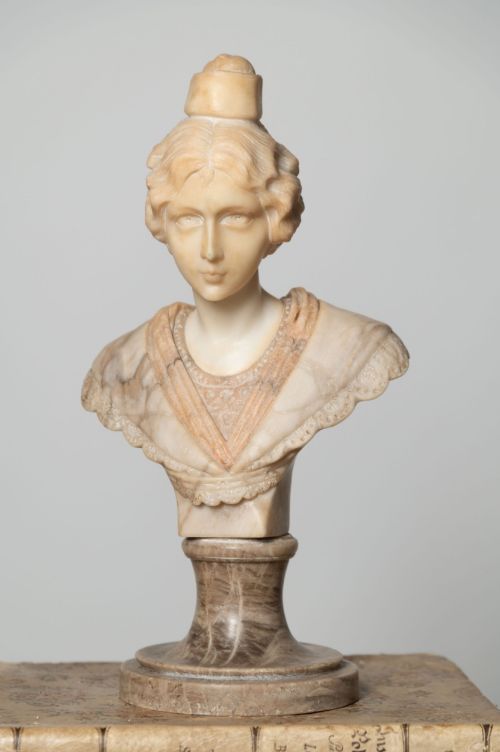
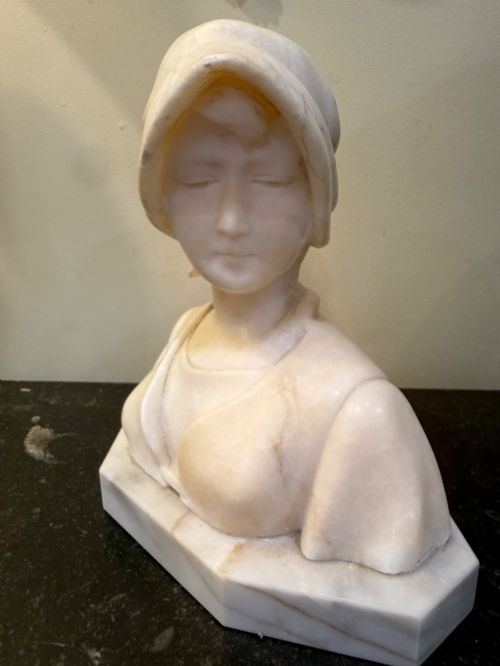
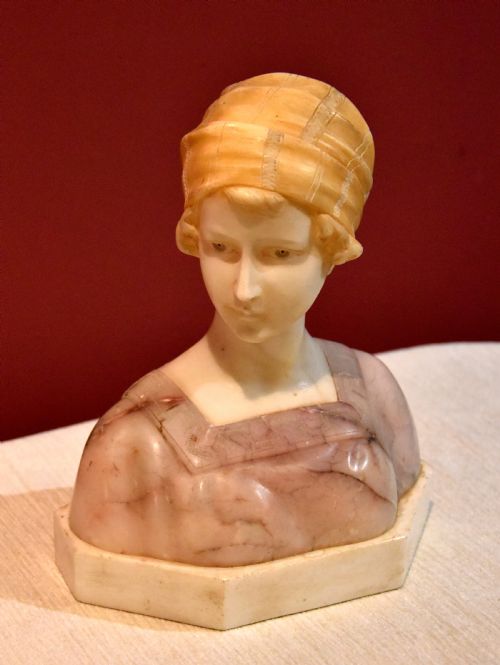
A carved portrait bust captures the head, shoulders, and chest of a specific individual, drawing from neoclassical and classical revival traditions. These sculptures represent historical personalities, classical figures, literary icons such as Dante Alighieri, and anonymous gentlemen or noble ladies.
The evidence shows forms originating across the eighteenth, nineteenth, and early twentieth centuries, including Edwardian pieces. Buyers frequently encounter marble library busts and larger gallery sculptures rendered with considerable attention to facial expression and drapery.
Originating from British and continental workshops, these items serve both as interior display objects and scholarly nods to antiquity. The pieces recorded span straightforward white marble to polychrome painted wood.
How they were made
Makers shaped these sculptures primarily from white marble, Carrara marble, and various woods, occasionally applying polychrome paint to the carved surfaces. Skilled hands chiseled and polished the stone to achieve smooth flesh tones and distinct textural contrasts in hair and fabric.
Retail Price Guide 2026
Typical UK retail prices for carved portrait bust, calculated from the Sellingantiques database of over a million retail prices indexed since 2003. This retail price guide relies exclusively on Sellingantiques data; no external sources or auction records are used, so the figures do not describe the wider market.
Current listings feature pieces spanning the eighteenth century, nineteenth century, nineteen hundred, and the Edwardian period.
What varies in quality
The refinement of facial expression and the natural drape of garments distinguish superior carving from simpler execution. Master carvers capture subtle psychological depth and anatomical accuracy, whereas lesser pieces can appear stiff or formulaic.
Material selection also dictates distinction, with fine Carrara marble commanding greater visual presence than standard stone. The crispness of detail in the hair and the handling of underlying bone structure reveal the carver's capability.
The Carved Portrait Bust Glossary
- Carrara marble
- A type of white or blue-grey marble quarried in the city of Carrara in Tuscany, widely utilised for classical sculpture. It is prized for its fine grain and consistent texture.
- Neoclassical
- A Western cultural movement drawing inspiration from the art and culture of classical antiquity. This style emphasises austere dignity, heroic subjects, and clean lines.
- Classical revival
- The recurrent tendency in architecture and the arts to adopt the forms of ancient Greece and Rome. This movement informs the poses and drapery seen on nineteenth-century pieces.
- Library bust
- A smaller-scale portrait sculpture intended for domestic display on bookshelves or mantelpieces. These pieces often depict literary figures or philosophers.
Frequently Asked Questions
What periods do these busts come from?
The available selection spans the eighteenth century through the Edwardian era, with strong representation from the nineteenth century.
Pieces range from seventeen seventy wood carvings to early twentieth-century library sculptures.
Which materials were used for carving?
Sculptors utilised various marbles, including Carrara marble and general white marble, alongside wood enhanced with polychrome paint.
These materials reflect the prevailing sculptural traditions of their respective periods.
Who do these portrait busts depict?
Subjects include Roman emperors like Augustus, literary figures such as Dante Alighieri, noble ladies, and anonymous gentlemen.
Some pieces also reference earlier master painters through carved interpretations.
How do I display a bust at home?
Library busts suit bookshelves, desks, and smaller tables, while larger marble sculptures require sturdy pedestals or sideboards.
Ensure the placement supports the substantial weight of stone or wood.
What defines the neoclassical style here?
Neoclassical pieces draw directly from ancient Greek and Roman aesthetic ideals, featuring calm expressions and classical drapery.
This style seeks to emulate the perceived nobility of antiquity.