

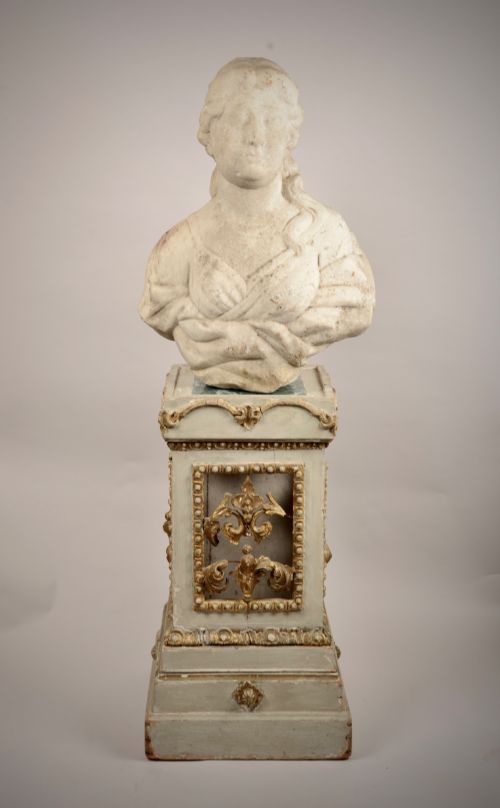

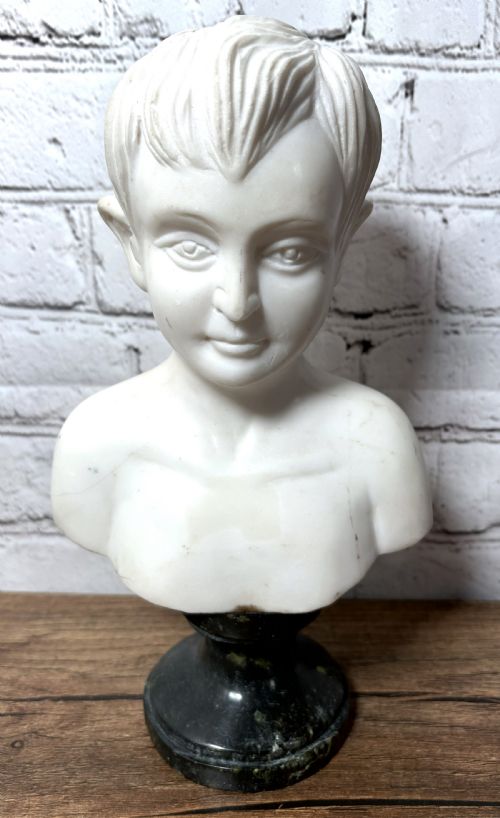


Grand Tour Marble Bust
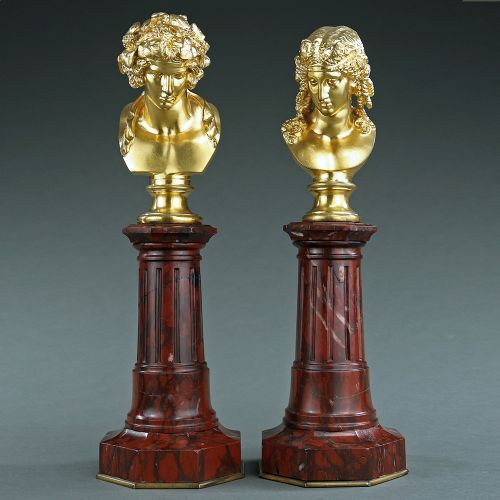
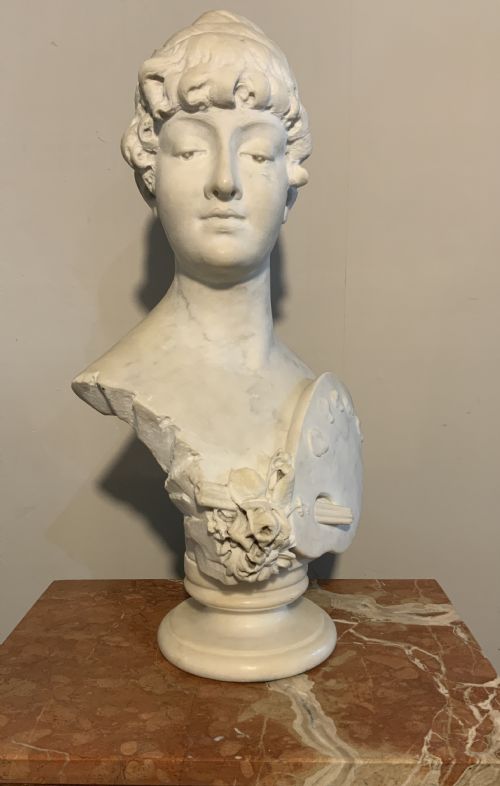
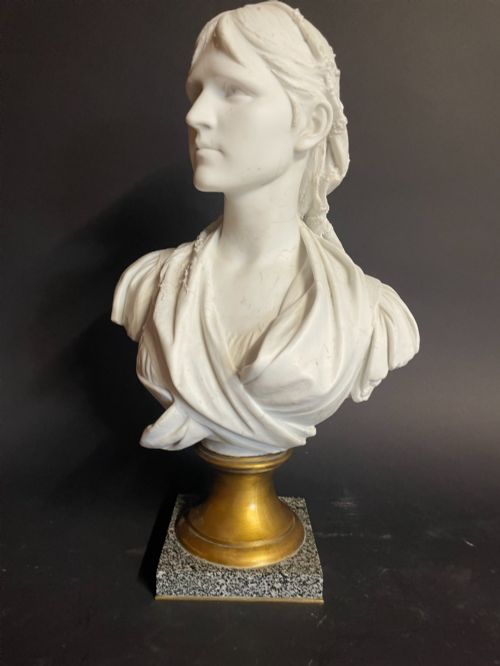
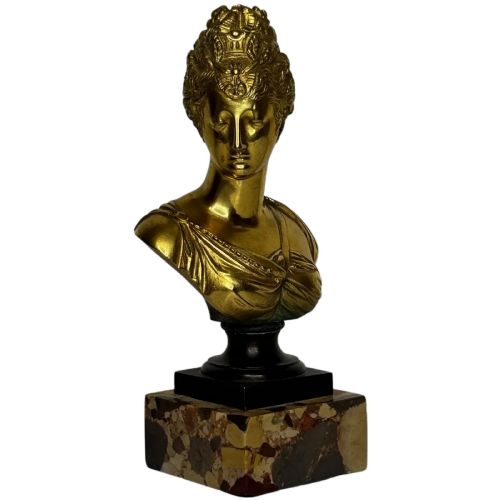
A grand tour marble bust brings the classical past into a room, offering the sculpted likeness of a Roman emperor, philosopher or mythological figure.
Grand Tour Marble Bust
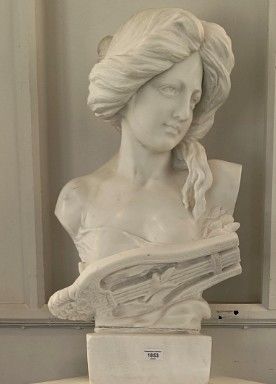
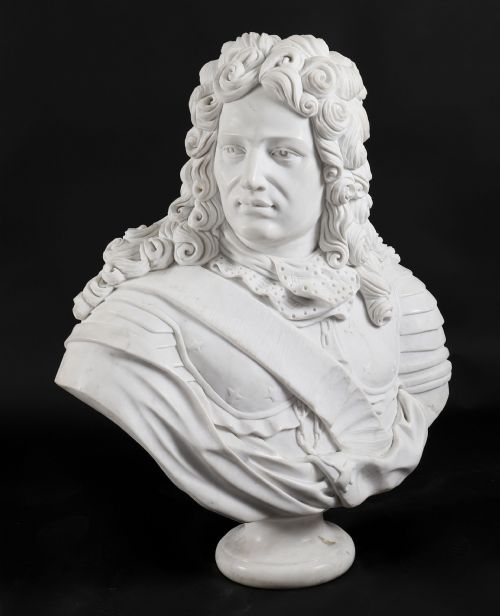
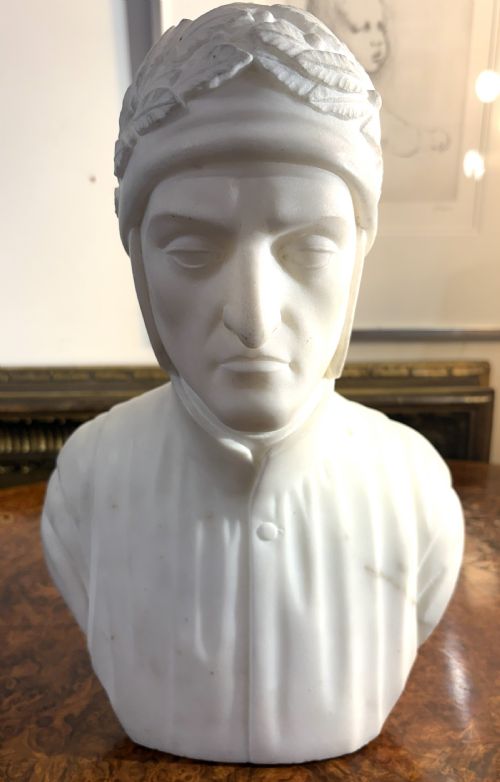
A grand tour marble bust represents classical antiquity, depicting figures such as Roman emperors, philosophers, poets and mythological subjects like Diana or Dante Alighieri. These pieces emerged as souvenirs for travellers journeying through Italy during the seventeenth, eighteenth and nineteenth centuries to study classical art.
Most examples found in these listings date from the nineteenth century, executed in white or Carrara marble, often mounted upon contrasting black marble plinths or pedestals. The forms range from library-sized busts to profile plaques and full relief portraits.
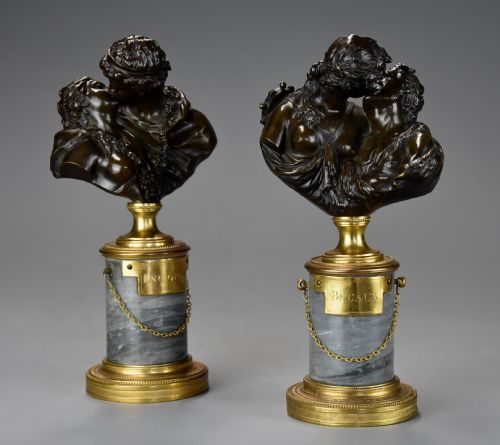
The subjects draw directly from ancient Greek and Roman sculpture, translated by Italian workshops into portable formats for European and British collectors. Alongside marble, related variations incorporate bronze and gilt bronze materials.
How they were made
The primary material is marble, predominantly white or Carrara varieties, paired frequently with bronze or gilt bronze elements for shoulders, armour and plinths. Scagliola appears on pedestals, imitating solid stone through pigmented plaster and glue mixtures.
Carving involved hand chiselling and polishing to achieve smooth skin textures and detailed drapery, echoing ancient originals. Bronze components were cast using traditional lost-wax methods before undergoing patination to simulate aged metal.
Grand Tour Marble Bust Retail Price Guide 2026
Typical asking prices for grand tour marble bust among the pieces listed under this phrase on Sellingantiques today, from the lower quarter to the upper quarter. They describe what is for sale here now, not the wider market.
Hypnos, the ancient Greek god of sleep, quietly watches over rooms from his verdigris bronze study.
What varies in quality
The choice and integration of materials also set pieces apart, such as the quality of the marble grain, the richness of the bronze patination, and the solidity of the supporting plinth or column.
R Mattei·Richard Aurili·Jean Antoine Houdon
The Grand Tour Marble Bust Glossary
- Grand Tour
- A traditional journey of Europe undertaken by upper-class European young men of means in the seventeenth to nineteenth centuries to flourish their cultural education. Objects acquired during this travel often form the basis of these collections.
- Carrara marble
- A type of white or blue-grey marble from the city of Carrara in Tuscany, widely used for classical sculpture since ancient Roman times.
- Patination
- The natural or artificially induced ageing on the surface of bronze, creating a distinct colour and sheen over the metal. This finish indicates the handling and exposure of the bronze over decades.
- Scagliola
- A composite material made from pigmented selenite, glue and traditional dyes, applied to imitate marble and other hard stones on architectural elements and pedestals.
- Neoclassical
- A Western cultural movement in the decorative and visual arts inspired by the classical art and culture of ancient Greece and Rome, dominant during the eighteenth and nineteenth centuries.
Grand Tour Marble Bust: Frequently Asked Questions
What is a grand tour marble bust?
A grand tour marble bust is a classical sculpture carved in Italy during the eighteenth or nineteenth century as a souvenir for travellers exploring classical antiquities.
These pieces typically depict Roman emperors, Greek philosophers or mythological figures, serving as scholarly and decorative ornaments for libraries and drawing rooms.
How do I identify the subject?
Subjects are usually identified by inscriptions on the plinth, distinctive attributes like armour or laurel wreaths, or close stylistic parallels to known antique sculptures.
Figures such as Dante, Caesar, and various mythological deities carry specific facial characteristics and headwear that link them to historical or literary sources.
Where should I display a marble bust?
These busts suit stable, level surfaces such as strong mantelpieces, dedicated library shelves, or separate stone and scagliola pedestals.
Keep them away from direct heat sources and sudden temperature fluctuations to protect the integrity of the stone and any associated bronze or wooden elements.
How do I clean an antique marble bust?
Dust the surface regularly with a soft, dry, lint-free cloth to prevent particulate build-up in the carved recesses of the hair and drapery.
Avoid using water, household cleaners or abrasive cloths, as these can strip historical patination or etch the polished marble surface.