

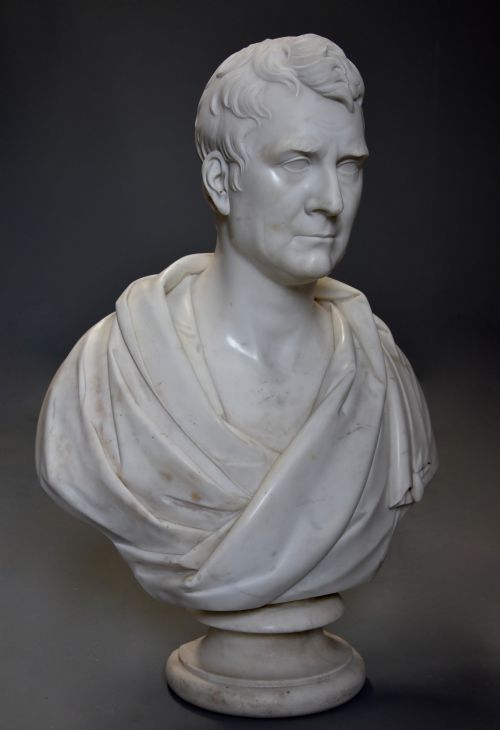
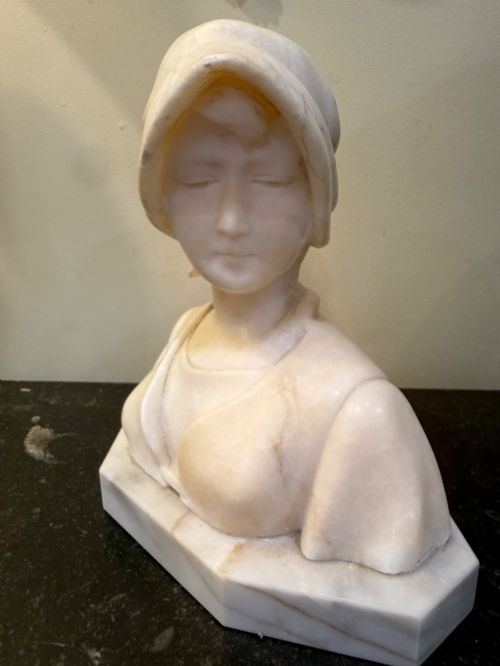
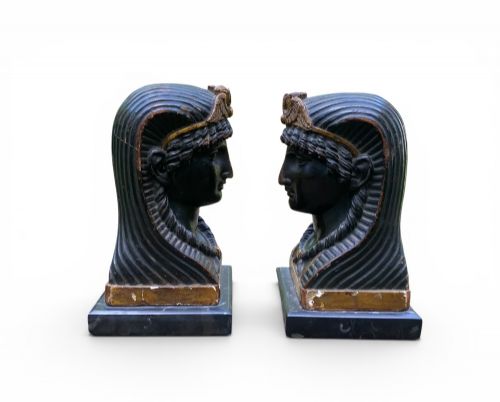
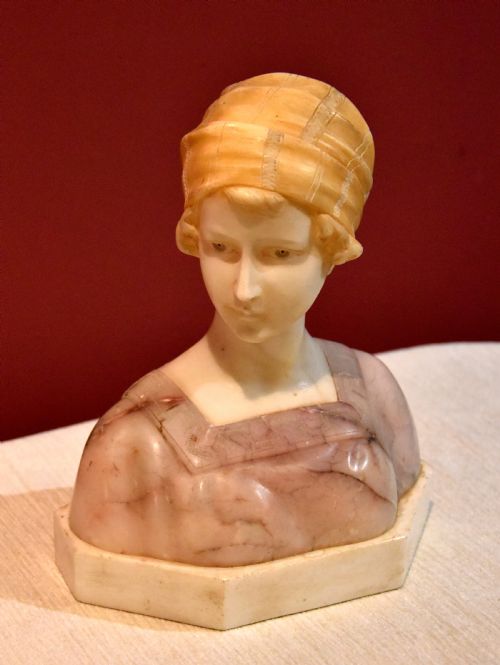
Antique Marble Head Sculpture
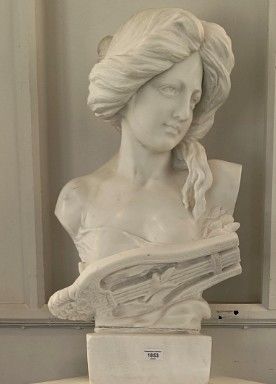
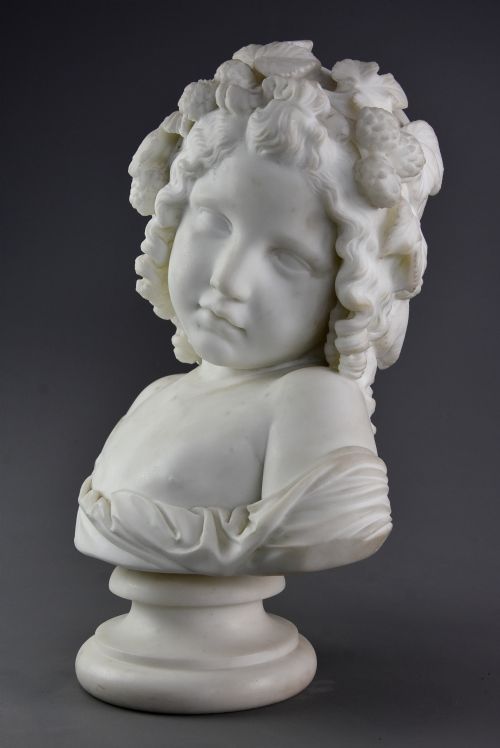
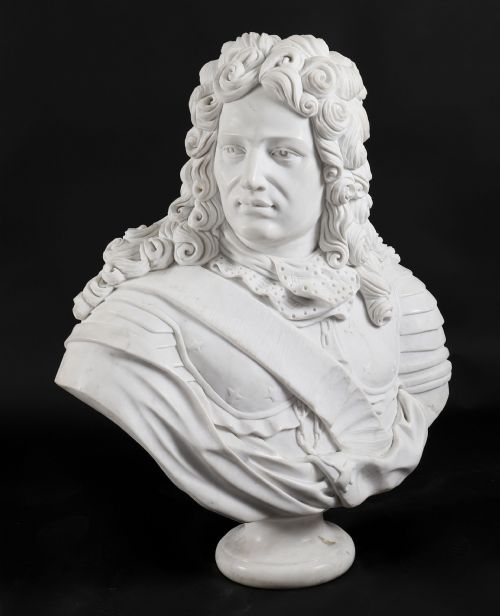
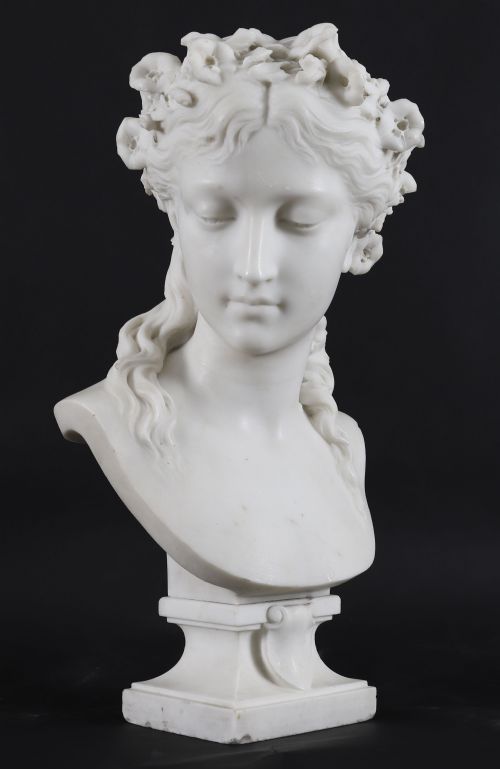
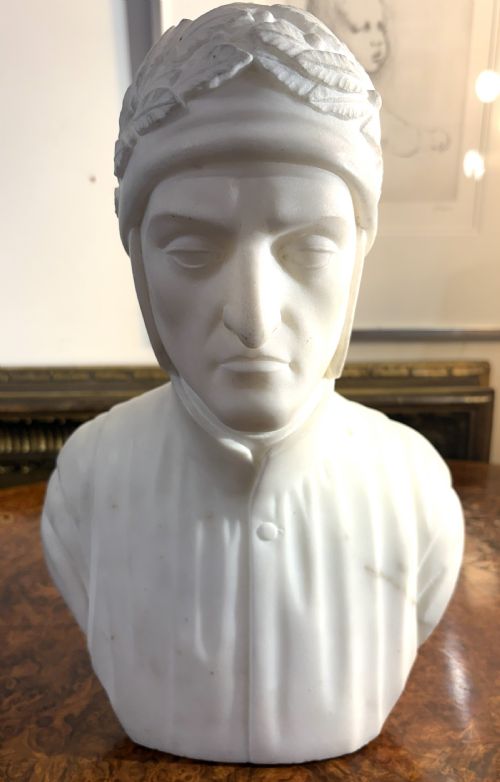
An antique marble head sculpture brings classical dignity into a room, capturing the likeness of historical figures, literary icons and mythological deities in carved stone.
Antique Marble Head Sculpture
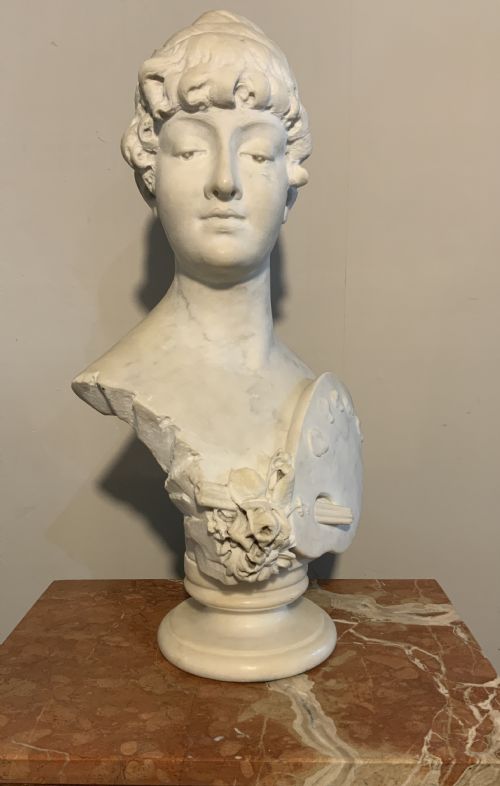
When buyers search for an antique marble head sculpture, they encounter portrait busts, library busts and classical figures spanning from the seventeenth century through to the early twentieth century. The nineteenth century yields the highest concentration of these pieces, heavily influenced by Neoclassical tastes and Grand Tour travels across Italy.
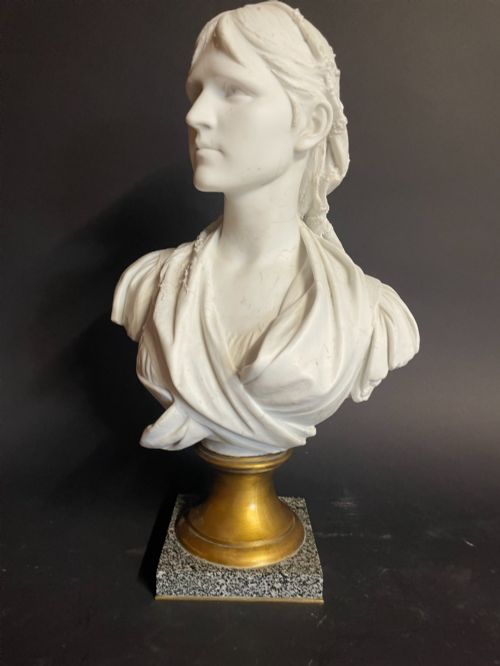
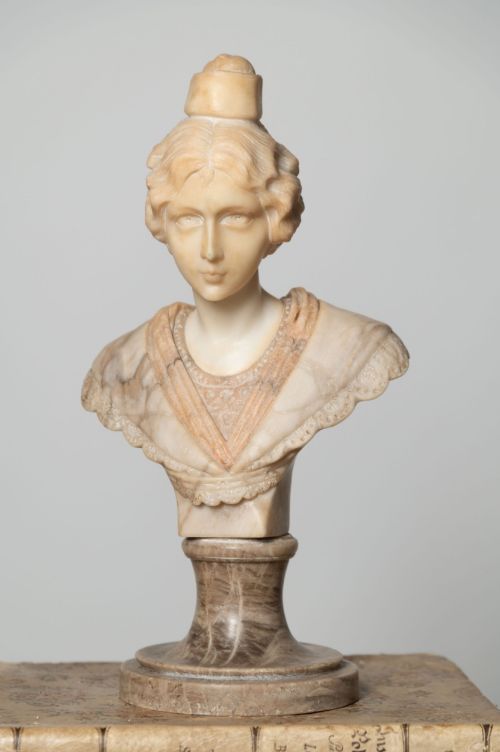
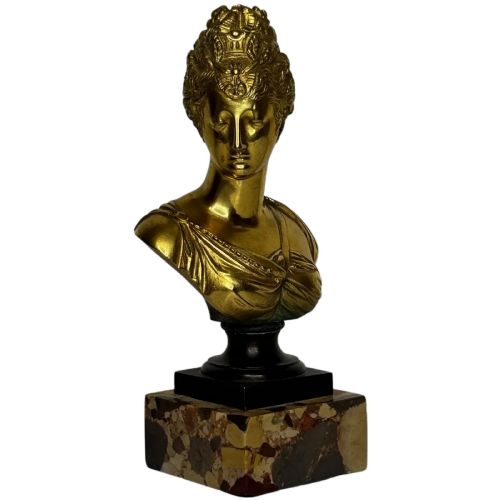
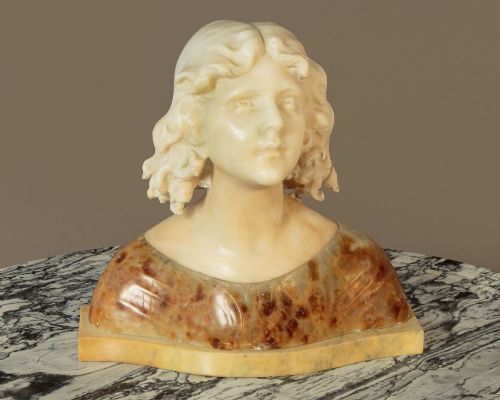
Subjects range from Roman emperors and mythological figures such as Diana and Apollo to contemporary nineteenth-century politicians, poets and anonymous young ladies. These works often combine white or Carrara marble with contrasting coloured bases like Vert de Mer, or integrate bronze and alabaster elements.
Most examples originate from British, French and Italian workshops, reflecting the widespread European appetite for classical revival and portraiture during the Victorian and Edwardian eras.
Materials and carving techniques
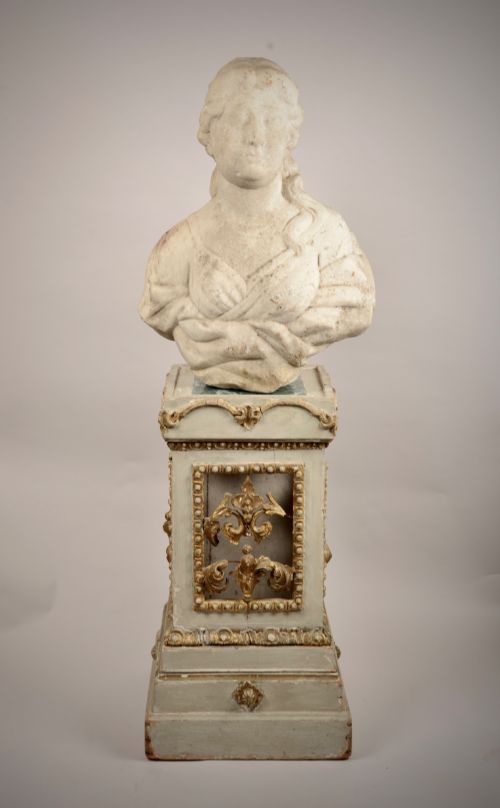
Carving relies predominantly on Carrara marble, white marble and alabaster, shaped through traditional hand-chisingling and polishing techniques. Artisans also incorporated patinated bronze, ormolu and gilt bronze, frequently mounting stone portrait heads upon integrated marble or bronze plinths.
Many nineteenth-century pieces reproduce ancient classical models or derive from direct sculpture commissions, requiring precise measurements taken from live sitters or ancient statues. Finer details, such as veiled drapery, hair texture and facial expressions, demonstrate the high level of technical skill possessed by European lapidaries and sculptors.
Materials documented across the inventory include Carrara marble, alabaster, patinated bronze, ormolu and mixed stones.
Distinguishing the finer examples
Quality rests in the sensitivity of the carving and the life present in the subject's expression, particularly in the rendering of eyes, hair and drapery. Master carvers achieve subtle translucency in marble and realistic textures that lesser artisans miss.
Signature and provenance elevate a piece significantly. Works bearing the signatures of known nineteenth-century sculptors or originating from notable collections carry greater authority than anonymous workshop productions.
Eugene Aizelin·John Francis·George Minne·Alajos Strobl
The Antique Marble Head Sculpture Glossary
- Carrara marble
- A fine-grained white or blue-grey stone quarried in Tuscany, prized by sculptors for its uniform texture and subtle translucency.
- Grand Tour
- A traditional trip through Europe undertaken by upper-class young men in the eighteenth and nineteenth centuries, resulting in the acquisition of souvenirs like bronze and marble busts.
- Neoclassical
- A Western cultural movement drawing inspiration from the art and culture of classical antiquity, dominant during the eighteenth and nineteenth centuries.
- Alabaster
- A fine-grained, translucent mineral often used for nineteenth-century portrait busts due to its soft warmth compared to harder marbles.
Antique Marble Head Sculpture: Frequently Asked Questions
What subjects do these marble heads depict?
The sculptures portray a wide array of subjects, ranging from Roman emperors and Greek deities to nineteenth-century politicians, poets and literary figures like Dante.
Artists also frequently sculpted idealized studies of young women, children and historical personalities derived from classical mythology.
How were these sculptures displayed originally?
In nineteenth-century homes, library busts and portrait sculptures stood upon mantelpieces, specialised pedestals, or dedicated wooden library bookshelves.
They served as symbols of intellectual pursuit, classical learning and refined taste within domestic interior decoration.
How do I care for antique marble?
Marble requires gentle dusting with a dry, soft cloth to prevent particulate buildup on porous stone surfaces.
Harsh chemical cleaners, water and abrasive materials must be avoided entirely to preserve the original polish and patina.
How can I tell a Grand Tour piece apart?
Grand Tour pieces are typically smaller reductions of famous ancient Roman or Greek sculptures, acquired by travellers visiting Italy.
They often feature patinated bronze or specific regional marbles, serving as portable educational souvenirs of classical antiquity.