
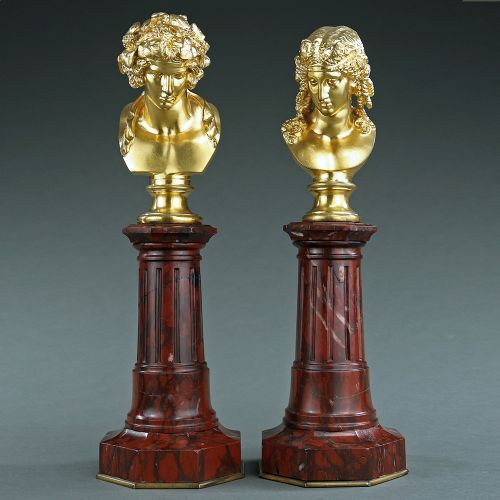
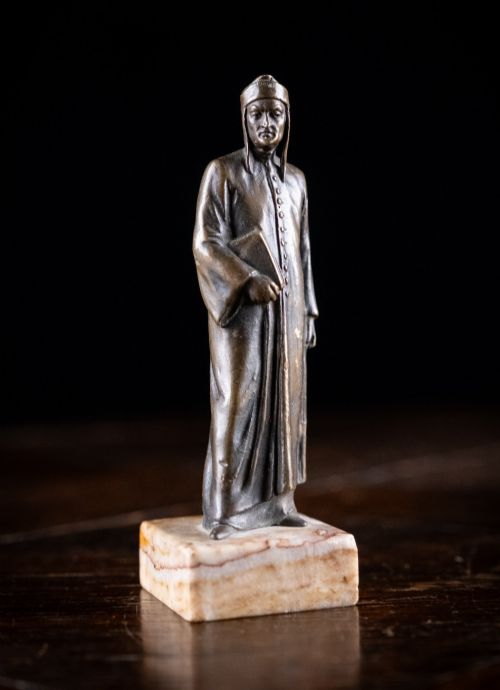
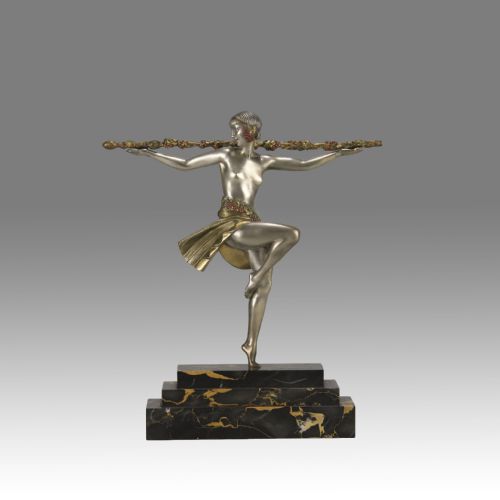
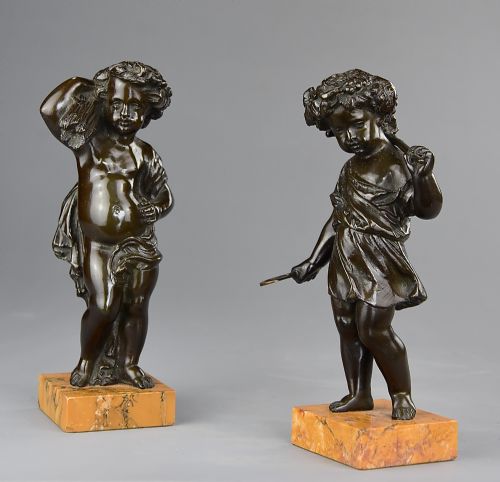
Classical Marble Figurine
A classical marble figurine brings ancient mythology and grand tour ideals into domestic rooms through carved stone.
Classical Marble Figurine
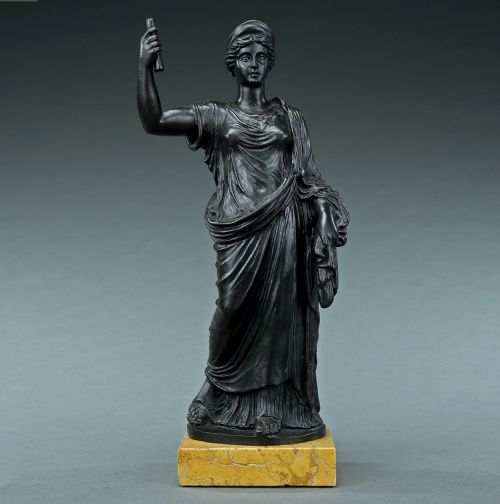
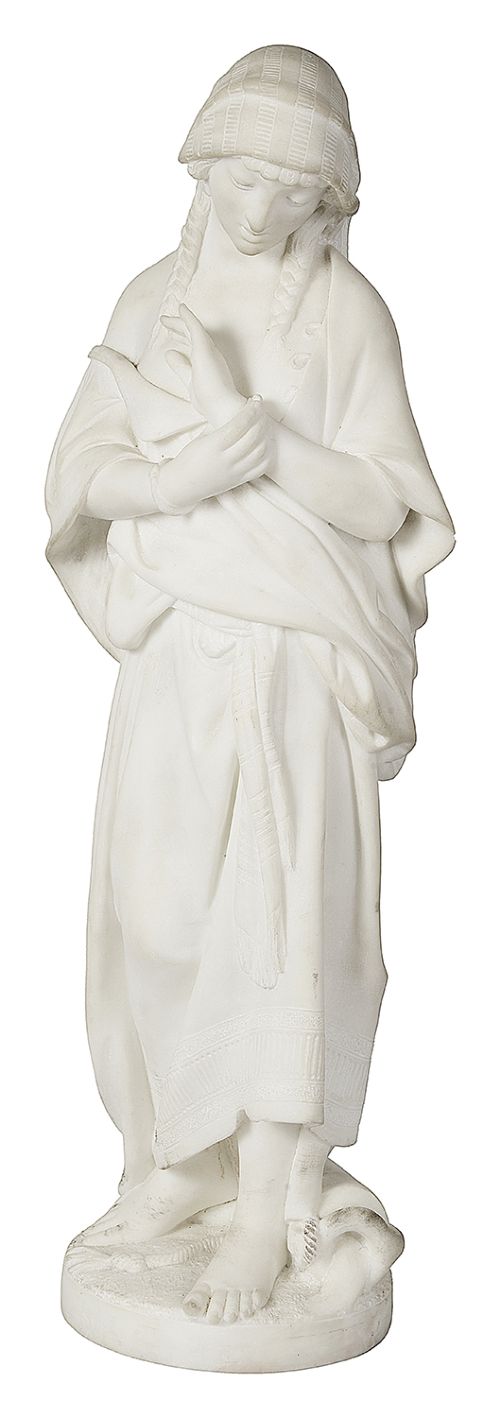
A classical marble figurine represents mythological figures, historical subjects, and literary characters carved from stone during the nineteenth century. Buyers seek these pieces to bring traditional sculptural forms and antique proportions into domestic interiors.
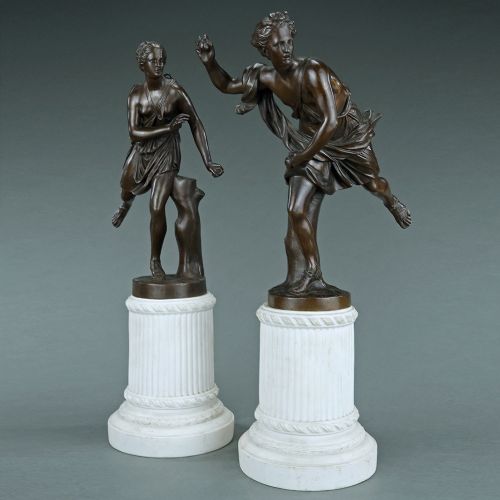
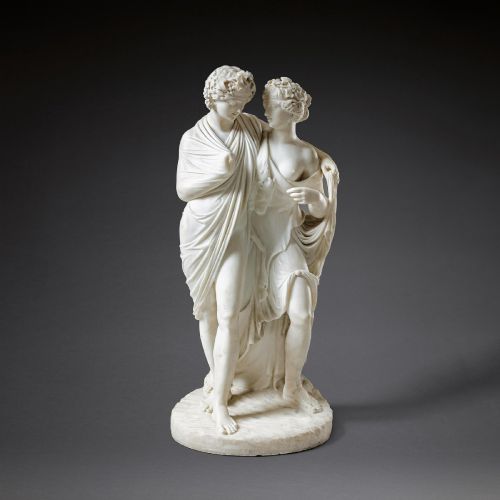
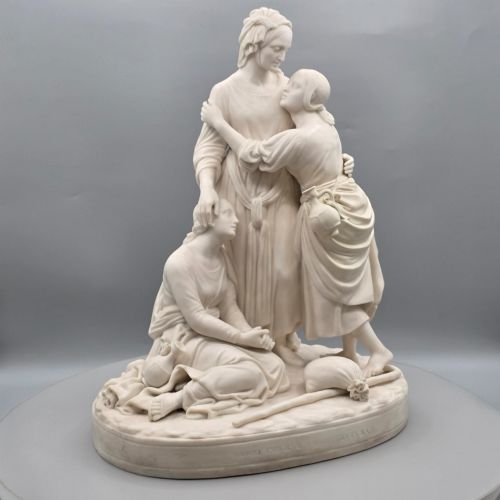
The selections on this page span British and continental European workshops, frequently taking the form of library busts, full-length statues, and allegorical groups. Many pieces reflect the enduring influence of the Grand Tour and classical antiquity upon nineteenth-century European taste.
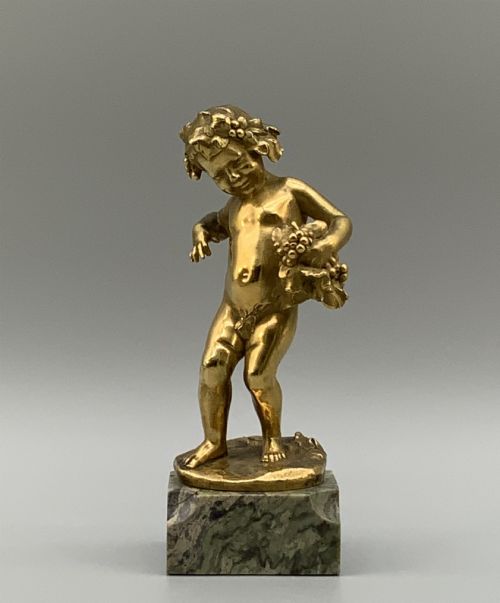
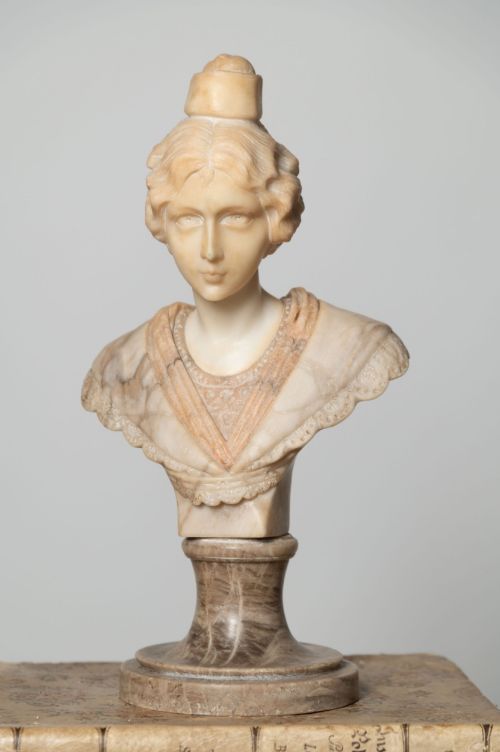
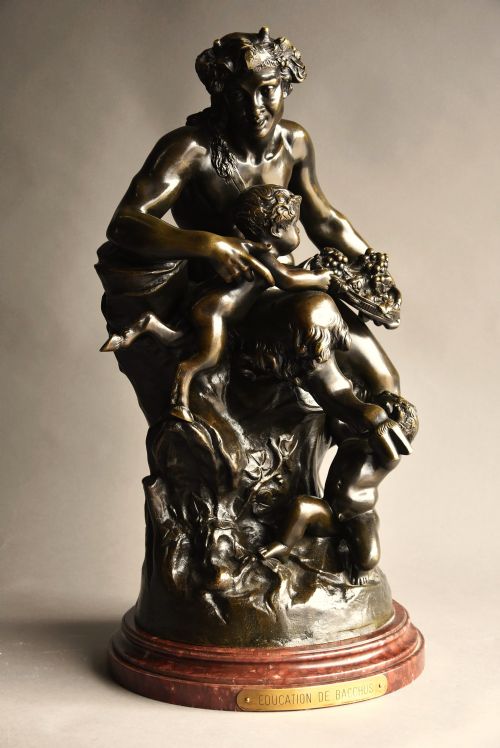
Subjects range from classical deities like Bacchus and Venus to portrait studies of young girls and literary heroes. These sculptures vary from small mantel ornaments to monumental carved groups mounted on contrasting marble plinths.
Materials and Techniques
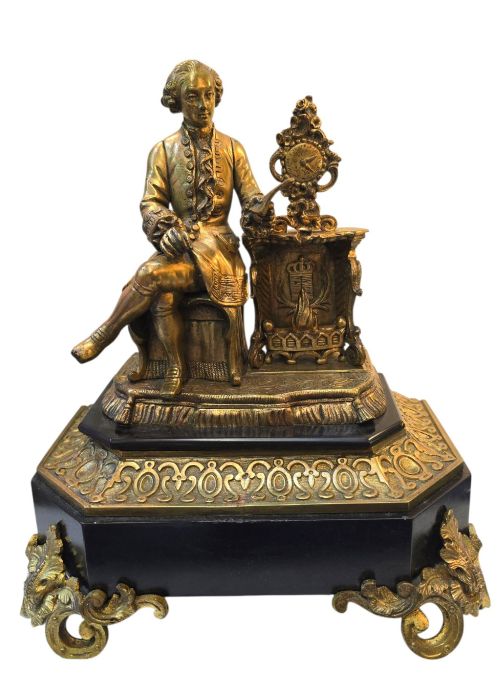
Carvers shaped these figures from Carrara marble, white marble, and alabaster, frequently utilising specialised chisels and rasps to achieve smooth flesh tones and textured drapery. Many pieces incorporate mounted elements of gilt bronze, ormolu, or Siena marble to provide colourful architectural bases.
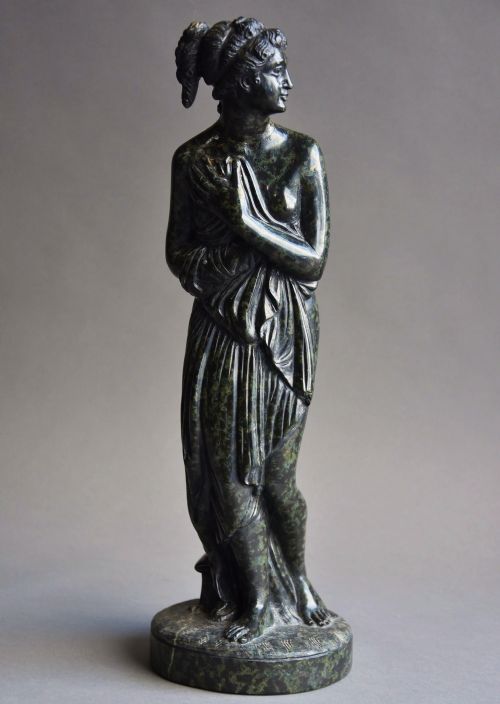
Workshops relied on the tradition of copying antique prototypes or interpreting compositions by celebrated sculptors such as Antonio Canova. Surface finishing involved meticulous polishing by hand to create the soft lustre characteristic of nineteenth-century stonework.
Classical Marble Figurine Retail Price Guide 2026
Typical asking prices for classical marble figurine among the pieces listed under this phrase on Sellingantiques today, from the lower quarter to the upper quarter. They describe what is for sale here now, not the wider market.
Listings feature materials spanning Carrara marble, alabaster, bronze, and gilt bronze, often mounted upon contrasting Siena marble plinths.
Assessing Quality and Execution
Quality rests upon the precision of the carving, particularly in the rendering of facial expressions, hair strands, and flowing drapery. Superior pieces demonstrate anatomical accuracy and crisp detail that remain faithful to classical prototypes.
The selection of the stone itself dictates visual impact, with flawless white marble or finely figured alabaster commanding greater regard. Furthermore, the integration of original patinated bronze mounts or inscribed marble plinths elevates the status of the sculpture.
Charles Louis Malric·Susse Freres·Barbedienne·Carlo Albacini·Pierre le Faguays·Barranti·Antonio Canova·Fritz Kochendorfer
The Classical Marble Figurine Glossary
- Carrara marble
- A type of white or blue-grey marble from the city of Carrara in Tuscany, widely used for neoclassical sculpture. This stone provides a uniform texture favoured by nineteenth-century carvers.
- Grand Tour
- A traditional trip through Europe undertaken by upper-class European young men of the eighteenth and nineteenth centuries to study classical art. Travellers acquired small marble and bronze sculptures as souvenirs of their journey.
- Alabaster
- A fine-grained mineral stone, often white and semi-translucent, utilised for carving figurative sculptures and lamps. It absorbs light differently than marble, giving figures a soft appearance.
- Ormolu
- Gilt bronze ornamentation applied to furniture, clocks, and the bases of sculptures. The technique involves coating bronze objects in a mercury and gold amalgam.
- Neoclassical
- A Western cultural movement drawing inspiration from the art and culture of classical antiquity. This style dominated European sculpture and architecture during the eighteenth and nineteenth centuries.
Classical Marble Figurine: Frequently Asked Questions
What periods do these marble figurines come from?
The pieces on this page originate primarily from the nineteenth century, extending from the middle decades through the turn of the twentieth century. This era saw a strong revival of interest in classical antiquity and mythological subjects.
Craftsmen and studios throughout Europe produced these carved stone sculptures to satisfy the demands of collectors influenced by the Grand Tour tradition.
How were these marble sculptures displayed originally?
Owners placed these figurines upon library mantelpieces, architectural pedestals, and dedicated wooden tables within formal nineteenth-century drawing rooms. They served as conversation pieces that demonstrated the owner's classical learning and refined taste.
Many smaller figures incorporated contrasting plinths of Siena marble or gilt bronze mounts to elevate their visual presence on interior surfaces.
How do I care for a marble figurine?
Dust the carved surfaces gently with a soft, dry cloth to prevent the accumulation of particles within the crevices of the stone. Avoid chemical cleaners and excessive moisture, which can damage the polished finish of nineteenth-century marble and alabaster.
Position the sculpture away from direct sunlight and sudden temperature fluctuations to preserve the integrity of the material.
Are these pieces copies of ancient art?
Many nineteenth-century sculptures draw direct inspiration from famous classical statues discovered during archaeological excavations or housed in European museums. Sculptors interpreted these antique prototypes through contemporary nineteenth-century techniques and materials.
Attributions in titles often reference original masters such as Antonio Canova to denote the stylistic lineage of the composition.