



Neoclassical Library Sculpture
These neoclassical library sculpture pieces bring classical intellect and antiquity into a room, offering timeless figures for study and display.
Neoclassical Library Sculpture
A neoclassical library sculpture brings classical antiquity into private rooms through representations of ancient deities, philosophers, authors, and historical figures. These pieces draw heavily upon Grand Tour traditions, translating classical monuments into scholarly ornaments intended for domestic display.
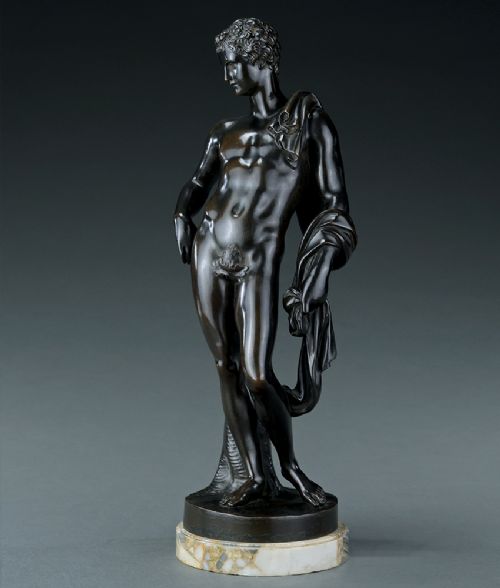
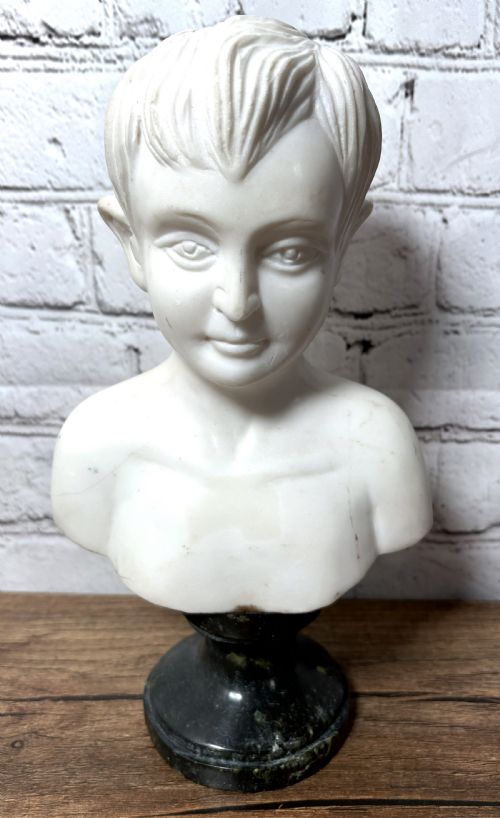
Buyers encountering this selection will most frequently find bronze and marble figures dating from the nineteenth century, including Edwardian examples. Forms range from full-length seated animals and resting figures to classical busts mounted on brackets or plinths.
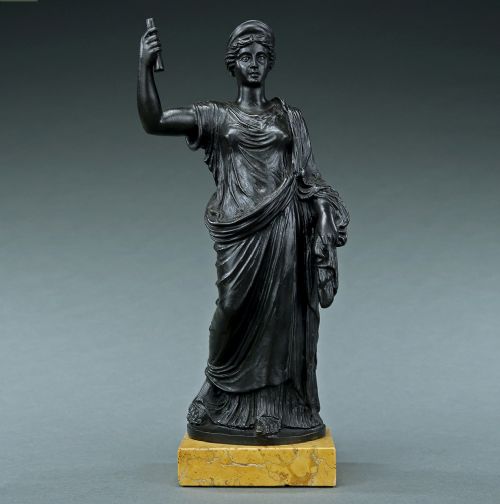
The aesthetic is rooted firmly in neoclassical style, encompassing French Restauration influences alongside British interpretations. Subjects span from mythological deities like Juno to literary and philosophical giants such as Homer, Walter Scott, Voltaire, and Rousseau.
Materials and construction methods
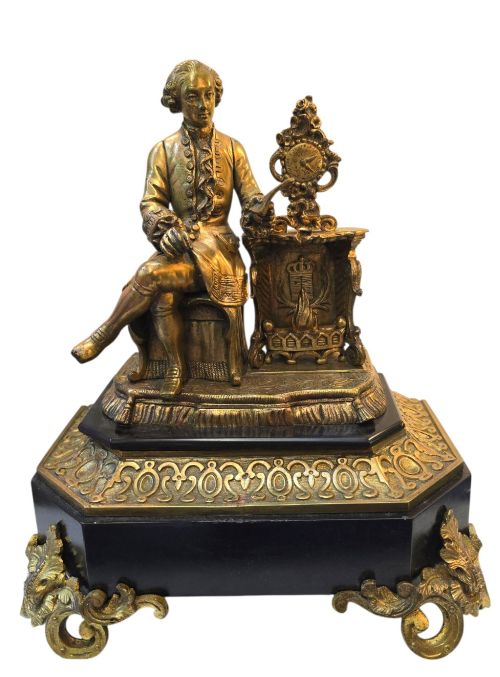
The pieces rely upon durable materials such as bronze, white marble, and plaster, often finished with patination, gesso, or ormolu highlights. Bronze and gilt bronze provide a heavy, metallic presence, while stone and marble offer a cooler, carved texture.
Casting techniques dictate the metallic works, resulting in well-cast seated lions and figural bronzes with patinated surfaces. Plaster busts utilise moulding processes to capture fine facial details of classical subjects, frequently paired with wall brackets or pedestals.
Neoclassical Library Sculpture Retail Price Guide 2026
Typical asking prices for neoclassical library sculpture among the pieces listed under this phrase on Sellingantiques today, from the lower quarter to the upper quarter. They describe what is for sale here now, not the wider market.
Several philosophers and emperors stare sternly from library brackets, keeping a watchful eye on domestic quiet.
Distinctions in quality
The depth and nuance of the surface finish further separate the finest examples from standard pieces. A sophisticated patina or well-preserved ormolu accent adds optical richness, whereas simpler finishes lack the same visual dimension.
Pierre-Augustin Caron de Beaumarchais
The Neoclassical Library Sculpture Glossary
- Grand Tour
- A cultural journey undertaken by wealthy young Europeans to study classical antiquities, inspiring the production of souvenir bronzes and small sculptures. These scaled-down replicas allowed collectors to bring classical art back to their home libraries.
- Patinated Bronze
- Bronze treated with chemical solutions to produce a specific surface colour and texture. This process protects the metal while enhancing the visual depth of the sculpture.
- Ormolu
- Finely ground high-carat gold applied to a bronze base using a mercury-gilding process. It provides a brilliant golden finish common on decorative mounts and highlights.
- Gesso
- A plaster-like mixture used as a base for painting or moulding fine details on plaster sculptures and brackets. It creates a smooth surface for subsequent finishing.
Neoclassical Library Sculpture: Frequently Asked Questions
What is a neoclassical library sculpture?
These works are small-scale representations of classical figures, philosophers, and animals designed for study rooms and libraries.
They draw on ancient Greco-Roman aesthetics to create scholarly ornaments for the home.
How were these sculptures used?
Nineteenth-century collectors placed these figures on bookshelves, desks, and brackets to signal classical learning and taste.
They served both as decorative objects and as tangible connections to ancient history and literature.
What materials are common?
The pieces utilise bronze, marble, and plaster as primary mediums, often enhanced by patination or gilt accents.
These materials allowed workshops to produce both durable metallic casts and detailed carved or moulded portrait busts.
How do I date a piece?
Dating relies on stylistic markers from the nineteenth century, Edwardian period, and French Restauration eras.
Materials like patinated bronze and white marble provide further clues regarding the workshop traditions of the time.