









Bronze Goddess Figure
A bronze goddess figure brings classical mythology and spiritual devotion into a room through enduring metalwork and classical form.
Bronze Goddess Figure
A bronze goddess figure represents divine female forms originating from various cultural traditions and historical periods. Collectors seek these pieces for their sculptural grace and the distinct mythological or religious narratives they portray.
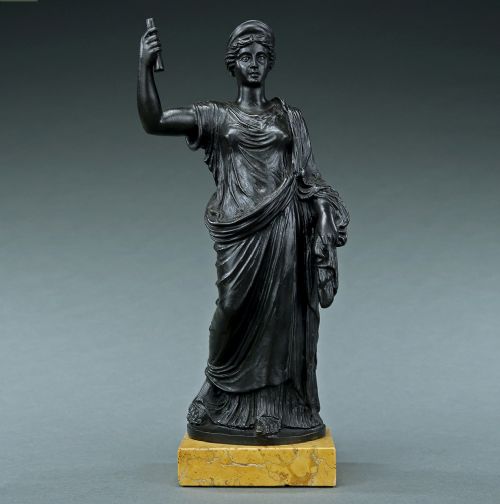
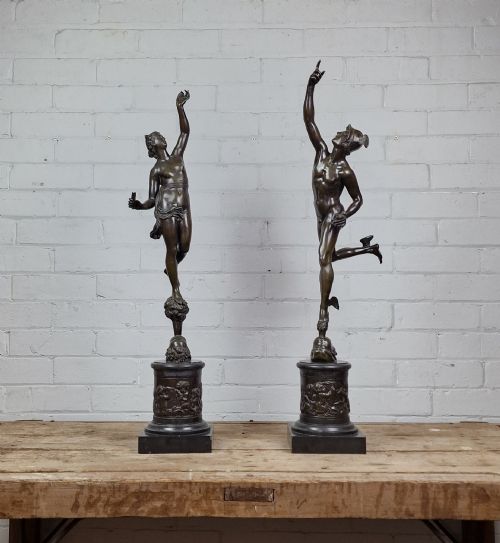
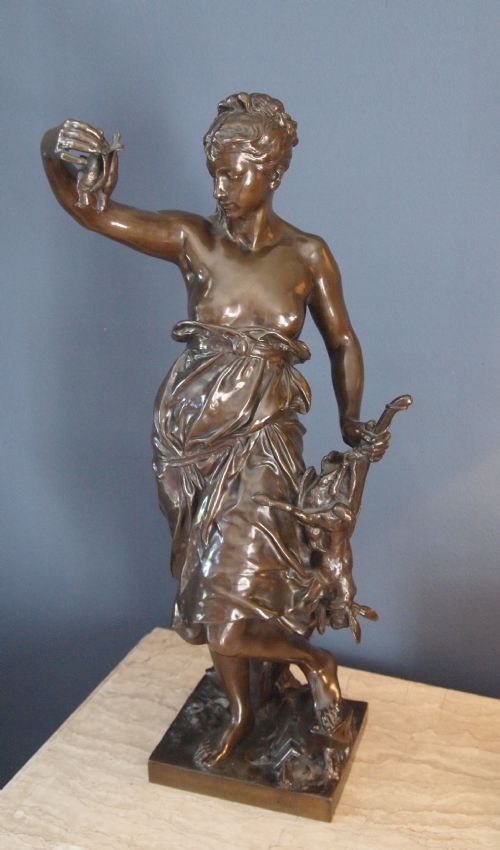
The most common examples on this page are nineteenth-century European bronze figures depicting classical deities like Juno, Venus, Diana, and Fortuna. Many of these pieces originate from the Grand Tour tradition, serving as high-status souvenirs for travellers in Europe.
Alongside European classical subjects, listings include Asian Buddhist and Hindu deities such as Tara, Guanyin, and Astarte. These works vary from small personal devotional statues to large decorative sculptures mounted on marble plinths.
Distinguishing Quality in Sculpture
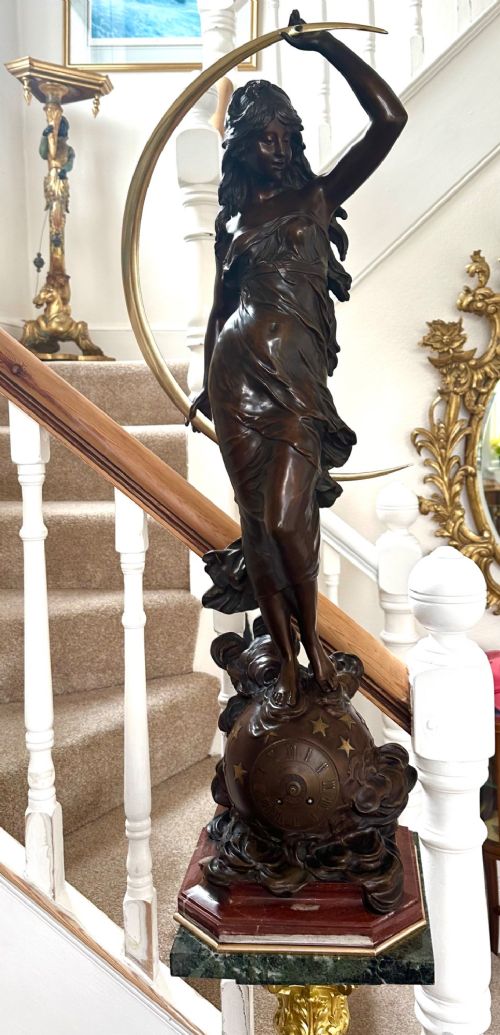
The sophistication of the patina and the quality of the supporting base significantly influence the character of the object. Heavy, well-finished marble plinths and rich, stable patination denote workshop output intended for discerning collectors.
Bronze Goddess Figure Retail Price Guide 2026
Typical asking prices for bronze goddess figure among the pieces listed under this phrase on Sellingantiques today, from the lower quarter to the upper quarter. They describe what is for sale here now, not the wider market.
Listings feature bronze, marble, black slate, wood, and terracotta across nineteenth-century European and Asian traditions.
August Moreau·R Henn·Louis Ernest Barrias·Collas
The Bronze Goddess Figure Glossary
- Grand Tour
- A cultural journey undertaken by nineteenth-century Europeans to study classical antiquities. Souvenirs from these travels included reduced-scale bronze sculptures of famous statues.
- Patination
- The chemical treatment or natural ageing process that colours the surface of metal. A dark or verdigris finish often protects the bronze and accentuates sculptural contours.
- Candelabra
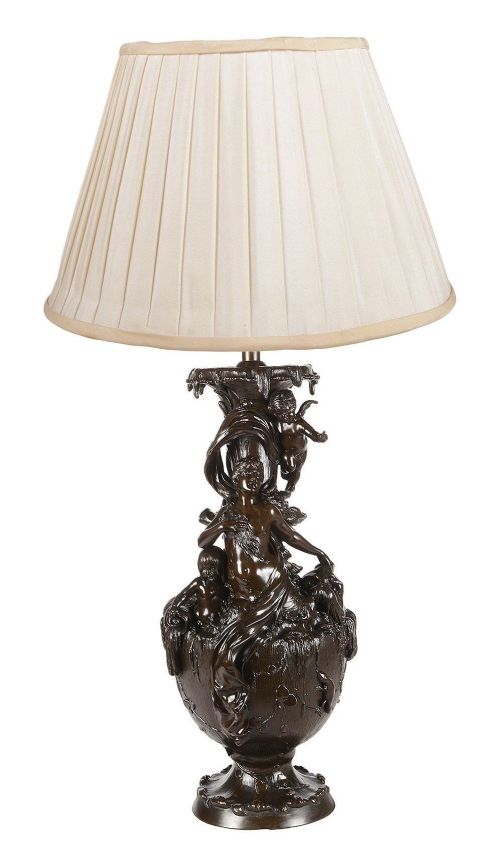
- A branched candlestick holder designed to hold multiple candles. Some examples incorporate cast bronze figures of deities within their structural design.
- Plinth
- A heavy base or pedestal supporting a statue or sculpture. Marble and slate versions provide stability and visual weight to nineteenth-century bronzes.
Bronze Goddess Figure: Frequently Asked Questions
What is a Grand Tour bronze?
A Grand Tour bronze is a nineteenth-century souvenir cast in Europe to replicate famous ancient sculptures for travelling collectors.
These pieces allowed admirers of classical antiquity to display museum-scale mythological figures within their private homes.
How do I identify a classical goddess figure?
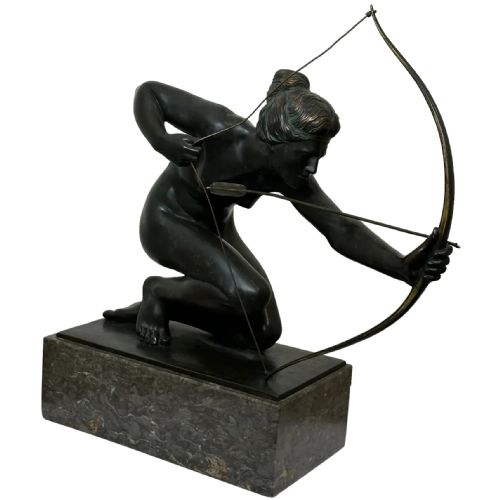
Classical goddess figures usually carry specific attributes or items that reveal their identity. For example, Diana holds a bow and arrow, while Fortuna stands with a wheel or cornucopia.
Nineteenth-century sculptors frequently relied on these traditional symbols when depicting mythological subjects like Venus, Juno, or Athena.
Are all these figures from Europe?
No, while nineteenth-century French and Italian foundry pieces form a large part of the selection, the listings also include Asian Buddhist and Hindu deity figures.
These span different centuries and geographic origins, featuring figures such as Tara, Guanyin, and ancient terracotta artefacts.
How should I display a bronze figure with a marble base?
Bronze figures mounted on marble or slate plinths require a stable, level surface capable of supporting their considerable weight. Placing them away from direct heat sources protects both the metal patina and the stone base from damage.