


Classical Mythology Statue
A classical mythology statue brings figures of ancient gods and heroes into a room through cast bronze and carved marble.
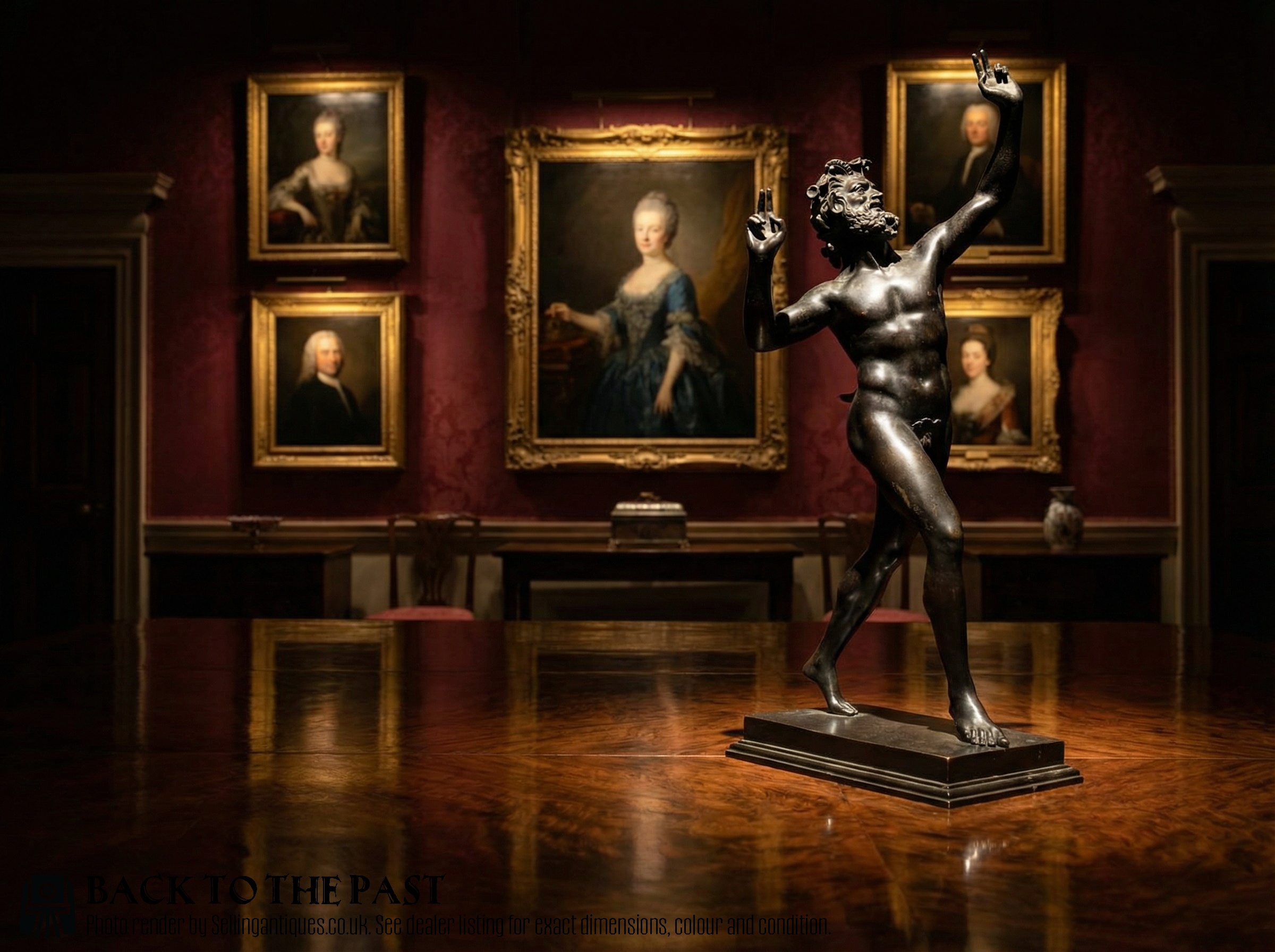
Classical Mythology Statue
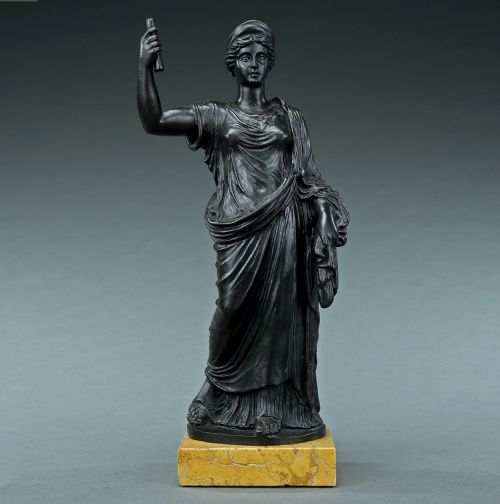
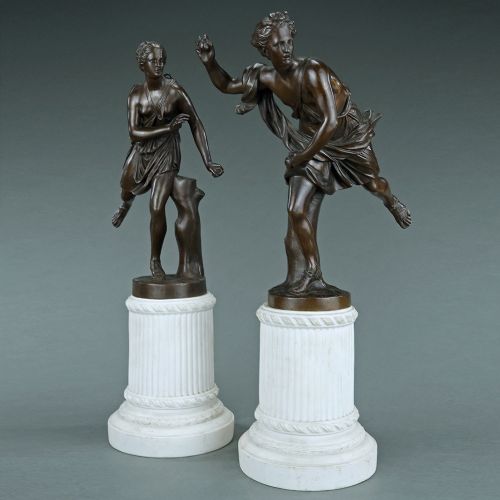
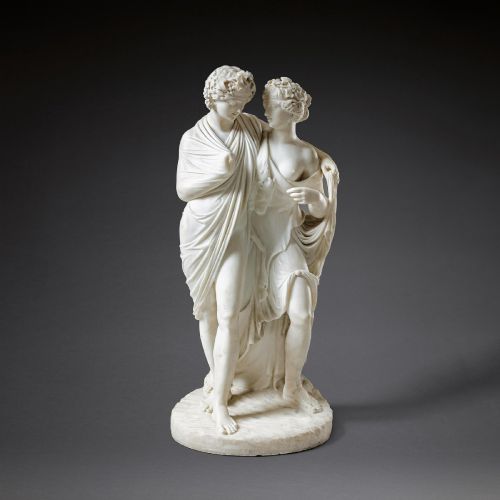
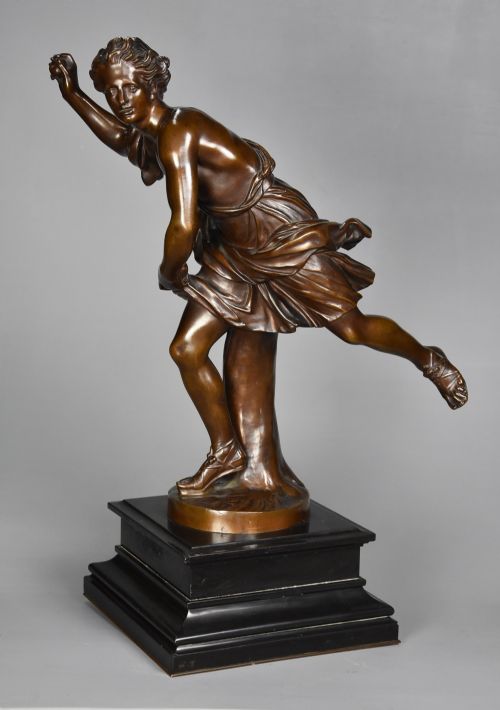
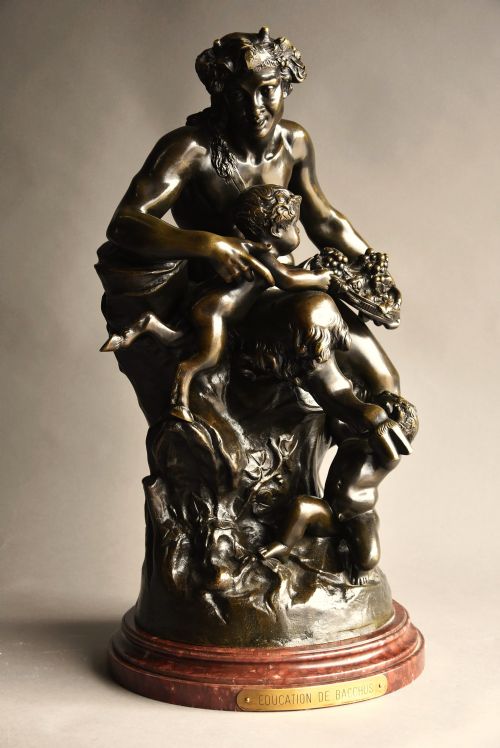
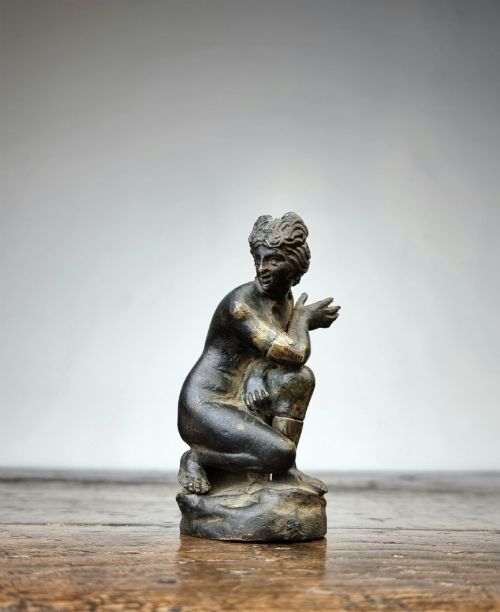
A classical mythology statue represents deities, mortals, and legendary scenes derived from Greek and Roman antiquity. Collectors searching this phrase encounter figures of figures like Bacchus, Diana, Perseus, and Venus rendered in three dimensions.
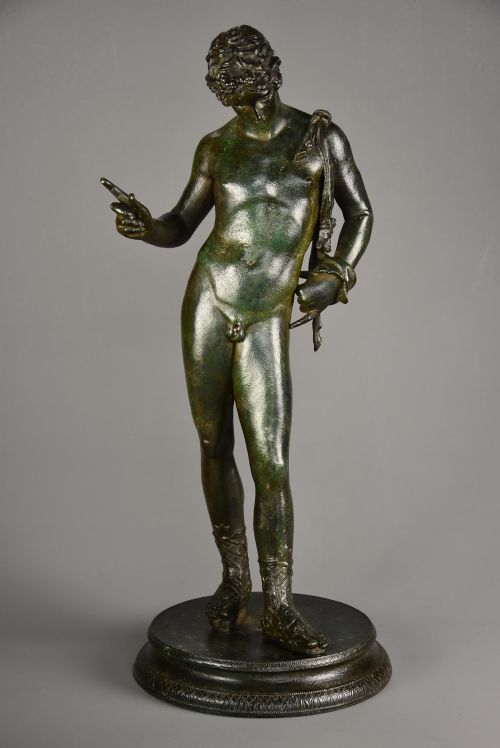
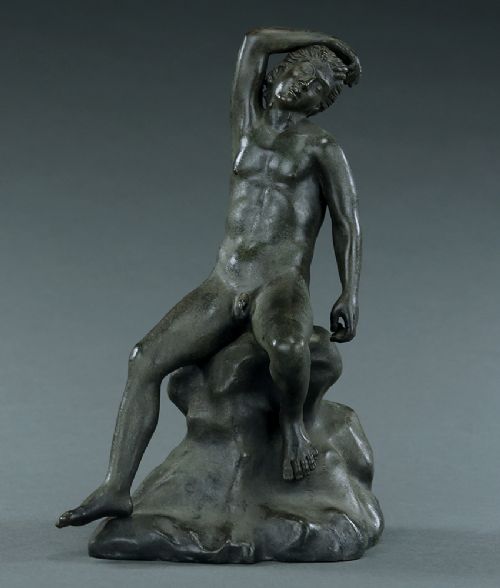
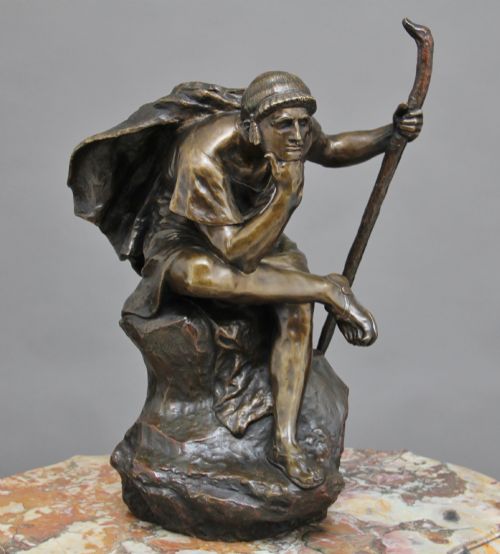
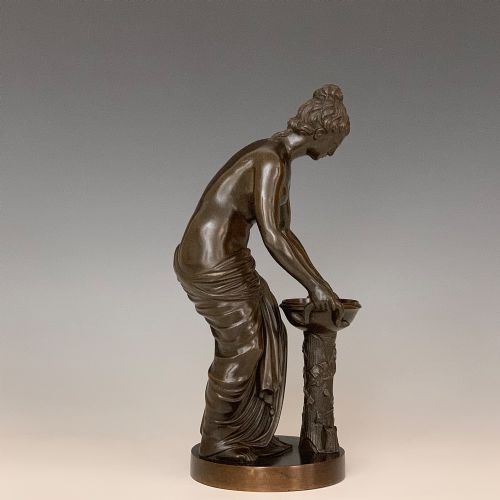
The selection on this page relies heavily on 19th-century Grand Tour bronzes and marble sculptures cast or carved in Italy and France. These range from cabinet-size souvenir statuettes to substantial bronze figures and busts.
Alongside metal and stone sculptures, the category includes framed 17th- and 18th-century engravings, porcelain figures of deities, and later 20th-century bronze works. These diverse objects share a common root in classical antiquity and mythological narrative.
How they were made
Bronze sculptures in this group are produced using the lost-wax casting method, allowing intricate detail in hair, drapery, and muscular definition. Founders then apply patination chemicals, ranging from deep dark browns to bright verdigris green, to simulate ancient buried metal.
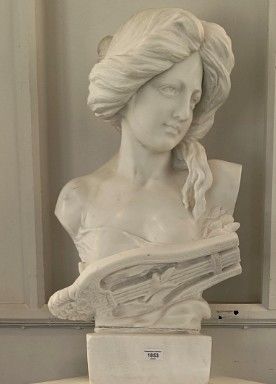
Marble sculptures and busts are hand-carved from white marble blocks, often copying famous excavated antiquities discovered in Rome, Naples, or Pompeii. Porcelains are slip-cast, hand-painted with enamels, and finished with gilt highlights before firing.
Framed works utilise period techniques such as copperplate engraving on paper, housed within timber frames made of walnut or ebonised wood. Glass protects these works on paper from atmospheric damage.
Classical Mythology Statue Retail Price Guide 2026
Typical asking prices for classical mythology statue among the pieces listed under this phrase on Sellingantiques today, from the lower quarter to the upper quarter. They describe what is for sale here now, not the wider market.
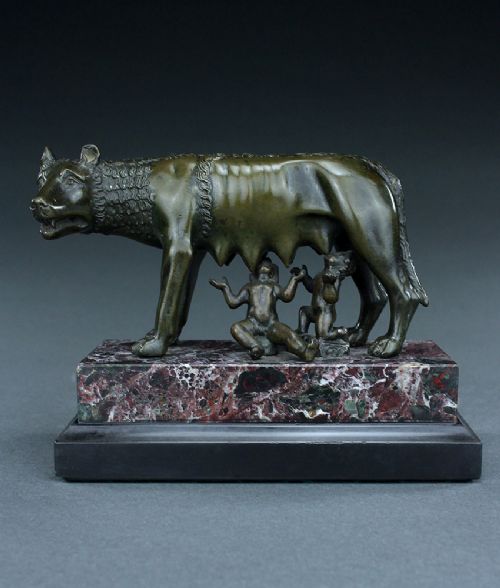
Several deities appear alongside their traditional animal companions, including bulls, fawns, and wolves.
What varies in quality
Quality in these sculptures depends on the sharpness of the chasing and finishing work executed after the bronze casting leaves the mould. Superior pieces retain crisp facial expressions, well-defined fingers, and nuanced musculature without blurring or softness.
The depth and variation of the patination contribute significantly to a piece's visual success. Skilled patination creates subtle tonal shifts across the bronze surface, whereas lesser examples present a flat, uniform colour.
Marble carvings are judged by the sensitivity of the chisel work in softer areas like flesh and fabric folds compared to hard stone edges. Signed pieces by established founders or sculptors carry greater authority in their execution and proportions.
Barbedienne·Carlo Albacini·Claude Michel Clodian·Augusto Rivalta·Albert Hussmann·Franz Iffland
The Classical Mythology Statue Glossary
- Grand Tour
- A traditional trip through Europe undertaken by upper-class young men in the 18th and 19th centuries to study the arts. Souvenirs bought on these travels included small bronze and marble copies of famous antique statues.
- Patination
- The chemical or natural process that colours the surface of metal over time or through artificial treatment. Bronze patinas vary from dark brown to green verdigris.
- Lost-wax casting
- A metalworking process where a molten metal is poured into a mould that has been created by a model of wax. The wax is melted and drained away.
- Neoclassical
- A Western cultural movement drawing inspiration from the art and culture of classical antiquity. It appears heavily in 18th- and 19th-century sculpture and decorative arts.
- Chasing
- The hand-tooling of a metal casting after it is removed from the mould to clean up seams and sharpen details. Master chasers defined the final texture of high-end bronzes.
Classical Mythology Statue: Frequently Asked Questions
What is a Grand Tour bronze?
A Grand Tour bronze is a small-scale metal copy of an ancient Roman or Greek statue purchased by travellers visiting Italy during the 18th and 19th centuries. These pieces served as educated souvenirs of cultural sights seen abroad.
Foundries in Rome, Florence, and Naples produced these figures to satisfy the demand from foreign collectors wanting to bring classical antiquity home.
How do I identify mythological figures?
Mythological figures are identified by their specific attributes, such as weapons, animals, or companion characters. For example, Diana carries a bow and arrow or wears a crescent moon, while Bacchus is accompanied by grapes or panthers.
Inscriptions on the base or records of the original ancient sculpture often confirm the exact identity of the subject represented.
Where should I display heavy bronze statues?
Heavy bronze and marble statues require sturdy furniture, such as low sideboards, console tables, or dedicated pedestals capable of supporting concentrated weight. Positioning them away from high-traffic areas prevents accidental knocks.
Placement should also consider natural light sources to highlight the contours of the patinated metal or carved stone.
How do I clean antique bronze sculptures?
Antique bronzes require only gentle dusting with a soft, dry brush or microfiber cloth to remove surface particles. Moisture and chemical cleaners should be avoided because they strip the original patination.
Leaving the natural accumulation of age intact preserves the historical surface integrity valued by collectors.