

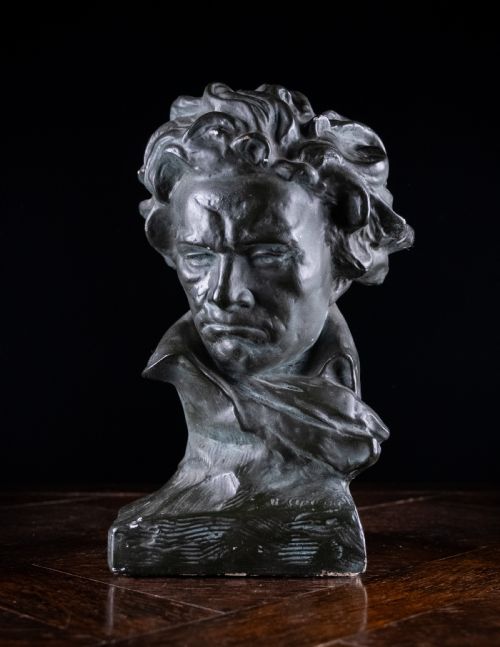
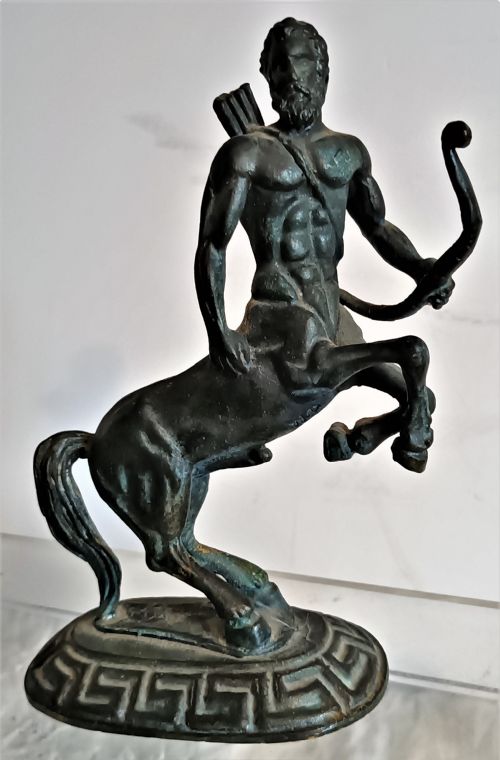


Green Patinated Bronze Figure
A green patinated bronze figure brings the weight of the nineteenth century and the crisp lines of Art Deco straight into a room.

Green Patinated Bronze Figure
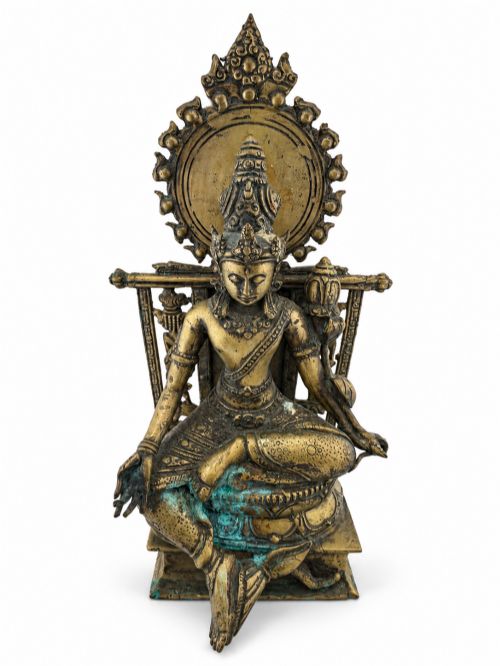
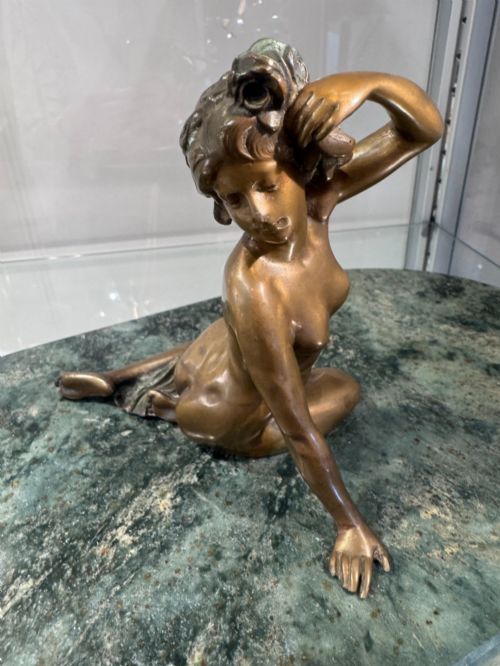
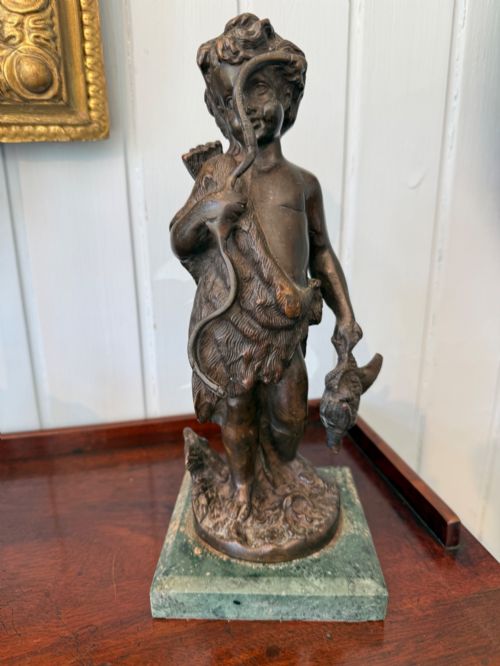
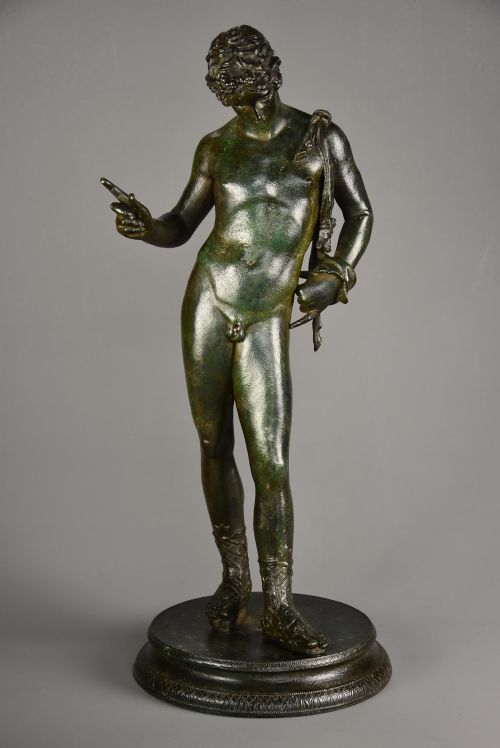
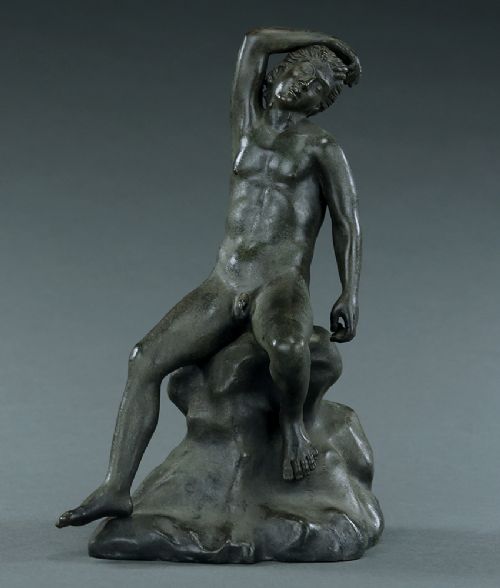
A green patinated bronze figure represents a broad tradition of metal sculpture, spanning mythological deities, classical deities from the Grand Tour, and modern dancers.
The selections on this page range from nineteenth century French animalier studies and grand tour figures to early twentieth century Art Deco dancers and Tibetan shrine statues.
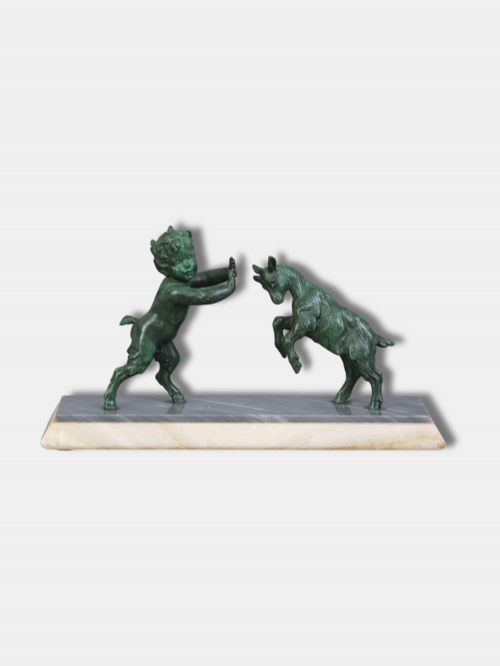
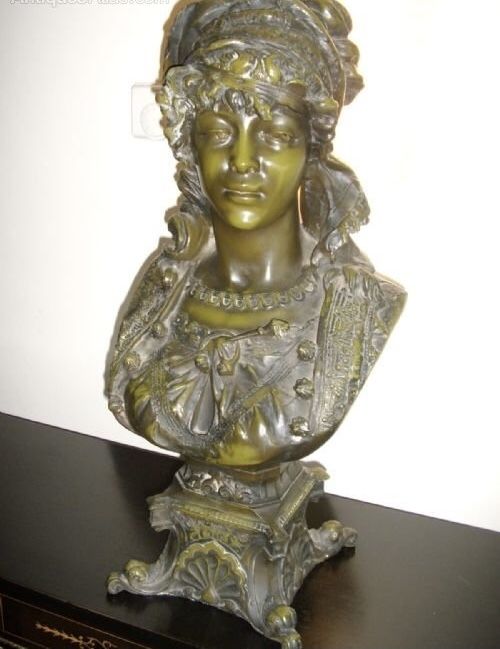
Buyers encounter subjects as varied as mythological fauns, classical busts, and feline figures mounted upon marble or onyx bases.
Materials and Construction
Foundry work relies primarily on cast bronze, alongside alternative metals like spelter and brass, shaped to capture intricate detail in human and animal forms.
Sculptures are frequently paired with heavy supports of green marble, standard marble, or onyx, providing a stable plinth for the metalwork.
The characteristic green patination is achieved through chemical treatment of the bronze surface, sometimes complemented by painted highlights.
Green Patinated Bronze Figure Retail Price Guide 2026
Typical asking prices for green patinated bronze figure among the pieces listed under this phrase on Sellingantiques today, from the lower quarter to the upper quarter. They describe what is for sale here now, not the wider market.
A tiny cold painted bronze frog sits quietly among the grand nineteenth century deities and heavy marble bookends.
Distinctions in Quality
The crispness of the chasing and the depth of the metal finish distinguish fine foundry work from simpler commercial casts.
The integration between the bronze figure and its stone base demonstrates the original maker's commitment to balanced design and secure assembly.
Signed works associated with recognised sculptors or established foundries carry greater documentary weight than unsigned regional pieces.
Josef Lorenzl·Emile Carlier·Antoine L Barye·Bruno Zach·Mario Korbel
The Green Patinated Bronze Figure Glossary
- Patina
- The surface coloration of metal developed through age or chemical treatment. This chemical finish yields the characteristic green tone seen on classical and grand tour bronzes.
- Grand Tour
- A cultural journey undertaken by nineteenth century travellers who acquired classical souvenir bronzes. These figures often replicate famous antiquities found in Italian museums.
- Animalier
- A nineteenth century school of sculpture focusing on realistic depictions of animals. French artists specialised in capturing beasts in motion, such as lions and panthers.
- Spelter
- An alloy of zinc and copper used as an economical alternative to bronze. It appears frequently in twentieth century figures mounted on marble bases.
- Clock Garniture
- A matching set comprising a central timepiece flanked by decorative side ornaments. These sets often incorporate bronze figures alongside marble or brass elements.
Green Patinated Bronze Figure: Frequently Asked Questions
What is a green patinated bronze figure?
A green patinated bronze figure is a metal sculpture treated with chemicals to produce an aged green verdigris surface. These pieces range from classical mythological subjects to Art Deco dancers.
They serve primarily as decorative objects, mantel garnitures, or desk sculptures mounted on marble bases.
How do I distinguish bronze from spelter?
Bronze is heavier, colder to the touch, and yields a dull ring when tapped, whereas spelter is a softer zinc alloy often identified by a lighter weight.
Examination of the underside or unpainted areas often reveals the underlying grey metal of spelter beneath the surface paint.
Where were Grand Tour bronzes made?
Grand Tour bronzes were typically cast in workshops across Italy and France during the nineteenth century for travellers touring classical sites. They replicate ancient Roman and Greek sculptures.
These souvenir pieces allowed collectors to bring museum antiquities into private nineteenth century drawing rooms.
How should I clean a patinated bronze?
Cleaning should be limited to gentle dusting with a soft, dry cloth to preserve the original chemical patination. Water and abrasive cleaners strip the delicate surface finish.
Applying a light microcrystalline wax periodically helps protect the metal from atmospheric moisture and handling.