
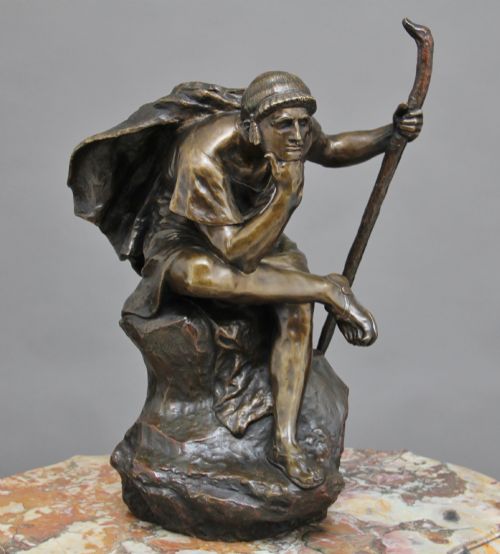
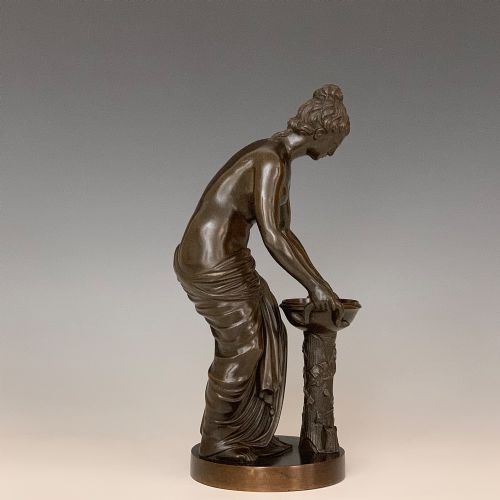


Classical Mythology Bronze
These classical mythology bronze figures bring the gods and heroes of antiquity into the nineteenth-century interior.
What classical mythology bronze pieces are
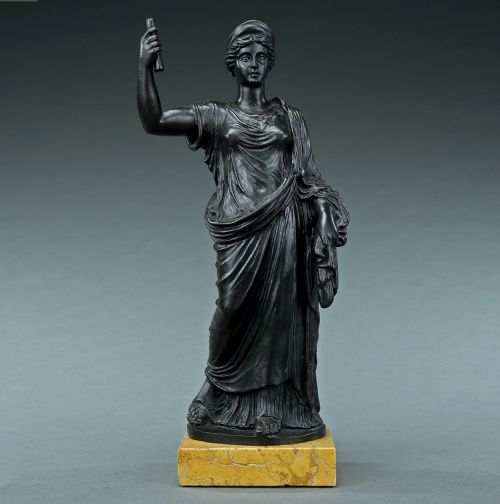
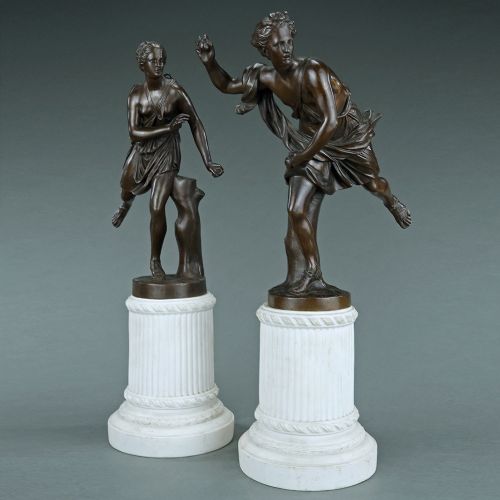
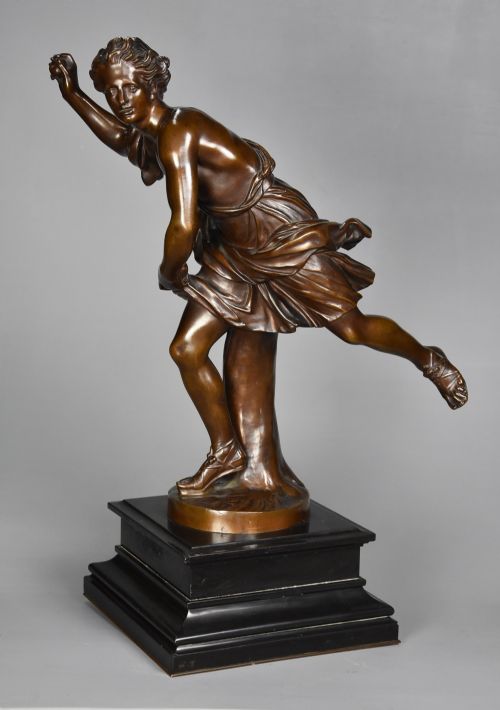
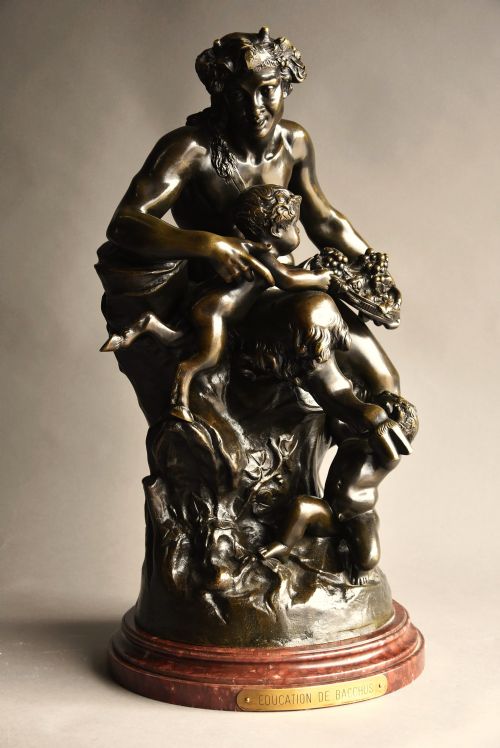
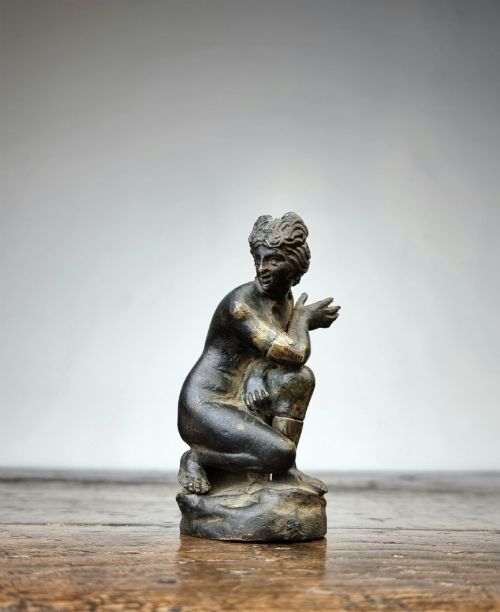
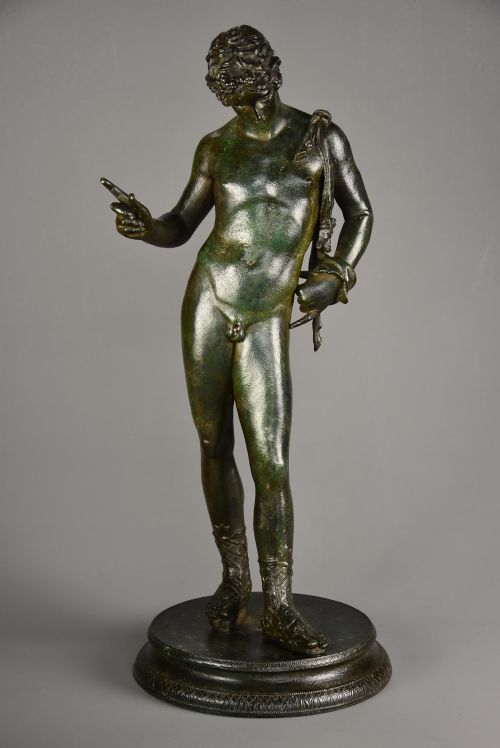
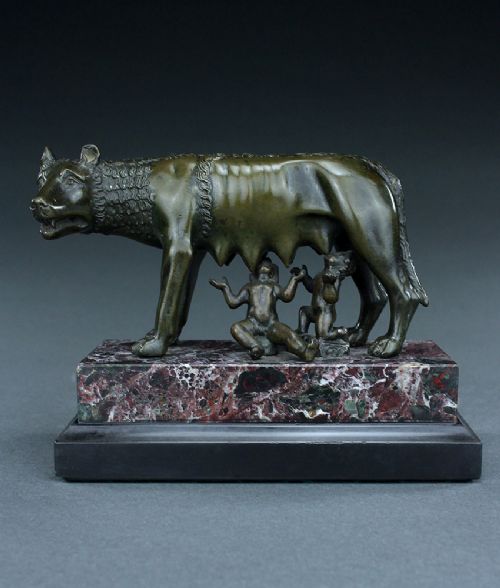
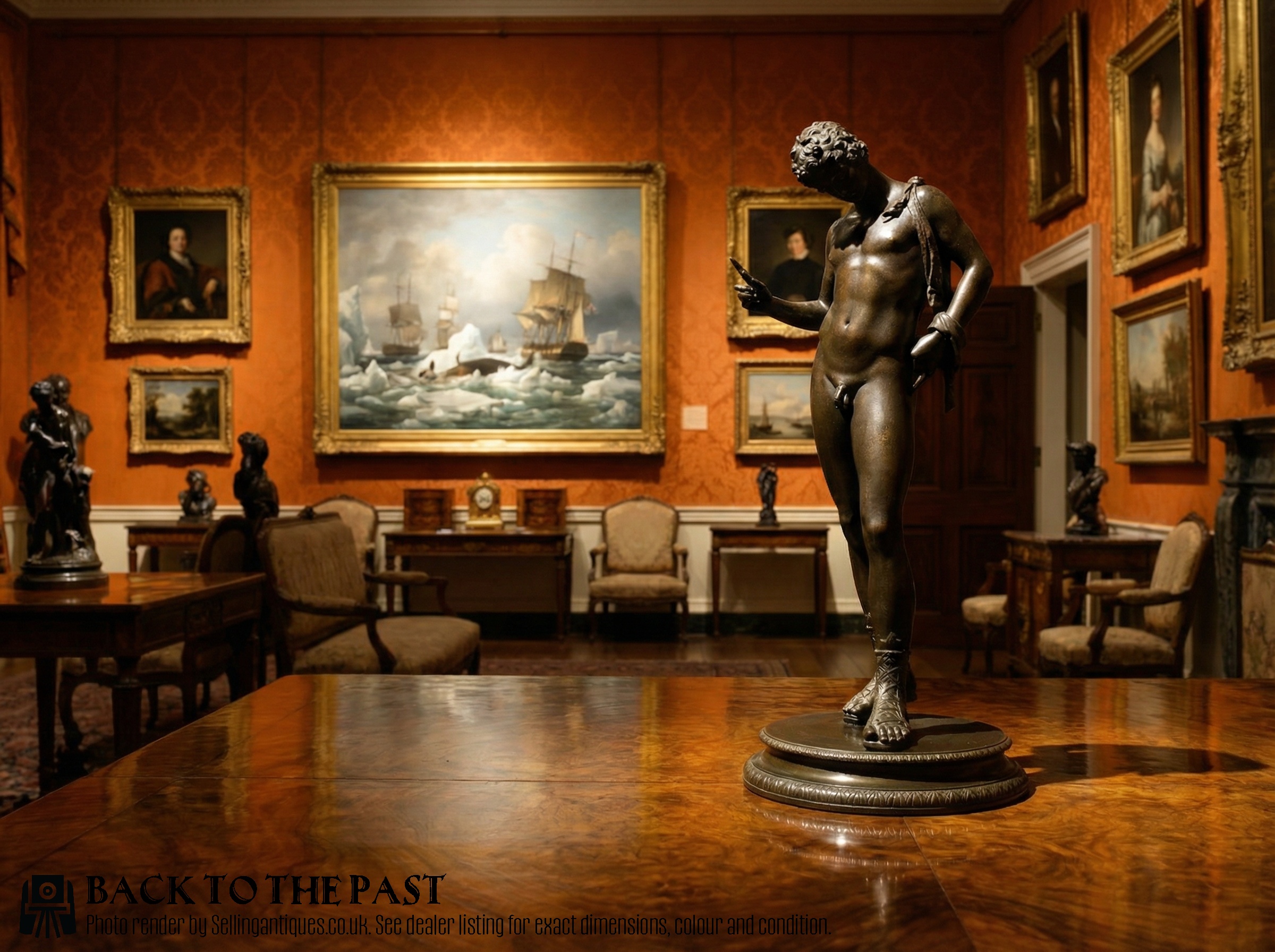
These classical mythology bronze pieces capture deities and legendary figures from antiquity, ranging from the goddess Juno and Bacchus to Narcissus and Perseus with the head of Medusa. Buyers encounter sculptures produced during the nineteenth century, including Grand Tour pieces modelled after ancient prototypes discovered in Italy.
The selection encompasses works reflecting Neoclassical, Mannerist Revival, and Art Deco styles, alongside figures copied directly from Pompeian originals. Sculptures often rest upon marble plinths, presenting mythological narratives through cast metal.
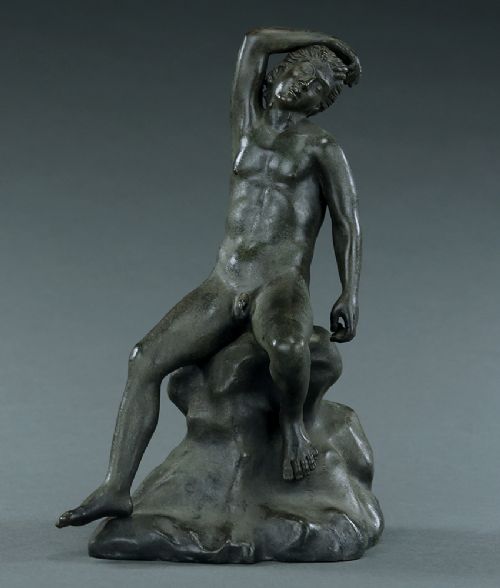
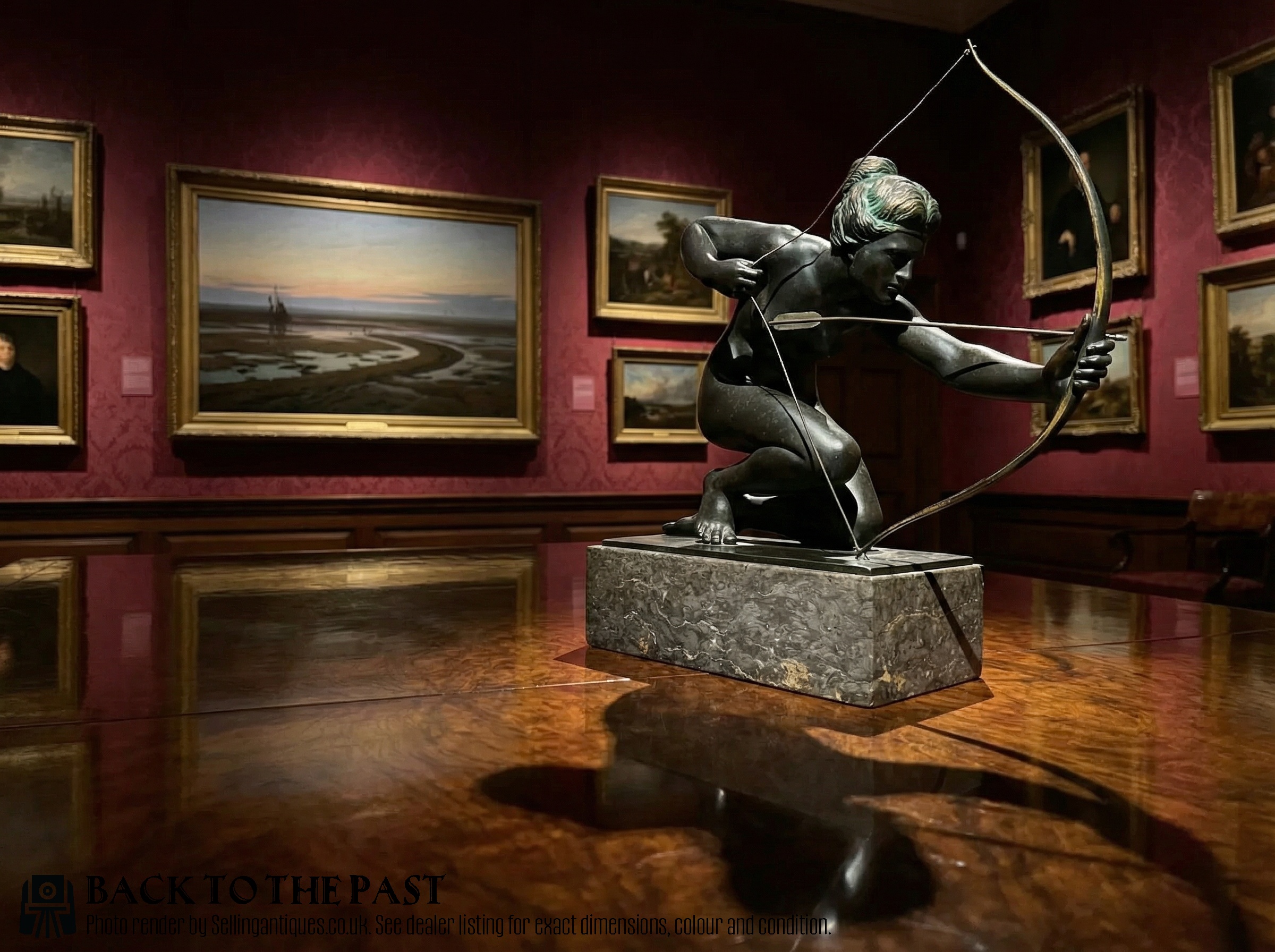
Figures such as Diana holding a bow and arrow or the sleeping faun represent the dominant forms available. These works serve as tangible links to classical archaeology and nineteenth-century academic sculpture.
How they were made
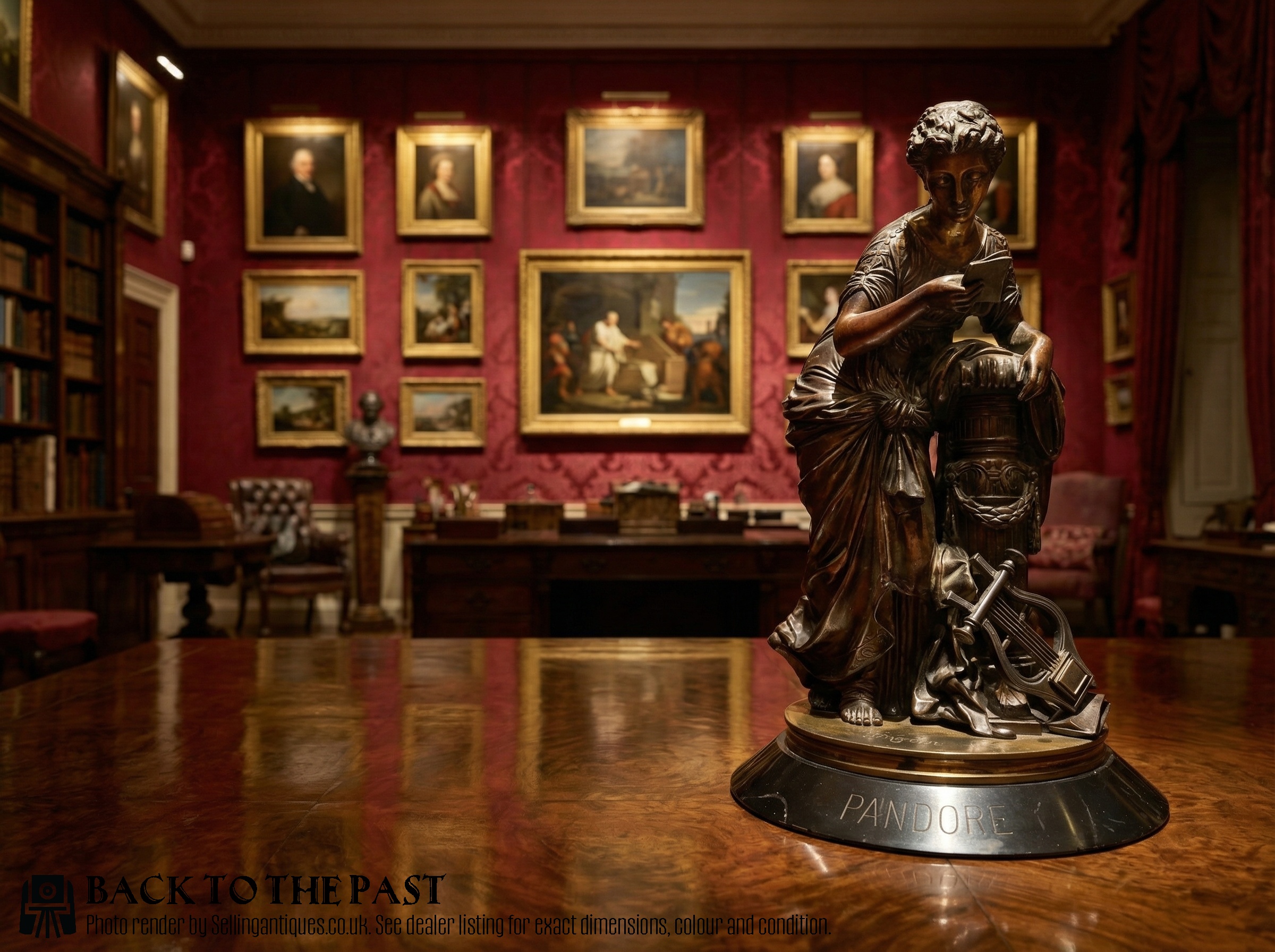
Foundries utilised traditional metal casting techniques to produce these sculptures in bronze, applying patination processes to achieve dark or green verdigris surface finishes. These treatments mimic the aged appearance of excavated ancient statuary.
Makers combined cast bronze with fitted marble bases, anchoring figures such as Oedipus meditating or Perseus to stone plinths. Surface chasing and detail work refined the anatomical forms after casting.
Retail Price Guide 2026
Typical UK retail prices for classical mythology bronze, calculated from the Sellingantiques database of over a million retail prices indexed since 2003. This retail price guide relies exclusively on Sellingantiques data; no external sources or auction records are used, so the figures do not describe the wider market.
Listings span the nineteenth and early twentieth centuries, featuring bronze, marble, and patinated bronze across Neoclassical, Grand Tour, and Art Deco styles.
What varies in quality
Quality rests upon the crispness of the metal chasing and the fidelity of the cast to its antique or Renaissance prototype, distinguishing careful studio work from routine foundry output. Surface patination depth and the quality of the supporting marble base further separate the finer examples.
The sophistication of the anatomical modelling and the presence of artist signatures or foundry inscriptions indicate higher ambition in production.
R Henn·Gregoire
The Classical Mythology Bronze Glossary
- Grand Tour
- A traditional trip undertaken by European gentry to view continental antiquities, resulting in the acquisition of small-scale bronzes and souvenirs. These pieces were cast in Italy and France during the nineteenth century.
- Patination
- The chemical treatment or natural ageing applied to the surface of bronze to alter its colour. Green verdigris and dark brown tones are typical of nineteenth-century classical revivals.
- Neoclassical
- An artistic movement drawing inspiration from the classical art and culture of ancient Greece and Rome. It prioritises clarity of form and heroic subject matter.
- Verdigris
- A green patina formed naturally on copper, brass, or bronze through atmospheric exposure, often deliberately replicated by nineteenth-century founders. It emulates excavated archaeological finds.
- Plinth
- The heavy base of marble or stone upon which a bronze sculpture is mounted. It provides structural stability and visual elevation for the figure.
Frequently Asked Questions
What is a Grand Tour bronze?
A Grand Tour bronze is a nineteenth-century souvenir cast in workshops across Italy or France for travellers visiting classical sites. These figures reproduce famous ancient sculptures discovered during archaeological excavations.
Collectors prize them for their historical association with nineteenth-century travel and their faithful interpretations of antique art.
How do I identify the subject of a bronze?
Subjects are typically identified through distinct attributes, such as Bacchus with grapes, Diana with a bow, or Perseus holding the head of Medusa. Inscriptions on the base or comparisons to known antique statues also clarify the narrative.
Many nineteenth-century bronzes directly replicate specific museum pieces or archaeological finds from Pompeii and Rome.
Are these bronzes solid or hollow?
Nineteenth-century bronze sculptures are generally cast using the lost-wax method or sand casting, resulting in hollow interiors that reduce weight and metal usage. Wall thickness varies depending on the size of the piece and the foundry.
Heavier elements like marble bases are added separately to anchor the hollow metal figures.
How should I clean a patinated bronze?
Patinated bronzes require minimal intervention, usually limited to gentle dusting with a soft, dry cloth to protect the surface finish. Moisture and chemical cleaners should be avoided to prevent damage to the historic patina.
Occasional application of microcrystalline wax can help protect the metal from atmospheric corrosion.