
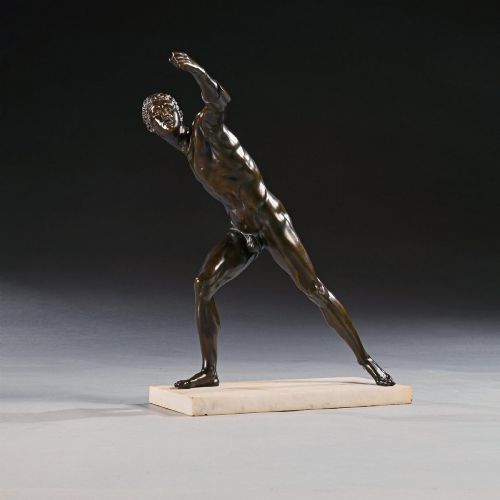
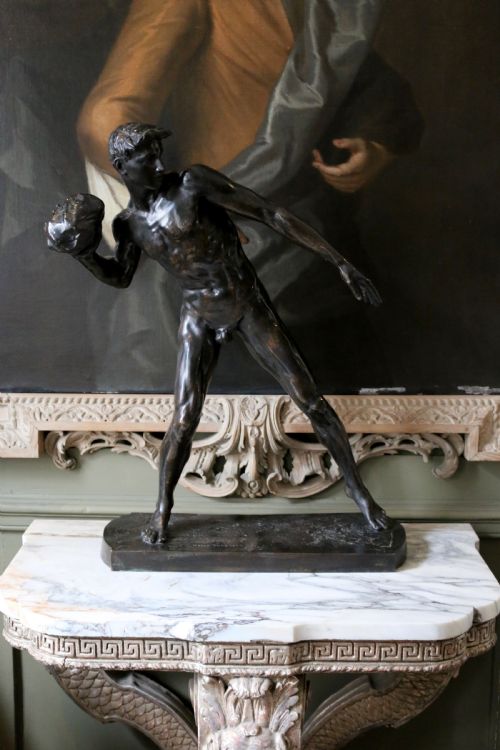
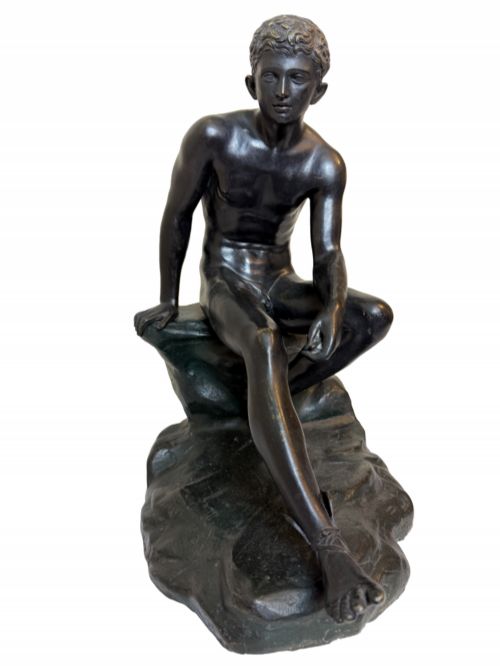


Classical Athletic Bronze Figure
A classical athletic bronze figure brings the musculature and dynamism of ancient games straight into a room with enduring power.
Classical Athletic Bronze Figure
A classical athletic bronze figure represents male nudes in motion or repose, drawing heavily on Greek and Roman sculpture. The examples met on this page range from nineteenth-century Grand Tour souvenirs to Art Deco interpretations.
Forms span gladiators, wrestlers, and throwers cast in metal, frequently mounted on stone or marble bases. These sculptures capture physical strength through subjects such as the Discobolus, the Borghese Gladiator, and the Olympian.
Origins stretch from Victorian studios to French foundries and the Grand Tour market of the nineteenth century. Buyers encounter both reductions of antique monuments and later twentieth-century athletic bronzes.
How they were made
Many figures are secured to weighted bases of marble, such as Rosso Levanto, or stone to provide stability for the dynamic compositions. The juxtaposition of cold metal against polished stone defines the physical presence of these pieces.
Listings span the Victorian era, the nineteenth century, and around 1930, using materials including bronze, stone, and Rosso Levanto marble.
What varies in quality
The precision of the chasing work and the depth of the patination separate standard castings from superior examples. Master founders achieved subtle tonal gradations across the bronze and crisp definition in sinew and hair.
The quality of the mounting and the choice of base material influence the overall distinction of the sculpture. Heavier, richly veined marble plinths elevate the visual weight of the bronze above it.
Hamo Thornycroft·Claire Colinet·Eden Antony Paul Noel
The Classical Athletic Bronze Figure Glossary
- Patinated bronze
- Bronze treated with chemicals to produce a specific surface colour and finish. This layer protects the metal and adds visual depth.
- Grand Tour
- A traditional trip through Europe undertaken by upper-class young men in the eighteenth and nineteenth centuries. Souvenirs included small bronze sculptures of classical antiquities.
- Discobolus
- A Greek sculpture depicting a disc thrower in the moment before release. The subject became a favourite template for nineteenth-century founders.
- Rosso Levanto marble
- A deep reddish-purple marble with white veining originating from Italy. It is frequently encountered as a contrasting base for Victorian bronzes.
Classical Athletic Bronze Figure: Frequently Asked Questions
What is a classical athletic bronze figure?
It is a metal sculpture depicting male nudes in athletic poses, rooted in ancient Greek and Roman art. These pieces were produced in various sizes for display in studies, libraries, and drawing rooms.
They reflect European revivals of classical sculpture, particularly during the nineteenth and early twentieth centuries.
How were Grand Tour bronzes used?
Grand Tour bronzes served as decorative desk ornaments and mantelpiece displays for travellers returning from Italy. They acted as tangible evidence of classical education and cultural travel.
Collectors prized them for their accurate scale reductions of famous antiquities housed in European museums.
How do I distinguish between periods?
Nineteenth-century examples often display dark patination and derive closely from specific archaeological discoveries or Renaissance casts. Art Deco pieces from around 1930 introduce stylised anatomy and alternative finishes like silvering.
The style of the mounting and the character of the marble base also offer clues to the date of manufacture.
How do I clean patinated bronze?
Dust gently with a soft, dry brush to prevent accumulation in the crevices of the musculature. Avoid commercial polishes, water, or abrasive cloths, as these will damage the historic patination.
Preserving the original surface skin is essential for maintaining the visual integrity of the metal.