





Classical Goddess Sculpture
Classical goddess sculpture brings mythological figures like Juno, Venus, and Diana into domestic spaces through nineteenth-century bronzes, marbles, and stones.
Classical Goddess Sculpture
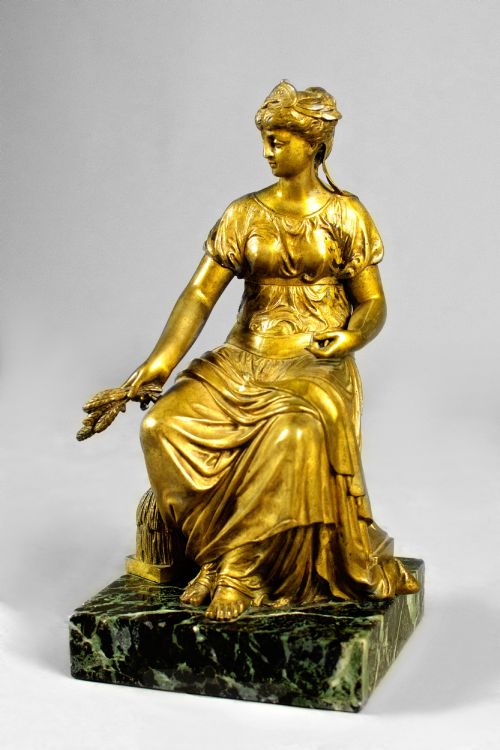
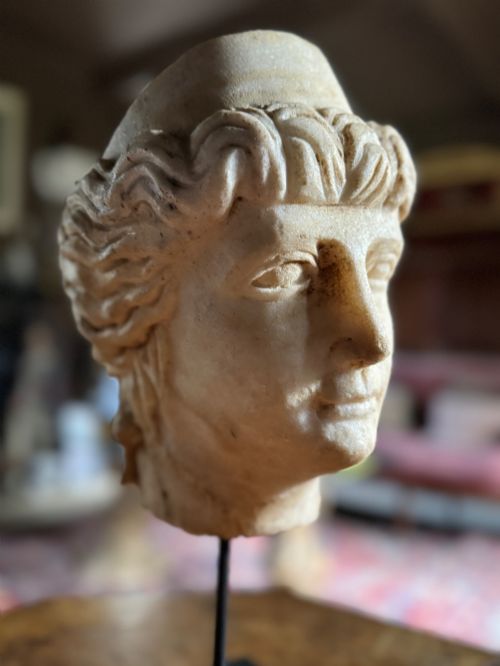
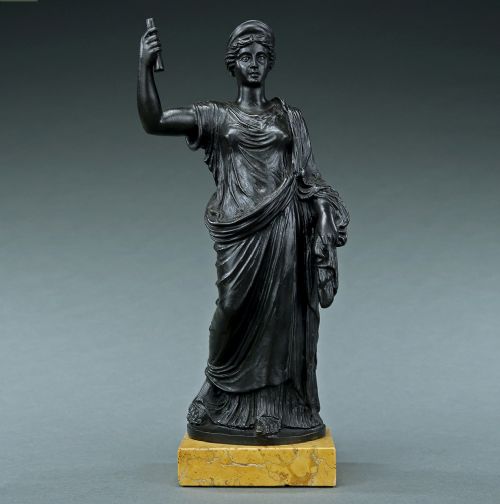
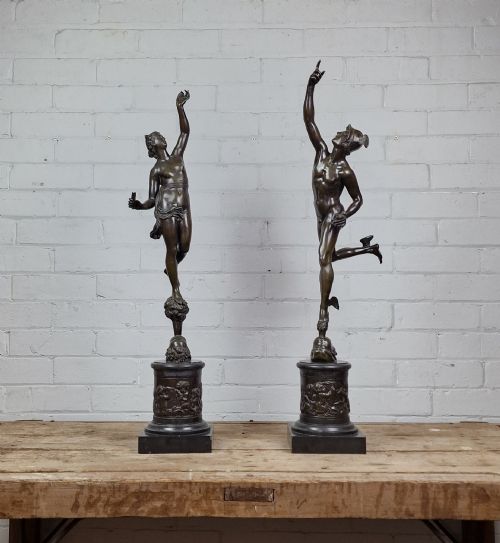
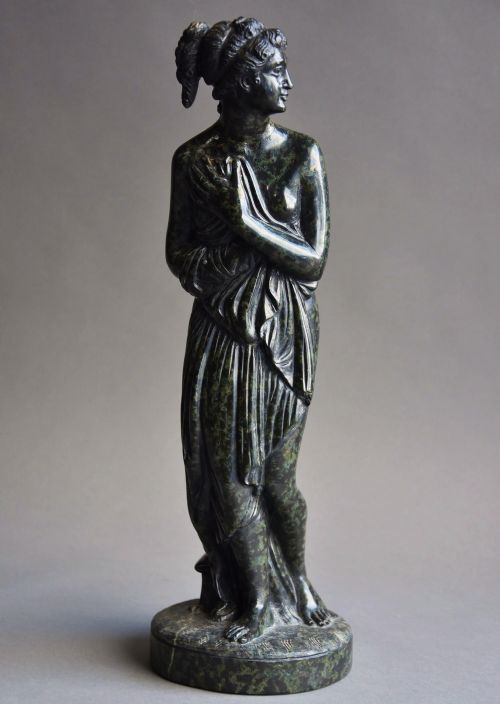
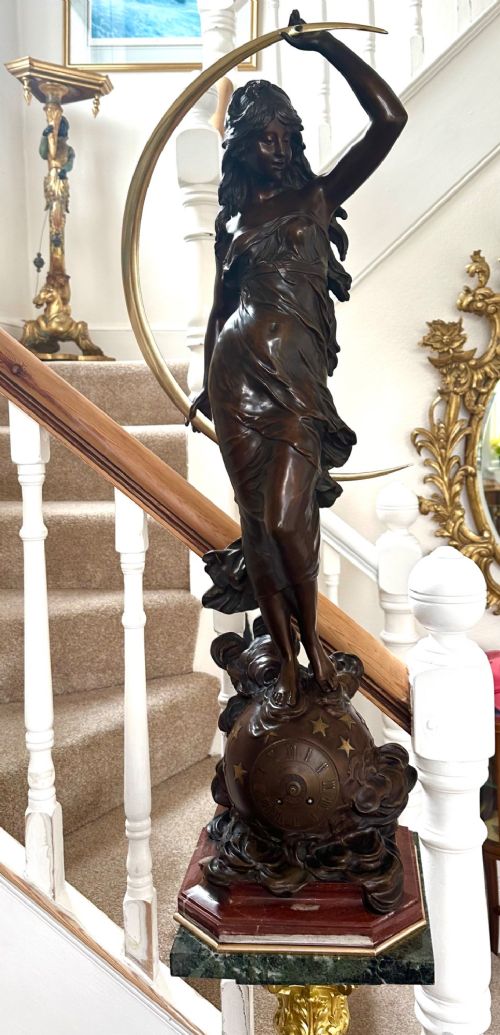
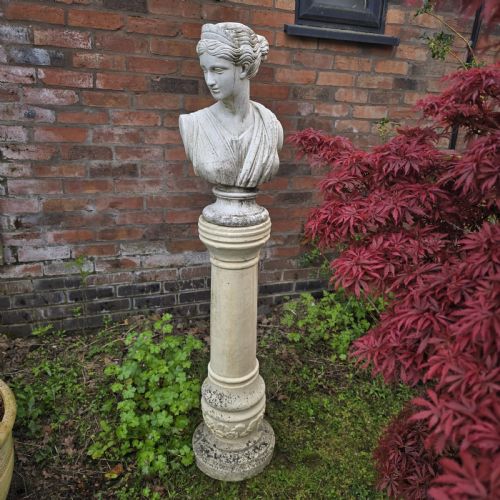
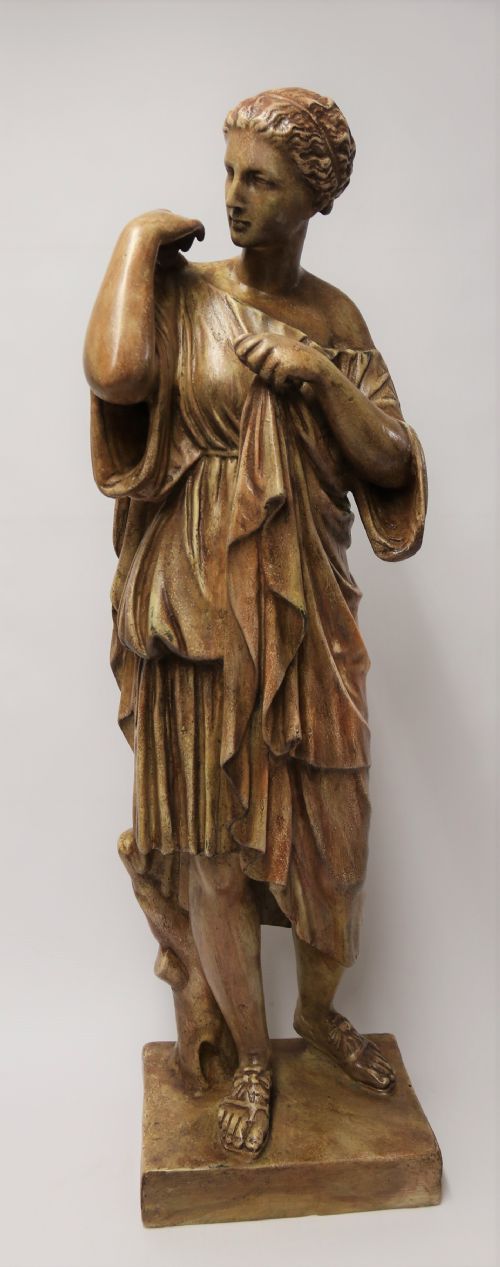
A classical goddess sculpture represents mythological figures such as Venus, Diana, Juno, Athena, and Fortuna, often modeled after ancient Greek and Roman antiquities. These pieces include tabletop bronzes, marble carvings, stone busts, and larger garden statuary originating primarily from nineteenth-century European studios.
Grand Tour souvenirs form a substantial part of these offerings, produced in France and Italy for travellers collecting miniature versions of famous museum statues. Subjects like the Venus de Milo, Diane de Gabii, and various interpretations of Diana the Huntress appear frequently alongside allegorical figures representing seasons or virtues.
Domestic variations extend beyond standard statuary to include functional objects such as bronze table lamps, ebonised wall plaques, and decorated vases featuring divine subjects. The physical scale ranges from intimate cabinet bronzes to solid stone garden figures resting upon plinths.
Materials and methods of production
Foundries utilised traditional lost-wax casting for metal figures, producing patinated, bronzed, or gilded surfaces that imitated ancient metalwork. Sculptors applied chemical patinas ranging from deep brown to metallic green, often mounting finished bronzes onto shaped marble or ebonised wood plinths.
Carvers shaped white marble, alabaster, serpentine, and various stones by hand, frequently working after established models by classical or neoclassical sculptors. Plaster and cast or reconstituted stone provided alternative mediums for both interior busts and exterior garden pieces.
Classical Goddess Sculpture Retail Price Guide 2026
Typical asking prices for classical goddess sculpture among the pieces listed under this phrase on Sellingantiques today, from the lower quarter to the upper quarter. They describe what is for sale here now, not the wider market.
Some nineteenth-century makers cleverly repurposed classical goddesses into functional table lamps to brighten Victorian drawing rooms.
Factors determining quality
The precision of the chisel work on marble or the crispness of the chasing on bronze separates ordinary commercial foundry work from superior sculpture. Finer castings preserve subtle musculature, drapery folds, and facial expressions without blurring the fine details established in the original model.
Materials and base construction contribute significantly to the distinction between pieces, particularly in Grand Tour souvenirs where genuine carved alabaster, fine-grained marble plinths, and heavy patinated bronze indicate superior atelier production.
August Moreau·Antonio Canova·Louis Ernest Barrias
The Classical Goddess Sculpture Glossary
- Grand Tour
- A traditional trip through Europe undertaken by upper-class scholars and collectors during the eighteenth and nineteenth centuries to study classical art. Souvenirs purchased along the route included miniature bronzes and carved marble replicas of ancient statues.
- Patinated bronze
- Metal sculpture treated with chemical solutions to produce a specific surface colour and finish. This process protects the bronze and adds depth to the sculptural details.
- Neoclassical
- A Western cultural movement drawing inspiration from the art and culture of classical antiquity. In sculpture, this style prioritises symmetry, restraint, and mythological subject matter.
- Lost-wax casting
- A metalworking process where a molten metal is poured into a mould that has been created by means of a wax model. Once the metal cools, the wax mould is melted and drained away.
Classical Goddess Sculpture: Frequently Asked Questions
What periods do these sculptures date from?
The listings consist primarily of nineteenth-century pieces, including Victorian interpretations, Grand Tour souvenirs from the 1800s, and occasional later twentieth-century stone works.
Craftsmen during this era frequently reproduced classical forms using traditional foundry and carving techniques derived from antiquity.
How were these figures used originally?
Many smaller bronzes and marble carvings served as decorative display objects in studies, libraries, and drawing rooms during the nineteenth century. Larger stone pieces were designed for garden settings, while others doubled as lamp bases or wall plaques.
Travellers also acquired these items as tangible records of their educational journeys across Europe.
How do I identify different goddesses?
Sculptures often feature specific attributes associated with each mythological figure, such as a crescent moon for Diana the Huntress, a bow and quiver, or a sickle for Demeter. Inscriptions, titles on the base, or recognizable classical poses help confirm the exact identity of the subject.
Artists frequently titled their works directly on the marble plinth or cast the name into the metal.
Where were Grand Tour sculptures made?
Workshops and foundries in France and Italy produced the majority of these souvenir sculptures for the European market. Paris and Florence served as primary centres where skilled artisans replicated famous museum antiquities for collectors.
These commercial studios catered directly to travellers seeking portable representations of classical art.