


Classical Portrait Sculpture
Classical portrait sculpture brings the dignified presence of historical figures into modern rooms through carved marble, wood, and plaster.
What classical portrait sculpture includes
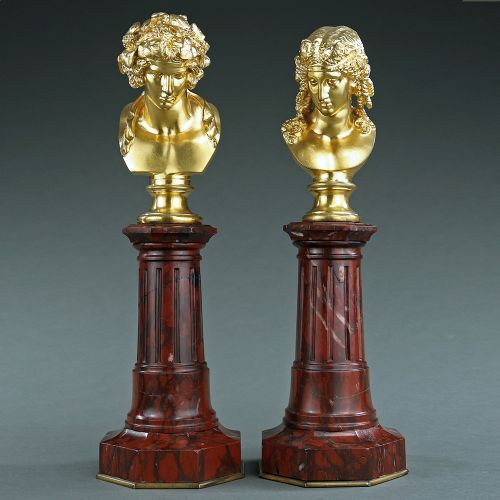
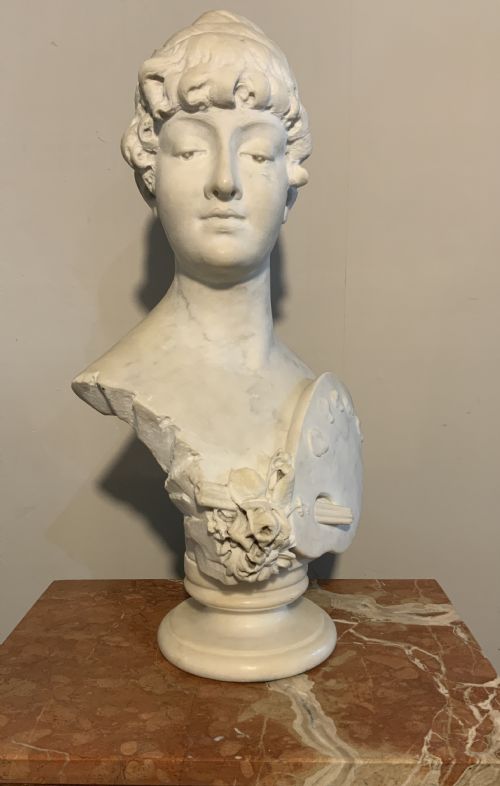
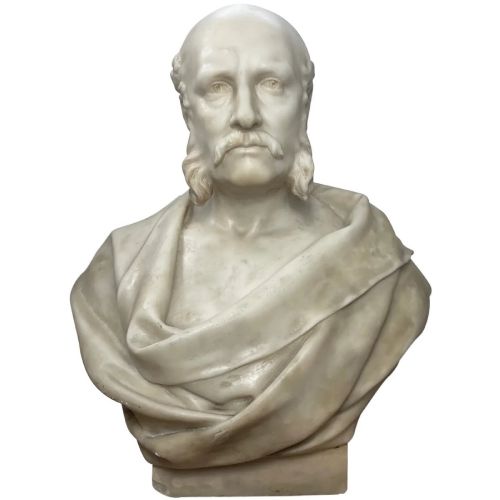
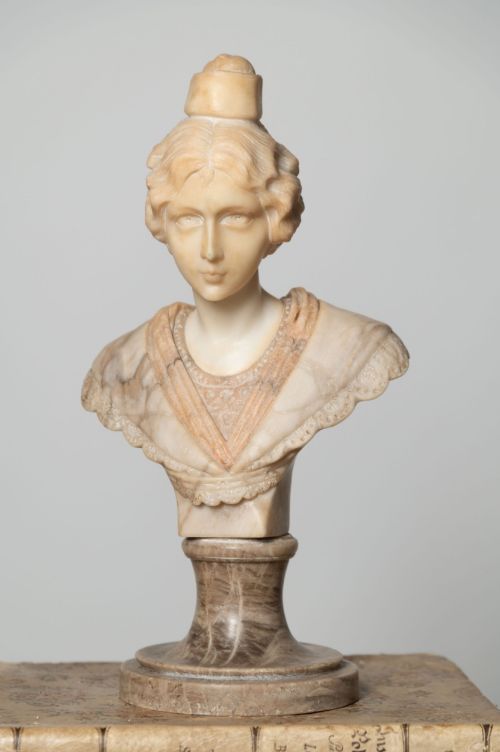
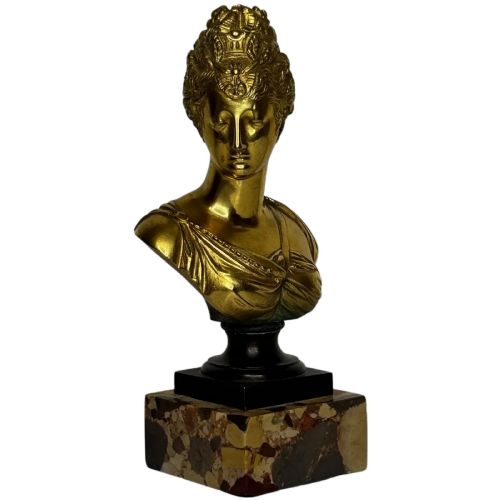
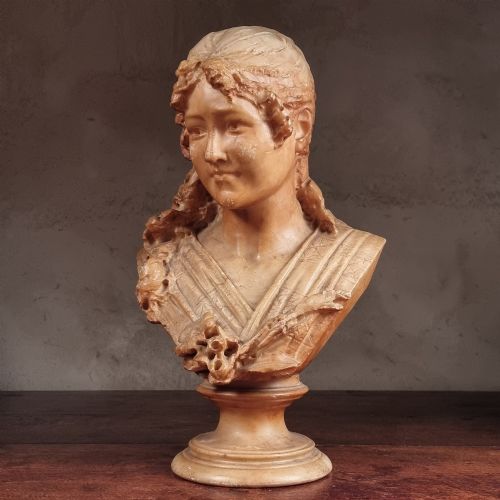
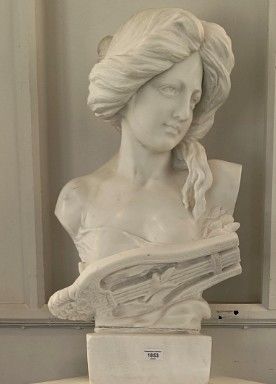
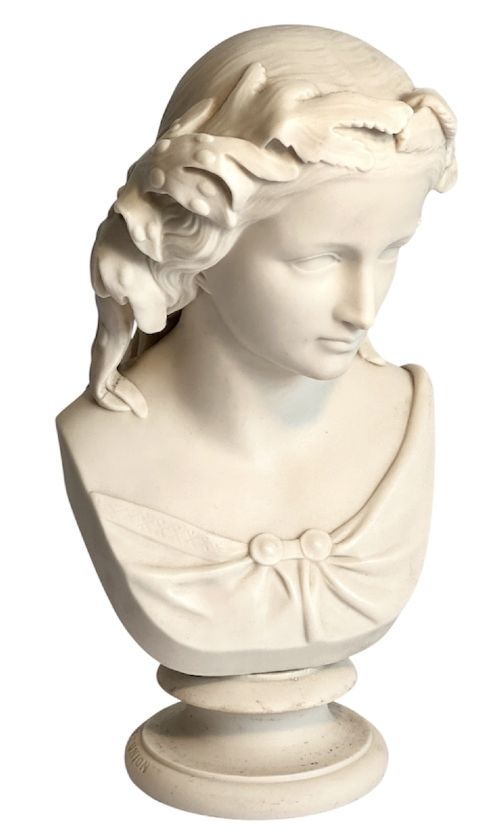
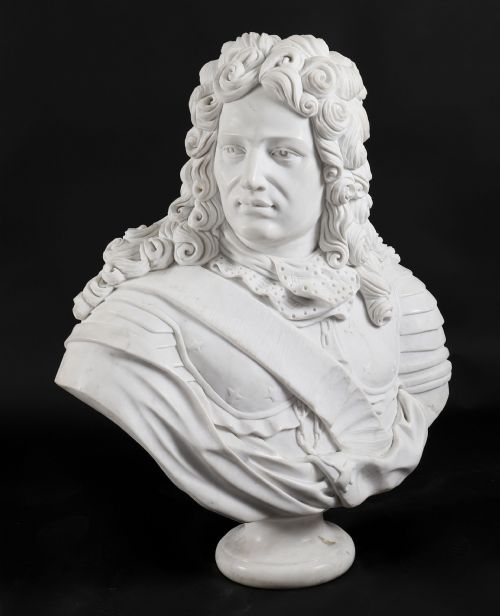
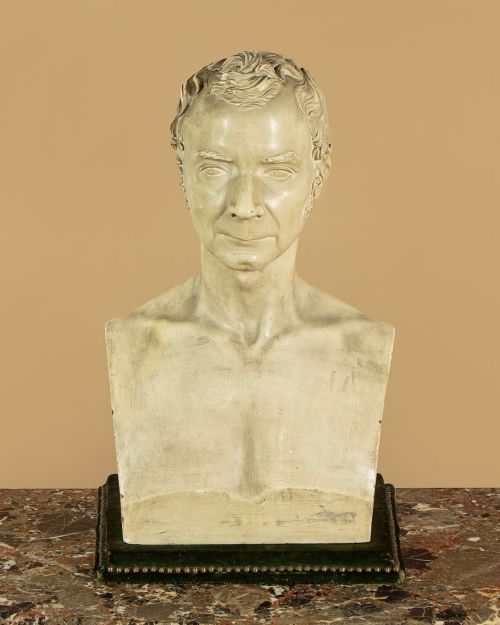
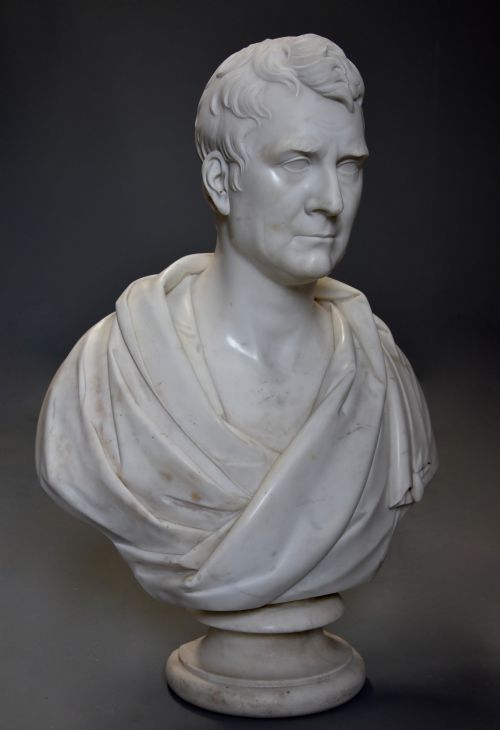
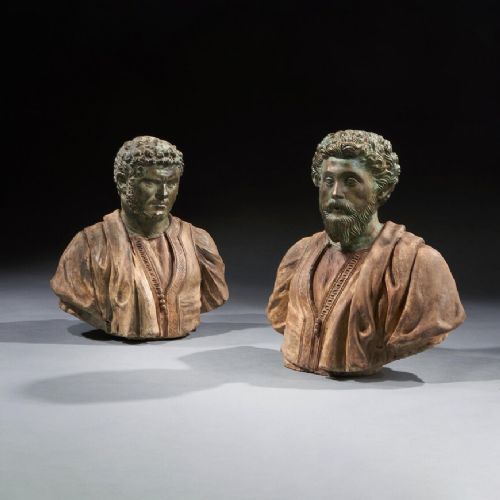
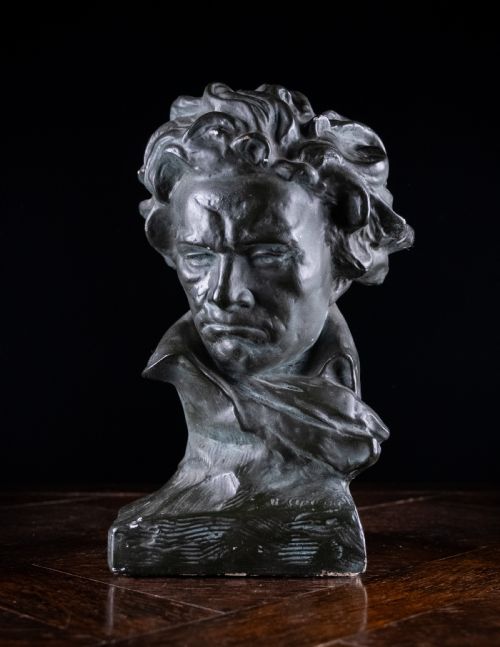
Classical portrait sculpture represents notable or unidentified individuals through carved and cast busts spanning the eighteenth century to the early twentieth century. These sculptural works capture human likeness in traditional forms inspired by ancient aesthetics.
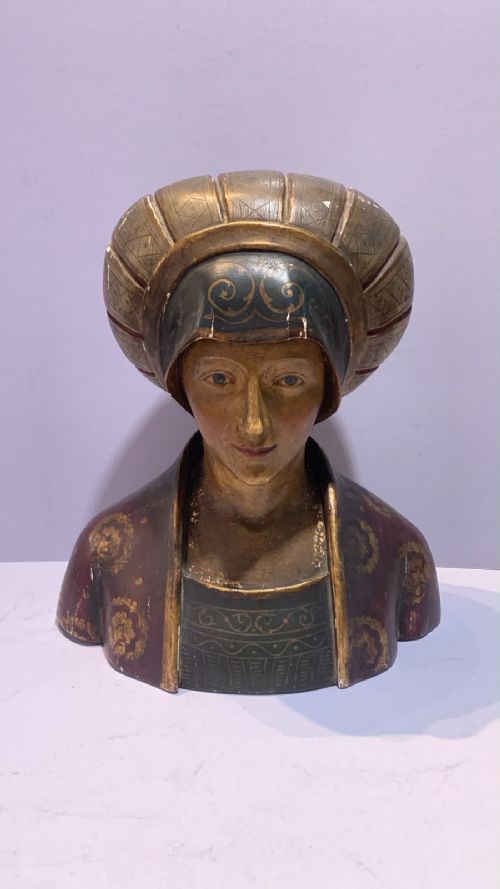
The selections available here range from a marble library bust of Dante Alighieri from nineteen hundred to a carved wooden noble lady from seventeen seventy and a nineteenth century plaster bust of a young man. Each piece adopts neoclassical or classical revival styling to honour its subject.
How they were made
Makers shaped these portrait sculptures using traditional materials such as solid marble, carved wood, and plaster reinforced with gypsum. Polychrome paint sometimes added surface colour and definition to the carved forms.
Current listings feature pieces from eighteen seventy, the eighteenth century, and the early twentieth century, utilising marble, wood, plaster, and gypsum.
What varies in quality
The sophistication of the period style further distinguishes finer works from simpler studio pieces. Greater attention to historical costume and anatomical detail marks the upper tier of these sculptural busts.
The Classical Portrait Sculpture Glossary
- Neoclassical
- An artistic style inspired by the art of classical antiquity. It prioritises proportion, restraint, and classical themes.
- Polychrome paint
- Surface decoration applied in multiple colours. It enhances the visual realism of sculptural carvings.
- Gypsum
- A soft sulphate mineral used to create plaster for casting. It allows for smooth surfaces and fine detail work.
Frequently Asked Questions
What materials are used for these sculptures?
Makers utilised marble, wood, plaster, and gypsum to form these portrait busts.
Some examples also incorporate polychrome paint to add surface colour and detail.
How should I display a library bust?
These sculptures suit placement on sturdy desks, bookshelves, or dedicated pedestals in studies and living spaces.
Ensure they sit away from heavy foot traffic to protect delicate plaster or carved wooden edges.
How do I identify classical revival pieces?
Classical revival works draw direct inspiration from ancient Greek and Roman portraiture traditions.
Look for formal hairstyles, classical drapery, and composed facial expressions typical of historical subjects.