





Antique Wooden Effigy
These antique wooden effigy pieces are carved devotional sculptures and figures crafted across several centuries to capture sacred and secular forms.
Antique Wooden Effigy
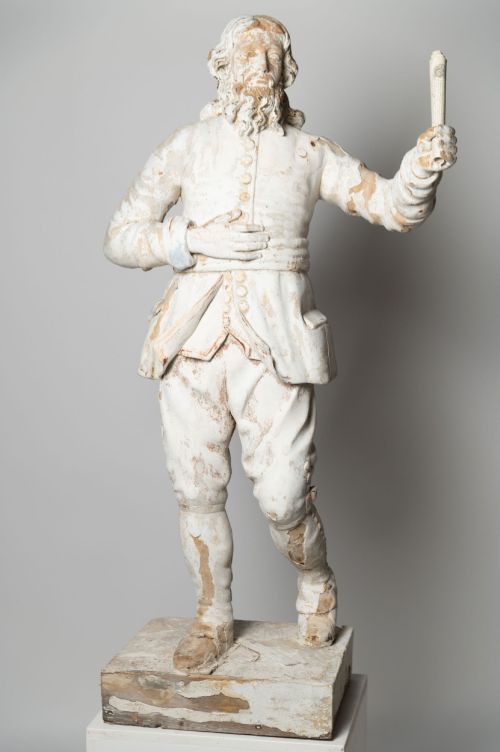
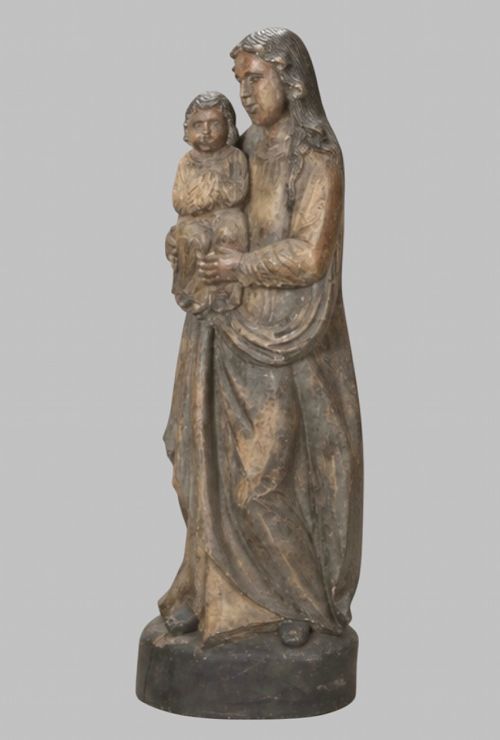
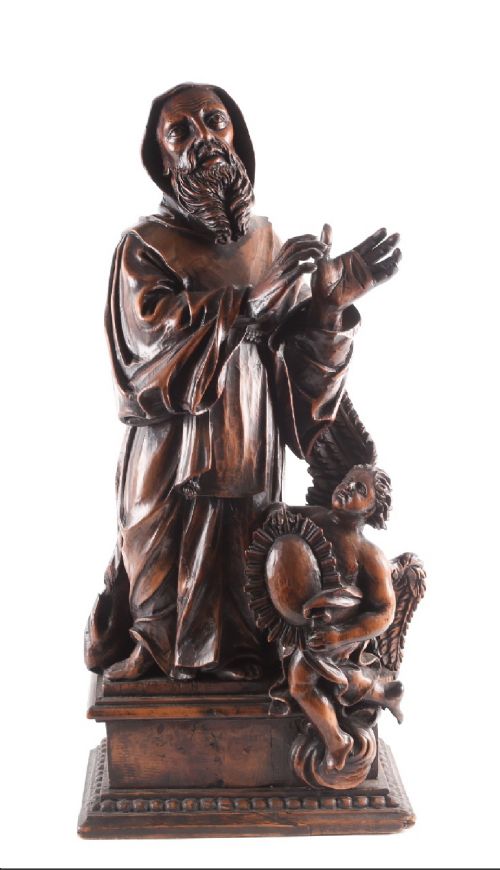
When you search for an antique wooden effigy, you are looking at sculpted representations of saints, noblemen, demons, and animals fashioned from timber by hands long gone. The selection spans centuries of craftsmanship, ranging from small devotional figures to lifesize pieces.
You are most likely to meet religious sculptures and folk art carvings on this page. Pieces include French Renaissance fragments, South German Baroque figures in lindenwood, and Georgian female figures.
The objects cross multiple regional traditions, from Himalayan folk art masks to European church and domestic carvings. Each piece reflects the aesthetic and spiritual concerns of its origin period, whether Gothic Revival, Baroque, or plain folk art.
Materials and construction
The carvers behind these figures worked primarily in timber, utilising native woods such as oak, walnut, and lindenwood. Selection of the log dictated the potential scale and depth of the final carving.
Many surfaces retain traces of historic polychrome paint or retain bare carved wood surfaces shaped with gouges and chisels. Fragments and busts demonstrate the direct removal of material to create three-dimensional form.
A lifesize nineteenth-century antelope stands quietly among the saints and demons.
What sets the quality apart
Quality in these carvings rests upon the anatomical confidence of the sculptor and the expressive power held within the grain. Superior examples demonstrate a fluid handling of drapery and facial expression rather than rigid symmetry.
The distinction between workshop production and master carver output shows in the undercut details of hair, hands, and garments. Preservation of original surface finishes, such as early paint layers, elevates the historical weight of a piece.
The Antique Wooden Effigy Glossary
- Polychrome
- Painted in several colours. This term describes historic wooden sculptures finished with layers of pigment over gesso.
- Lindenwood
- A pale timber traditionally favored by central European carvers. Its tight grain allows for minute detail in complex figurative work.
- Folk art
- Utilitarian or decorative objects made outside formal academic traditions. These pieces rely on regional vernacular styles.
- Santos
- A carved figure of a saint. These devotional sculptures were central to domestic and church shrines.
Antique Wooden Effigy: Frequently Asked Questions
How old are these wooden figures?
The pieces span from the sixteenth century through the nineteenth century and into the early twentieth century.
Dates are determined by stylistic markers, tool marks, and the ageing of the timber.
Where were these carvings displayed?
Figures originated in European churches, private domestic shrines, and regional folk contexts.
Masks and animals reflect broader cultural practices across Himalayan and European traditions.
How should I clean an antique wooden sculpture?
Dusting gently with a dry, soft brush is the standard method for maintenance.
Water and modern cleaning agents should be avoided to protect historic paint and dry wood surfaces.
Why are some pieces listed as fragments?
Many early works survived centuries of upheaval, resulting in detached body parts or truncated busts.
Fragments remain desirable for the purity of their surviving carved detail.