


18th Century Wooden Carving
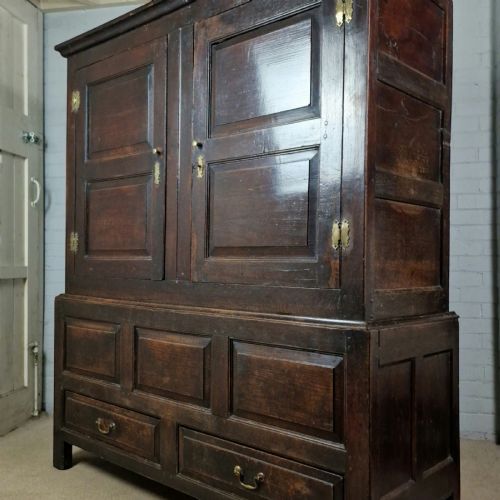
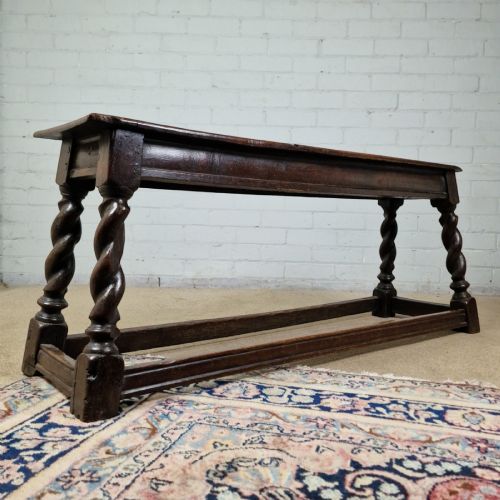
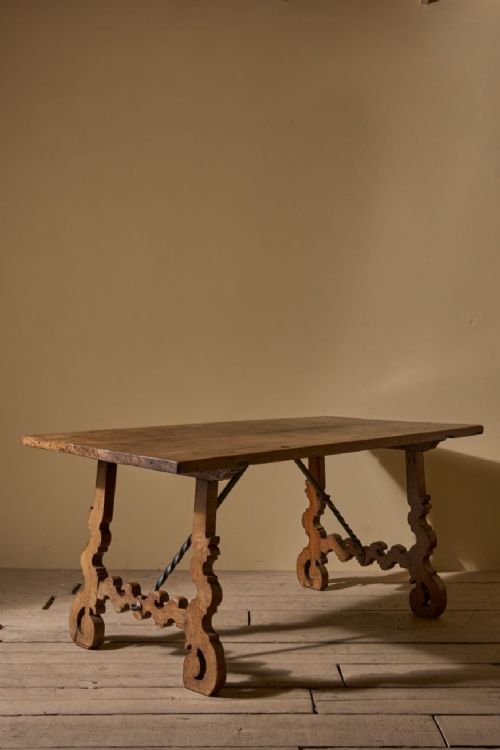
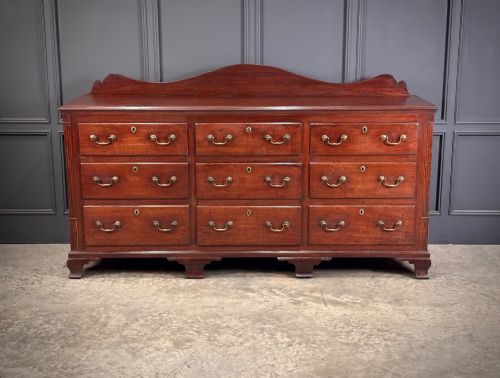
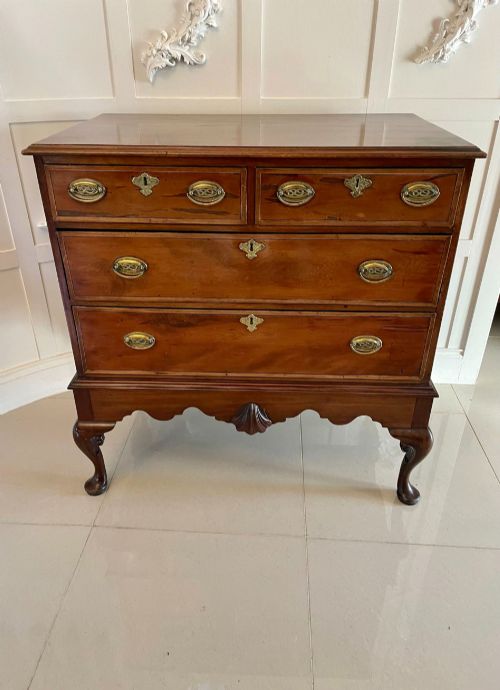
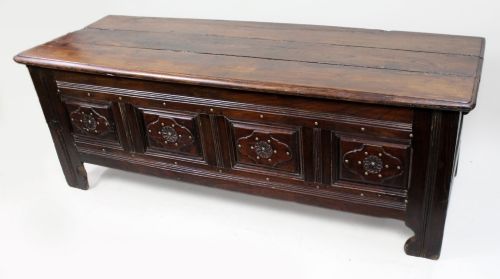
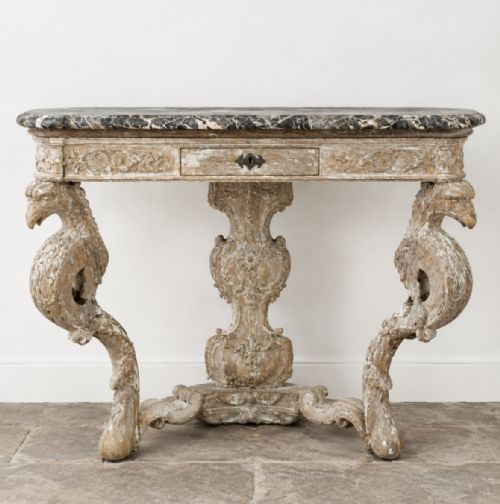
These pieces of 18th century wooden carving bring historic depth and tactile presence to a room through panelled chests, seating, and architectural fragments.
18th Century Wooden Carving
An 18th century wooden carving search yields practical furniture and decorative elements shaped by hand across European workshops. Buyers encounter sturdy coffers, hall chairs, and wall mirrors shaped in oak, walnut, and mahogany.
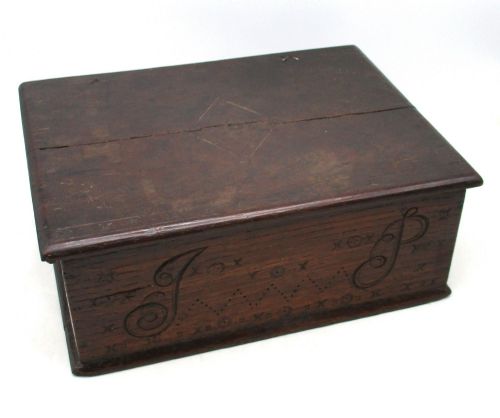
The selection ranges from British country oak furniture to continental pieces influenced by Baroque, Louis styles, and provincial traditions. Functional items such as document boxes, settles, and torcheres dominate the forms available.
How they were made
Cabinetmakers and carvers utilised dense hardwoods such as oak, walnut, and mahogany, working with hand chisels, gouges, and saws. Surfaces often display visible tool marks that indicate manual shaping rather than mechanical production.
Joinery relied on traditional pegging, mortise and tenon joints, and dovetails to build durable carcases and frames. Decorative elements incorporate applied mouldings, turning, and parcel gilding over gesso.
Listings feature oak, walnut, and mahogany across forms including coffers, torcheres, armchairs, and mirrors spanning the eighteenth century.
What varies in quality
Quality rests in the crispness of the carving and the proportion of the timber selected for the piece. Skilled hands created deep relief and fluid lines, whereas lesser work appears shallow or stiff in execution.
Originality of surface and structure defines the better examples on the market. Retaining original hardware, timber patination, and unaltered framing elevates an item above heavily restored equivalents.
The 18th Century Wooden Carving Glossary
- Coffer
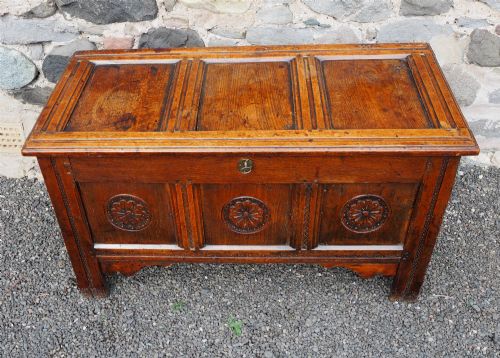
- A large wooden chest used for storage, typically constructed from thick oak boards with hinged lids. These storage pieces often feature carved front panels reflecting the style of their period.
- Torchiere
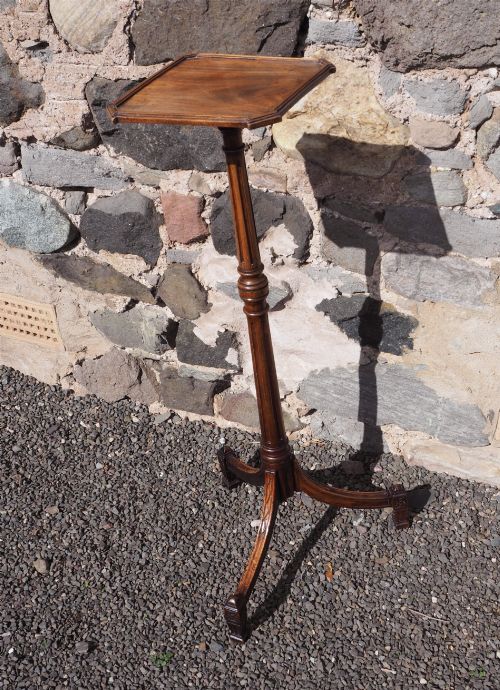
- A tall stand or pedestal designed to support a candle or lamp. Italian and Dutch examples frequently incorporate carved figures, twisting columns, or silvered finishes.
- Wainscot chair
- An early wooden armchair constructed from panelled wood with solid armrests and high backs. They represent sturdy domestic seating from the seventeenth and eighteenth centuries.
- Marquetry
- The art of applying decorative veneer pieces in various woods to form geometric or pictorial designs. This technique appears on continental case furniture such as tall chests.
- Solomonic
- A type of column characterised by a helix twisting shape resembling a spiral. These decorative supports appear on pedestals and furniture frames from the period.
18th Century Wooden Carving: Frequently Asked Questions
How do I care for 18th century carved wood?
Keep wooden pieces away from direct heat sources and sudden temperature shifts to prevent timber splitting. Apply traditional wax polish sparingly to maintain the surface sheen.
Dust the intricate carved recesses gently using a soft bristle brush rather than a cloth that might snag on projecting details.
Where were these carved pieces made?
The items originate from workshops across Britain, France, Italy, Spain, and the Netherlands. Regional styles reflect local timber availability and prevailing artistic influences.
British makers relied heavily on native oak and imported mahogany, while continental artisans utilised walnut, burr elm, and fruitwoods.
Are these items suitable for daily use?
Sturdy items like coffers, benches, and dining chairs remain functional for everyday domestic environments. Their robust joinery is designed to withstand normal weight and handling.
Delicate torcheres, wall mirrors, and decorative figures function best as static focal points in a room rather than utility objects.
How can I identify the period of a carving?
Examine the tool marks, timber choice, and construction methods used in the joinery. Hand-sawn boards and pegged joints typically point towards earlier manufacturing techniques.
Stylistic cues such as Baroque scrolls, Gothic tracery, or neoclassical symmetry help narrow down the decade of production.