





Antique Wooden Effigy Sculpture
These antique wooden effigy sculpture pieces are carved figures and masks spanning several centuries, prized for their rich devotional and folk history.
Antique Wooden Effigy Sculpture
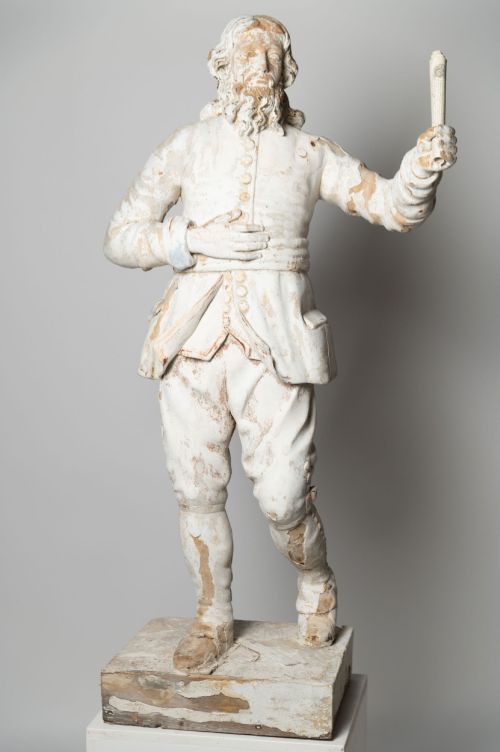
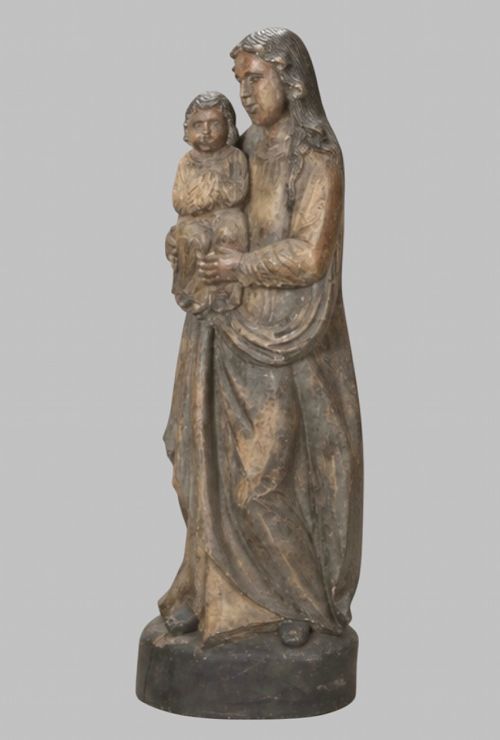
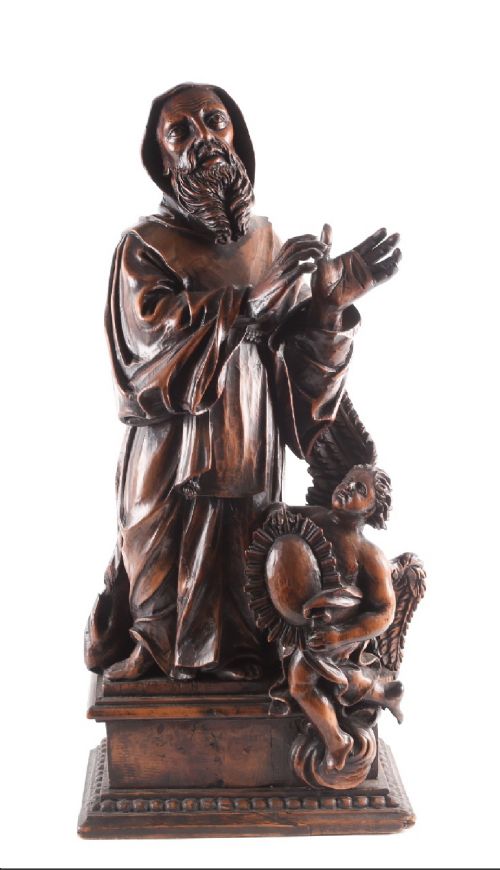
When you search for antique wooden effigy sculpture, you encounter a diverse range of carved forms including saints, noblemen, demons, and animals. The selection spans the sixteenth century to the early twentieth century, taking in both devotional church pieces and vernacular folk art.
The typology embraces complete figures, busts, fragments, and masks, reflecting the varied contexts in which wood was shaped for ritual, memorial, or decorative purposes. Each piece carries the distinct hand of a carver working within specific regional traditions.
Materials and construction
Makers utilised available timbers such as oak, walnut, and lindenwood, selecting blocks suited to the scale of the intended subject. Carvers employed gouges and chisels to shape the grain, working the material while green or seasoned depending on the workshop practice.
The listings span eight distinct periods, stretching from the sixteenth century through to early twentieth-century folk art.
Assessing the work
Condition and the survival of original surface treatments also govern distinction within the field. Pieces retaining early polychrome pigment or untouched historic wax surfaces hold greater documentary integrity than those stripped or heavily restored.
The Antique Wooden Effigy Sculpture Glossary
- Polychrome
- Painted in several colours, typically applied over a gesso ground on wooden sculptures to create lifelike devotional images. This surface decoration frequently survives only in fragments on early pieces.
- Folk art
- Utilitarian or decorative objects made by self-taught or provincial artisans outside the academic mainstream. These carvings often display a direct, unpretentious interpretation of human and animal forms.
- Baroque
- An ornate European style spanning the seventeenth and eighteenth centuries characterised by dynamic movement and dramatic emotional intensity. Figures from this tradition display sweeping drapery and expressive gestures.
- Lindenwood
- A pale, fine-grained timber favoured by continental European carvers for its even texture and suitability for intricate detail. It allows for sharp undercut details without splitting easily.
- Santos
- A devotional figure representing a saint or divine personage, traditionally used in private or institutional worship. These wooden carvings often feature articulated limbs or hollow frames for vestments.
Antique Wooden Effigy Sculpture: Frequently Asked Questions
How are these figures dated?
Dating relies on stylistic markers, tool marks left by the carver, and the natural ageing of the timber. Comparisons with documented church art and dated regional pieces provide further chronological context.
Analysis of any remaining paint layers or preparatory grounds also assists in establishing the period of manufacture.
Why do many sculptures survive as fragments?
Religious shifts, fires, and structural alterations in churches and homes often resulted in the dismantling of larger altarpieces and shrines. Surviving sections were frequently separated from their original architectural settings.
Over the centuries, individual figures or busts were salvaged while the rest of the sculptural group was lost.
How should wooden sculptures be cared for?
Stable indoor humidity and distance from direct heat sources prevent the timber from splitting or warping. Sudden environmental changes place stress on old wood and fragile paint layers.
Dusting should be performed gently with a dry, soft brush without applying commercial polishes or cleaning agents to the historic surface.
What is the difference between folk art and baroque pieces?
Folk art carvings stem from regional vernacular traditions and display a charming, direct simplicity in form and finish. They are typically made by local craftsmen for domestic or community use.
Baroque sculptures reflect academic European workshop training, prioritising theatrical movement, anatomical precision, and sophisticated surface treatments.