





Italian Carving Bust
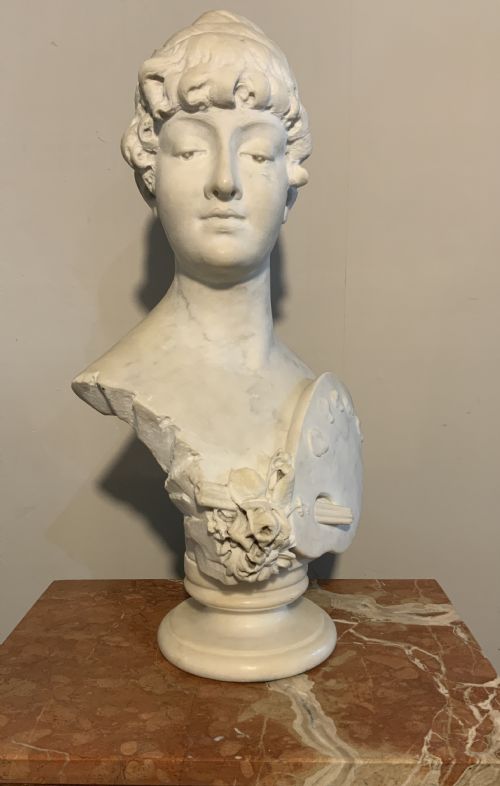
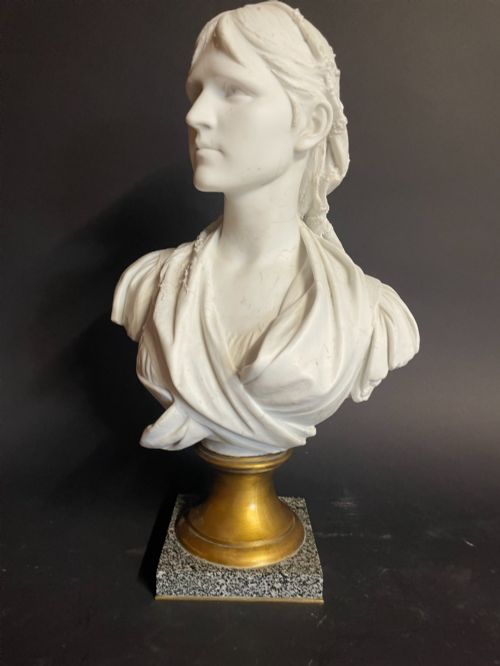
An Italian carving bust brings sculptural presence to a room, capturing classical subjects in marble, alabaster and wood through centuries of tradition.
Italian Carving Bust
When you search for an italian carving bust, you encounter sculptural portraits and fragments originating from workshops across Italy, spanning from the seventeenth century through to the mid-twentieth century.
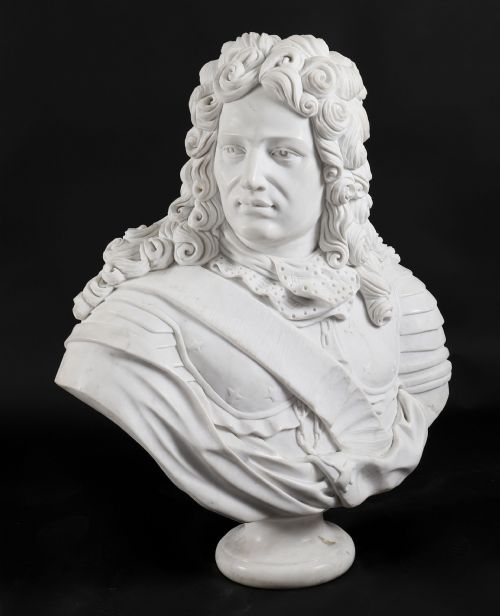
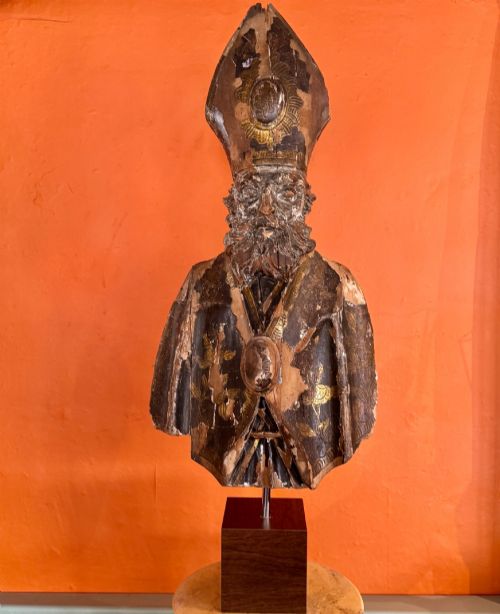
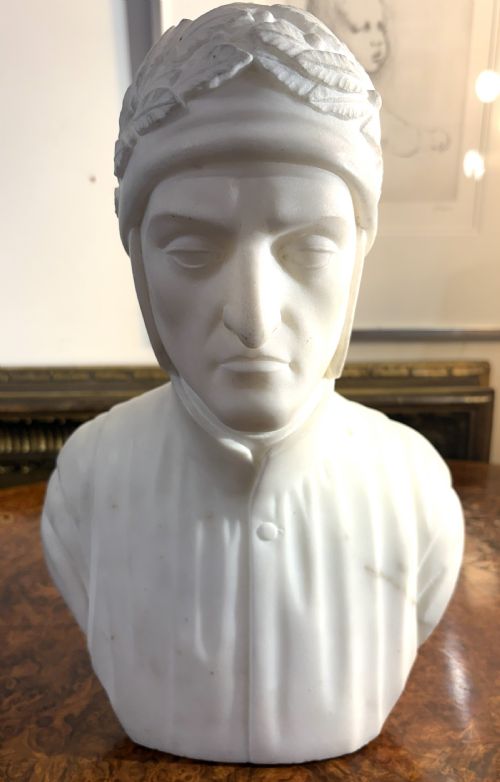
The selections on this page range from grand tour souvenirs of noblewomen and Roman emperors to ecclesiastical figures, literary icons such as Dante and Virgil, and mythological subjects like Diana.
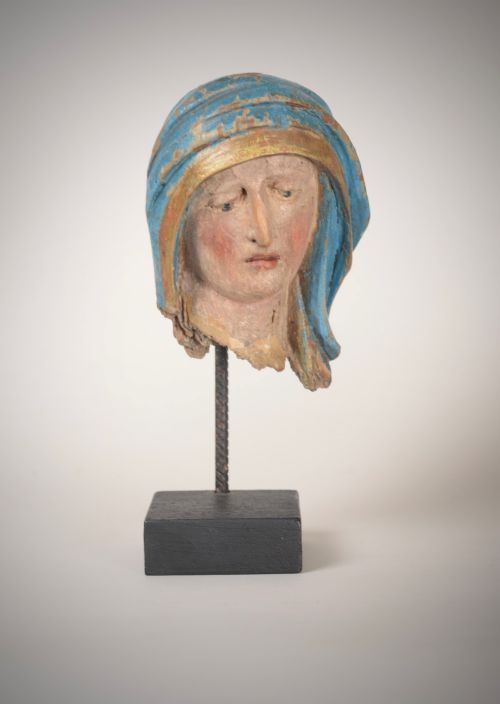
You will most frequently meet nineteenth-century Carrara marble depictions, alongside carved wood religious figures and alabaster studies of young children or female subjects.
Materials and carving methods
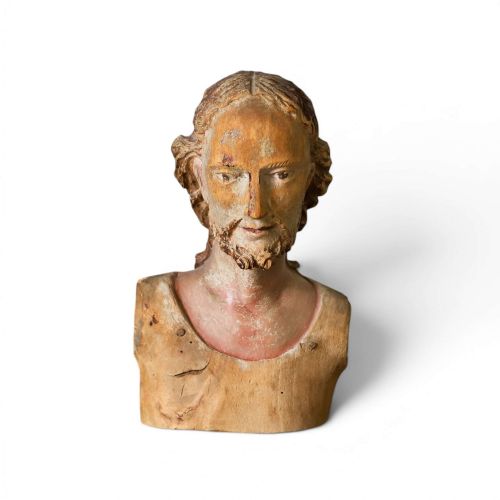
Carvers shaped these pieces primarily from white and Carrara marble, fine-grained alabaster, and various woods including olive wood and mahogany.
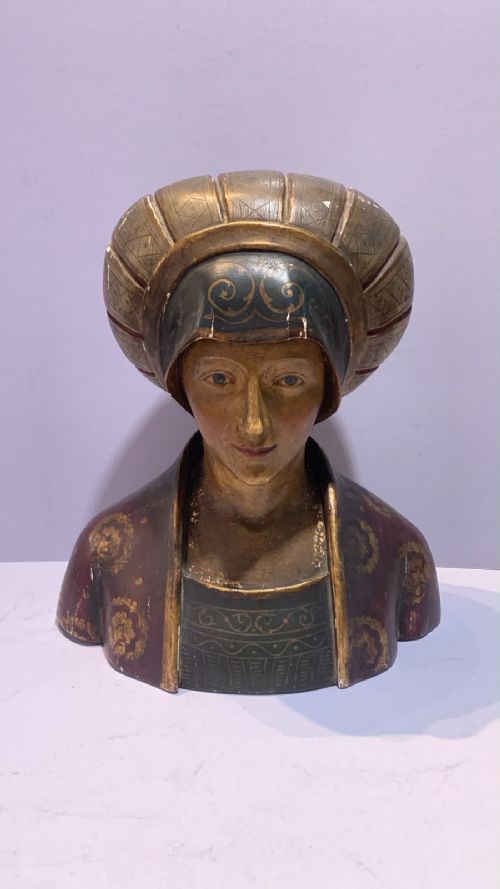
Many wooden ecclesiastical and portrait examples incorporate polychrome pigment, gesso, and gold leaf surface treatments to add rich colour and decorative depth.
Sculptors utilised traditional chisel and drill techniques, occasionally combining carved marble with bronze elements or mounting them upon contrasting bases made of Vert de Mer or Portoro marble.
Italian Carving Bust Retail Price Guide 2026
Typical asking prices for italian carving bust among the pieces listed under this phrase on Sellingantiques today, from the lower quarter to the upper quarter. They describe what is for sale here now, not the wider market.
Even horses receive immortalisation here, caught in stone alongside emperors and bishops.
Judging quality in carved sculpture
Quality rests in the anatomical precision of the carving, particularly in the rendering of facial expressions, hair texture, and the fall of drapery.
The choice of raw material dictates the baseline refinement, with flawless Carrara marble and translucent alabaster offering superior tactile depth compared to standard stone.
Signatures by recorded makers or provenance originating from nineteenth-century grand tour collections elevate the artistic standing of an individual piece.
R. Mattei·Pugi·Gory·A. Cipriani
The Italian Carving Bust Glossary
- Carrara marble
- A type of white or blue-grey marble quarried in the city of Carrara in Tuscany, prized by sculptors for its uniform grain and durability.
- Polychrome
- The practice of decorating architectural elements, sculpture, or pottery in a variety of colours.
- Grand Tour
- A traditional trip of Europe undertaken by upper-class European young men of sufficient means, resulting in the acquisition of souvenirs like carved busts.
- Alabaster
- A fine-grained, translucent stone often used for detailed carving and ornamental sculpture.
- Scagliola
- A composite substance made from selenite, glue, and pigments, used to imitate marble and other fine stones for pedestals and columns.
Italian Carving Bust: Frequently Asked Questions
What periods do these busts cover?
The pieces span from the seventeenth century through the eighteenth and nineteenth centuries, extending into the early and mid-twentieth century.
This broad timeline encompasses seventeenth-century fragments alongside nineteenth-century grand tour souvenirs and twentieth-century modernist interpretations.
How were these sculptures displayed originally?
Many were displayed in private libraries, studies, and drawing rooms as marks of classical learning and refined taste.
Ecclesiastical busts rested in churches and chapels, while smaller profile plaques and reliefs hung on interior walls.
What is a grand tour bust?
A grand tour bust is a souvenir acquired by travellers touring cultural centres in Italy during the eighteenth and nineteenth centuries.
These pieces typically depicted classical Roman emperors, mythological figures, or literary heroes to demonstrate the owner's classical education.
How do I care for marble and alabaster?
Marble and alabaster require gentle dusting with a soft, dry cloth to prevent the accumulation of dirt within intricate carved details.
Water and chemical cleaning agents should be avoided, particularly on polychrome or gilt-wood surfaces where moisture damages historical pigments.