



Small Bronze Classical Sculpture
These small bronze classical sculpture pieces bring antiquity into domestic rooms, offering classical figures cast in bronze through centuries of revival.
Small Bronze Classical Sculpture
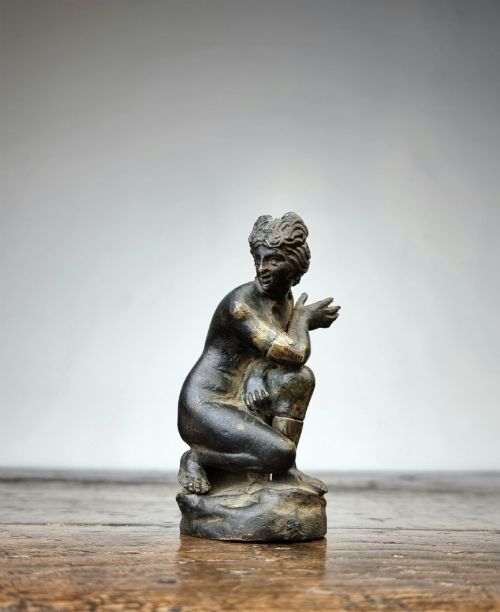
A small bronze classical sculpture captures mythological and antique figures in miniature, ranging from crouching deities to infant gods. These small works serve as cabinet pieces and desk ornaments, drawing on classical antiquity through periods spanning several centuries.
The pieces seen here include seventeenth-century figures alongside eighteenth-century depictions of Hercules and Neptune. Nineteenth-century examples bring Grand Tour subjects, such as Dionysus and musician figures, into domestic settings.
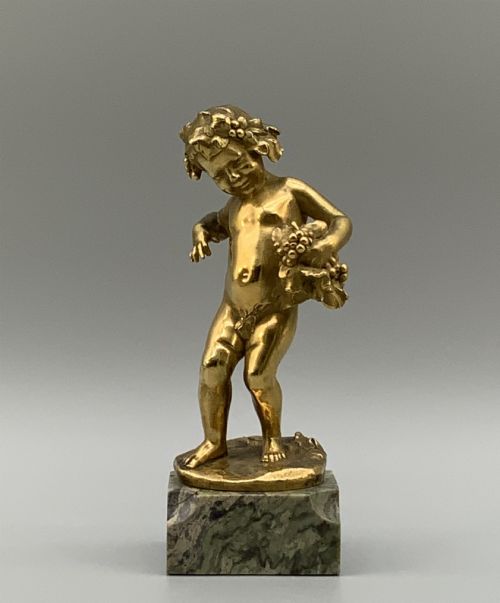
Twentieth-century studies continue the tradition with depictions of Pan and the fawn alongside cherub figures. Makers such as Charles Louis Malric working for Susse Frères represent the foundry output of later periods.
How they were made
Foundries produced these pieces using metal casting methods, utilising bronze, cast bronze, and brass. Gilt bronze finishes and patinated metal surfaces provided tonal variation and decorative richness.
Mounts and bases frequently incorporated marble to support the metal figures. Artisans chased and finished the cast metal surfaces by hand to define anatomical details and drapery.
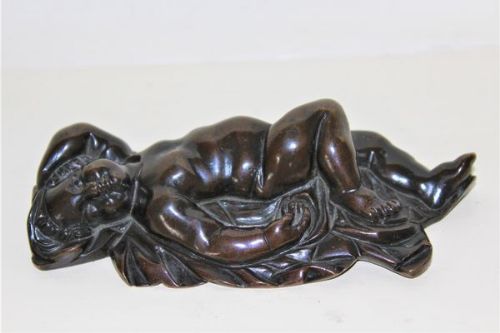
A chubby cherub dozing quietly in bronze reminds us that even mythical infants needed a nap after causing trouble on Mount Olympus.
What varies in quality
The depth and richness of the patina or the application of gilding contribute significantly to the visual presence of the metal. Original bases, particularly carved marble plinths, enhance the integrity of the piece.
Charles Louis Malric·Susse Frères
The Small Bronze Classical Sculpture Glossary
- Grand Tour
- A traditional trip through Europe undertaken by upper-class travellers who collected antiquities and small bronzes. These souvenirs formed the basis of many nineteenth-century collections.
- Patinated Metal
- Metal treated with chemicals or heat to produce a stable surface colour. This process protects the bronze and creates rich brown, green or dark tones.
- Gilt Bronze
- Bronze coated with a thin layer of gold or gold amalgam. The technique adds a bright metallic lustre to the surface of the sculpture.
- Neoclassical
- A style inspired by the art and culture of classical antiquity. It prioritises proportion, restraint and direct references to Greek and Roman models.
Small Bronze Classical Sculpture: Frequently Asked Questions
What periods do these sculptures date from?
The pieces span multiple centuries, ranging from seventeenth-century examples to works produced in the early twentieth century.
Nineteenth-century Grand Tour items and revival pieces form a significant portion of the available material.
How were these bronzes displayed originally?
Collectors placed these statuettes on desks, library tables and cabinets as scholarly ornaments. They allowed owners to display their appreciation for classical mythology and history within private rooms.
Marble plinths often elevated the figures to highlight their sculptural qualities.
What subjects are most common?
Mythological figures dominate the selection, including representations of deities such as Dionysus, Neptune, Venus and Hercules. Pastoral subjects like Pan playing pipes to a fawn also appear.
Infant figures and cherubs represent another recurring motif within the classical tradition.
How can I distinguish period types?
Early pieces from the seventeenth and eighteenth centuries often display heavier casting and distinct patination developed over long periods. Nineteenth-century Grand Tour and revival works reflect the scholarly interests of that era.
Foundry marks and specific material combinations such as gilt bronze on marble help clarify the origin.