
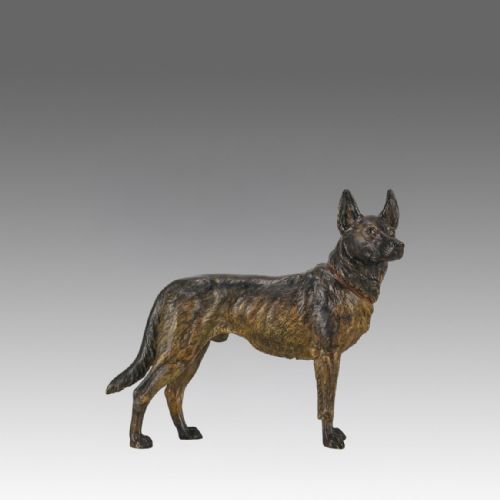
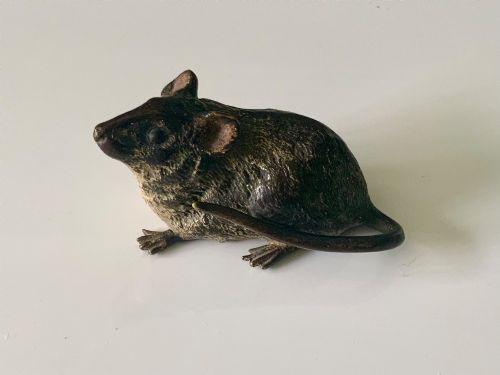

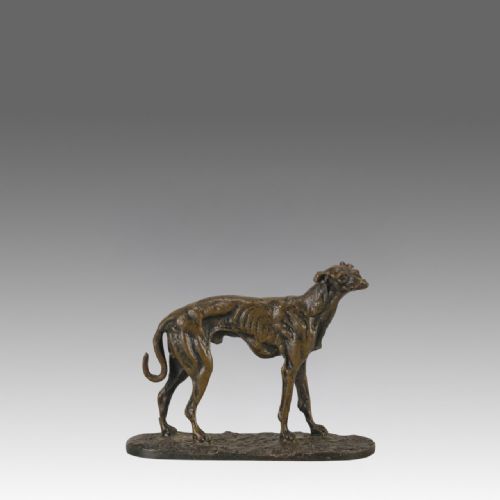
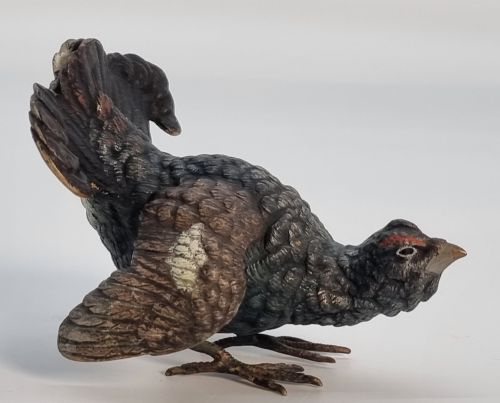
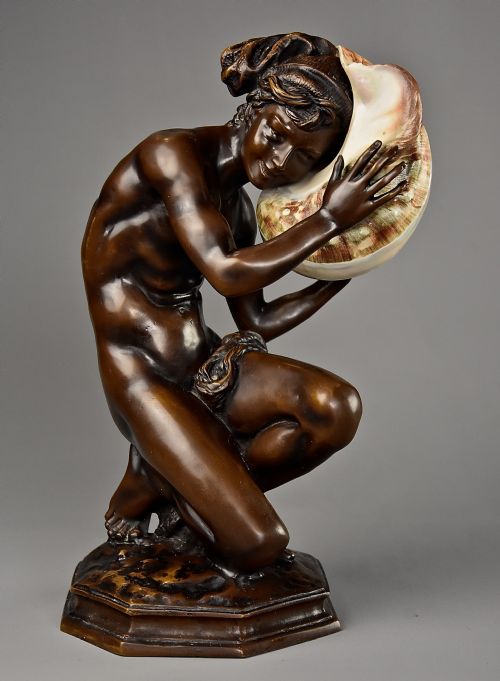
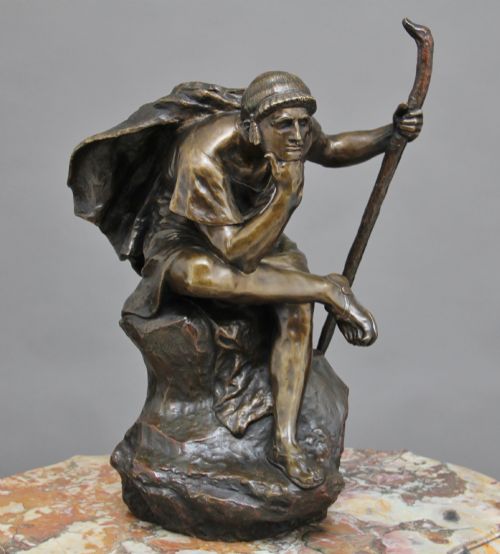
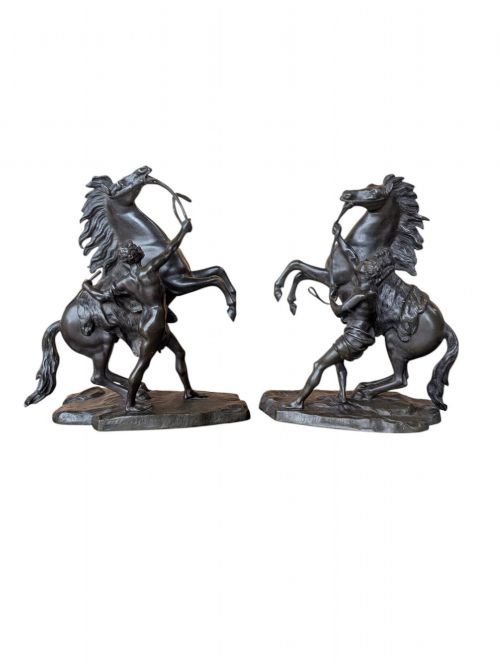
Dark Brown Bronze Figurine
A dark brown bronze figurine brings tactile weight and classical presence to a mantelpiece, offering centuries of sculptural craftsmanship in miniature form.
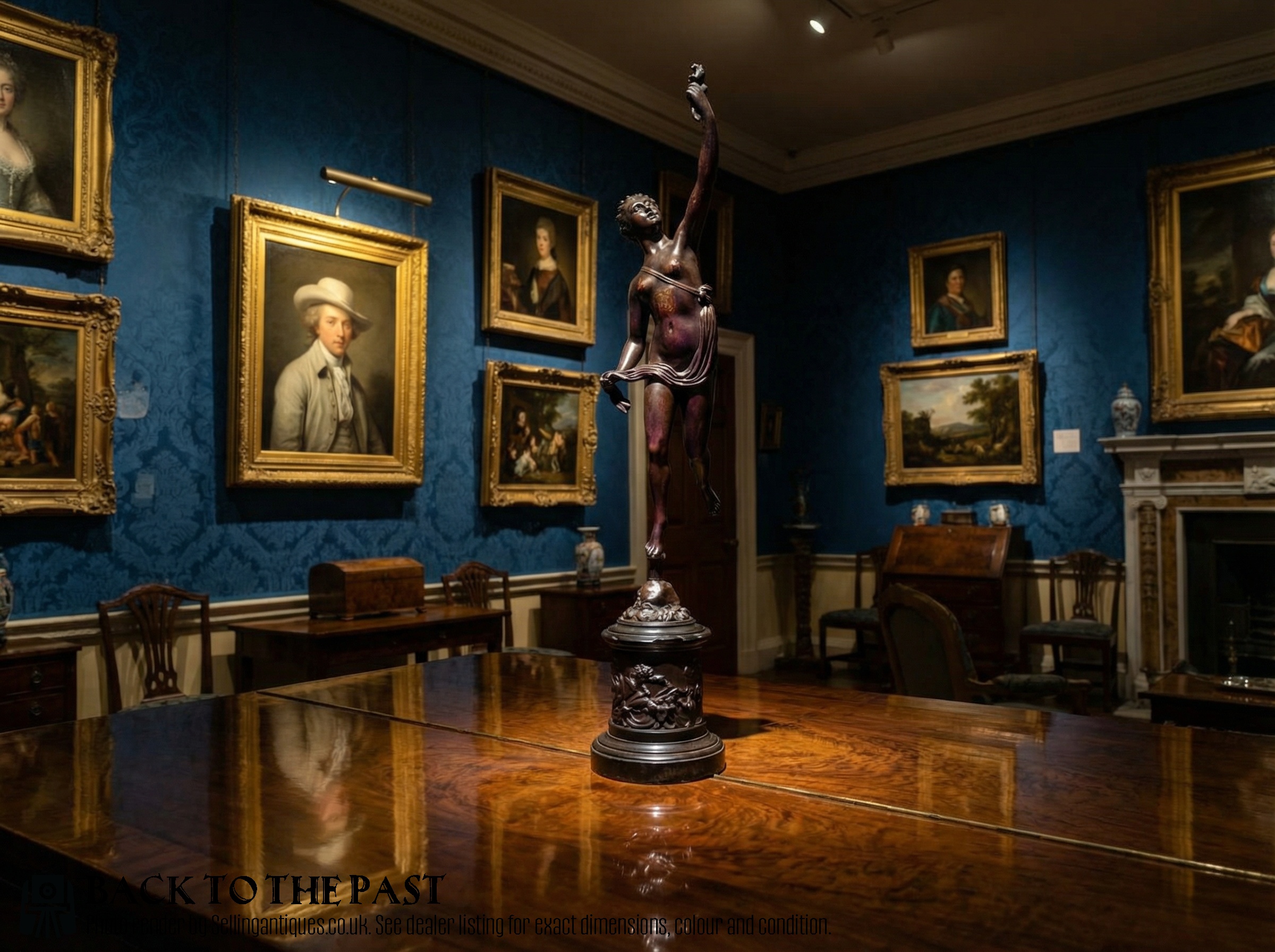
Dark Brown Bronze Figurine
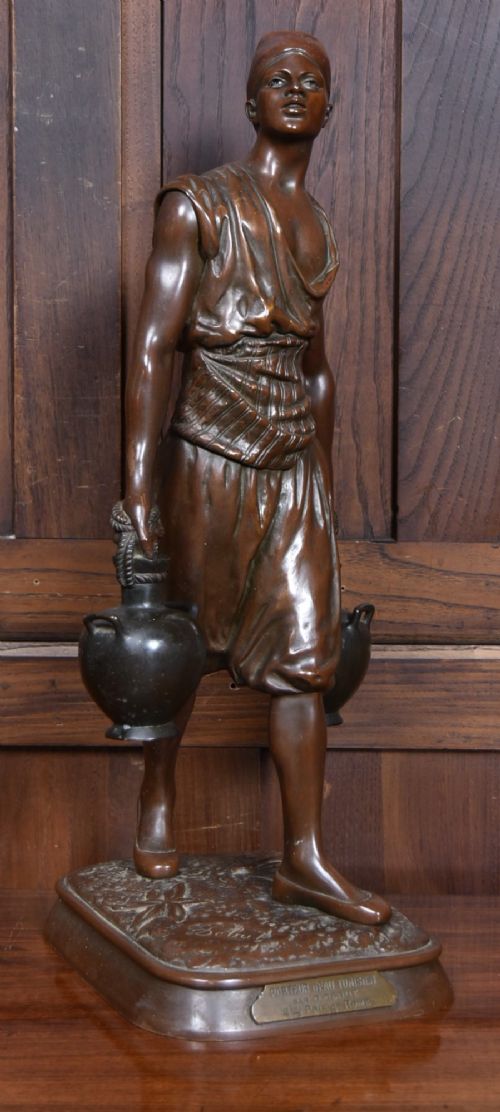
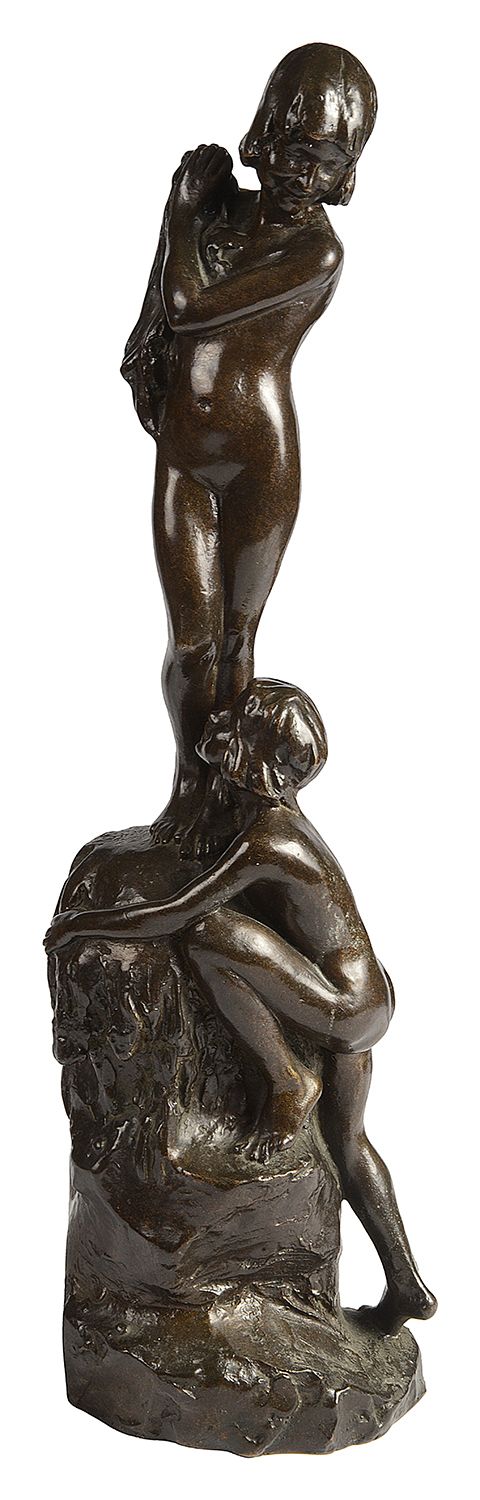
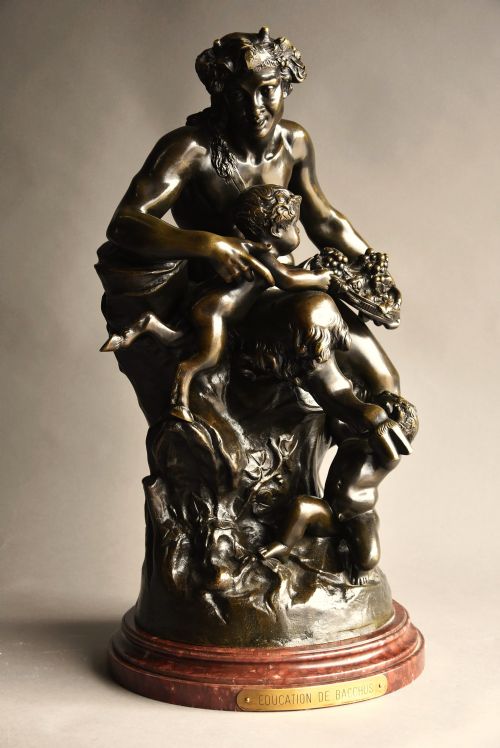
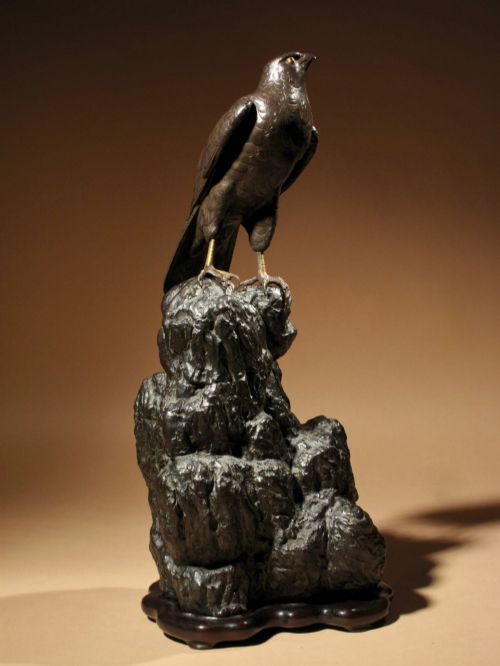
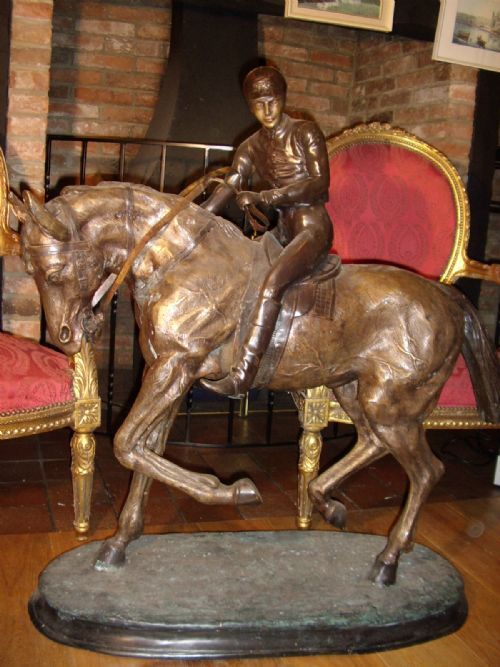
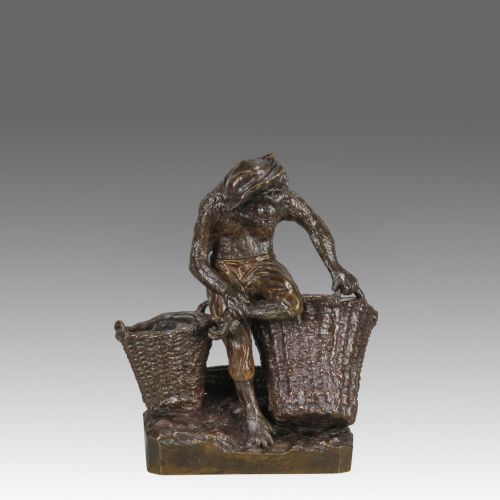
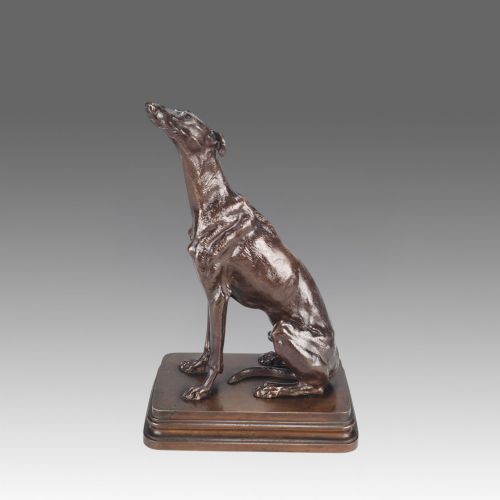
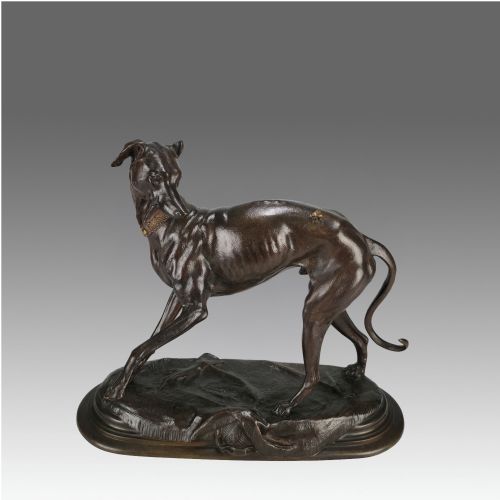
A dark brown bronze figurine encompasses solid metal sculptures and small statuary shaped across the nineteenth and early twentieth centuries. These pieces represent animals, mythological figures, and human subjects cast by European and international workshops.
Buyers encountering this selection regularly meet animalier studies of hounds and horses alongside human figures ranging from Neoclassical deities to Art Deco dancers. Many examples sit upon integrated or separate bases of marble, onyx, or patinated metal.
The aesthetic leans toward rich, dark patination applied to copper alloy casts, capturing minute details of fur, fabric, and muscle. Collectors find these objects serving both as desk ornaments and cabinet centrepieces.
Materials and casting methods
The primary material is bronze, a durable copper and tin alloy capable of holding exceptionally sharp chisel and file work after casting. Foundries utilised traditional methods to pour molten metal into moulds before applying chemical patination to achieve deep brown tones.
Secondary elements often incorporate marble or onyx for heavy plinths, while specific Austrian examples feature cold-painted pigments applied directly over the metallic surface. Paint, wood, and cast iron also appear across related companion pieces and figures.
Dark Brown Bronze Figurine Retail Price Guide 2026
Typical asking prices for dark brown bronze figurine among the pieces listed under this phrase on Sellingantiques today, from the lower quarter to the upper quarter. They describe what is for sale here now, not the wider market.
Listings feature 19th-century and early 20th-century periods, utilising bronze, marble, patinated bronze, paint, wood, cast iron, spelter, and onyx.
Assessing sculptural standard
Quality rests heavily upon the crispness of the post-casting chase work, where skilled hands sharpened details in the metal before patination. Softer casts lose definition around facial expressions and anatomical textures.
Signatures of established modellers and foundry stamps elevate a piece, reflecting careful supervision of the casting process. The depth and stability of the dark brown patina, alongside the quality of any stone plinth, separate standard workshop output from exceptional examples.
Pierre Jules Mene·Franz Bergman·Alfred Dubucand·Jules Moigniez·Emile Louis Picault·Carl Kauba·Jules Dalou·Christophe Fratin
The Dark Brown Bronze Figurine Glossary
- Patination
- The surface coloration of metal achieved through chemical application or natural ageing. A rich dark brown tone is typical of nineteenth-century foundry treatments.
- Animalier
- A nineteenth-century artistic genre focusing on the realistic depiction of animals. Sculptors in this style studied movement and anatomy closely.
- Cold-painted bronze
- A technique where pigment is applied to a cold metal surface rather than fired in a kiln. This finish requires careful handling to prevent flaking.
- Grand Tour
- Souvenirs collected by travellers visiting classical European sites during the nineteenth century. These often replicate ancient statues in miniature bronze.
- Spelter
- A zinc alloy commonly used as a cheaper alternative to bronze. It accepts patination similarly but feels lighter and less durable.
Dark Brown Bronze Figurine: Frequently Asked Questions
What is the difference between bronze and spelter?
Bronze is a robust copper alloy that accepts fine chiselling and heavy patination, maintaining structural integrity over centuries. Spelter uses zinc, which is softer, lighter, and more brittle.
Lifting a piece usually reveals the difference immediately through weight and density. Bronze also develops a stable historical surface, whereas spelter tends to pit or flake when the painted finish wears.
Where were these figurines displayed originally?
Nineteenth-century owners placed these small sculptures on library desks, study tables, and mantelpieces where guests could handle and admire them closely. Cabinet displays also housed delicate cold-painted miniatures.
Their compact scale allowed them to integrate easily into domestic interior spaces. Today, they suit similar display settings on bookshelves or occasional tables.
How can I identify an animalier sculpture?
Animalier works focus entirely on naturalistic animal behaviour, often depicting horses, dogs, and wild predators in motion or repose. Look for anatomical accuracy and expressive postures.
Signatures on the base or plinth often point to specialist nineteenth-century modellers. The dark brown patination accentuates the musculature and textures of the subject.