




Regency Bronze Sculpture
Regency bronze sculpture brings classical antiquity and mythological subjects into the room through heavy metal figures and lamps cast in the early nineteenth century.
Regency Bronze Sculpture
When you search for regency bronze sculpture, you encounter a selection of solid metal figures, animals, doorstops, and lighting components originating from the early nineteenth century. The examples on this page span the Regency and Georgian eras, alongside later nineteenth century interpretations of neoclassical subjects.
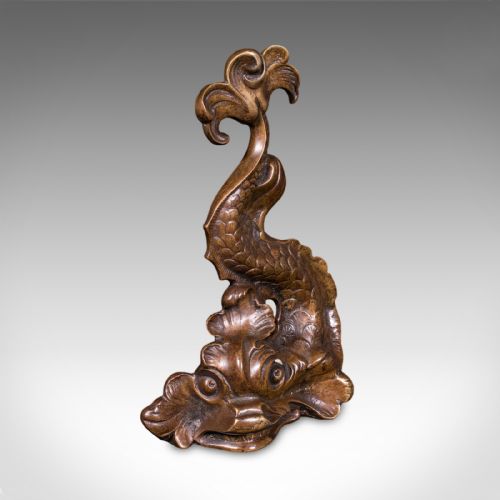
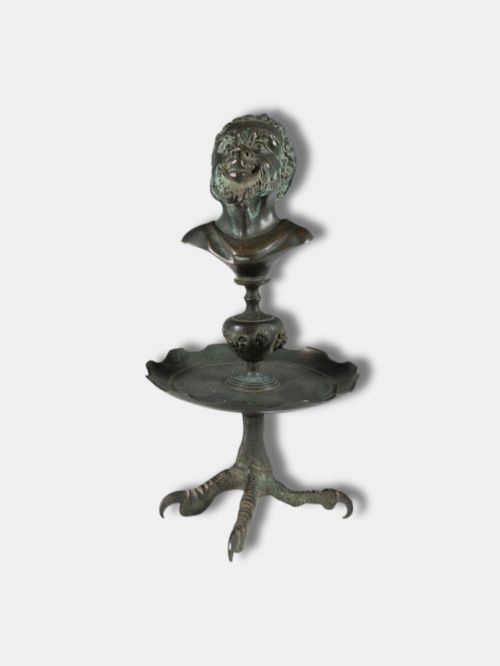
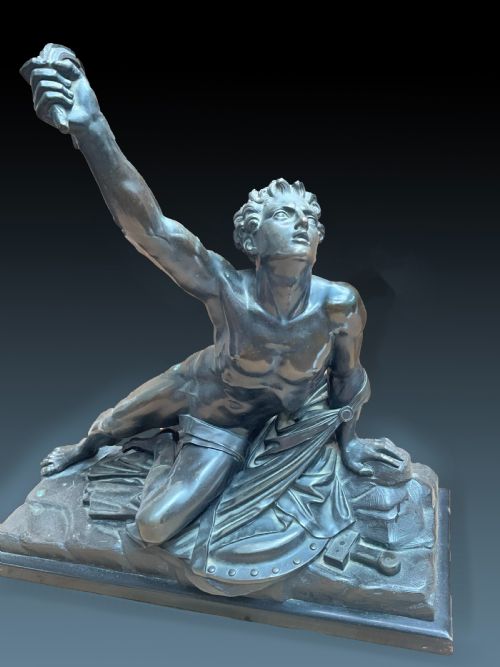
You will find mythological beasts, lions, poodles, sphinxes, and classical figures mounted on marble bases or integrated into oil lamps and torchere stands. The selection ranges from monumental architectural bronzes to smaller cabinet pieces and functional items like doorstops.
Most pieces date broadly to the nineteenth century, with specific items attributed to the Regency period around eighteen hundred and twenty. Makers such as Humphrey Hopper and Baetens London appear alongside grand tour souvenirs and unsigned foundry castings.
Factors that separate examples
The quality of the patination and the integration of secondary materials, such as veined marble plinths or gilt brass mounts, distinguish finer workshop productions from standard foundry output. Original mounts and unaltered patination contribute significantly to the integrity of a piece.
Listings feature nineteen and twentieth century objects, predominantly in bronze, ormolu, and plaster, spanning sculptural figures, lamps, and doorstops.
Baetens London·Humphrey Hopper
The Regency Bronze Sculpture Glossary
- Patinated bronze
- Bronze treated with chemical solutions to produce a controlled surface colour, usually dark brown or greenish brown. This finish protects the metal and defines the sculptural contours.
- Ormolu
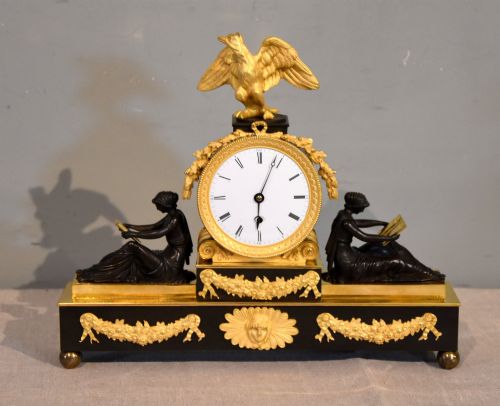
- Finely chopped gold applied to a copper base using a mercury amalgamation technique, yielding a rich golden surface. The method was widely employed during the Regency period for decorative mounts and timepieces.
- Neoclassical
- A style rooted in the art and architecture of classical Greece and Rome, dominant during the late eighteenth and early nineteenth centuries. It manifests in these sculptures through subject matter and formal proportions.
- Grand Tour
- The traditional trip through Europe undertaken by upper class young men to absorb classical culture, bringing home small bronzes and marbles as mementos. These souvenirs form a distinct category within nineteenth century metalwork.
- Torchere
- A tall ornamental stand or floor lamp designed to hold a light source. In this context, they often take the form of classical columns or bronze figures supporting a light fixture.
Regency Bronze Sculpture: Frequently Asked Questions
How do I date a bronze sculpture?
Dating relies on the casting technique, the depth and tone of the patination, and the style of the base or mount. Early nineteenth century pieces often feature hand chased details and heavy sand castings.
Material analysis of the underlying bronze and inspection of any maker marks or signatures help narrow the period of production.
What is the difference between bronze and ormolu?
Bronze is an alloy of copper and tin used structurally and decoratively for its strength and ability to take fine detail. Ormolu refers specifically to gilded bronze where gold leaf or amalgam creates a bright golden finish.
Many Regency pieces combine patinated bronze bodies with ormolu mounts to create contrast between dark metal and bright highlights.
Where should I place a bronze sculpture?
These pieces require stable surfaces capable of supporting substantial weight, particularly when mounted on marble bases. Placing them on sturdy tables, pedestals, or mantelpieces ensures safe display.
Keep bronze sculptures away from direct heat sources and excessive moisture to preserve the stability of the patination and any attached marble or wood.
How do I clean a bronze sculpture?
Dusting with a soft, dry lint free cloth prevents the accumulation of particulate matter on the surface. Avoid using chemical cleaners, water, or abrasive polishes that can strip the historic patina.
Professional conservation is recommended if oxidation or heavy grime obscures the details of the cast metalwork.