






Large Bronze Statue Base
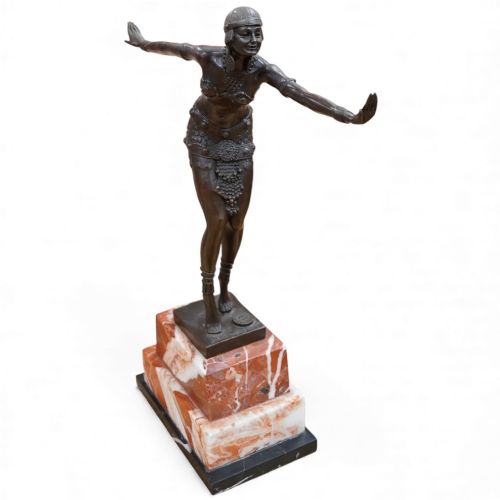
A large bronze statue base grounds a substantial sculptural work, providing crucial physical support and visual balance for figures cast in metal.

Large Bronze Statue Base
When you search for a large bronze statue base, you encounter sturdy plinths and mounting platforms that anchor monumental figurative bronzes, animalier studies, and allegorical groups. These foundations range from dedicated architectural supports to integral components of the sculpture itself, often designed to complement the heavy weight of the metal above.
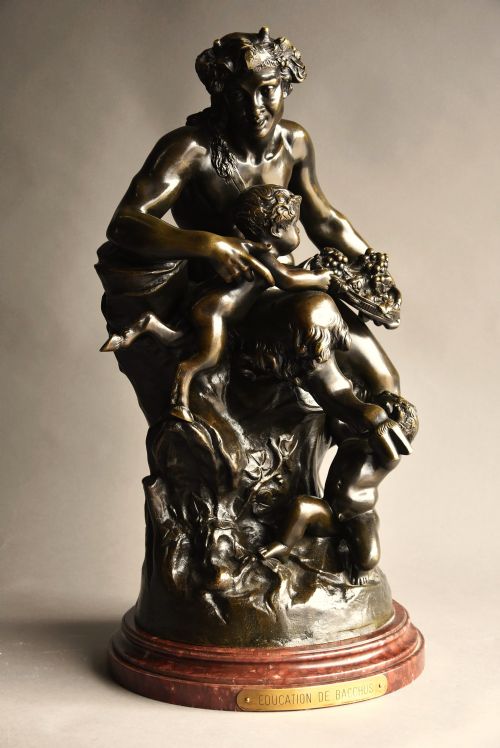
The pieces listed here frequently incorporate contrasting materials beneath the primary cast, pairing metal sculptures with polished stone or timber. These mountings appear across various periods, from nineteenth-century French salon bronzes to Art Deco animalier compositions and Asian metalwork.
Buyers look for these supports to display sculptural figures securely, noting how the base proportions affect the overall silhouette of the piece. The selection includes dedicated marble and onyx plinths alongside integrated metal footings.
Materials and construction
Cast bronze and copper alloys form the primary structural elements of the upper figures, utilising traditional foundry methods such as lost-wax casting. Artisans frequently combined these metal components with heavy natural stones, cutting and polishing marble, onyx, and root wood to serve as stable counterweights.
Surface treatments range from dark patination and cold-painted pigments to rich gilding, applied directly to the metal before mounting to the base. Artisans secured the heavy figures to their stone plinths using threaded rods, pins, or integrated metal feet.
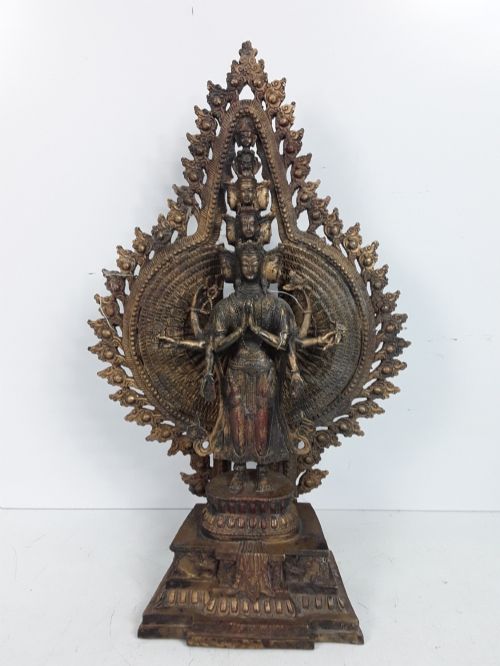
Listings feature nineteenth-century French animalier bronzes, Art Deco spelter figures on marble plinths, and Asian cast metalwork.
Evaluating quality
Quality in these works rests upon the crispness of the original metal casting and the precision of the joinery between the sculpture and its mounting. Finer examples show careful chasing of the bronze surface, where details remain sharp and tool marks from the foundry are expertly smoothed away.
The choice of base material also distinguishes the tier of a piece, with dense, unblemished marbles and figured root wood indicating superior workshop standards. A well-proportioned mount integrates harmoniously with the sculpture, ensuring the heavy weight distributes evenly without wobble or stress.
Franz Bergman·Louis Auguste Moreau·Josef Lorenzl·Richard Aurili·E Drouot
The Large Bronze Statue Base Glossary
- Animalier
- A nineteenth-century artistic movement focusing on the realistic depiction of animals, particularly predators, horses, and hounds. Sculptors in this genre paid close attention to anatomical accuracy.
- Patination
- The chemical or natural coloration of a metal surface over time or through artificial treatment. This process enhances depth and protects the underlying bronze from corrosion.
- Spelter
- A zinc alloy commonly utilised as a cost-effective substitute for bronze, particularly during the Art Deco period. It often received a bronze-like metallic finish to mimic heavier metals.
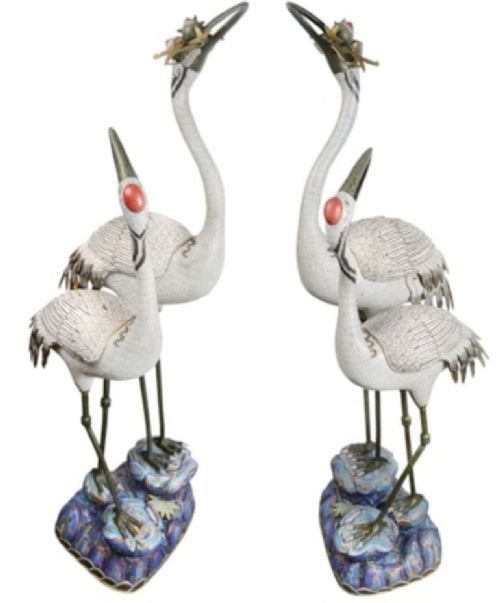
- Cloisonné
- An ancient technique for decorating metalwork objects with coloured glass paste placed within small compartments formed by strips of metal. These pieces require careful firing and polishing.
- Plinth
- A heavy block or slab acting as a base for a statue, column, or pedestal. In sculptural works, it provides both physical stability and visual finality.
Large Bronze Statue Base: Frequently Asked Questions
How do I clean a bronze sculpture?
Dust the metal gently with a soft, dry cloth to remove surface particles without disturbing the underlying patina. Avoid chemical solvents and abrasive cleaners that strip away historical finishes.
Apply a very thin coat of microcrystalline wax occasionally to protect the bronze from atmospheric moisture. Buff the surface lightly with a clean cloth after application to maintain a soft sheen.
Are these bases attached permanently?
Most statues and their plinths are designed as unified compositions, joined by internal bolts or pins running through the base. Dismantling them requires extreme caution to avoid damaging the brittle stone or delicate metal extremities.
Some Asian and decorative works feature separate root wood or stone stands made specifically for the piece. Check the underside of the mounting to understand how the components connect.
How do I identify spelter from bronze?
Spelter is significantly lighter than bronze and has a softer composition that can scratch more easily under testing. Examining areas of wear often reveals a dull grey metal beneath the surface paint.
Bronze exhibits a denser weight and develops a stable, deep patina over decades of exposure to air. When tapped, bronze produces a resonant ring, whereas spelter sounds duller.
Where should I place a heavy bronze?
Position these heavy sculptures on low, sturdy furniture or dedicated architectural plinths capable of supporting substantial weight. Ensure the surface is perfectly level to prevent uneven stress on the stone base.
Keep the sculpture away from direct heat sources and strong sunlight, which can dry out stone or alter painted finishes. Allow adequate clearance around the piece to appreciate its dimensions safely.