


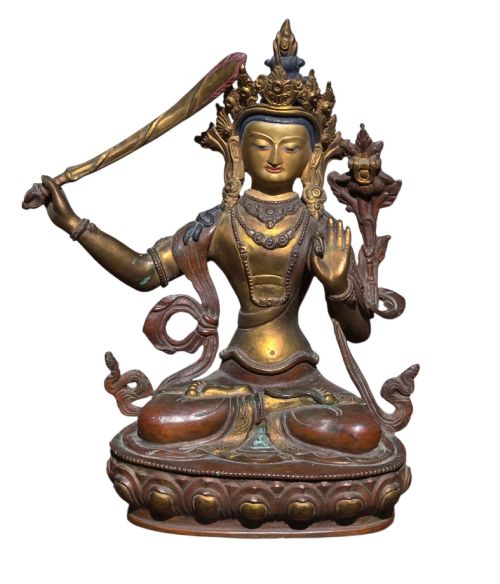
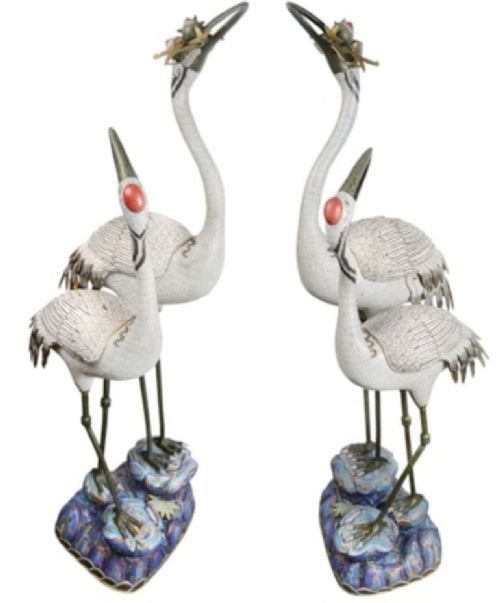

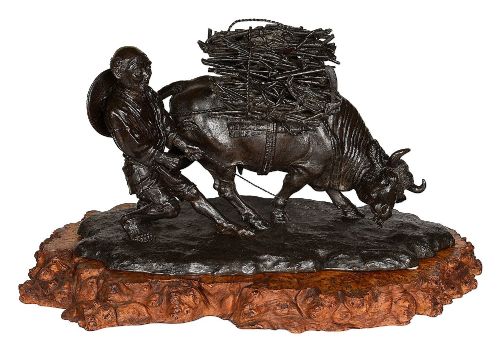
Bronze Statue on Base
A bronze statue on base brings classical presence and sculptural weight into a room, uniting metal figures with stone plinths.

Bronze Statue on Base
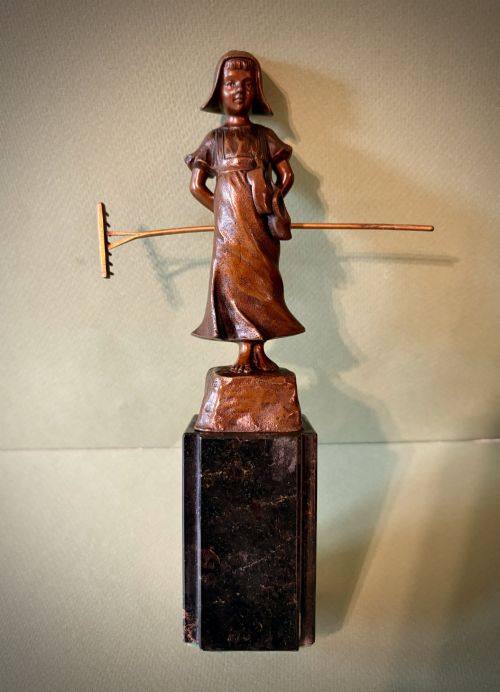
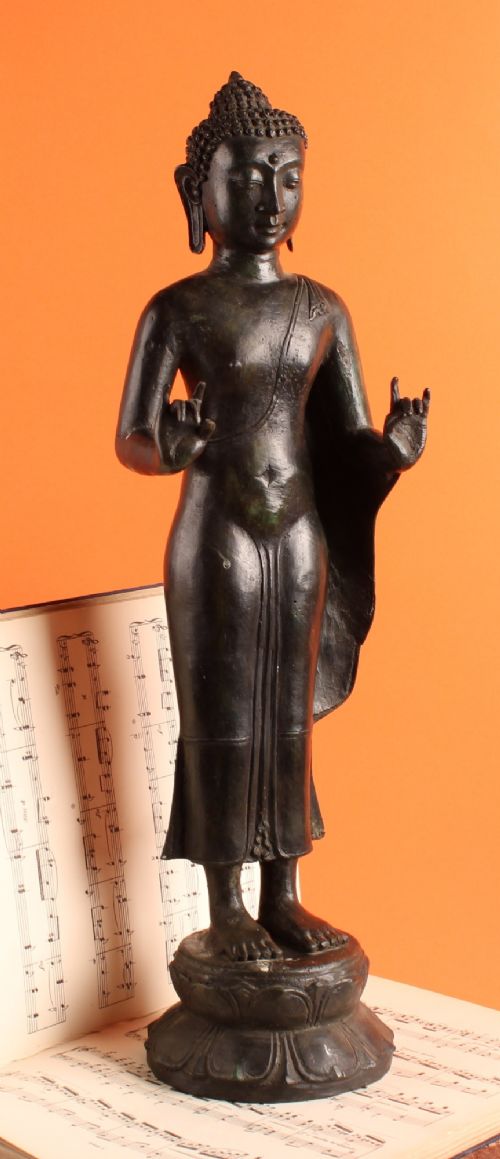
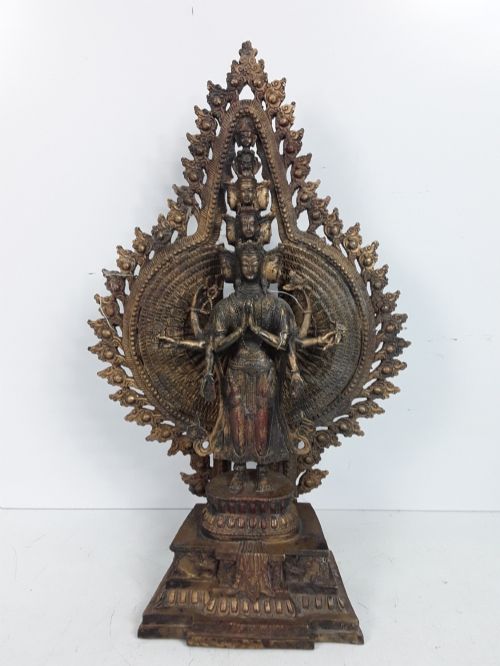
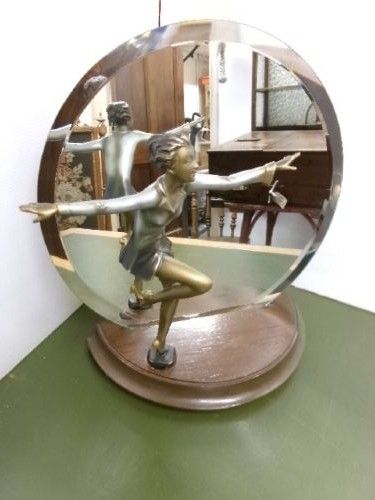
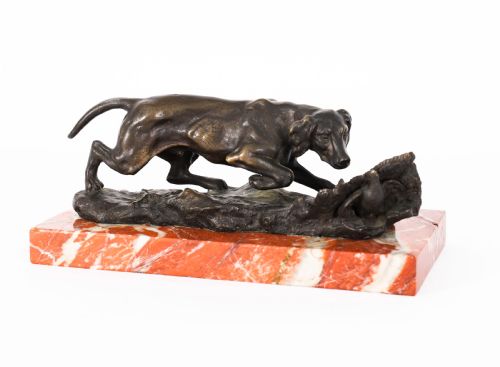
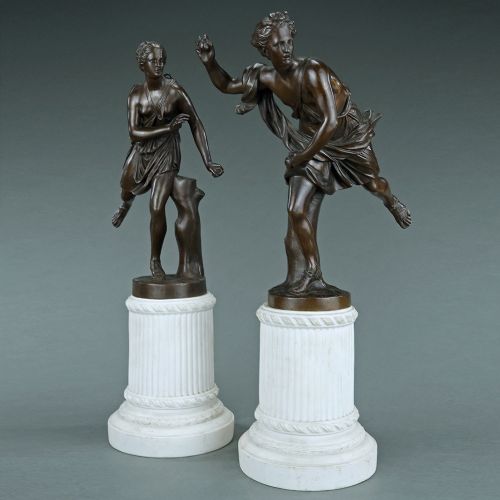
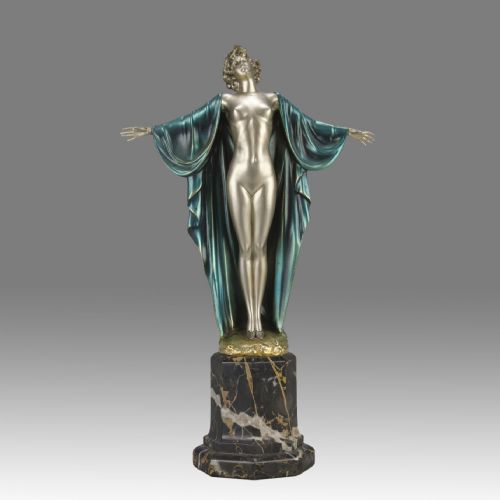
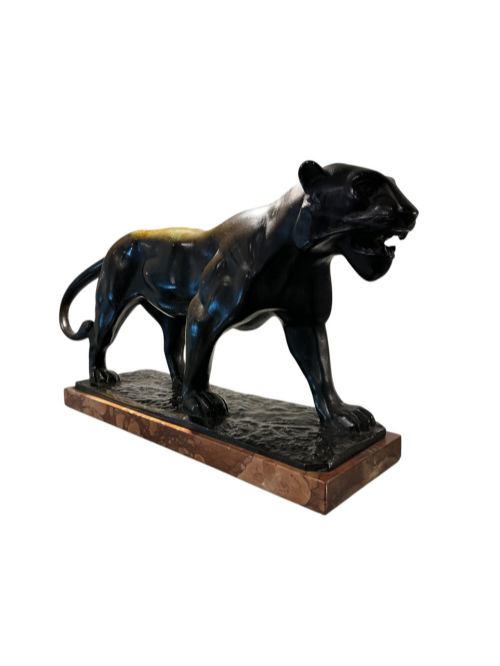
A bronze statue on base brings together metal sculpture and a fitted plinth, often taking the form of animal studies, classical figures or dancers. When exploring this selection, buyers encounter nineteen-century French bronzes alongside early twentieth-century Art Deco pieces mounted firmly on stone.
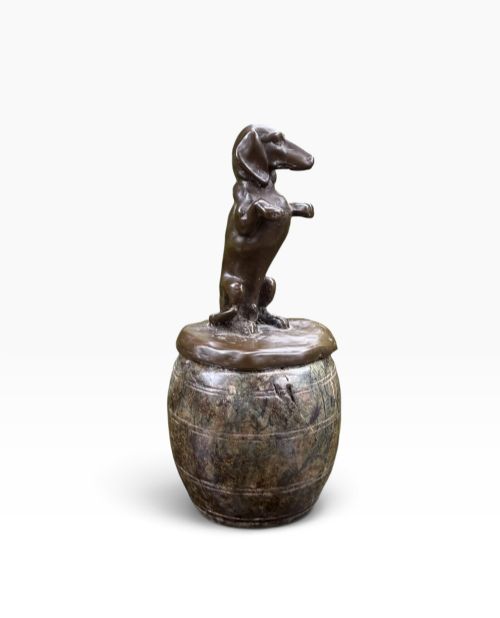
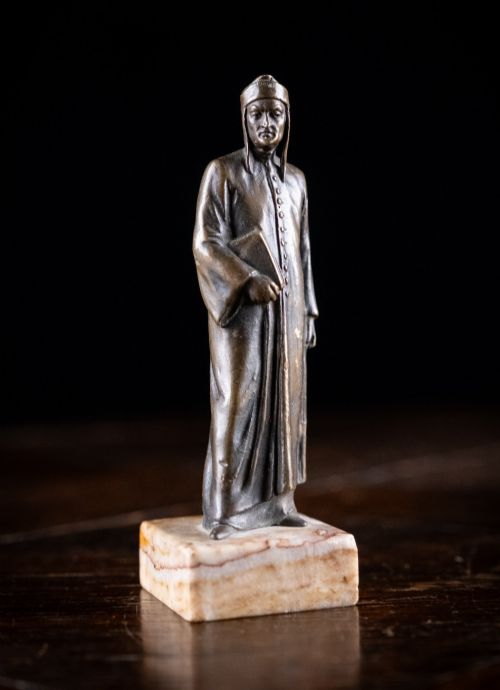
The sculptural subjects range from mythological figures and literary characters to wildlife and human dancers. Many examples pair patinated or cold-painted metal with contrasting plinths made from marble, onyx or fossil stone.
Materials and casting
Many figures rely on traditional metal casting methods, utilising copper-alloy bronze or alternative cast metal such as spelter. Artisans often applied surface treatments including chemical patination, gilding or delicate cold-painted polychrome details directly onto the metal surface.
The supporting plinths utilise dense natural stones, notably veined marble, fossil limestone and onyx. These stone bases were cut, turned and polished to anchor the metal sculpture above, providing both physical balance and visual contrast.
Listings feature works spanning the nineteenth century through the Art Deco period, utilising bronze, spelter, marble, and onyx.
Evaluating craftsmanship
The quality of a piece rests in the crispness of the metal chasing and the subtlety of the surface finish. Finer sculptures retain sharp anatomical details in the casting and carefully executed toolwork that preserves individual feathers, hair and drapery folds.
The selection of the supporting stone also indicates quality, with heavy, finely polished marble or onyx plinths showing superior craftsmanship compared to lighter or composite substitutes. The harmony between the proportions of the figure and its stone base defines the overall success of the piece.
Carl Kauba·Barbedienne·Bruno Zach·Pierre le Faguays·Ferdinand Preiss·Josef Lorenzl·Hans Müller·Emile Carlier·Demetre Chiparus·Henri Godet
The Bronze Statue on Base Glossary
- Bronze
- A copper and tin alloy used for durable metal casting. It accepts patination readily and allows for intricate detail in sculptural work.
- Spelter
- A zinc-based alloy utilised as an economical alternative to bronze. It was frequently painted or bronzed to simulate heavier metal.
- Patination
- The surface coloration applied to metal through chemical or thermal treatment. This process creates naturalistic or aged tones across the bronze.
- Cold-painted
- A technique where paint is applied to cured metal without high-temperature firing. It appears frequently on Austrian figural bronzes from the early twentieth century.
- Grand Tour
- A nineteenth-century tradition of collecting classical souvenirs in Italy. These small bronze reductions and marble bases commemorated travels through classical sites.
Bronze Statue on Base: Frequently Asked Questions
What is cold-painted bronze?
Cold painting involves applying polychrome pigments directly onto a cast metal figure without firing the piece in a kiln. This technique allowed makers to achieve vivid clothing and plumage details.
Because the paint sits on the metal surface rather than fusing with it, these pieces require careful handling to prevent flaking.
Why are statues mounted on marble?
Stone plinths provide necessary physical weight to anchor top-heavy metal sculptures and prevent tipping. They also create a clean visual boundary between the artwork and the furniture surface.
Different stones like black marble, red variegated marble or fossil stone were chosen to complement the metal's tone.
How do I spot spelter?
Spelter is a softer zinc alloy that feels lighter than bronze and often shows a dull grey metal beneath worn paint layers. It lacks the resonant ring and dense weight of genuine copper-alloy bronze.
Many decorative figures from the early twentieth century utilised spelter as an affordable alternative to traditional bronze casting.