
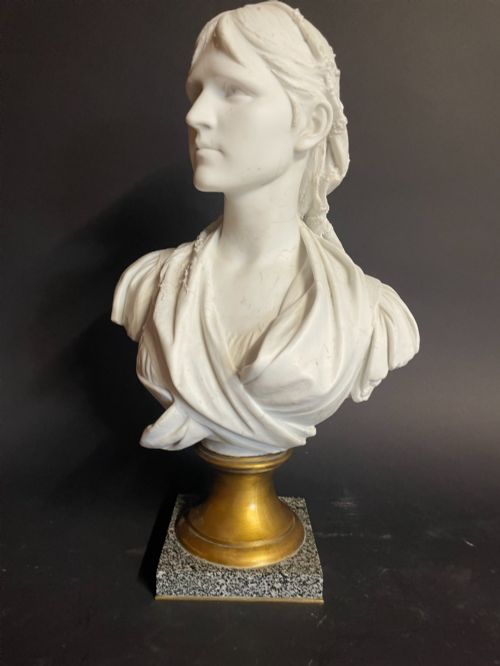
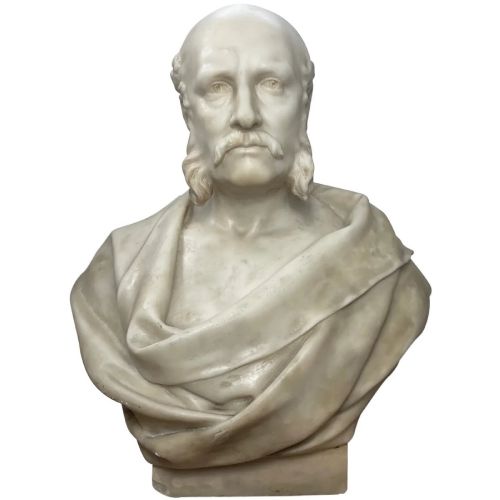
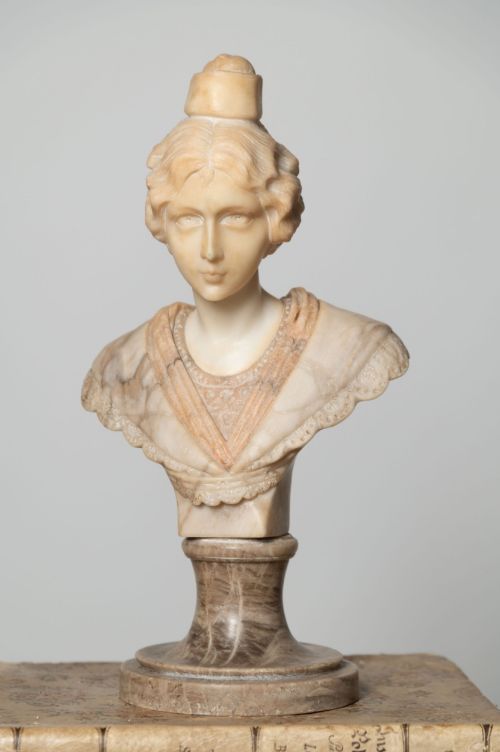
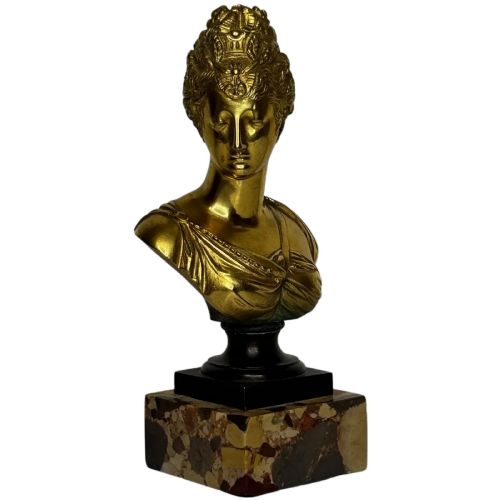
Antique Classical Bust
An antique classical bust brings the direct, enduring gravity of antiquity into a room through carved marble, cast bronze or moulded plaster.
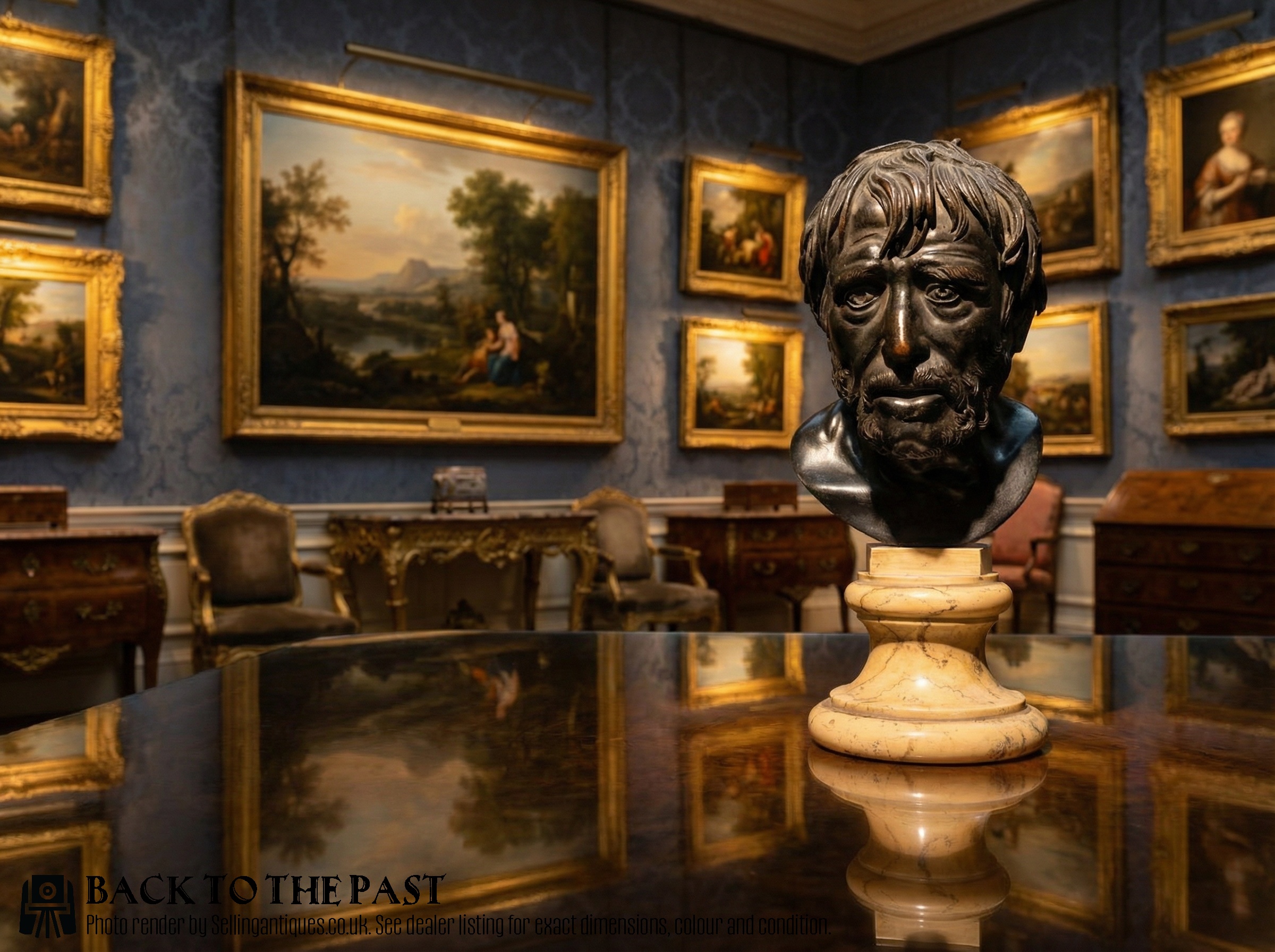
Antique Classical Bust
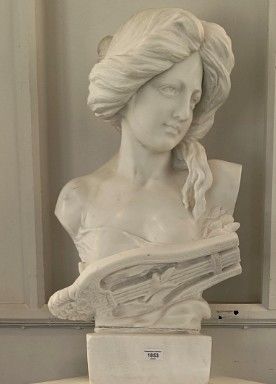
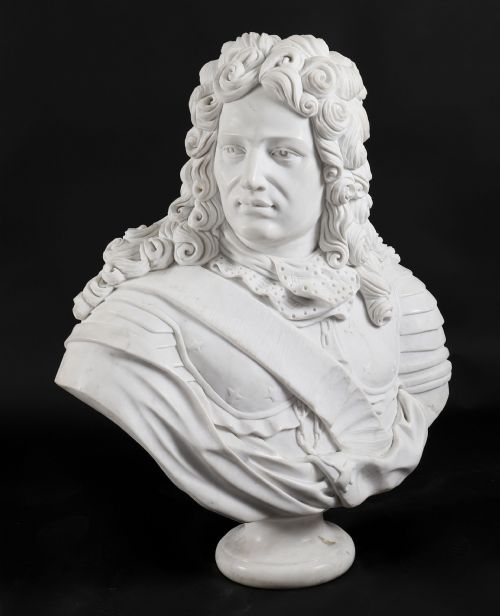
When you search for an antique classical bust, you encounter sculptural portraits and idealized figures rooted in ancient Greek and Roman models. The versions most common here date from the nineteenth century, ranging from grand Italian Grand Tour souvenirs to monumental Victorian civic portraits.
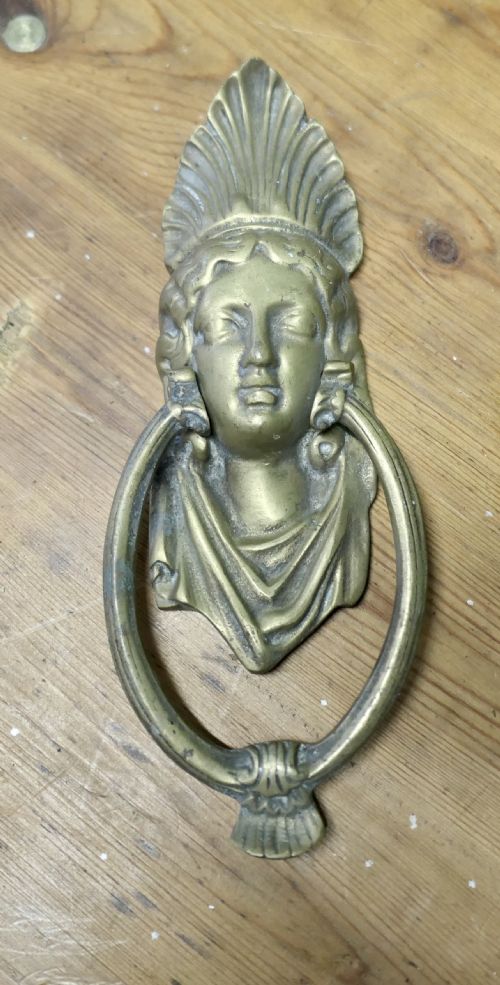
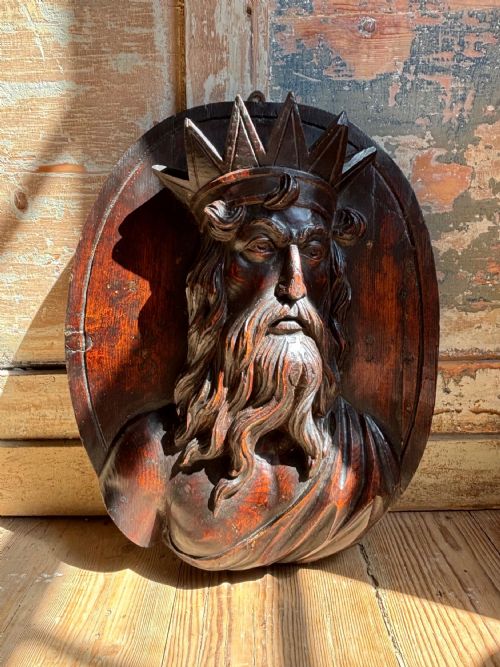
These pieces take many physical forms, appearing as standalone sculptures on pedestals, library shelf studies, wall plaques and even decorative door knockers. Subjects span historical rulers, mythological deities, literary figures and anonymous classical studies.
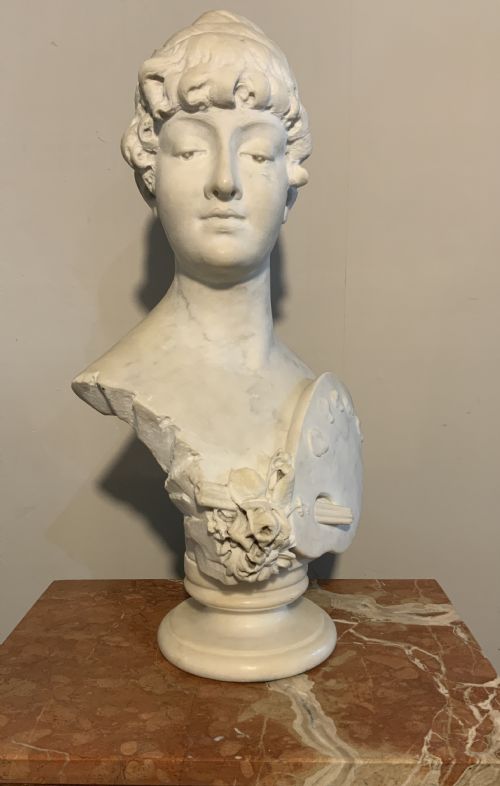
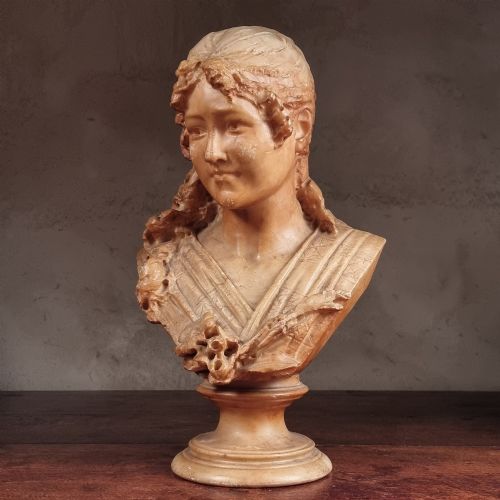
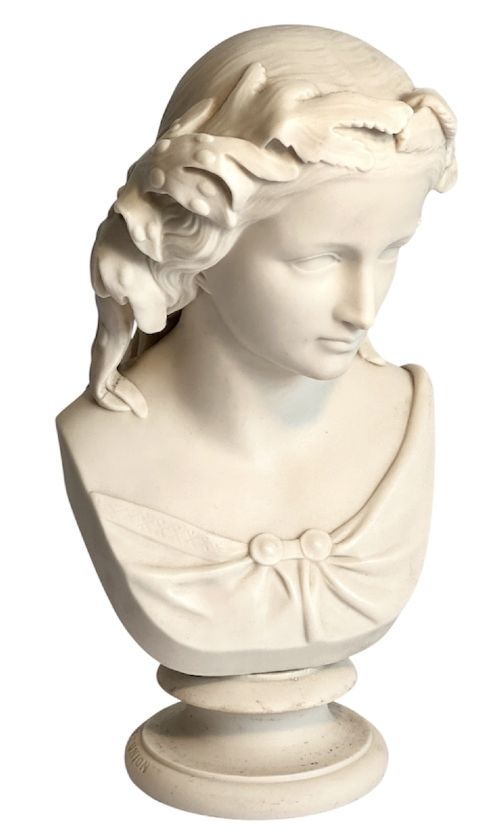
The materials reflect both ancient aspirations and nineteenth-century manufacturing techniques, moving from carved Carrara marble and alabaster to cast bronze, terracotta, parian porcelain and plaster.
Materials and Technique
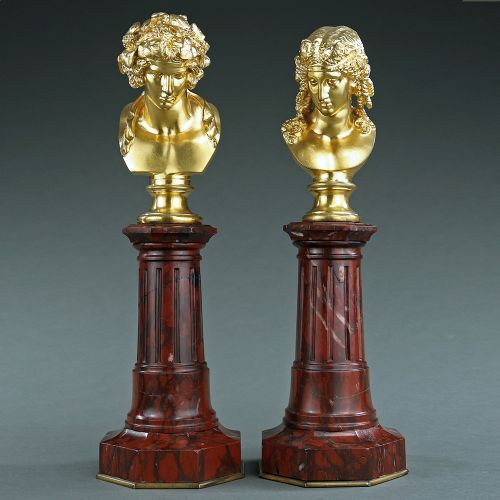
Metal sculptures utilise the lost-wax casting method or sand casting in bronze, brass and gilt bronze, occasionally incorporating ormolu collars or mounts. These metal works often receive chemical patination to simulate ancient archaeological surfaces.
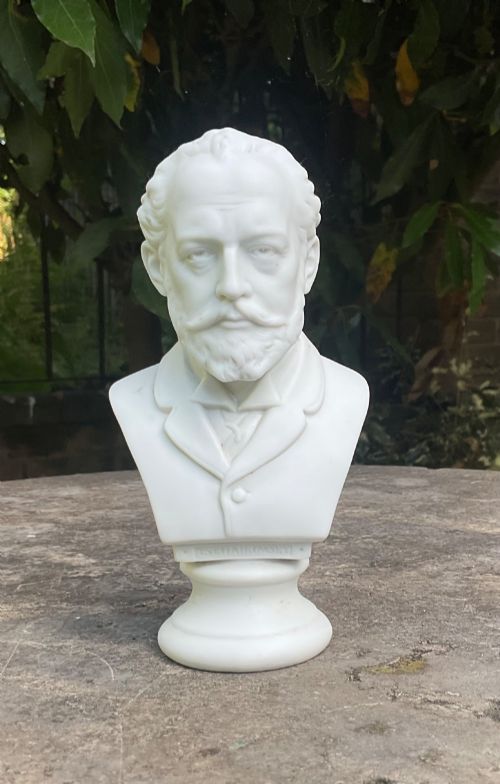
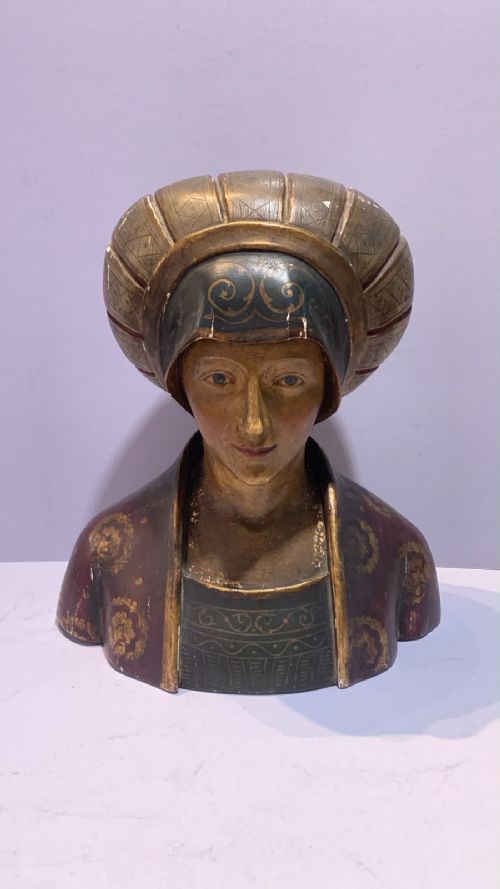
Plaster, terracotta and parian porcelain pieces depend on moulds taken from original master sculptures, allowing reproducible editions in ceramic slip or plaster casts. Plaster works are frequently painted or patinated to mimic bronze or stone.
Antique Classical Bust Retail Price Guide 2026
Typical asking prices for classical bust among the pieces listed under this phrase on Sellingantiques today, from the lower quarter to the upper quarter. They describe what is for sale here now, not the wider market.
Listings feature materials spanning carved Carrara marble, heavy cast bronze, terracotta, alabaster, parian porcelain and painted plaster.
The Measure of Quality
Quality rests upon the sensitivity of the modelling and the crispness of the carving, where a master hand achieves subtle transitions in bone structure and expression rather than generic symmetry. The depth of undercut in hair and drapery dictates whether a sculpture feels genuinely three-dimensional or flatly pressed from a mould.
The selection of the raw medium dictates longevity and visual weight, with dense Carrara marble and heavy cast bronze commanding a different presence than lightweight plaster or hollow ceramic. Signatures from established sculptors or foundries elevate a piece from a decorative studio copy to a documented work of art.
Eugene Aizelin·Johann Heinrich Dannecker·Raffaelo Monti·Georges-Charles Coudray
The Antique Classical Bust Glossary
- Grand Tour
- A traditional trip through Europe undertaken by upper-class young men in the eighteenth and nineteenth centuries to absorb classical art. Travellers routinely acquired small bronzes, marble busts and architectural models to bring home.
- Parian Porcelain
- A fine-grained, unglazed biscuit porcelain developed in the nineteenth century to imitate white marble. It was frequently utilised for portrait busts and classical literary figures.
- Ormolu
- Gilding technique of applying finely ground, high-carat gold to a bronze object using a mercury amalgam. It provides a rich, warm metallic finish seen on collars and mounts.
- Caryatid
- A sculpted female figure serving as an architectural support taking the place of a column or pillar. They appear frequently in neoclassical furniture, door knockers and fireplace surrounds.
- Patination
- The surface coloration and sheen developed naturally through age or applied chemically by the foundry. It accentuates the contours and recesses of bronze and plaster sculpture.
Antique Classical Bust: Frequently Asked Questions
What is a classical bust?
A classical bust is a sculpted or cast portrait of a head, neck and upper chest that draws inspiration from ancient Greek and Roman antiquity. These pieces portray historical figures, mythical deities or idealized human subjects.
They serve as decorative and intellectual focal points, reflecting the enduring Western fascination with classical proportion, philosophy and art history.
How were Grand Tour busts used?
Grand Tour busts served as physical mementos of educational travels through Italy and Greece during the nineteenth century. Wealthy travellers displayed them in libraries, studies and hallways to demonstrate erudition and taste.
These pieces were scaled to fit domestic interiors, allowing collectors to bring museum-scale classical sculpture directly into their homes.
Where should I place a heavy marble bust?
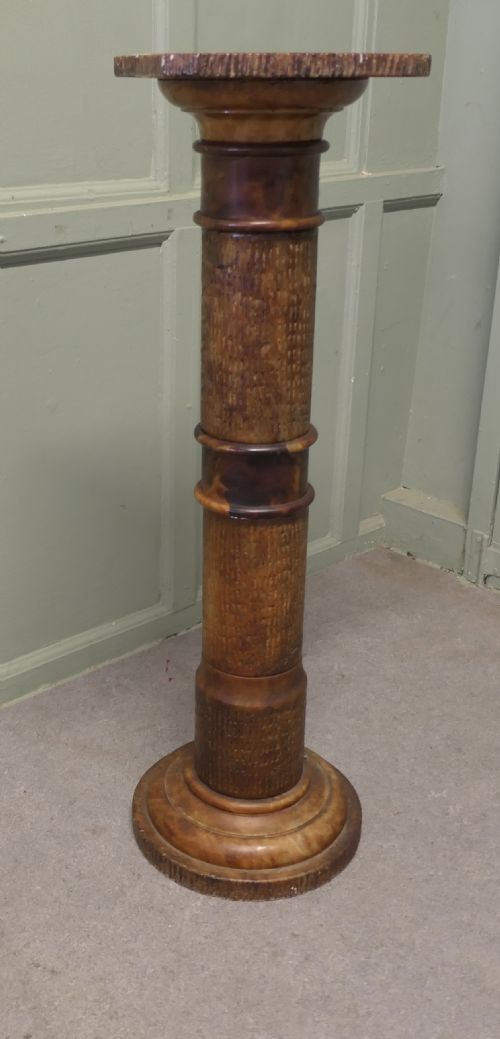
Marble and bronze busts require sturdy support due to their substantial weight, making heavy wooden sideboards, dedicated stone pedestals or reinforced library shelves ideal locations. Placing them at eye level allows the viewer to appreciate the facial modelling and carving detail.
Avoid positioning them in direct, harsh sunlight that might destabilise delicate patinated surfaces or near intense heat sources that could crack plaster.
How do I distinguish marble from alabaster?
Marble is a hard, crystalline metamorphic rock that resists scratching and exhibits a cool, solid density when touched. Alabaster is a softer, gypsum-based mineral that feels slightly warmer and can be scratched with a metal implement.
Alabaster also possesses a natural translucency when held to a strong light source, whereas solid marble remains largely opaque.