

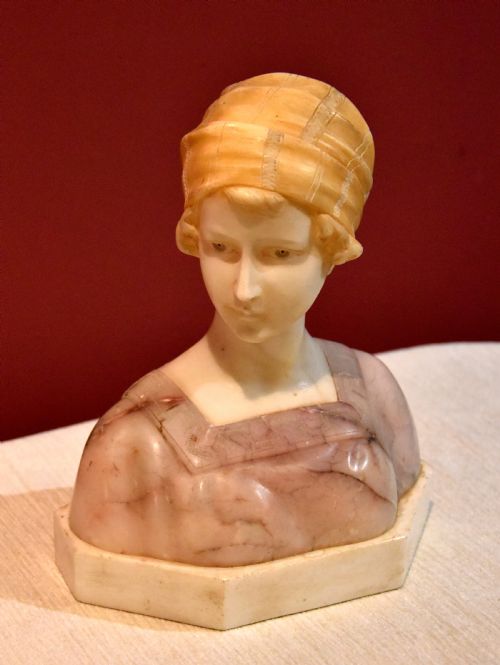


French Art Nouveau Bust
These French art nouveau bust pieces capture graceful female forms in flowing lines, bringing sophisticated decorative appeal to any interior.
What french art nouveau bust pieces are
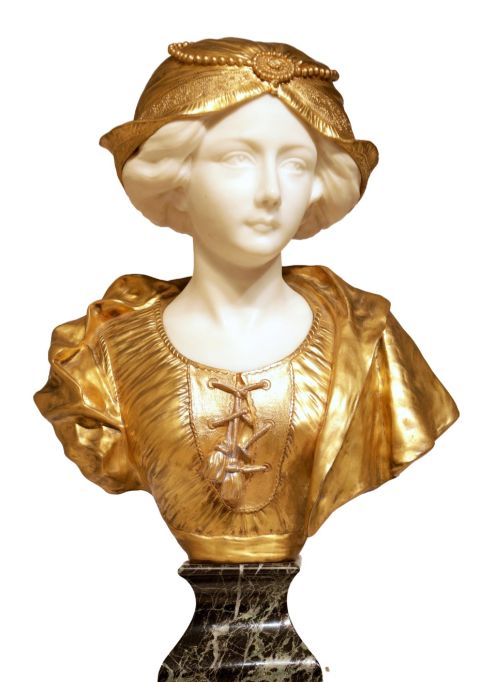
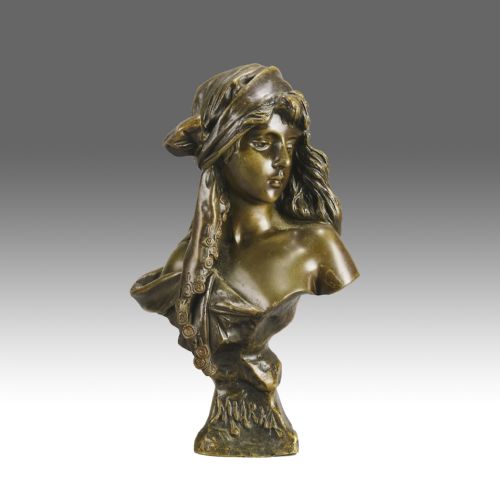
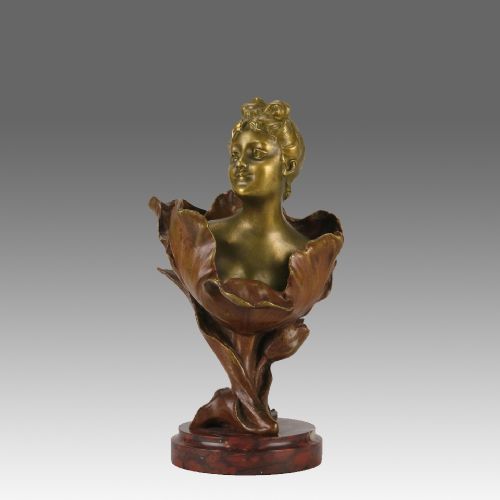
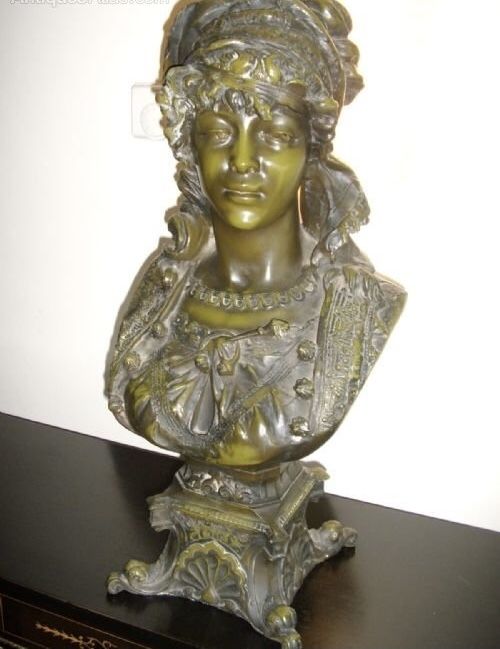
A french art nouveau bust presents sculptural representations of female subjects executed during the late nineteenth and early twentieth centuries. These works reflect the characteristic flowing lines and naturalistic motifs associated with the movement.
The selections encountered here span periods from the eighteen-nineties through nineteen-ten, demonstrating classic French classical revival influences alongside pure art nouveau aesthetics. Sculptures and portrait busts comprise the primary object types available to collectors.
Subjects range from named literary and mythological characters such as Lucrece, Thaïs, and Cinderella to anonymous young girls. Female figures dominate the sculptural output found within these listings.
How they were made
Materials utilised for these sculptures encompass bronze, patinated bronze, terracotta, carved alabaster, and marble, often incorporating paint highlights. Artisans selected mediums that allowed for delicate facial detailing and sweeping drapery.
Metal casts received patination to enhance tonal depth, while stone and terracotta pieces relied upon skilled carving and moulding techniques. Each medium dictated the specific finish and textural quality of the final portrait.
Retail Price Guide 2026
Typical UK retail prices for french art nouveau bust, calculated from the Sellingantiques database of over a million retail prices indexed since 2003. This retail price guide relies exclusively on Sellingantiques data; no external sources or auction records are used, so the figures do not describe the wider market.
Listings feature works from eighteen-nineties up to nineteen-ten, spanning both the height of art nouveau and French classical revival styles.
What varies in quality
The distinction between standard and superior pieces rests upon the crispness of the casting and the sensitivity of the carving. Master modellers achieved fluid transitions in hair and fabric that lesser workshops failed to replicate.
Material selection and surface finish dictate overall refinement, with carefully patinated bronzes and finely detailed alabaster commanding greater visual presence. The integrity of the original surface patination remains paramount to the piece.
E.Villanis·Emmanuel Villanis·A.Gory
The French Art Nouveau Bust Glossary
- Patinated bronze
- A copper alloy cast sculpture treated with chemical solutions to produce a specific surface colour and finish. This process protects the metal while accentuating fine sculptural details.
- Terracotta
- Fired clay used for sculptural modelling before the glazing stage. It allows artists to capture immediate gestural marks and subtle facial expressions.
- Alabaster
- A fine-grained, translucent stone utilised for carving portrait busts. Its soft nature permits delicate translucency reminiscent of human skin.
- Art Nouveau
- An international style of art and architecture prominent between eighteen-ninety and nineteen-ten. It is characterised by intricate sinuous lines and motifs inspired by natural forms.
Frequently Asked Questions
How do I identify a french art nouveau bust?
Look for characteristic styling from the late nineteenth and early twentieth centuries, featuring flowing hair, organic motifs, and naturalistic female subjects. Signatures from sculptors often appear directly on the cast or carved base.
The inclusion of French classical revival elements alongside sinuous lines helps confirm the aesthetic origins of the sculpture.
Where should I display a french art nouveau bust?
These portrait busts suit stable surfaces such as sideboards, mantels, or dedicated pedestals where lighting can highlight the carved or cast details. Placing them away from direct sunlight protects vulnerable materials like paint and alabaster.
Ensure the placement allows adequate viewing angles to appreciate the intricate hair and drapery from multiple perspectives.
How do alabaster and bronze versions differ?
Alabaster provides a translucent, stone-carved finish with soft tonal variations, whereas bronze offers metallic durability and deep patination. Stone pieces rely entirely on subtractive carving, while metal versions begin as modelled casts.
Both materials achieve remarkable sensitivity in rendering female subjects, though they create distinct visual moods within a room.