



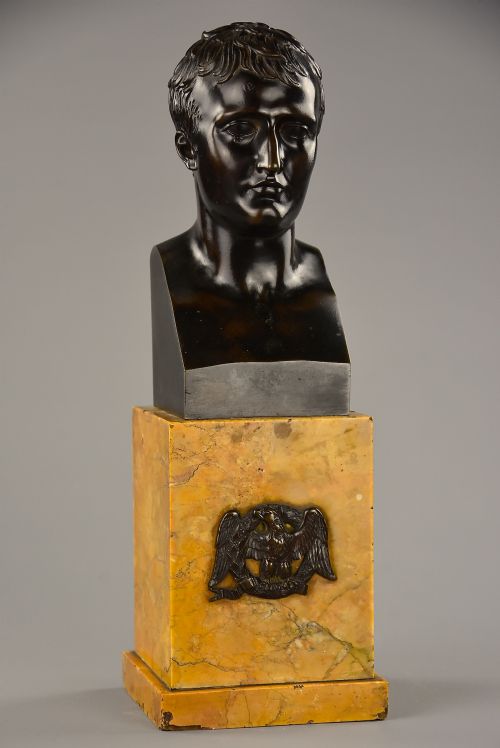


19th Century Bronze Bust
A 19th century bronze bust brings classical subjects and historical figures into a room with solid presence and heavy metal weight.
Understanding the selection
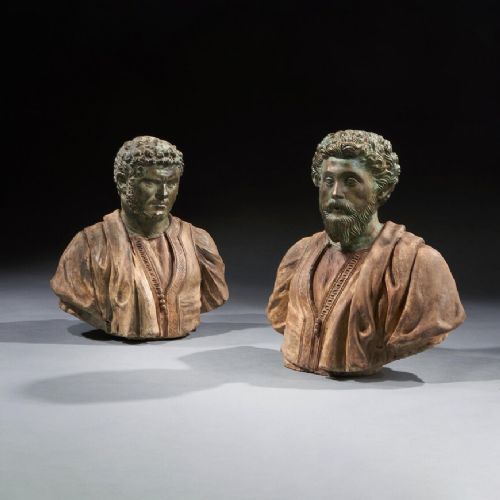
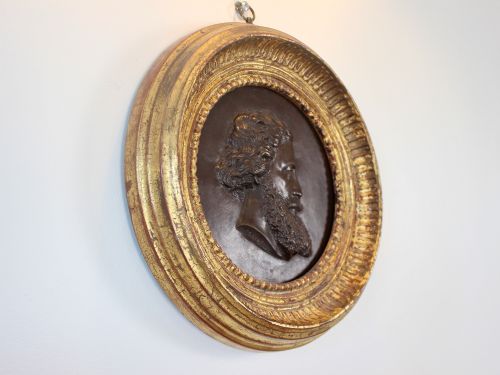
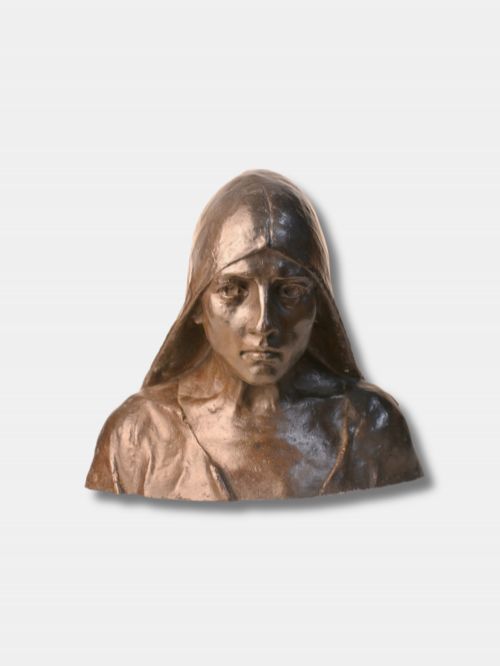
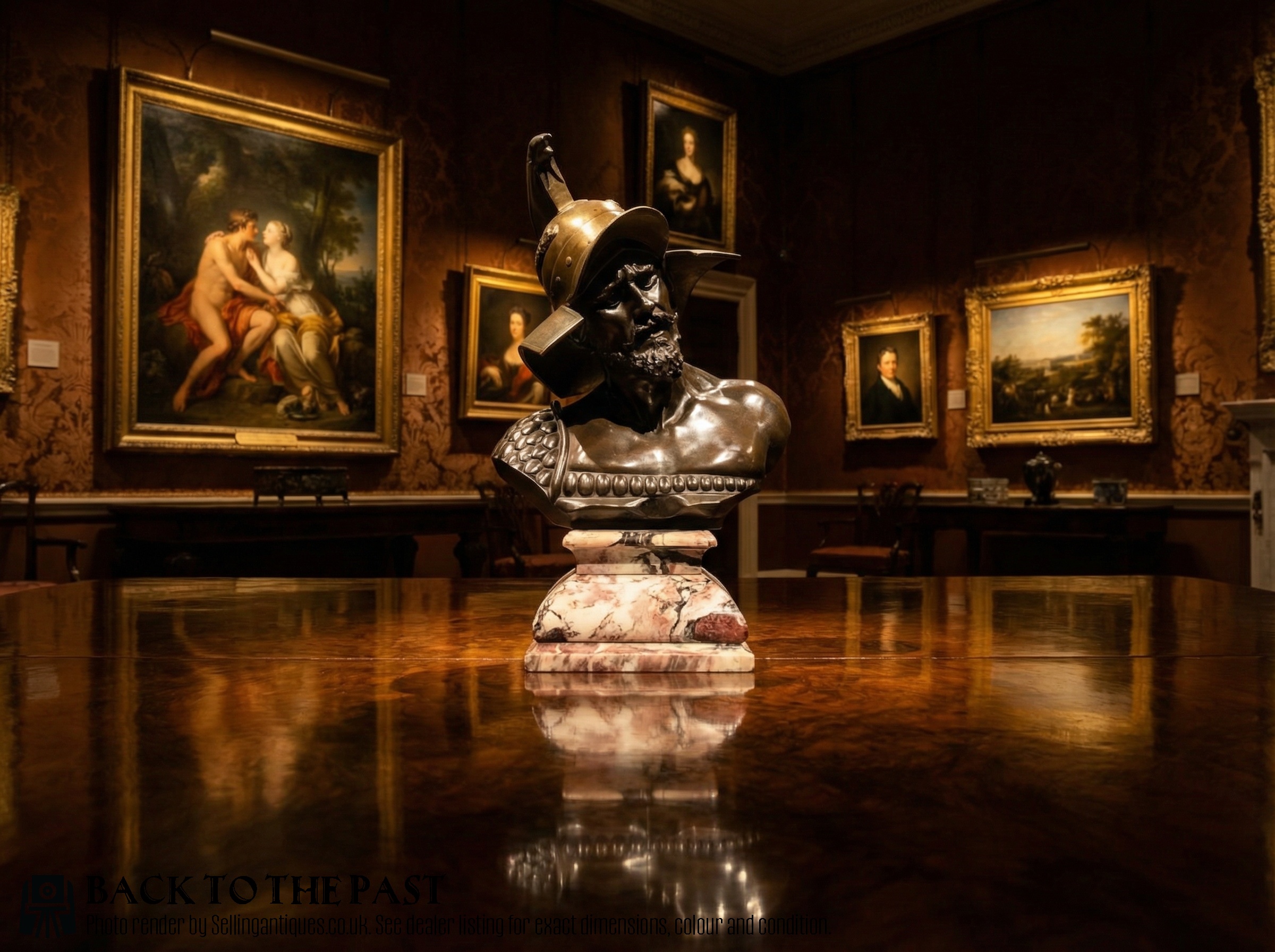
A 19th century bronze bust typically depicts classical figures, Roman emperors, mythological deities, historical rulers, or literary composers. These portrait sculptures capture subjects from antiquity through to the Victorian era in cast metal.
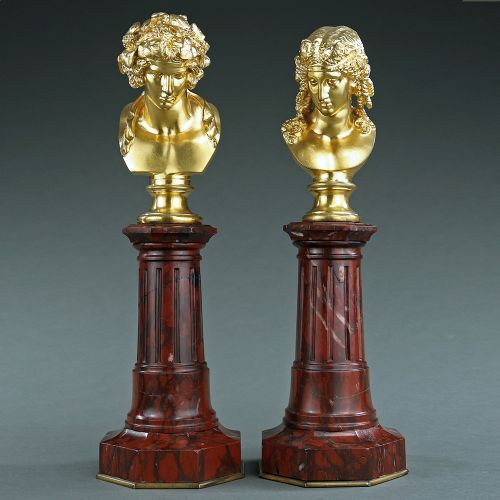
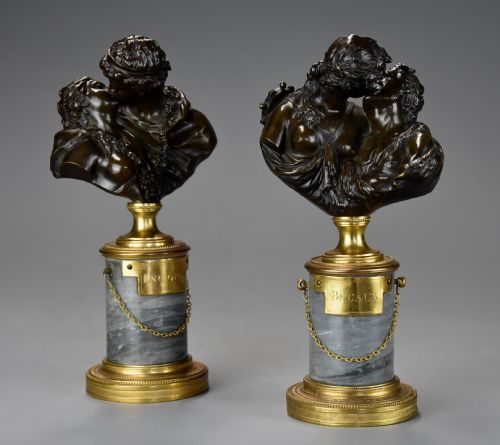
The versions most commonly met on this page originate from French and Italian foundries, often following models by renowned sculptors. They frequently combine cast metal portrait elements with integrated or separate bases made from marble, wood, or patinated bronze.
The scale ranges from small cabinet pieces designed for desks up to large decorative statements intended for mantelpieces and pedestals. Subjects span from mythological figures like Diana and Apollo to historical emperors and recognizable literary icons.
Materials and casting methods
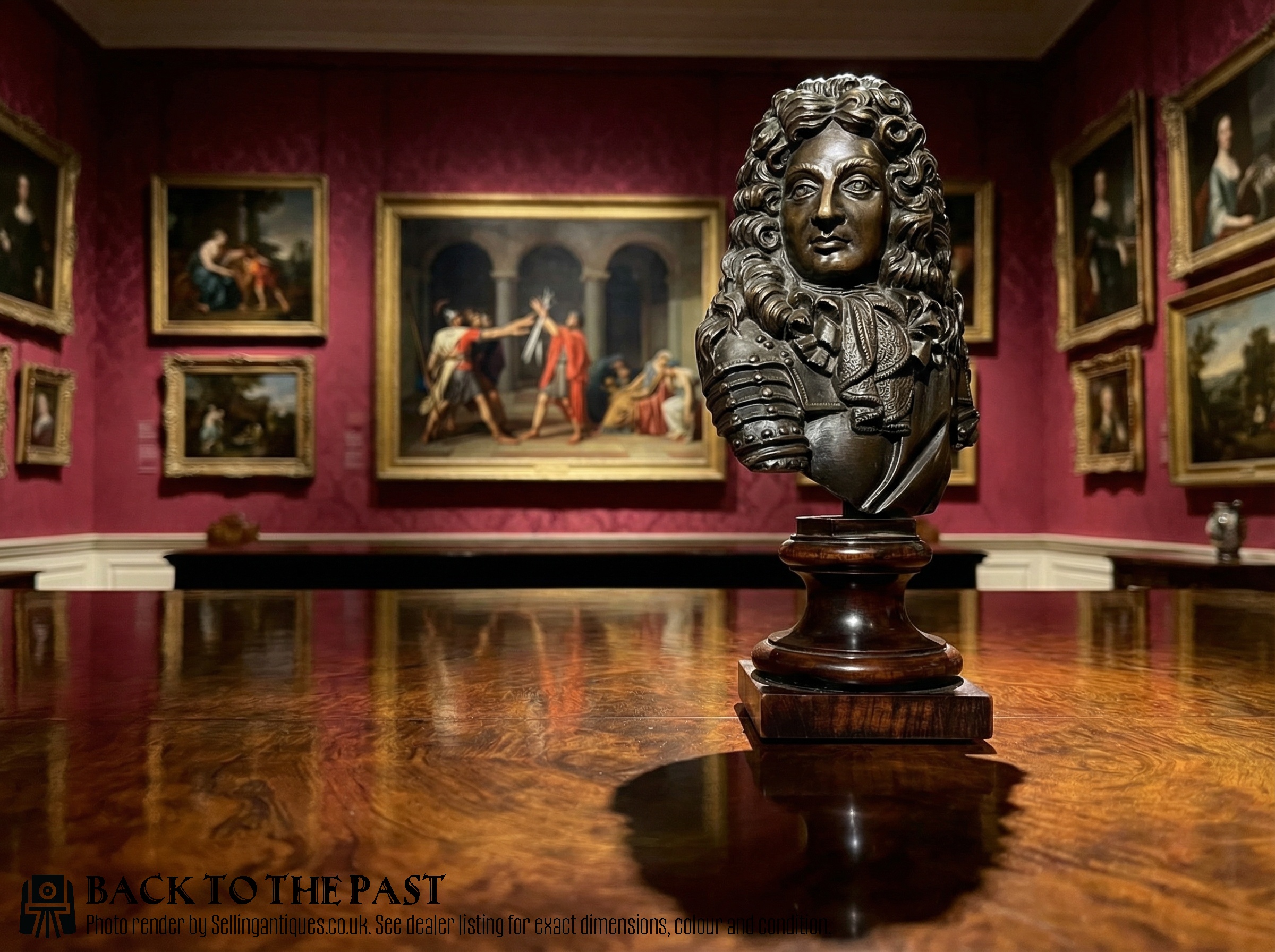
These works were produced using traditional metal casting techniques, primarily working with bronze and patinated bronze, occasionally supplemented by brass or bronzed terracotta. The molten metal filled intricate moulds to capture fine facial expressions, hair texture, and drapery folds.
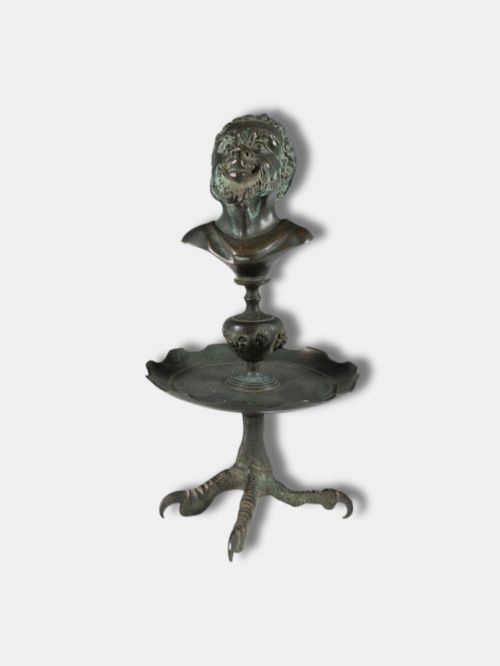
Many examples utilise surface patination treatments to achieve dark brown, black, or greenish tones that emulate ancient patinas. Finishing work involved hand-chasing the metal surface to sharpen details before mounting the cast onto marble or wooden plinths.
Retail Price Guide 2026
Typical UK retail prices for 19th century bronze bust, calculated from the Sellingantiques database of over a million retail prices indexed since 2003. This retail price guide relies exclusively on Sellingantiques data; no external sources or auction records are used, so the figures do not describe the wider market.
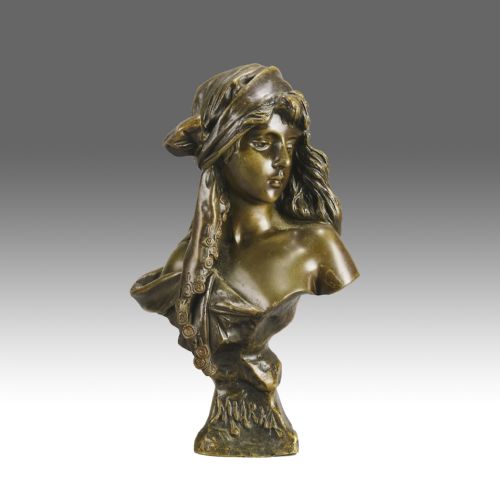
Listings feature periods spanning from the early nineteenth century through to late Victorian and Art Nouveau movements.
Assessing the craftsmanship
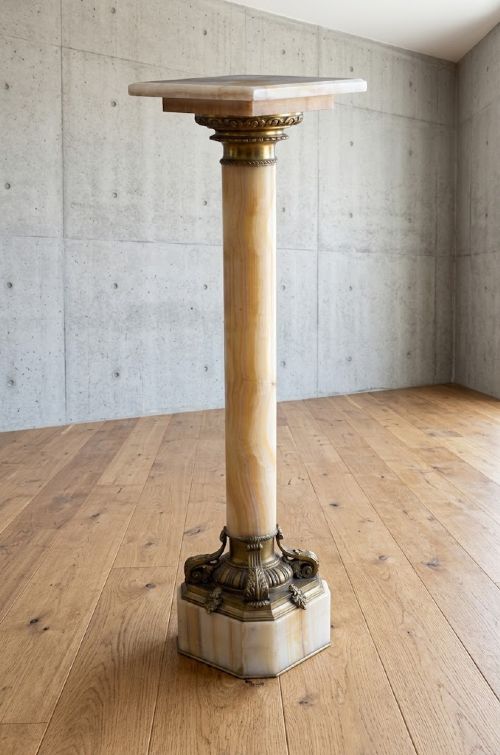
Another factor is the integration and quality of the supporting base, particularly where dense coloured marble or turned wood enhances the sculptural presence. The weight of the metal and the subtlety of the applied patination further separate standard foundry work from master casts.

E Villanis·Sir Thomas Brock·Mathurin Moreau·Richard Aurili·Paul Auguste Gagne·Jean Antoine Houdon·Joseph Chinard·Eugen Bormel
The 19th Century Bronze Bust Glossary
- Patinated bronze
- Bronze that has been chemically treated to alter its surface colour and tone. This process protects the metal while creating deep brown, black, or verdigris finishes.
- Grand Tour
- Souvenirs and portable artworks collected by affluent travellers touring cultural sites in Italy and France. These pieces typically replicate classical antiquities on a smaller scale.
- Chasing
- The manual post-casting process of refining metal surfaces using small hammers and punches. Skilled artisans used this technique to sharpen lines and remove casting flaws.
- Terracotta
- Fired clay used as a sculptural medium for portrait busts. Some nineteenth-century examples received a bronze coating to mimic solid metal.
Frequently Asked Questions
Where were these sculptures displayed originally?
These portraits were traditionally placed upon libraries, drawing room mantelpieces, and dedicated pedestals within formal nineteenth-century homes.
They served both as academic decoration and as tangible connections to classical history and literature.
How do I identify a Grand Tour piece?
Grand Tour pieces are generally smaller in scale, often mounted on distinct marble or stone columnar bases designed for easy transport.
They directly reference famous Roman or Greek antiquities encountered by travellers abroad.
What is the difference between bronze and brass?
Bronze is an alloy primarily composed of copper and tin, yielding a darker, warmer tone suited to rich patination.
Brass contains copper and zinc, resulting in a brighter, more golden metallic appearance.
How should I clean a patinated surface?
Dust the metal gently with a soft, dry brush to prevent accumulation without disturbing the historical patina.
Avoid using liquid cleaners or abrasive cloths that can strip the chemical finish from the bronze.