



Cast Bronze Bust
A cast bronze bust brings enduring weight and sculptural presence to a room, offering you a timeless focal point.
Understanding cast bronze bust
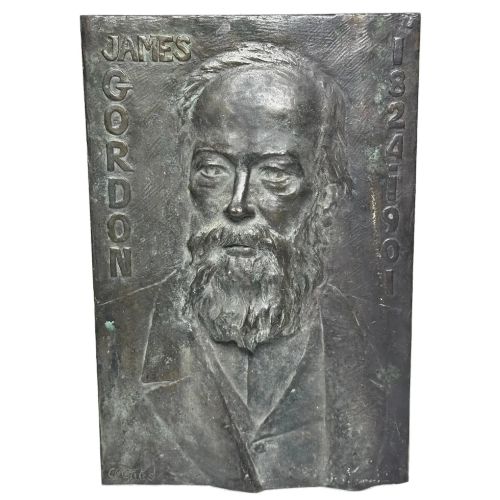
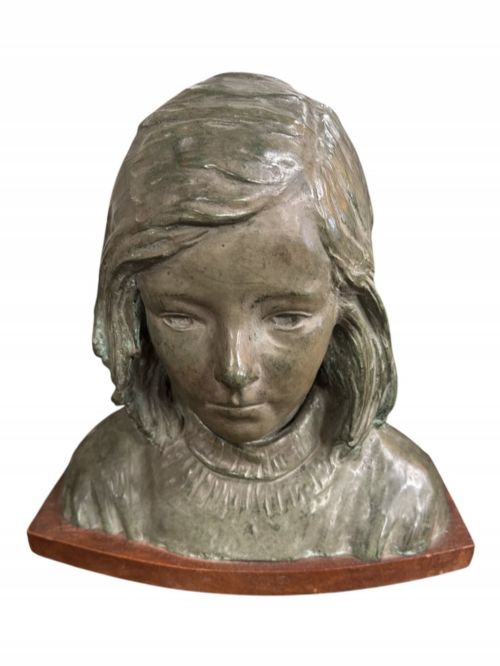
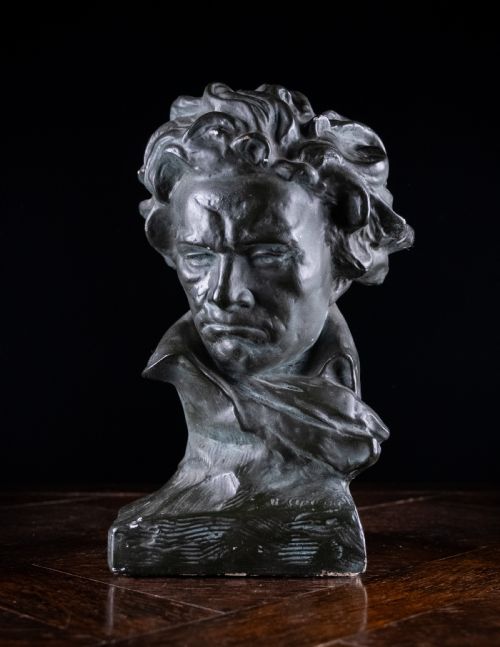
When you search for a cast bronze bust, you encounter sculptural works spanning the late nineteenth century and the early twentieth century. These pieces encompass classical revivals, Art Nouveau interpretations, Art Deco objects, and distinct African tribal art traditions.
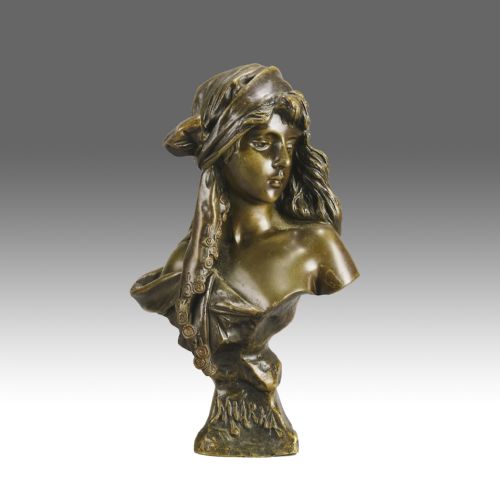
The versions you are most likely to meet on this page include portrait studies of historical figures like Dante Alighieri, literary or romantic figures such as Miarka and Bohémienne, and regional works including African Yoruba and Benin pieces alongside Asian sculptures.
Materials and methods
These works utilise cast bronze as the primary metallic medium, often employing traditional methods such as lost wax casting to capture intricate surface details. Artisans shaped the molten metal into complex facial expressions, headdresses, and drapery.
Many sculptures are paired with supportive elements, utilising natural stone like marble for heavy bases that anchor the metal work. Additional materials recorded in the construction include leather and fibre components.
Retail Price Guide 2026
Typical UK retail prices for cast bronze bust, calculated from the Sellingantiques database of over a million retail prices indexed since 2003. This retail price guide relies exclusively on Sellingantiques data; no external sources or auction records are used, so the figures do not describe the wider market.
Listings feature works spanning the nineteenth century, nineteen hundred, and the nineteen twenties across Art Nouveau, classical revival, and tribal traditions.
Judging quality
The choice and integration of auxiliary materials also separate standard items from finer works. A densely textured lost wax casting mounted firmly on a solid marble base indicates careful craftsmanship and sculptural ambition.
Emmanuel Villanis
The Cast Bronze Bust Glossary
- Cast bronze
- A metal alloy of copper and tin poured into a mould to form a durable sculpture. This technique allows for lasting detail and varied surface patination.
- Lost wax casting
- A method where a molten metal is poured into a mould that has been created by means of a wax model. The wax is melted and drained away, leaving space for the bronze.
- Grand Tour
- A cultural journey undertaken by wealthy Europeans in the nineteenth century, resulting in the acquisition of classical souvenirs. Busts modelled after antique sculptures were popular purchases.
- Patina
- A thin layer that naturally or artificially forms on the surface of bronze through oxidation and age. It enriches the visual depth of the metal.
Frequently Asked Questions
How were these busts displayed?
These sculptures were traditionally placed upon mantelpieces, desks, or dedicated pedestals in studies and living spaces. Their solid weight allowed them to stand securely without extensive mounting.
Many examples include heavy marble bases to provide both physical stability and a distinct visual contrast to the dark metal.
How do I identify Art Nouveau examples?
Art Nouveau examples typically feature flowing organic lines, stylised hair, and titles or signatures associated with the period. Sculptors like Emmanuel Villanis captured romanticised female subjects with characteristic grace.
These pieces often date from the late nineteenth century to around nineteen hundred and reflect a departure from strict classical rigidity.
What maintenance do bronze busts need?
Bronze requires minimal upkeep, usually needing only gentle dusting with a soft cloth to preserve the surface. Avoid using harsh chemical cleaners that might strip away the historic patina.
Keeping the sculpture in a stable environment away from excessive moisture protects any integrated materials like marble or leather.