


Southeast Asian Bronze
Southeast asian bronze sculptures are ritual and devotional figures cast in metal, offering collectors historic spiritual presence and fine regional artistry.
Identifying Southeast Asian bronze
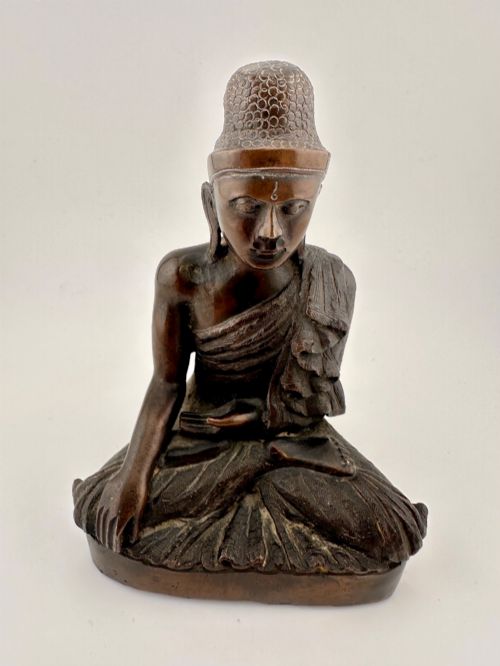
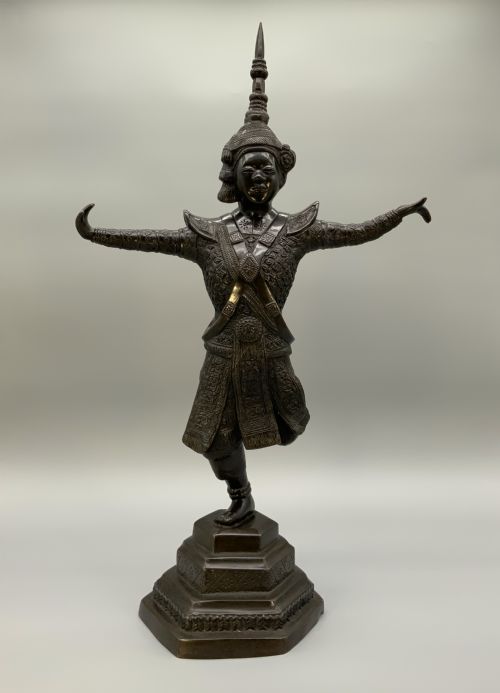
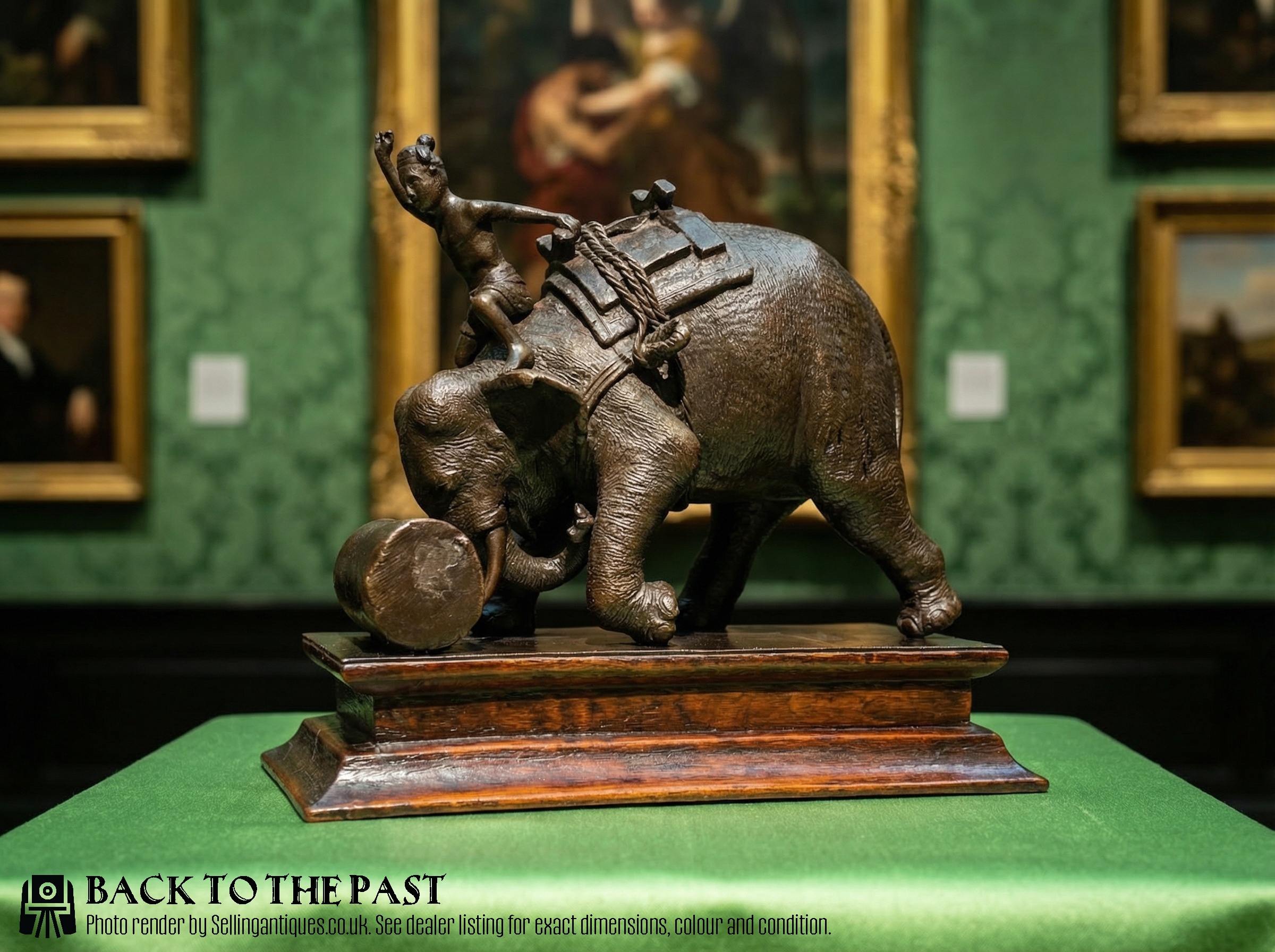
Southeast asian bronze pieces encompass devotional temple figures and ritual sculptures originating from across the region. Collectors encounter representations of Buddhist deities, including Shakyamuni Buddha, Bodhisattvas such as Avalokitesvara and Lokesvara, alongside figural animal subjects like elephants.
The items span multiple centuries of production, appearing in nineteenth-century interpretations, sixteenth-century temple works, eighteenth-century examples, and earlier pre-sixteenth-century pieces from the Indonesian archipelago. Alongside standard bronze compositions, certain listings utilise copper alloy.
Regional styles dictate the character of these sculptures, ranging from Burmese and Rattanakosin traditions to Javanese Buddhist, Central Javanese, and broader Asian art aesthetics. Forms vary from compact seated statues to larger devotional sculptures.

Materials and construction
These sculptures are produced primarily in bronze and copper alloy through traditional metal-casting methods employed by regional artisans. The metal takes on varied surface characteristics, such as patinated brown finishes developed over centuries.
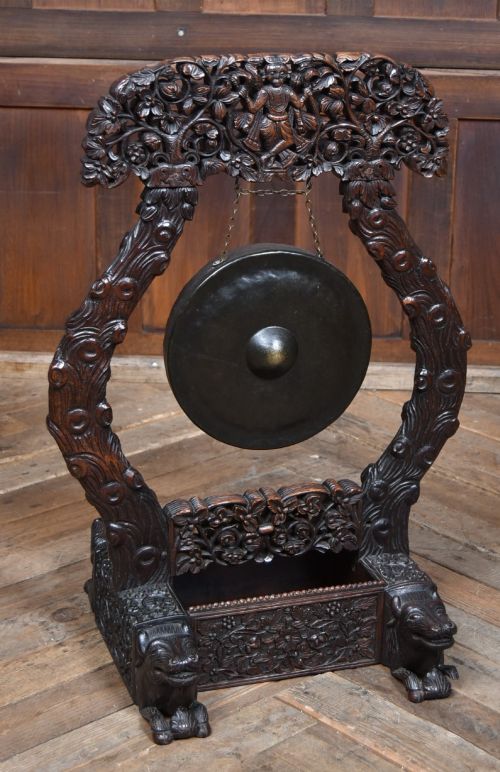
Certain sculptural forms are presented with associated hardwood elements, combining cast metal figures with organic structural supports.
Retail Price Guide 2026
Typical UK retail prices for southeast asian bronze, calculated from the Sellingantiques database of over a million retail prices indexed since 2003. This retail price guide relies exclusively on Sellingantiques data; no external sources or auction records are used, so the figures do not describe the wider market.
Among solemn Buddhas and temple deities, a solitary cast bronze elephant stands ready to carry heavy spiritual weight.
Assessing quality and merit
The integrity of the original metal surface and the depth of the patination dictate the visual power of the piece. Masterful proportions and confident sculptural execution separate ordinary regional work from superior temple art.
The Southeast Asian Bronze Glossary
- Bronze
- An alloy primarily composed of copper combined with tin, utilised extensively for durable sculptural casting across centuries.
- Copper alloy
- A metal mixture containing copper alongside other elements like zinc or tin, frequently recorded in early Indonesian archipelago figures.
- Bodhisattva
- An enlightened being dedicated to assisting others, commonly depicted in regional temple sculptures such as Avalokitesvara.
- Shakyamuni
- The historical Buddha, frequently represented in seated sculptural works from Burmese and broader traditions.
- Patinated
- A surface altered by age or intentional chemical treatment, producing rich brown or dark tones on the metal.
Frequently Asked Questions
What is southeast asian bronze?
Southeast asian bronze refers to cast metal sculptures and temple figures created across regions including Burma, Thailand, and Java. These pieces primarily depict Buddhist deities and sacred animals.
They serve as historical examples of regional devotional art, capturing centuries of distinct cultural and religious traditions.
How old are these sculptures?
The pieces span a wide chronological range, including pre-sixteenth-century temple works from Central Java up to nineteenth-century Burmese and Thai statues.
Specific dating relies on stylistic analysis of the regional form, casting characteristics, and historical context.
Where did these bronzes originate?
The sculptures originate from distinct cultural centres within the region, such as Burma, Central Java, and Thailand. Each area developed unique artistic conventions for depicting deities.
Recognising these origins helps collectors understand the specific religious and stylistic background of a sculpture.
How do I care for bronze?
Display these metal sculptures in stable environmental conditions away from excessive moisture and direct handling. The historic surface patination requires minimal intervention.
Dusting gently with a soft, dry cloth preserves the aged finish without disturbing the metal.