


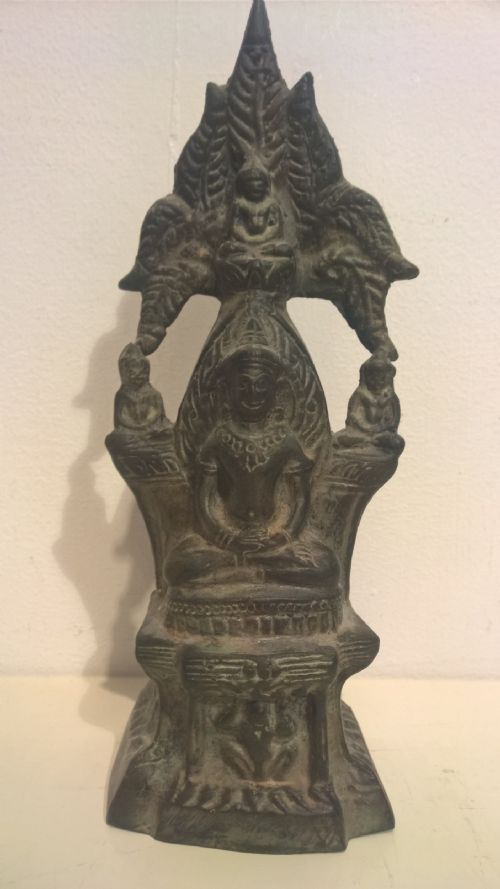

Buddhist Bronze Icon
A buddhist bronze icon brings centuries of devotion into a room, offering quiet presence through cast metal and weathered gilding.

Buddhist Bronze Icon
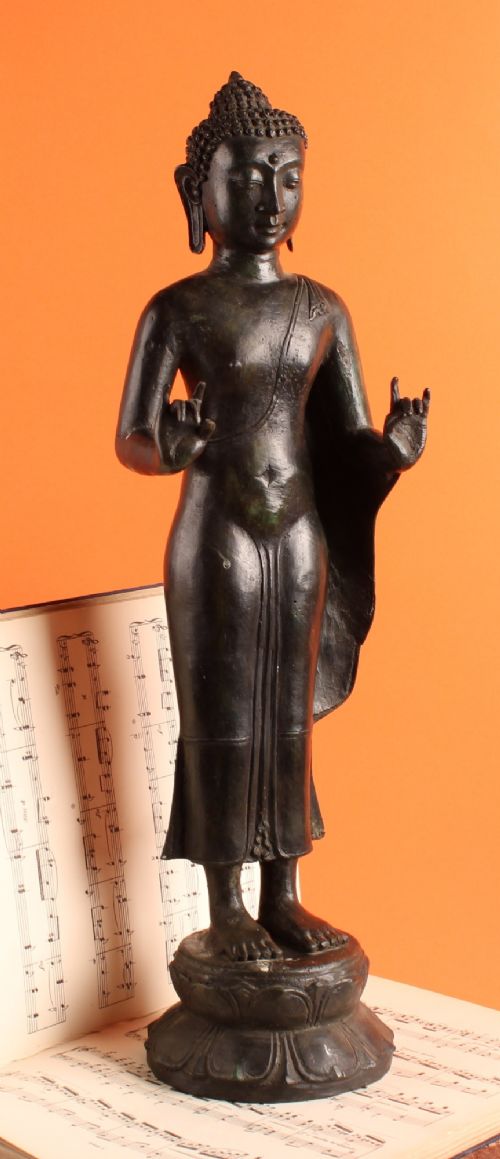
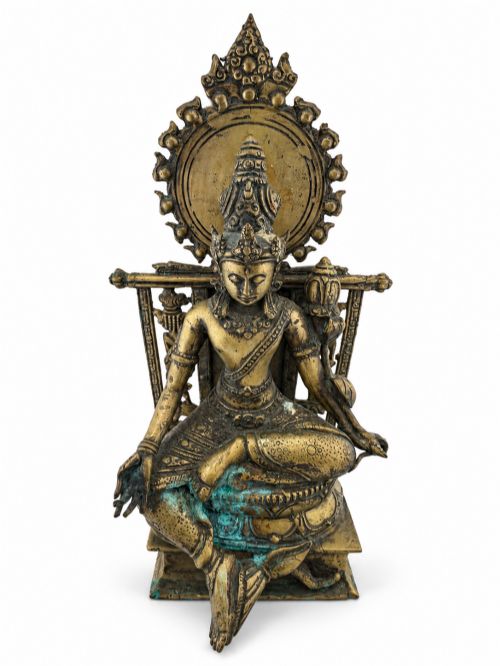
A buddhist bronze icon represents figures from Asian spiritual traditions, taking the form of standing or seated deities, bodhisattvas, and guardian figures. When searching for a buddhist bronze icon, buyers encounter figures originating from Thailand, Tibet, Nepal, China, and Java, spanning several centuries from the sixteenth to the twentieth.
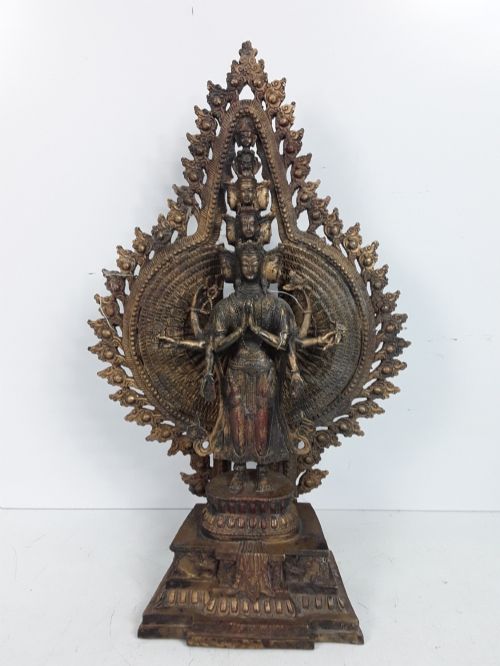
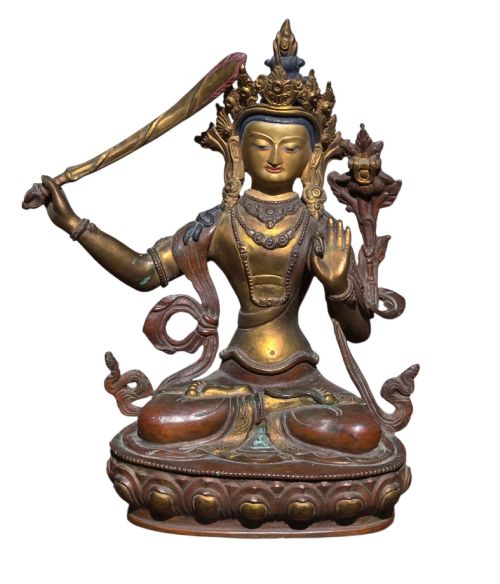
The most common examples on this page are nineteenth-century figures, including Thai Buddha statues in various mudras and Tibetan representations of deities like Tara and Avalokiteshvara. These sculptures range from modest portable shrine pieces to substantial temple figures.
Regional styles dictate the appearance of each buddhist bronze icon, showing distinct artistic conventions from the Ayutthaya and Rattanakosin periods or Sino-Tibetan workshops. Understanding these regional traits helps collectors place an object correctly within its historical and geographical context.
Materials and construction
Many sculptures incorporate supplementary materials like wood for stands or traces of original pigment and gold leaf adhering to the metal surfaces. These media combine to create the textured appearance seen on older ritual figures.
Buddhist Bronze Icon Retail Price Guide 2026
Typical asking prices for buddhist bronze icon among the pieces listed under this phrase on Sellingantiques today, from the lower quarter to the upper quarter. They describe what is for sale here now, not the wider market.
Current listings feature bronzes spanning from sixteenth-century Java and Ayutthaya up to twentieth-century Tibetan and Himalayan shrines.
Assessing quality in metal sculpture
The quality of a buddhist bronze icon rests in the crispness of the casting and the sensitivity of the modelling in the hands, face, and drapery. Superior pieces retain fine detail in the ornamentation and facial expressions without losing definition through excessive smoothing or wear.
Surviving original surface treatments, such as partial fire gilding or traces of polychrome pigment, elevate the standing of an object. The harmony of proportions and the weight of the cast metal further distinguish exceptional regional works from routine production.
The Buddhist Bronze Icon Glossary
- Mudra
- A symbolic hand gesture used in Buddhist iconography to convey specific teachings or states of mind. Common examples include the earth-touching gesture and the double mudra.
- Bodhisattva
- An enlightened being who defers nirvana to help others achieve salvation. These figures are typically adorned with elaborate jewellery and crowns.
- Gilt-bronze
- Bronze metal that has been coated with a thin layer of gold or gold leaf. This finish was frequently applied to important temple statues.
- Patination
- The natural or artificial alteration of a metal surface over time through oxidation and handling. A rich brown or aged patina adds visual depth to older bronzes.
- Avalokiteshvara
- The bodhisattva of compassion who embodies the compassion of all Buddhas. Depictions often feature multiple heads or arms to signify infinite helpfulness.
Buddhist Bronze Icon: Frequently Asked Questions
How old are these bronze figures?
The pieces on this page span from the sixteenth century up to the early twentieth century, with a large concentration originating in the nineteenth century.
Datings rely on stylistic evidence, regional casting methods, and the specific iconography associated with particular dynasties or periods.
What is a mudra?
A mudra is a ritual hand gesture shown by the figure to communicate a specific spiritual meaning or teaching.
Recognising these hand positions helps identify the specific deity or the moment in the Buddha's life being represented.
How should I display a bronze icon?
These sculptures require a stable, level surface away from direct moisture and extreme temperature fluctuations to protect the metal and any remaining gilding.
Many collectors place them on dedicated wooden bases or within display cabinets where the details can be viewed closely.