



Antique Burmese Bronze
Antique burmese bronze brings lasting presence to a room, offering bronze figures, animals, and gongs rooted in Southeast Asian tradition.
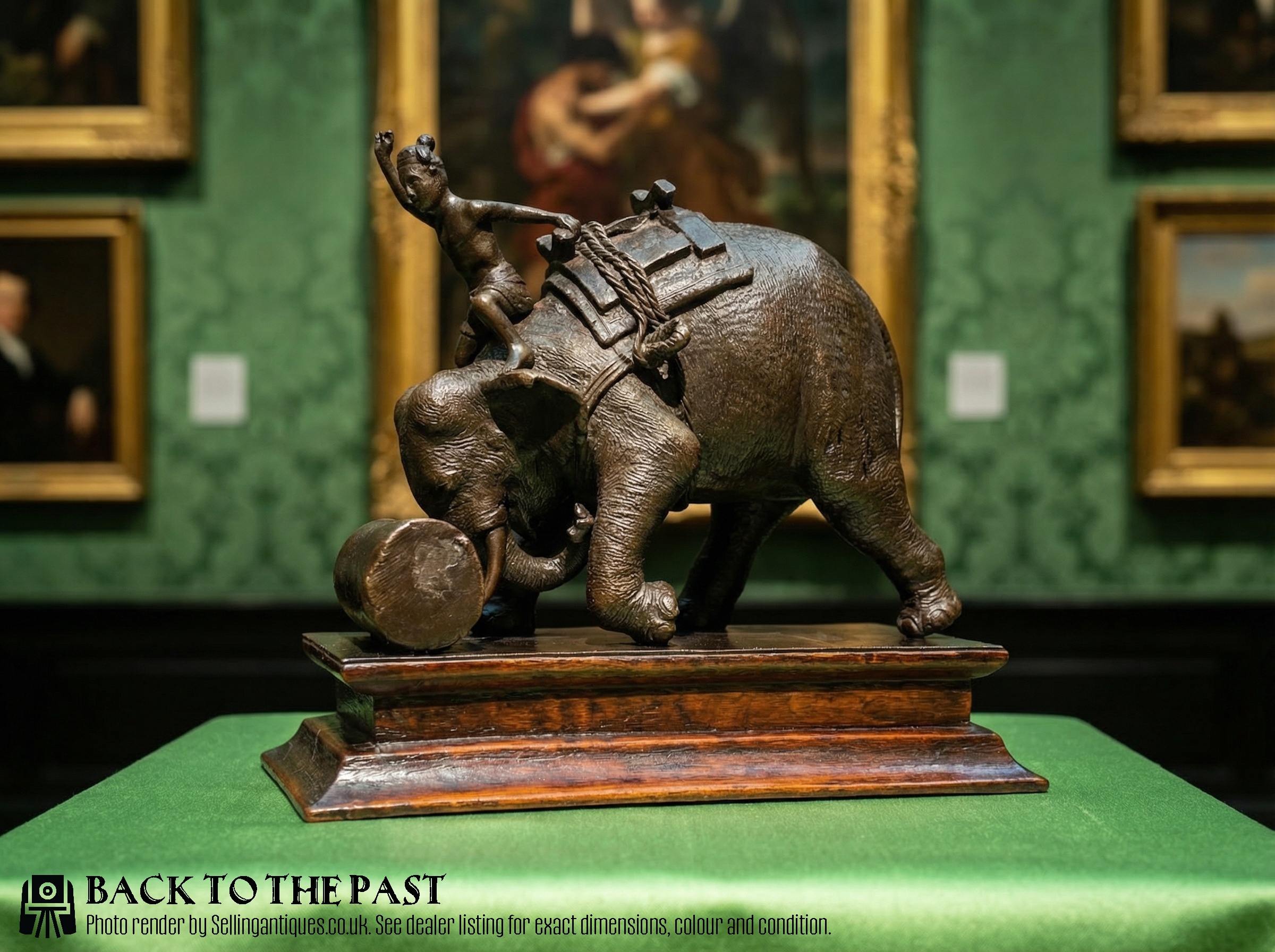
Antique Burmese Bronze
When you search for antique burmese bronze, you encounter sculptural works that span centuries of Southeast Asian artistry. These pieces range from religious figures like the Buddha to practical items such as trade opium weights and table gongs.
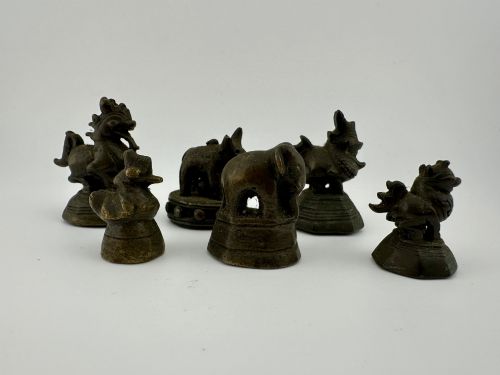
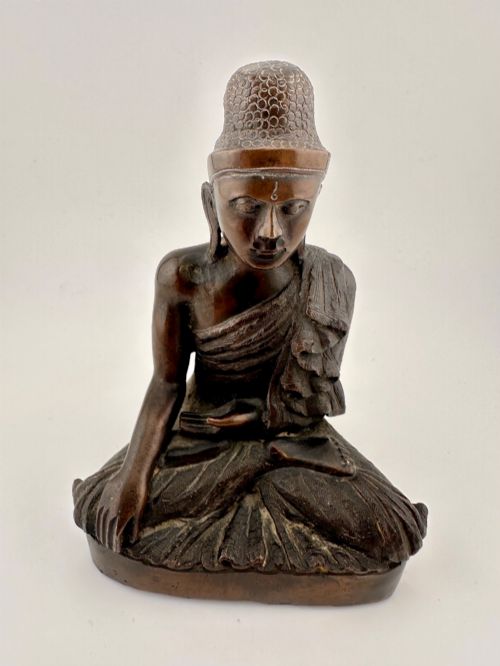
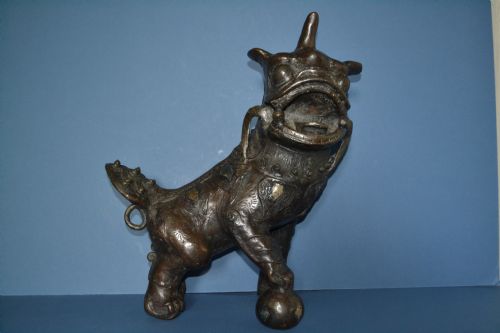
The objects most frequently met on this page include seated Buddha statues and temple lions executed in bronze. Alongside these devotional figures, animal trade weights and carved gongs demonstrate the broader scope of metalwork from the region.
Originating largely from the nineteenth and eighteenth centuries, these works reflect traditional Burmese and Mandalay styles. They combine metal casting with materials like teak wood, glass inlay, and cord to create distinct decorative and functional objects.
How they were made
The creation of these objects relies on bronze casting techniques passed down through generations. Artisans shaped metal figures and animal forms with careful attention to proportion and traditional iconography.
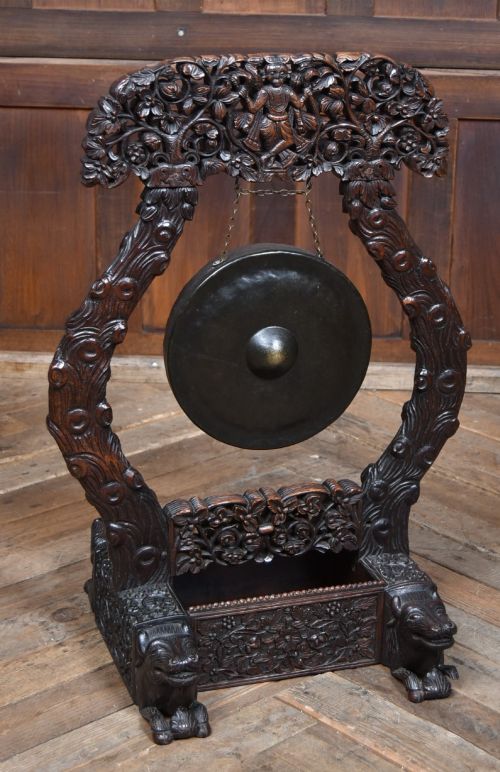
Many bronzes are accompanied by carved teak wood stands or incorporate glass inlay and cord elements. This combination of cast metal and organic materials defines the physical construction seen across the pieces.
Some trade weights were cast as ducks, reminding us that commerce once walked on webbed feet.
What varies in quality
The integration of secondary materials such as carved teak stands and glass inlay affects the overall character of the piece. Superior works maintain a harmonious balance between the bronze sculpture and its mounting or accompanying elements.
The Antique Burmese Bronze Glossary
- Bronze
- An alloy primarily of copper and tin used for casting sculptures and figures. It develops a rich patina over centuries of handling and exposure.
- Mandalay style
- A specific regional aesthetic from Burma characterised by serene facial expressions and traditional monastic robes on Buddha figures.
- Opium weight
- A small cast metal weight often formed as an animal and utilised in traditional trade. These pieces were cast in graduated sizes known as ticals.
- Bhumisparsha mudra
- The earth-touching gesture depicted in seated Buddha statues where the right hand reaches down toward the ground.
- Temple lion
- A mythical guardian figure, also known as a chinthe, frequently cast in pairs to watch over sacred spaces.
Antique Burmese Bronze: Frequently Asked Questions
What are antique burmese bronze pieces?
These are cast metal sculptures, figures, and gongs originating from Southeast Asia during the eighteenth and nineteenth centuries. They encompass religious icons, animal trade weights, and decorative temple objects.
The materials typically include bronze alongside wood, teak, and glass inlay. Each piece reflects the traditional craftsmanship of Burmese and Mandalay workshops.
How were these bronzes used originally?
Many of the religious figures served as devotional objects in shrines and temples. Others, such as the animal trade weights, fulfilled practical functions in daily commerce.
Gongs and temple lions held ceremonial roles within sacred architecture. Over time, these items transitioned into decorative objects for collectors.
How do I live with antique bronze?
Bronze requires minimal intervention and benefits from stable indoor humidity away from direct heat sources. Dusting gently with a soft dry cloth preserves the natural surface.
Allowing the historical patina to remain untouched maintains the character of the piece. Wooden stands and bases should be treated with care suitable for hardwood.
How do I identify different periods?
Dating relies upon stylistic conventions, casting characteristics, and historical context. Eighteenth-century and nineteenth-century pieces exhibit distinct regional traits in their modelling and finish.
Associated elements like carved teak stands or glass inlay offer further clues to origin. Comparing the handling marks helps establish the likely age of the metalwork.