



Burmese Buddha Sculpture
These burmese buddha sculpture pieces bring calm presence into a room, forged from bronze and carved from wood over centuries.
Burmese Buddha Sculpture
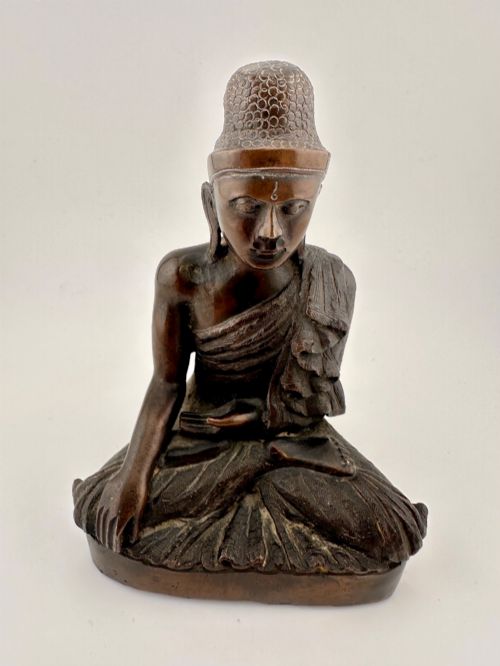
A burmese buddha sculpture represents enlightened figures from Buddhist tradition, originating from Southeast Asia and specifically associated with the Mandalay style. You encounter pieces spanning from the eighteenth century through the Edwardian era and the nineteen-thirties.
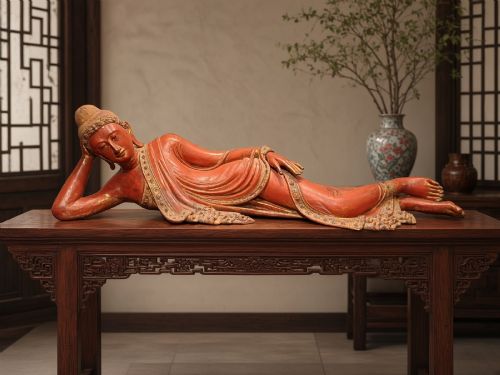
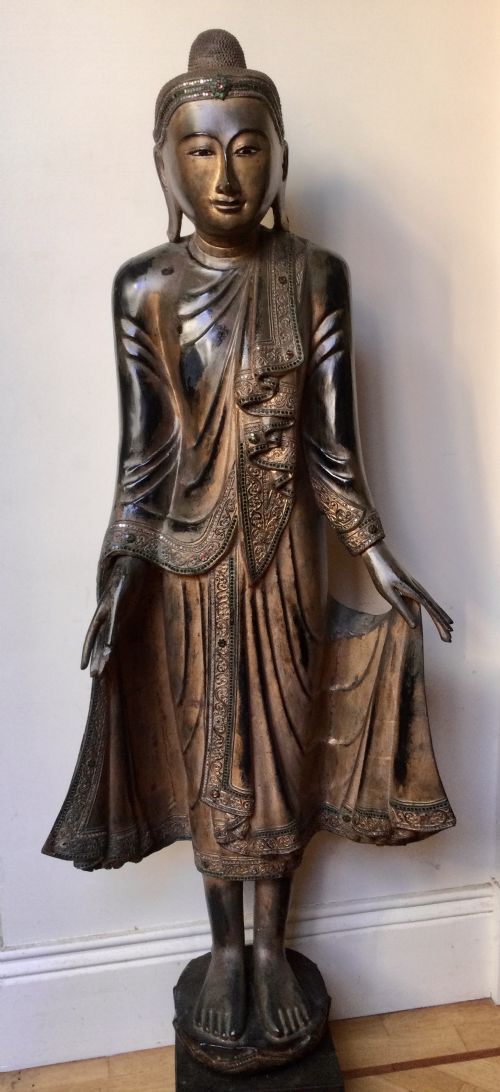
The forms on this page include seated postures, reclining figures, and standing statues created as temple or devotional objects. Bronze and gilt wood dominate the selection, alongside white marble and lacquered surfaces.
Materials and construction
Metal sculptures utilise bronze cast via traditional methods, frequently finished with applications of gold leaf. Gilt wood examples combine carved timber with surface gilding and occasionally glass inlay details.
Marble pieces are carved from solid stone to form large temple statues, particularly evident in reclining figures from the Mandalay period.
Current listings feature pieces spanning the eighteenth century, the nineteenth century, and the nineteen-thirties, utilising bronze, wood, and marble.
Judging quality and character
The distinction between pieces rests upon the crispness of the carving or casting and the survival of original surface treatments such as gold leaf and lacquer. Finer examples retain clear facial expressions and precise drapery folds.
Proportion and stance dictate visual balance, where masterworks display harmonious posture while simpler items show more utilitarian execution.
The Burmese Buddha Sculpture Glossary
- Bhumisparsha mudra
- The earth-touching gesture shown in Buddhist art, symbolising the Buddha calling the earth to witness. It appears frequently on bronze figures from the region.
- Gilt wood
- Timber coated with a thin layer of gold leaf or powder. This technique brings a radiant finish to carved statues.
- Glass inlay
- Small pieces of coloured or mirrored glass set into the surface of a sculpture to catch the light. It often highlights decorative borders and garments.
Burmese Buddha Sculpture: Frequently Asked Questions
What is a burmese buddha sculpture made from?
These sculptures utilise materials such as cast bronze, carved wood, white marble, and lacquer. Many pieces feature added layers of gold leaf or glass inlay.
The choice of material often reflects the region and the period of creation, with temple statues frequently appearing in marble or substantial bronze.
How do I date a burmese buddha sculpture?
Dating relies on stylistic markers, materials, and regional traditions such as the Mandalay aesthetic. Nineteenth-century pieces show specific casting techniques and surface wear.
Examining the tool marks on wood or the patina on bronze helps place an object within its historical window.
Where were these sculptures placed originally?
Many of these statues served as devotional objects within temples, shrines, or domestic prayer spaces across Southeast Asia. Reclining and seated figures held central positions for meditation and offerings.
Their original placement dictated their scale, ranging from small portable statues to large temple figures.
How should I care for a gilt wood sculpture?
Protect wooden and gilt surfaces from direct sunlight and fluctuating humidity to prevent cracking or flaking. Dust gently with a soft, dry brush.
Avoid using liquid cleaners or polishes that might damage fragile gold leaf or ancient lacquer.