
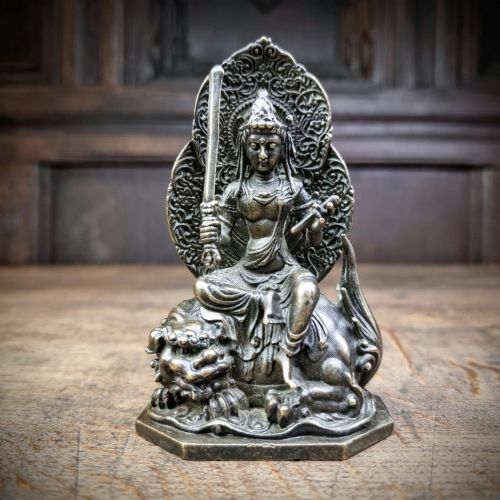
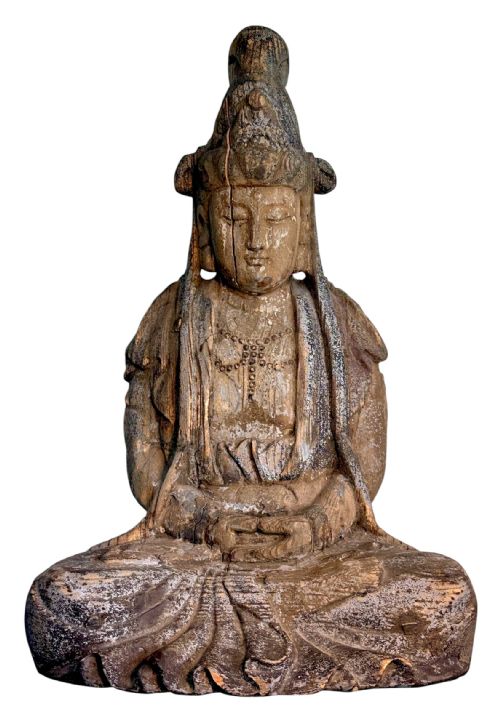


19th Century Buddha
A 19th century buddha brings the calm presence of Southeast Asian and Chinese artistry directly into a room.
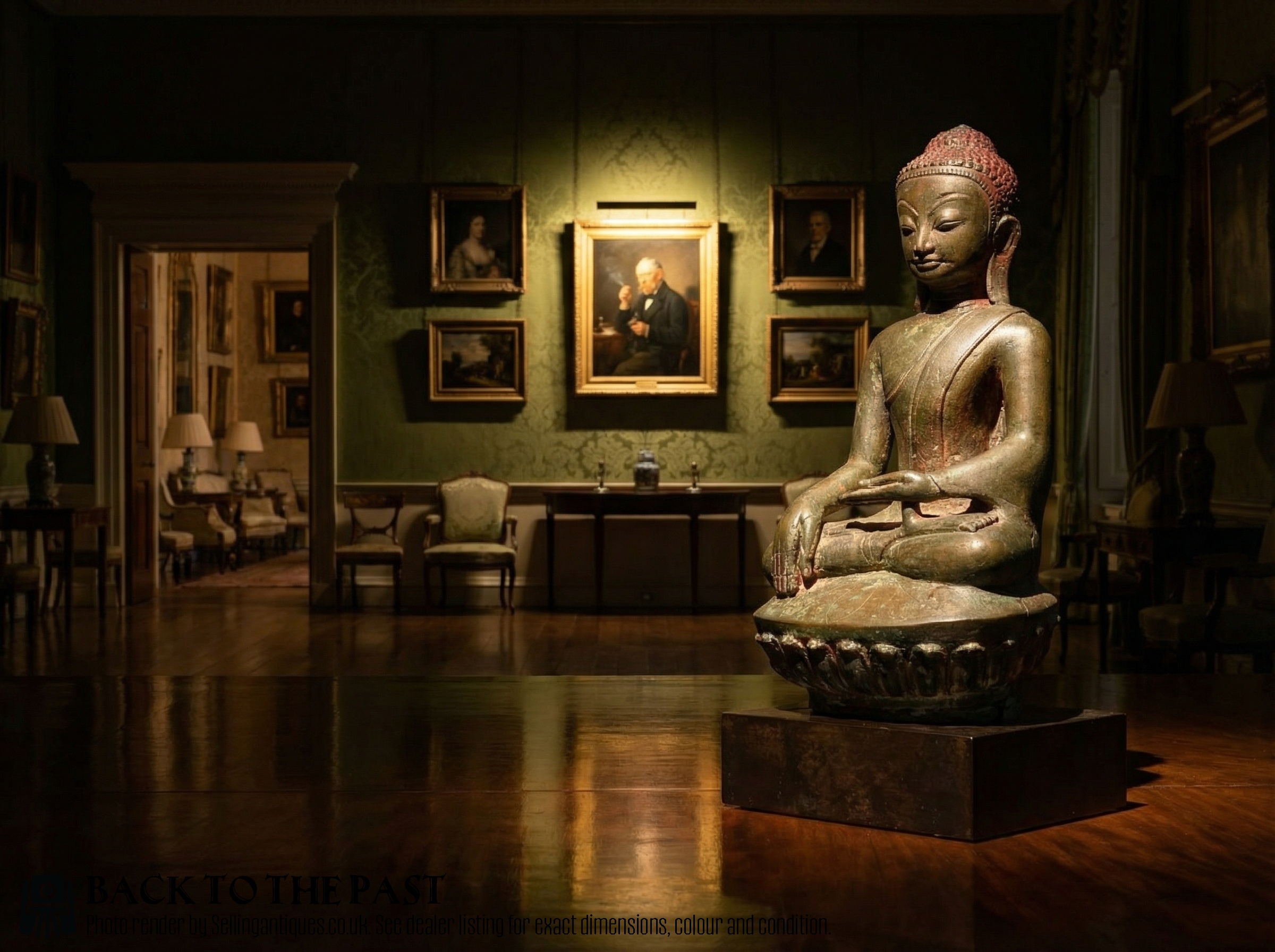
What a 19th Century Buddha Is
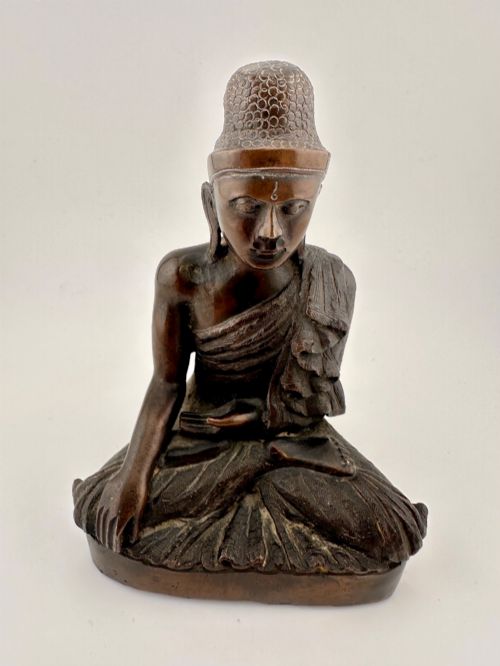
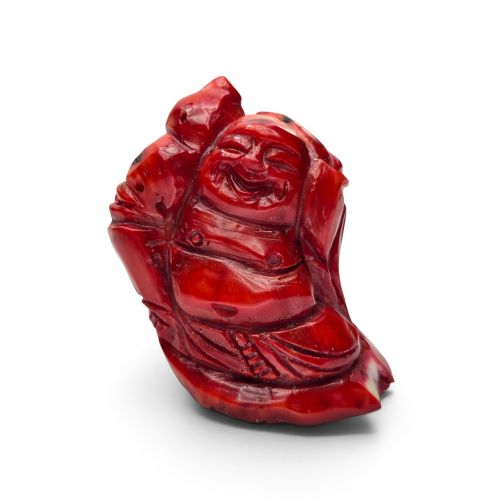
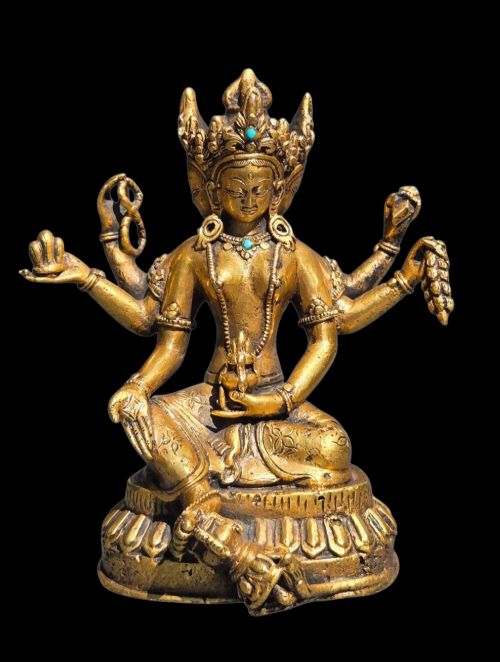
When you search for a 19th century buddha, you encounter sacred sculptures and ritual figures created across Asia, predominantly during the 1800s. These works span distinct regional traditions including Burmese Mandalay, Tibetan, Thai Rattanakosin, and Qing Dynasty Chinese forms.
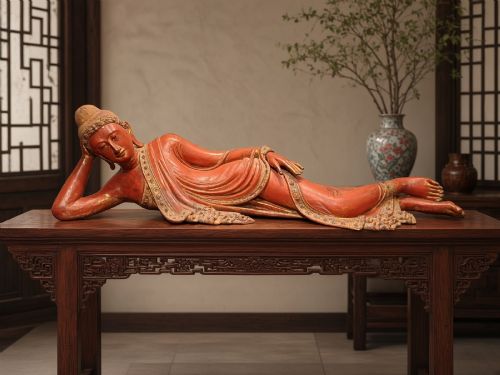
The objects appear as seated figures in meditative postures, standing statues, reclining forms, and detailed portrait heads. Materials range from cast bronze to carved wood embellished with polychrome pigment, gilding, marble, and alabaster.
Most examples originate from Burma, Tibet, Thailand, and China, reflecting the devotional art and monastic craft of those regions during the nineteenth century.
How They Were Made
Metal sculptures utilise the lost-wax casting technique for bronze, often finished with patination, gilding, or applied surface details like cloisonne. Castings vary from solid small figures to monumental hollow pieces.
Wooden statues employ high relief carving and joinery, frequently sealed with layers of polychrome pigment, gesso, and gold leaf. Alabaster and marble versions demonstrate stone carving traditions specific to South East Asia.
Retail Price Guide 2026
Typical UK retail prices for 19th century buddha, calculated from the Sellingantiques database of over a million retail prices indexed since 2003. This retail price guide relies exclusively on Sellingantiques data; no external sources or auction records are used, so the figures do not describe the wider market.
What Varies in Quality
Workmanship varies between refined monastic commissions and decorative trade pieces, influencing the depth of detail in drapery, hair curls, and lotus thrones. Original patination and intact ritual pigments elevate the character of a piece.
The 19th Century Buddha Glossary
- Bhumisparsha Mudra
- The earth-touching gesture where the right hand reaches down to touch the ground, calling the earth to witness.
- Shakyamuni
- The historical Buddha, depicted seated or standing in meditative poses.
- Polychrome
- Decoration using multiple colours of paint applied to wood, stone, or metal surfaces.
- Cloisonne
- Enamelling technique where compartments are created on metal surfaces by soldering flat wire to the base.
- Mandalay style
- A distinct regional school of Burmese sculpture characterised by an oval face, arched eyebrows, and elaborate monastic robes.
Frequently Asked Questions
How do I identify a Burmese buddha?
Burmese pieces often feature distinctive robes with layered hems and serene facial expressions with downcast eyes.
Many examples from this region utilise cast bronze or carved wood finished with traditional lacquer and gold leaf.
What materials were used?
The pieces utilise bronze, brass, carved wood, marble, alabaster, and cloisonne.
Surfaces are frequently enhanced with gilding, polychrome pigment, and dark patination.
How were these figures displayed?
Statues served as objects of devotion in domestic shrines, temples, and monastic settings.
Today they function as focal points in interior design, placed on low tables or dedicated stands.
Are bronze statues solid or hollow?
Larger metal figures are typically hollow-cast using the lost-wax method to reduce weight and metal usage.
Smaller domestic statues are occasionally cast solid.