





Seated Buddha Statue
A seated buddha statue holds the quiet presence of centuries past, bringing meditative calm and distinct regional artistry into a room.
Seated Buddha Statue
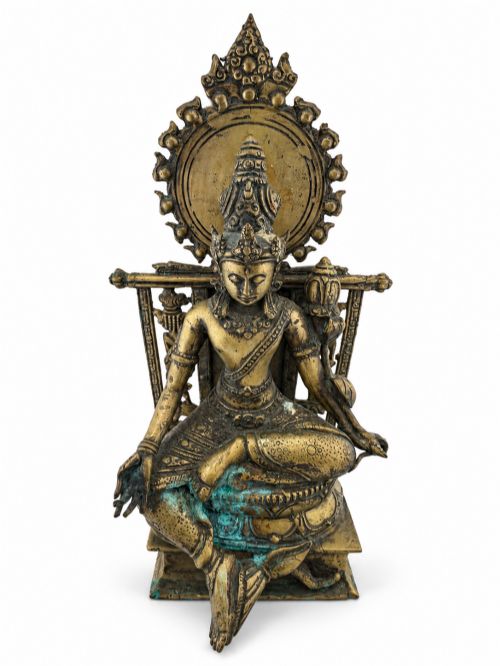
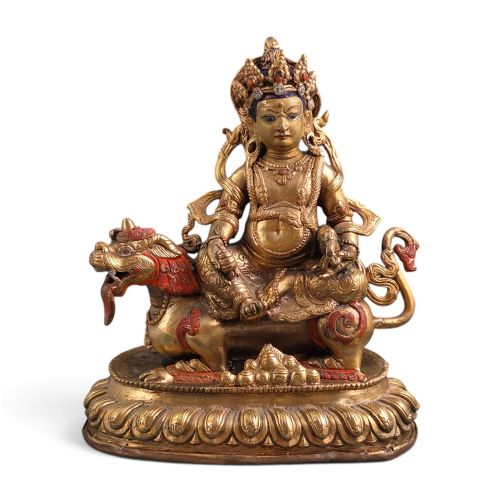
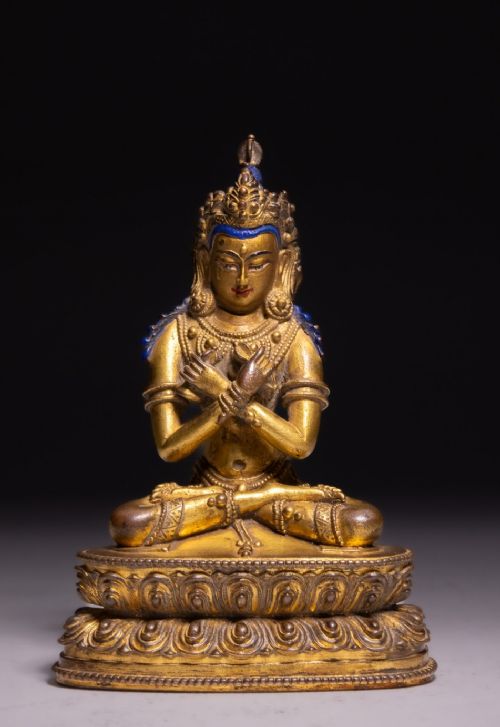
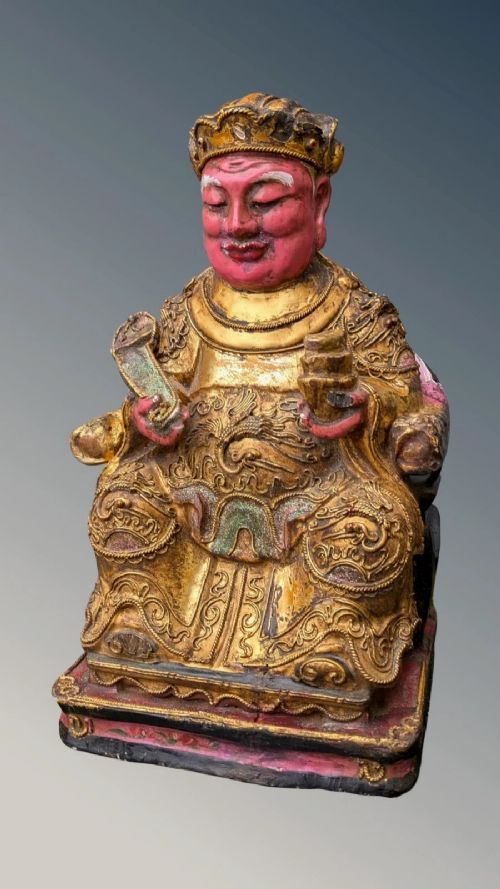
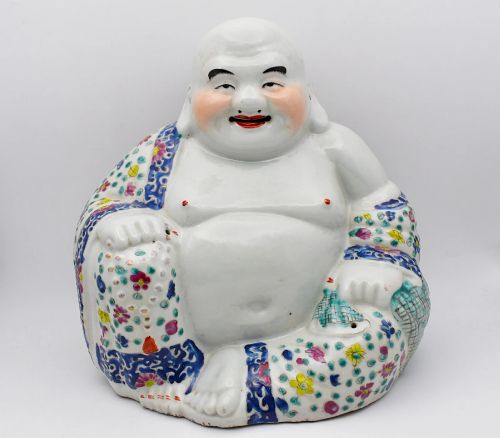
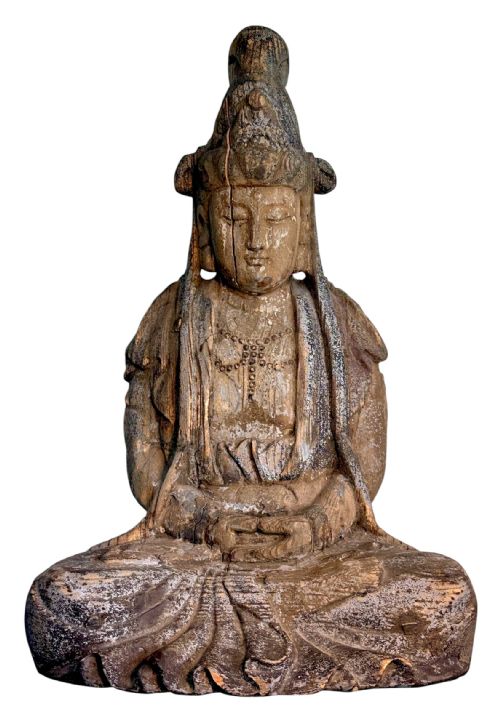
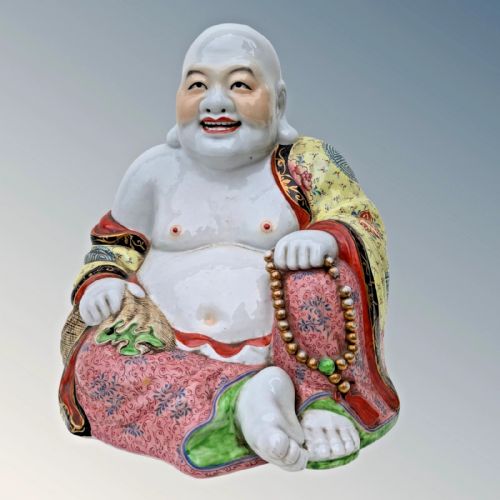
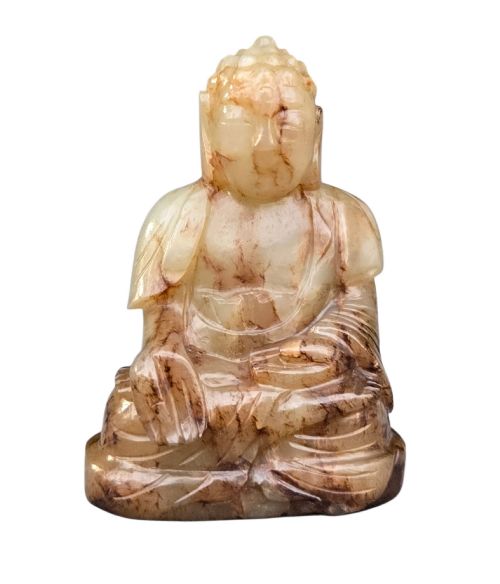
A seated buddha statue represents a profound tradition of sacred sculpture, appearing here across diverse regional forms from Tibet, China, Burma, Thailand, and Java. These pieces take the shape of sculptures and figures cast in metal or carved from wood, stone, and porcelain, reflecting stylistic traits from periods such as the Qing dynasty, Sino-Tibetan workshops, and Southeast Asian traditions.
Collectors searching for this phrase most frequently encounter 18th-century and 19th-century metal castings alongside carved wooden figures from the same eras. The selection spans serene meditative postures to specific manifestations like the laughing Buddha Budai, Guanyin, and regional deities such as Green Tara or Jambhala.
The material evidence demonstrates a wide geographical spread, taking in Burmese Mandalay bronzes, Central Javanese temple bronzes, and Chinese export porcelain. Each piece carries the distinct aesthetic signatures of its origin, whether that is the rich patination of a Thai bronze or the polychrome decoration of a Qing period wooden carving.
Materials and construction methods
Metal sculptures rely heavily on traditional casting methods, predominantly utilising bronze and copper alloy, sometimes enhanced with gilt or gold leaf applications. These metal pieces often display intricate surface detailing achieved through careful chasing and finishing before receiving their final patination.
Carved pieces turn to timber, stone, and jade, with wooden examples frequently employing polychrome pigments and lacquer finishes to build up surface colour and depth. Porcelain figures utilise fine ceramic pastes shaped in moulds or modelled by hand before receiving detailed enamel painting in palettes such as famille rose.
Listings feature metal, wood, stone, and porcelain, spanning periods from pre-sixteenth century to the mid-twentieth century.
Assessing sculptural quality
The preservation of original surface treatments plays a major role in the standing of a piece, distinguishing surfaces that retain their authentic gilding, pigment, or historical patina from those altered by later interventions or heavy cleaning.
Zhu Mao Ji
The Seated Buddha Statue Glossary
- Bronze
- An alloy of copper and tin widely used for casting durable sculptural figures across Asian traditions. It develops a rich natural patina over long periods.
- Gilt bronze
- Metal sculpture coated with a thin layer of gold or gold leaf to create a luminous surface finish. This technique highlights sacred attributes and royal garments.
- Polychrome
- Decoration employing multiple colours applied to the surface of wood, stone, or ceramic sculptures. Pigments are often layered over a prepared ground.
- Bhumisparsha mudra
- The earth-touching gesture common in Buddhist iconography, where the right hand reaches down to touch the ground. It signifies the Buddha calling the earth to witness.
- Famille rose
- A palette of opaque enamel colours dominated by pink, introduced to Chinese porcelain decoration during the Qing dynasty. It allows for subtle tonal shading in figurative work.
Seated Buddha Statue: Frequently Asked Questions
How do I date a bronze statue?
Dating relies on stylistic markers, casting techniques, and the nature of the metal patination built up over centuries. Comparative study of regional iconographic traits helps narrow down the period of manufacture.
Examination of tool marks and surface wear also provides clues to age, distinguishing historical foundry work from later reproductions.
What is a laughing buddha?
The laughing Buddha represents Budai, a Chinese folk deity associated with happiness, contentment, and abundance. He is typically depicted as a stout, jovial figure with a exposed belly.
These figures appear in porcelain, wood, and metal, often rendered with smiling attendants or bags of treasures.
How should I display a wooden statue?
Wooden figures require stable indoor environments away from direct sunlight and dramatic shifts in temperature or humidity. These precautions protect carved details and original polychrome or lacquered surfaces from cracking.
Placing the piece on a secure, flat surface ensures it remains stable without requiring fixed mounts that might damage the antique material.
What does a mudra mean?
A mudra is a symbolic hand gesture used in Buddhist art to convey specific teachings, states of mind, or spiritual qualities. Different hand positions indicate meditation, protection, or calling the earth as witness.
Recognising these gestures helps identify the specific deity or moment in the Buddha's life depicted by the sculptor.