



Bronze Burmese Figure
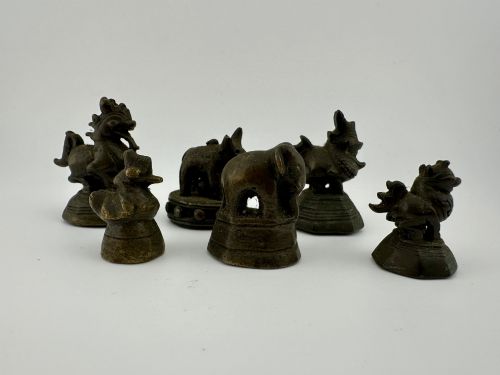
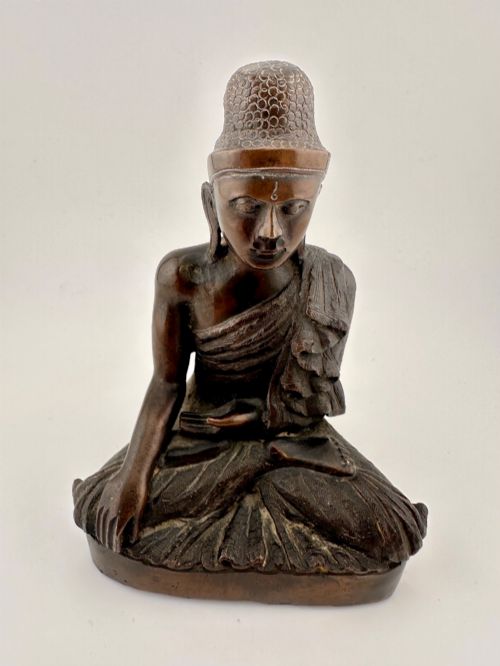
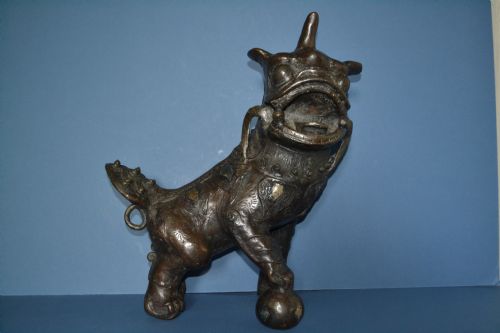
These bronze burmese figure pieces bring Southeast Asian artistry into your room, offering small animal weights alongside large temple Buddhas.
Bronze Burmese Figure
A bronze burmese figure search reveals diverse objects spanning the eighteenth and nineteenth centuries, alongside pieces dated to nineteen twenty. You encounter Buddhist statues in specific mudras alongside temple lions and functional animal opium weights.
The nineteenth century provides the strongest representation in this selection, particularly figures associated with the Mandalay tradition. These forms range from small tabletop sculptures to substantial temple pieces.
Materials and construction
Foundry workers utilised traditional bronze casting methods to create these sculptures, sometimes incorporating hardwood bases or glass inlay details. Certain items combine cast metal with carved teak or cord elements.
Artisans rendered these figures in distinct regional styles, capturing specific religious postures and animal forms with enduring metallic substance.
Listings feature items from the eighteenth century, the nineteenth century, and the year nineteen twenty.
Distinctions in quality
Quality rests in the precision of the cast and the clarity of expression across the face and hands of the subject. Finer examples display deliberate attention to traditional iconography and garment folds.
Surface finish and the preservation of original material integrity separate standard production pieces from superior works. The handling of secondary materials like glass inlay further indicates the maker's competence.
The Bronze Burmese Figure Glossary
- Mudra
- A symbolic gesture or pose of the hands in Buddhist art. Specific mudras denote particular teachings or moments in the life of the Buddha.
- Tical
- A traditional unit of weight used in Southeast Asia. Animal figures cast to this standard often served as commercial weights.
- Mandalay
- A major stylistic centre in Burma known for distinctive sculptural forms. Figures from this tradition often feature elaborate crown and robe ornamentation.
- Opium weight
- A small cast metal figure used with a balance scale for trade. These commonly took the shape of animals such as ducks or lions.
Bronze Burmese Figure: Frequently Asked Questions
What periods do these figures come from?
The pieces span the eighteenth and nineteenth centuries, with occasional items dating to nineteen twenty. Nineteenth-century examples form the core of the available selection.
Craftsmanship reflects traditional Southeast Asian methods across these periods, maintaining distinct regional styles regardless of the exact decade of origin.
How were opium weights used?
Traders utilised these small bronze animal figures alongside balance scales to weigh goods accurately. Each piece corresponded to a specific tical standard.
Beyond their utilitarian function in commerce, these figures display the same sculptural care found in larger religious statues of the era.
How do I identify a Mandalay Buddha?
Mandalay style pieces typically exhibit specific facial characteristics and ornate traditional garments associated with that Burmese region. The casting often includes detailed headwear and robes.
These sculptures emphasise serene expressions and precise meditative postures characteristic of nineteenth-century Buddhist art from Burma.
Where should I place a temple lion?
Temple lions serve as substantial sculptural ornaments suitable for prominent display on tables or designated surfaces. Their size and metallic presence anchor a room's decor.
Ensure the placement supports the weight of the bronze piece and complements surrounding furnishings without crowding the space.