


Antique Bronze Deity
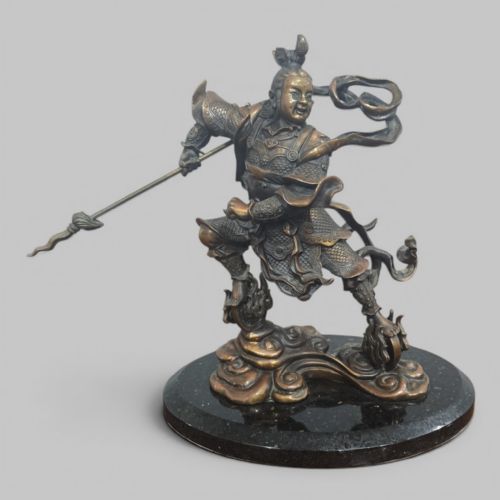
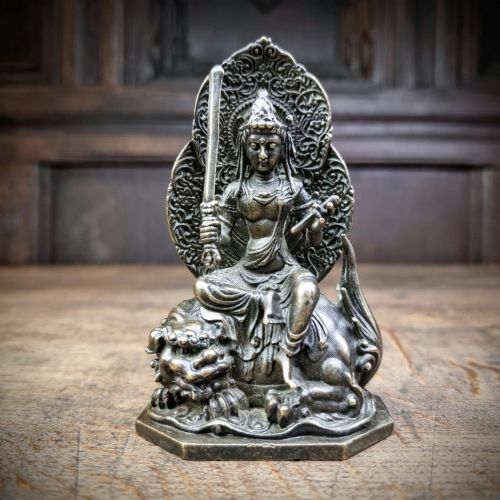
These antique bronze deity figures bring centuries of devotion, ritual presence and master metalwork straight into a room.
Antique Bronze Deity
An antique bronze deity brings sacred iconography from Buddhist, Hindu, Jain and classical traditions into domestic spaces. When you search for antique bronze deity, you encounter figures ranging from small shrine sculptures to substantial temple statues.
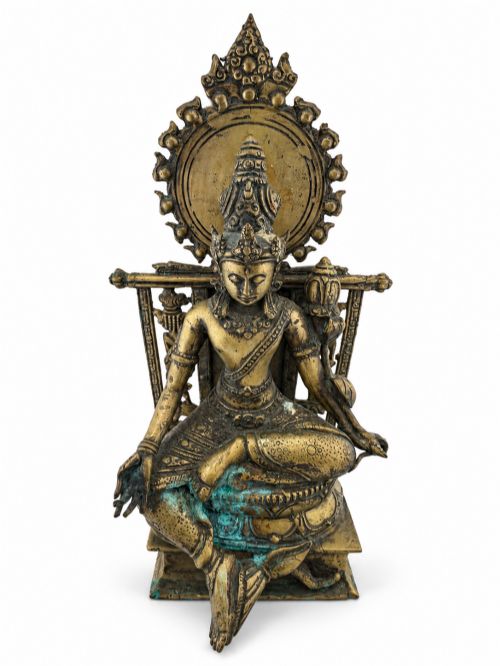
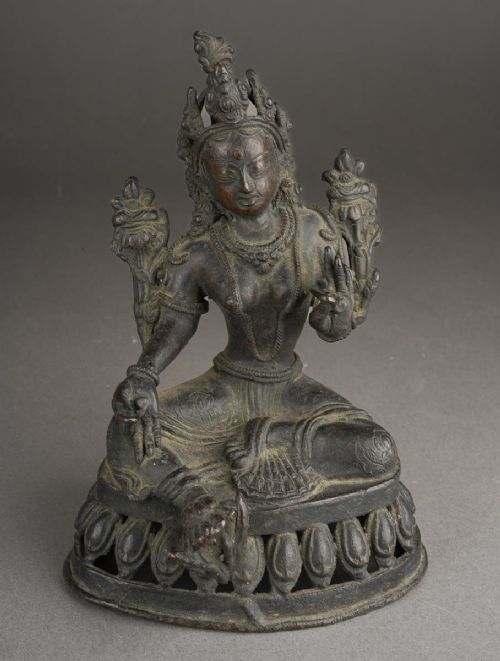
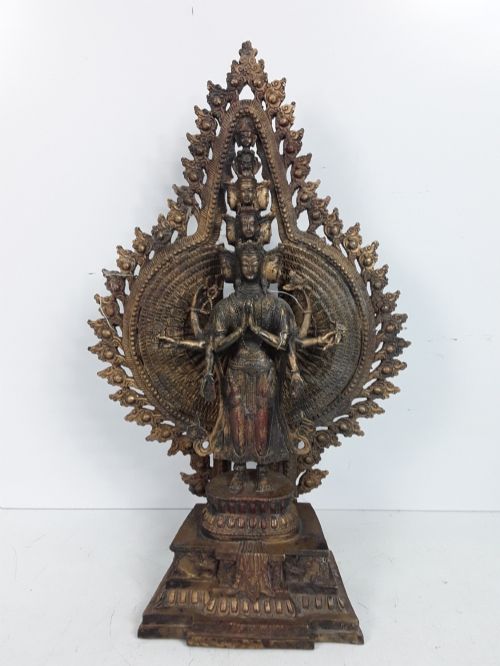
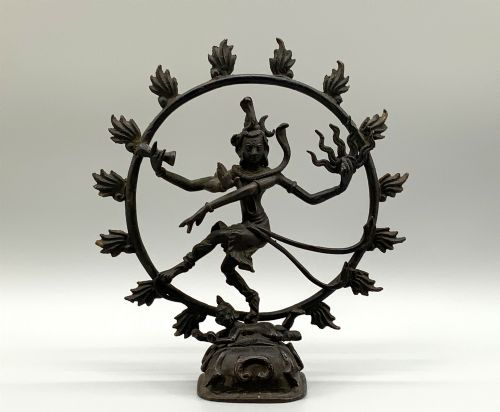
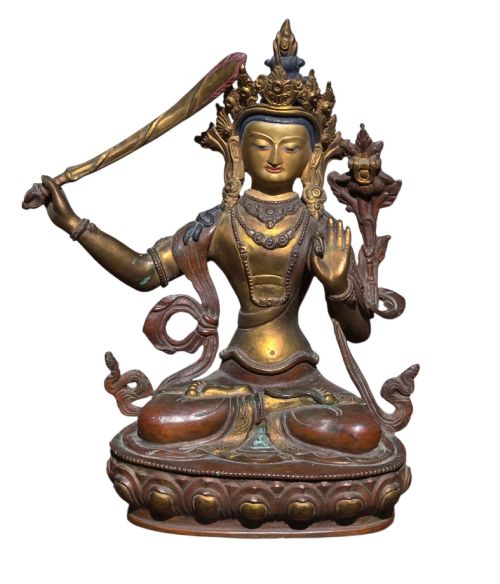
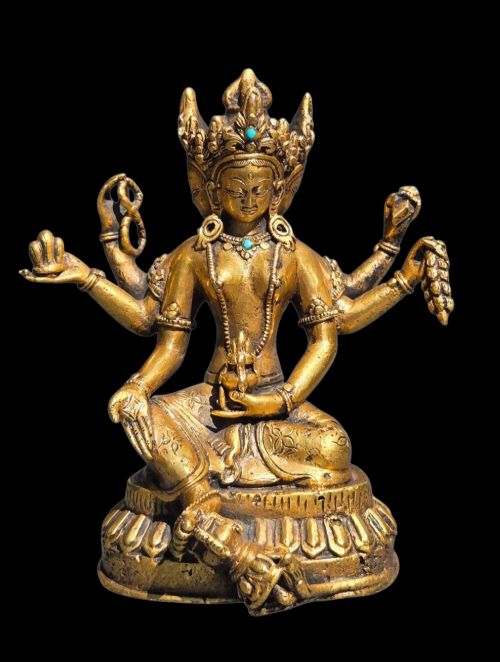
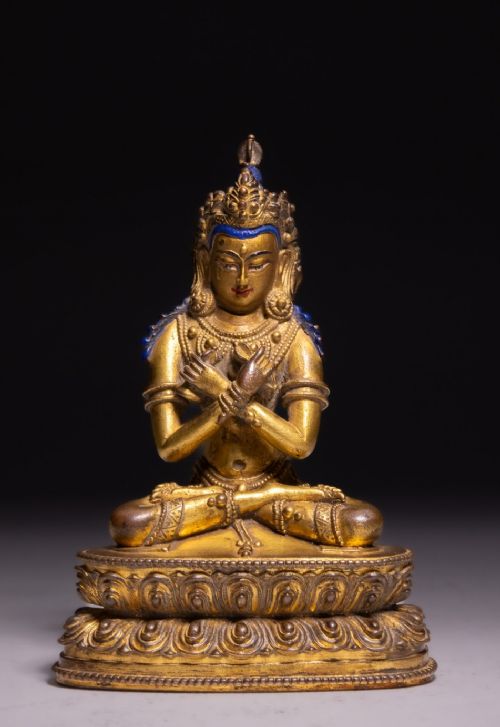
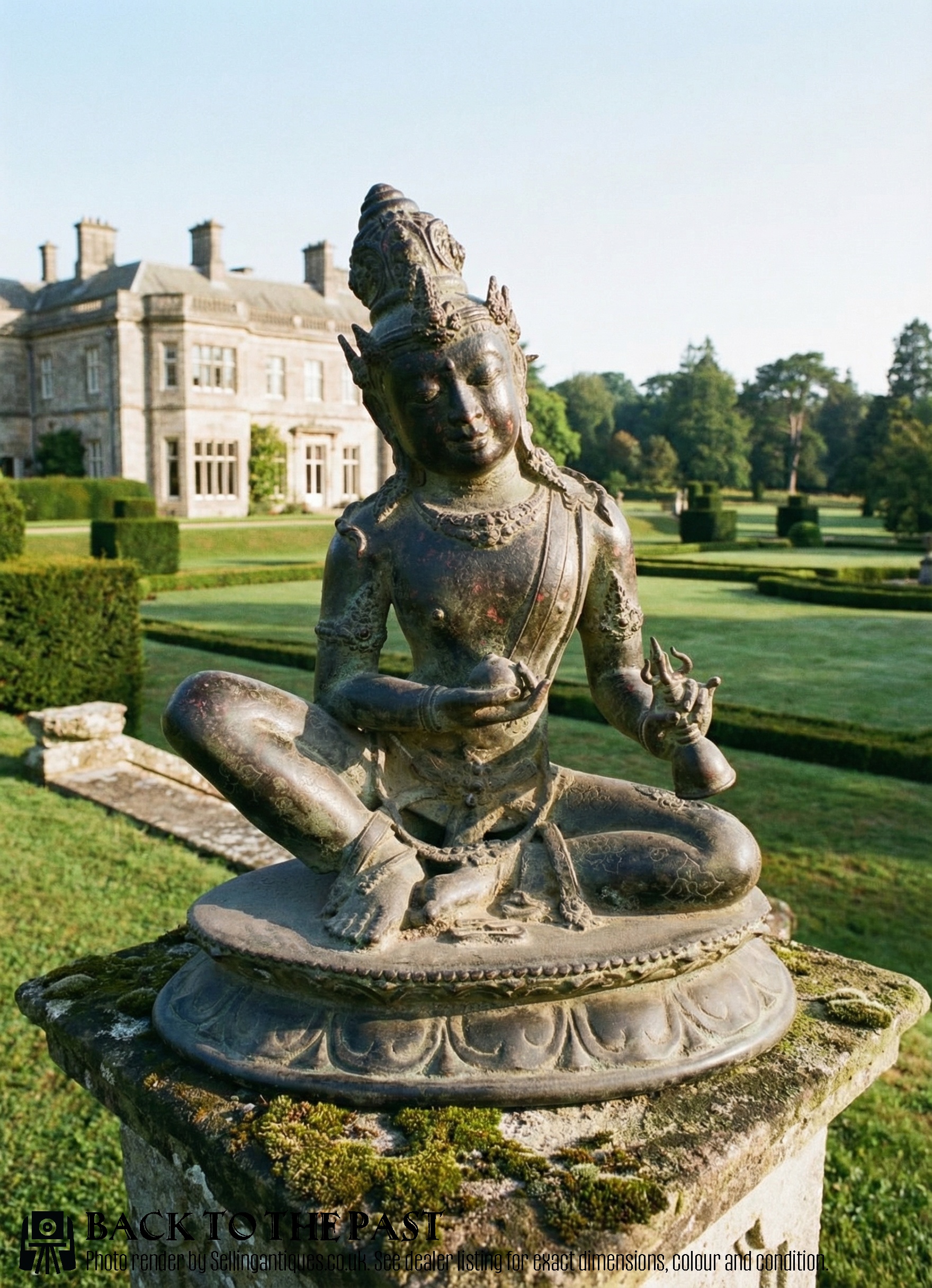
The material record spans centuries of Asian and European metalwork, with Tibetan, Sino-Tibetan, Indian, Javanese and Thai figures dominating the selection. These pieces depict figures such as Buddha, Tara, Shiva, Avalokiteshvara and various bodhisattvas in seated or standing postures.
Most examples date from the seventeenth through to the early twentieth century, though occasional pieces reach back to pre-sixteenth-century Javanese workshops. They function as both objects of religious reverence and sophisticated works of metal sculpture.
How They Were Made
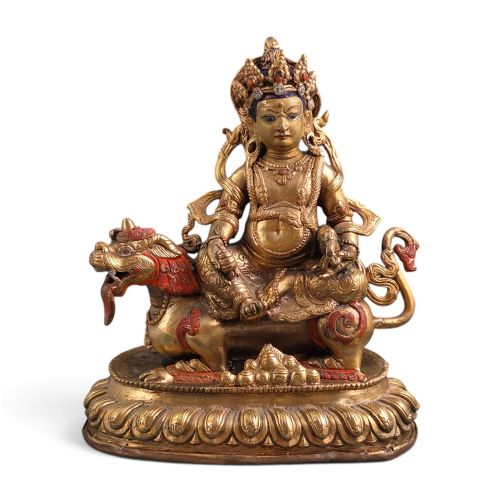
Metalcasters typically used the lost-wax method to cast these sculptures in bronze, copper alloy or brass, allowing for intricate detail in robes and ornamentation. Many surfaces received fire gilding, creating a lustrous golden layer that endures across the centuries.
Several deities sit astride unusual mounts on this page, including lions, elephants and mythical kylins.
What Varies in Quality
The survival of original surface treatments, such as fire gilding, mineral inlays and applied pigments, heavily influences the standing of a piece. Well-preserved patination and intact attributes held within the hands indicate superior craftsmanship and careful preservation.
Unno Shomin
The Antique Bronze Deity Glossary
- Bodhisattva
- An enlightened being who defers Buddhahood to assist others on the path to liberation. They appear in art wearing royal garments and ornate jewellery rather than monastic robes.
- Lost-wax casting
- A metalworking process where a wax model is melted out from a clay mould to leave a cavity for molten bronze. This technique permits complex undercut details and hollow forms.
- Gilt bronze
- Metal cast with a layer of gold applied through an amalgam process or mercury gilding. It provides a brilliant metallic finish that resists tarnishing.
- Mudra
- A symbolic hand gesture used in iconography to convey specific teachings, fearlessness, or compassion. Each posture identifies the specific deity or state of mind.
- Copper alloy
- A broad classification for metals containing copper mixed with tin, zinc or lead. Many Asian sculptures use varied copper alloys rather than pure traditional bronze.
Antique Bronze Deity: Frequently Asked Questions
How do I identify a deity?
Study the attributes held in the hands, such as a lotus, sword, or water vessel, alongside the hand gestures known as mudras. Particular headgear, mount animals and the number of arms also point directly to specific figures.
Reference iconographical texts or compare the figure with established regional examples to confirm the identity of the deity.
Where should I place a bronze deity?
Position the sculpture on a sturdy surface at or above eye level, allowing space for the details and patination to catch the light. Keep the piece away from direct heat sources and moisture to protect the metal surface.
Pairing the sculpture with simple natural materials allows the rich bronze or gilt finish to stand out within a modern interior.
How do I clean an antique bronze?
Dust the surface gently with a soft, dry brush to remove particles without disturbing the underlying patina. Avoid using chemical cleaners, polishes or abrasive cloths that strip away historical surface layers.
Professional conservation is recommended if deeper cleaning becomes necessary to stabilise active corrosion or heavy grime.
How do I tell Tibetan from Indian pieces?
Tibetan and Sino-Tibetan figures often feature distinctive double-lotus thrones with beaded rims, heavy brocaded robes and faces with serene or wrathful expressions. Indian bronzes tend to display dynamic postures, such as Nataraja, with anatomical emphasis on fluid movement and slender proportions.
Regional casting styles and the choice of metal alloy further distinguish Himalayan workshops from those of the Indian subcontinent.