





Seated Buddha Figure
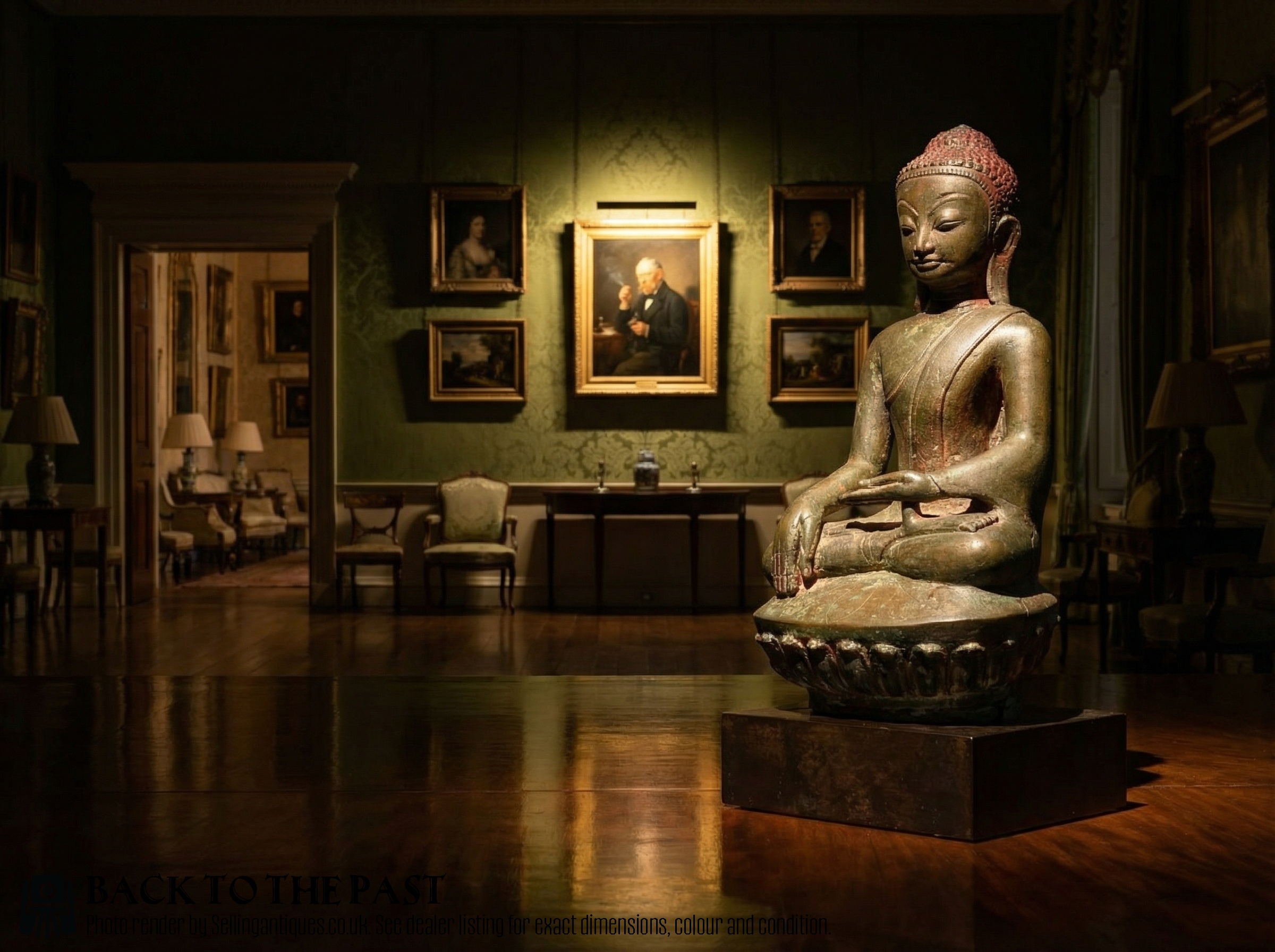
A seated buddha figure brings quiet focus to a room, cast in bronze or carved from wood across traditions spanning centuries.
Seated Buddha Figure
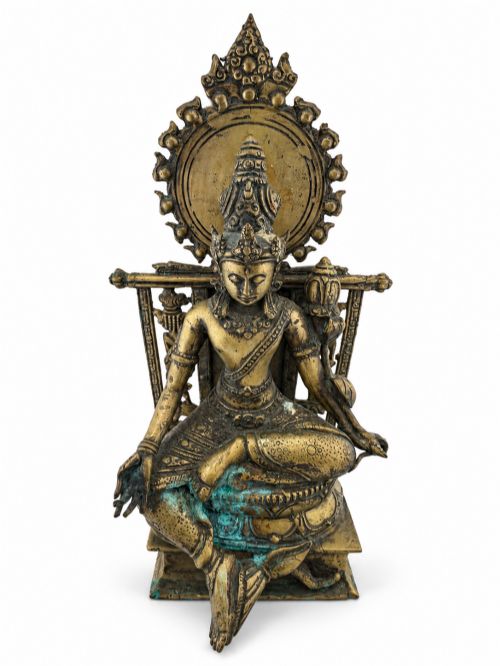
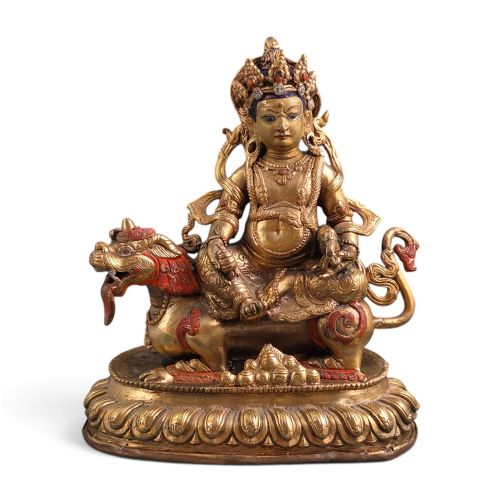
A seated buddha figure embodies meditative calm and spiritual devotion, taking form as a sculpture or statue meant for altar or shrine placement. When you search for a seated buddha figure, you encounter depictions created across Asia in materials ranging from cast metal to carved timber.
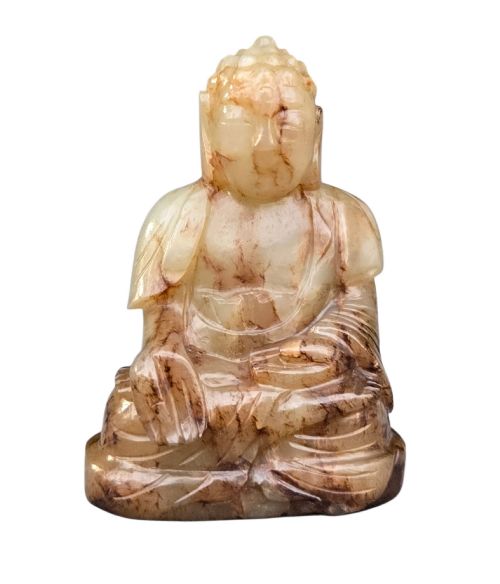
The selections on this page draw heavily from the nineteenth and eighteenth centuries, alongside pieces from earlier periods such as the fifteenth and sixteenth centuries. Sino-Tibetan, Burmese Mandalay, and Chinese Qing styles appear frequently among these depictions.
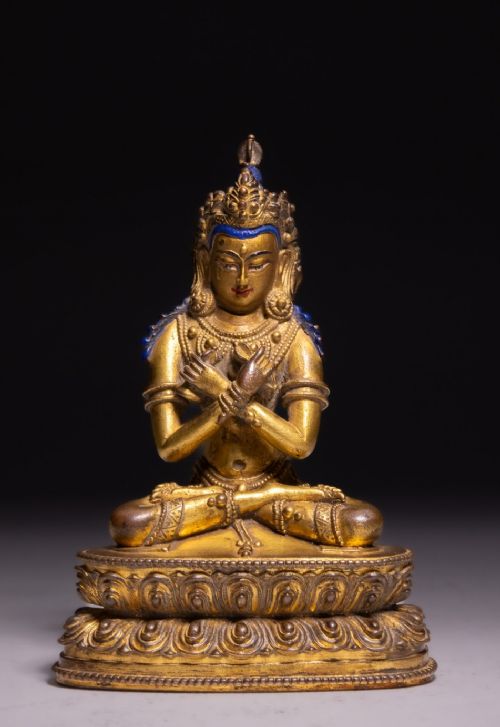
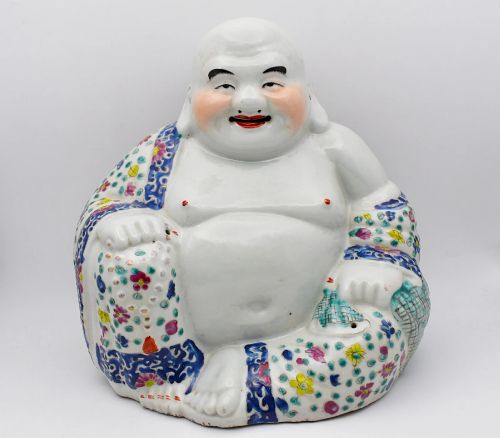
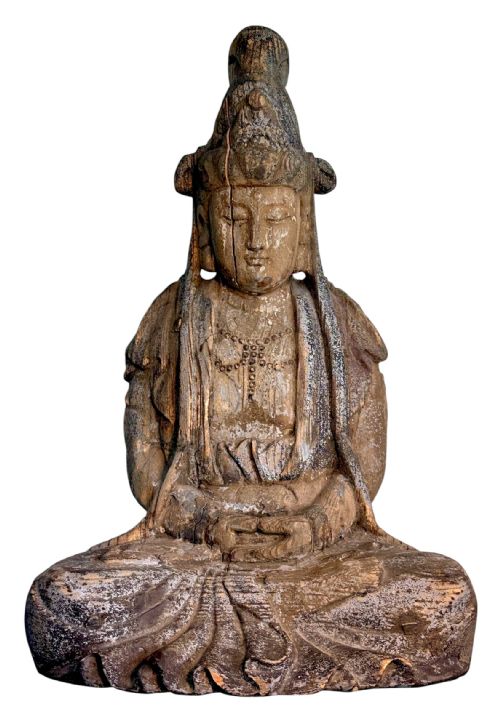
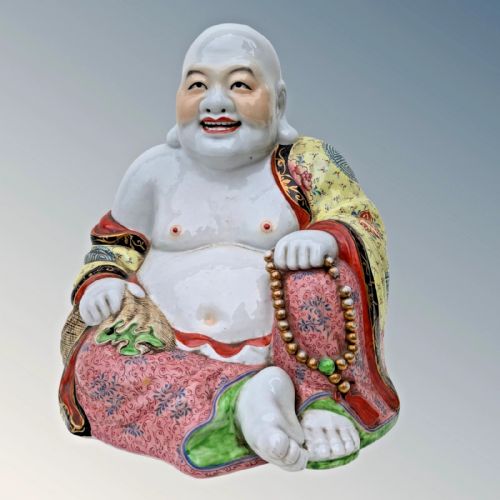
Most examples present the subject in a meditative posture, sometimes accompanied by related deities or figures like Guanyin and Laughing Buddha. Bronze and wood dominate the material record, often enriched with gilt, pigment, or gold leaf.
How they were made
Metal sculptures rely on bronze, copper alloy, and gilt bronze, often shaped through traditional casting methods that capture intricate robes and facial expressions. Gilding and cold-painted pigments are applied to accentuate details on the metallic surfaces.
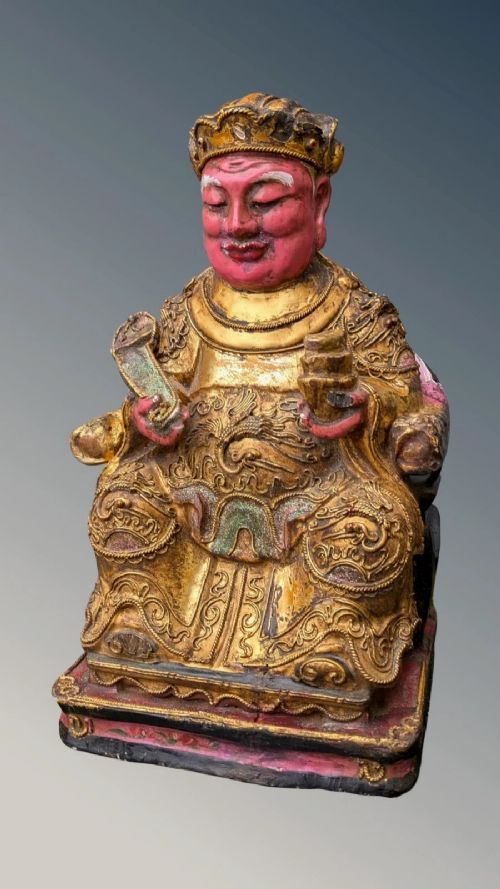
Wooden figures involve detailed carving, sometimes finished with polychrome paint, lacquer, or layers of gold leaf over stone or timber. Artisans shape these organic materials to display high relief carving and durable structural forms suited for temple or domestic shrines.
Seated Buddha Figure Retail Price Guide 2026
Typical asking prices for seated buddha figure among the pieces listed under this phrase on Sellingantiques today, from the lower quarter to the upper quarter. They describe what is for sale here now, not the wider market.
Listings feature bronze, wood, porcelain, and lacquer materials spanning the eighteenth and nineteenth centuries, alongside earlier pre-sixteenth-century works.
What varies in quality
Proportion and the handling of the posture distinguish finer works from simpler trade pieces, reflecting the skill of the regional workshop or temple artisan. The weight and integrity of the bronze alloy or seasoned timber likewise separate exceptional survivals from standard examples.
Zhu Mao Ji
The Seated Buddha Figure Glossary
- Bronze
- An alloy of copper and tin used widely for durable sculptural casting across Asian traditions. It develops a rich patination over centuries of handling and exposure.
- Gilt Bronze
- Metal sculpture coated with a thin layer of gold, often applied via mercury amalgamation or gold leaf. This technique preserves the metallic lustre and denotes ritual importance.
- Polychrome
- The application of multiple colours of paint to wood, stone, or ceramic surfaces. It brings realistic or symbolic tones to devotional figures.
- Mudras
- Symbolic hand gestures made by the figure in Buddhist art, conveying specific teachings or states of mind. Each posture has a distinct iconographic meaning.
- Bodhisattva
- An enlightened being who delays full attainment to assist others on the spiritual path. Figures such as Avalokitesvara and Green Tara share stylistic roots with the buddha.
Seated Buddha Figure: Frequently Asked Questions
How do I date a bronze seated buddha figure?
Dating relies on stylistic conventions, casting techniques, and the wear patterns visible on the bronze surface or remaining gilding. Regional variations in facial structure and robe folds help narrow the century of origin.
Examination of the base and internal cavity often reveals casting methods specific to periods like the Qing Dynasty or earlier dynastic eras.
Where were these figures placed originally?
These sculptures stood within domestic shrines, monasteries, and temples across Tibet, China, Burma, and Southeast Asia as focal points for meditation and reverence.
Smaller examples served personal devotional needs, while large bronze and wooden statues occupied central altar spaces in monastic halls.
How should I care for a wooden buddha figure?
Wooden sculptures require stable indoor humidity and protection from direct sunlight to prevent the timber from splitting or the polychrome and gold leaf from flaking.
Dusting should be done gently with a soft, dry brush, avoiding any liquid cleaners or oils that might damage fragile historic surfaces.
What is the difference between a buddha and a bodhisattva?
A buddha has achieved full enlightenment and spiritual liberation, whereas a bodhisattva chooses to remain active in the world to guide other sentient beings.
In sculptural art, bodhisattvas often wear richer ornaments, crowns, and scarves, while historical buddhas typically appear in simpler monastic robes.