
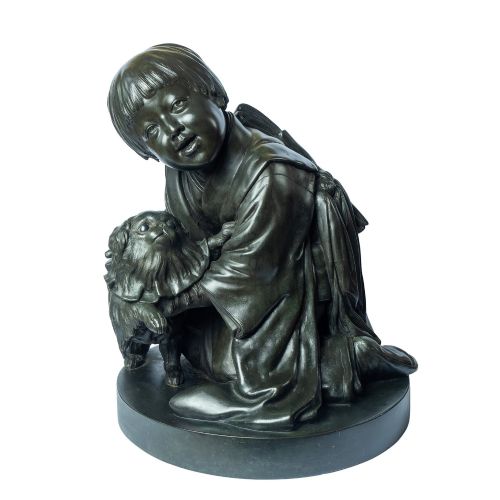


Asian Bronze Animal Sculpture
These asian bronze animal sculpture pieces bring character and weight to a room, cast by makers who understood form and stance.
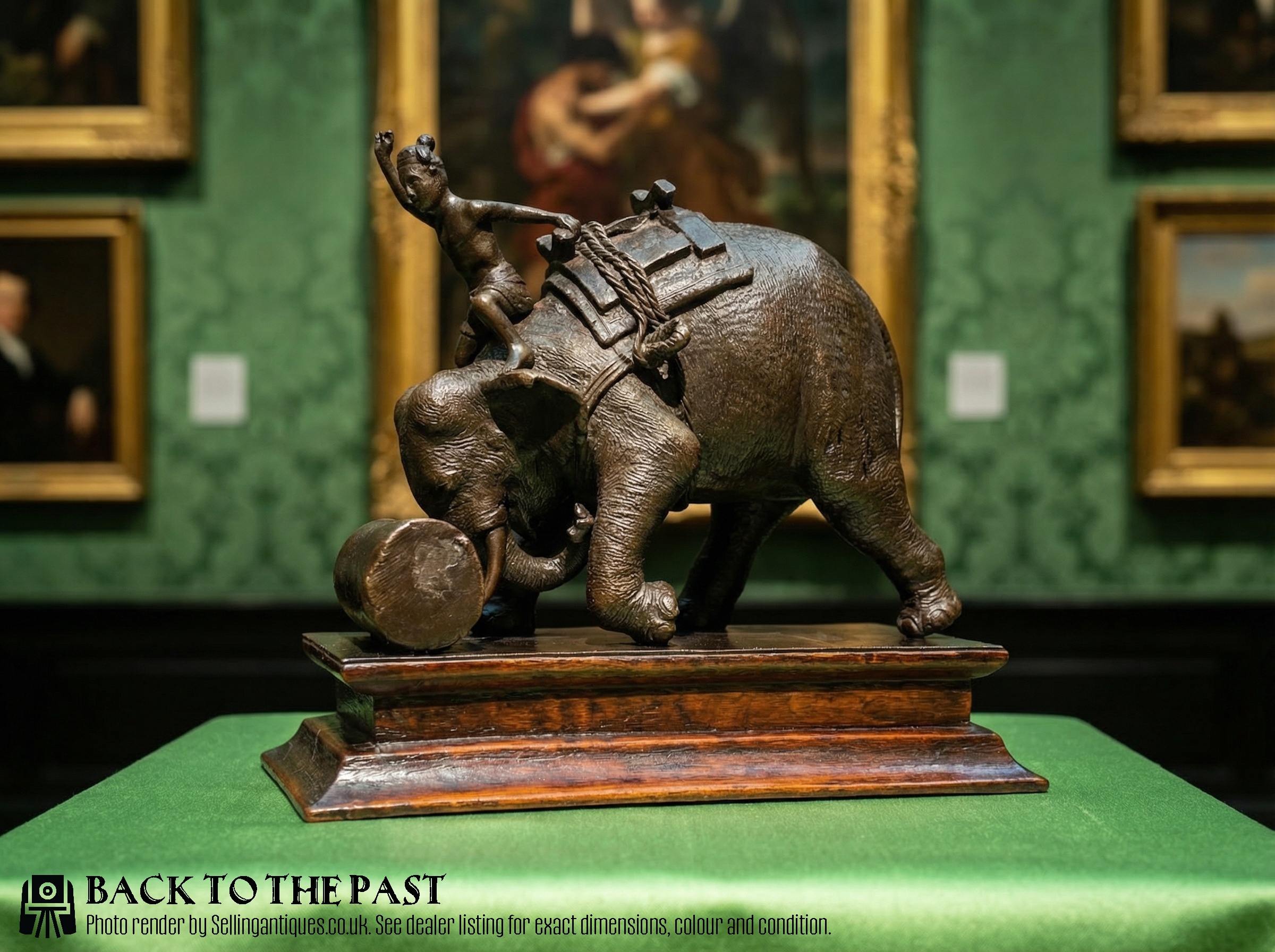
Asian Bronze Animal Sculpture
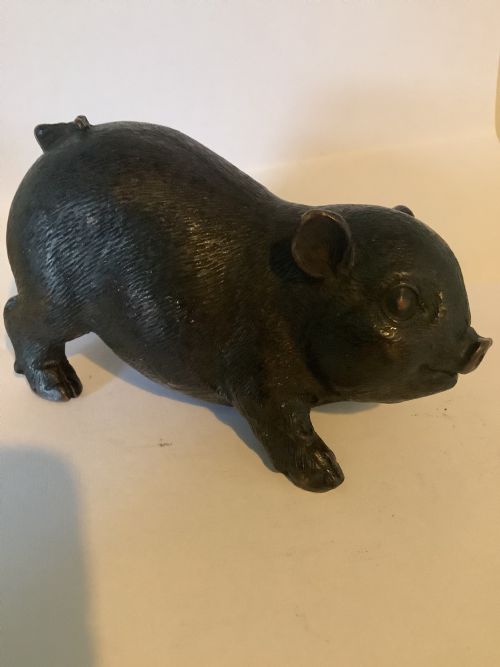
An asian bronze animal sculpture captures creatures ranging from temple lions and elephants to tigers, horses, pigs, and chickens, cast during the nineteenth and early twentieth centuries across Japan, China, India, and Burma.
You will most frequently meet Japanese Meiji period okimono and figures alongside larger Indian and Chinese temple bronzes, reflecting the predominant origins and forms seen in these listings.
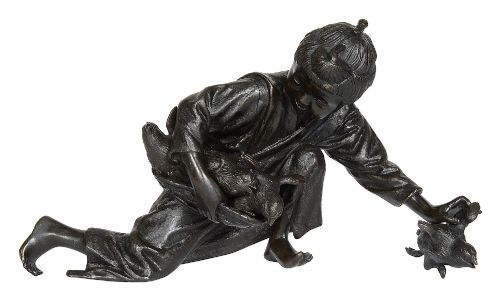
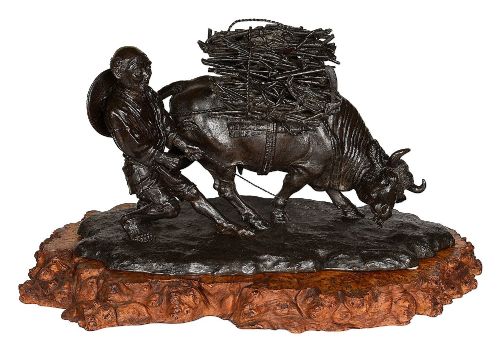
These works vary from domestic animal figures and naturalistic scenes of woodsmen with buffalo to powerful ritual beasts, all made to be displayed as sculptural art.
How they were made
These pieces are cast in bronze, sometimes accompanied by elements of wood, burr wood, brass, bone, or hardwood, using traditional foundry methods that allowed for intricate detailing and varied patination.
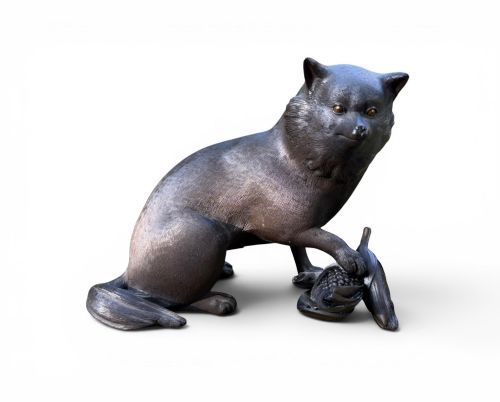
Surface finish is achieved through careful engraving and tooling, seen clearly on patterned elephant trappings and feathered or haired textures across the animal forms.
Materials paired with bronze across these works include brass, bone, hardwood, and burr wood.
What varies in quality
Quality rests upon the sharpness of the casting and the sensitivity of the modelling, where superior examples display realistic musculature and expressive posture rather than stiff rigidity.
The distinction between standard production and fine work often lies in the depth of hand-engraving, the complexity of the composition, and whether the piece bears a signature from a recognised maker.
Shosai·Masaaki·Seiunsai Miyamoto Sei
The Asian Bronze Animal Sculpture Glossary
- Okimono
- A Japanese ornamental statue or sculpture intended for display on a shelf or in a tokonoma alcove. These pieces are typically small enough for interior placement.
- Meiji Period
- The era in Japanese history spanning from eighteen sixty-eight to nineteen twelve, characterised by rapid modernization and exceptional metalwork artistry. Much of the finest decorative bronze output originates from this time.
- Temple Lion
- A mythical guardian lion, also known as a Foo dog, traditionally cast in pairs to protect sacred spaces. They often feature stylized mannes and fierce expressions.
- Patina
- The surface coloration and sheen developed naturally over time or applied chemically by the foundry. It adds depth and historical character to the bronze metal.
Asian Bronze Animal Sculpture: Frequently Asked Questions
What is an okimono sculpture?
An okimono is a Japanese decorative statue designed for interior display. These figures range from small animal studies to complex sculptural scenes.
They were produced in large numbers during the Meiji period for both domestic use and export markets.
How do I identify a Meiji period bronze?
Meiji period bronzes are typically marked by naturalistic detail, fine chisel work, and varied dark patination. They often depict animals, figures, or mythical beasts with dynamic movement.
Look for signatures or seals cast into the base or underside, which frequently denote the artist or workshop.
Where were these animal sculptures made?
The pieces originate primarily from Japan, China, India, and Burma. Japanese works often date to the Meiji era, while Indian and Chinese examples include nineteenth-century temple pieces and figures.
Each region employed distinct casting traditions and stylistic conventions for depicting animals.
How should I clean an antique bronze?
Antique bronzes require minimal maintenance and should only be dusted gently with a soft, dry cloth. Avoid using water, polishes, or chemical cleaners, as these can strip the historical patina.
Preserving the original surface coloration is essential for maintaining the character and integrity of the metal.