

Bronze Paperweight
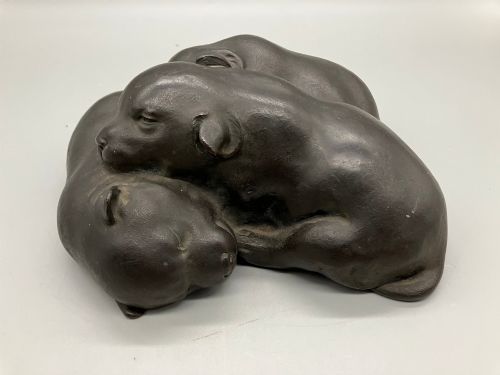
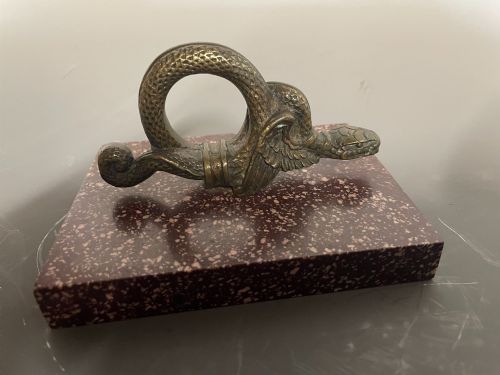
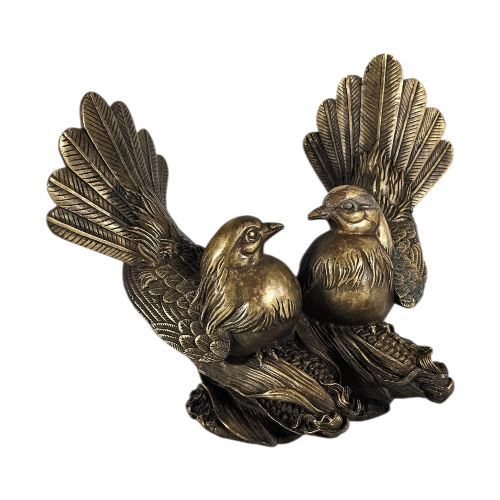
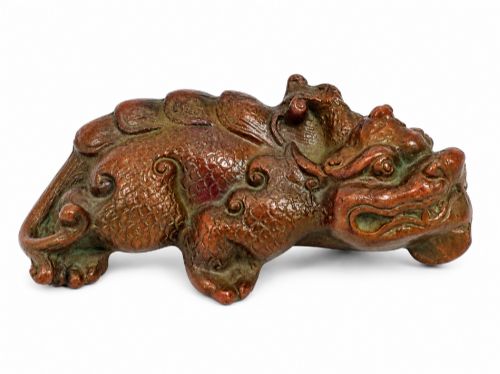
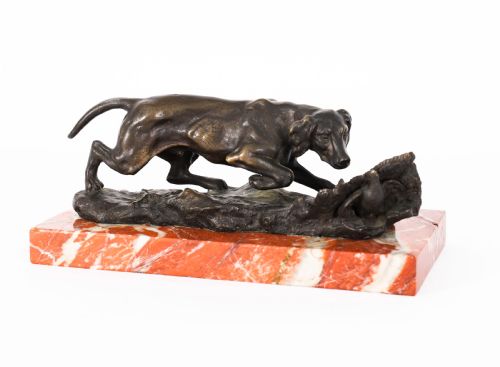
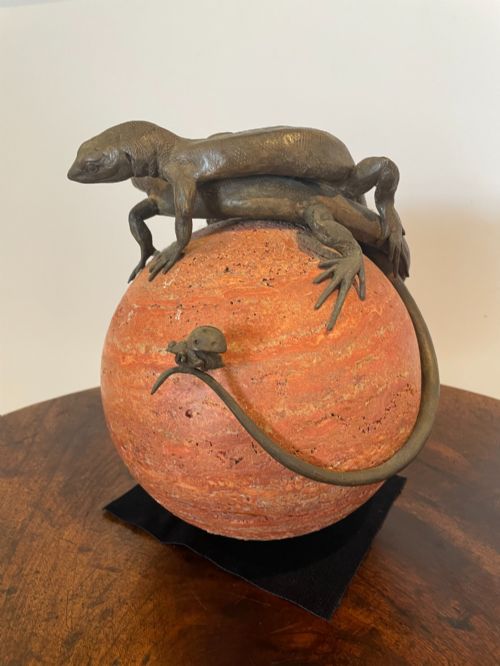
These bronze paperweight sculptures bring dense metal animal figures, classical lions and miniature deskside studies into daily reach.
Bronze Paperweight
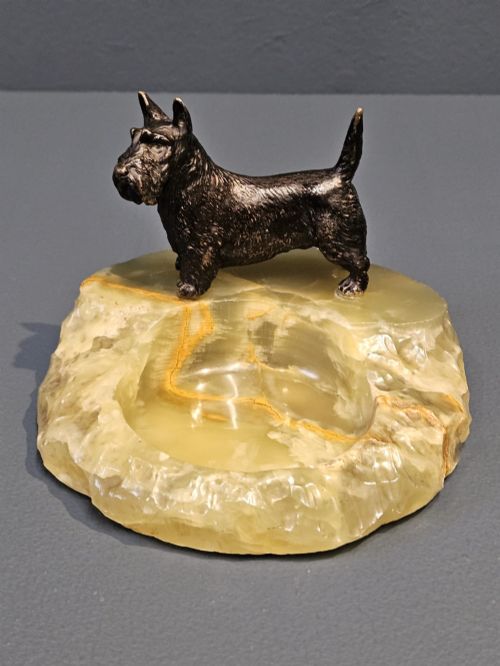
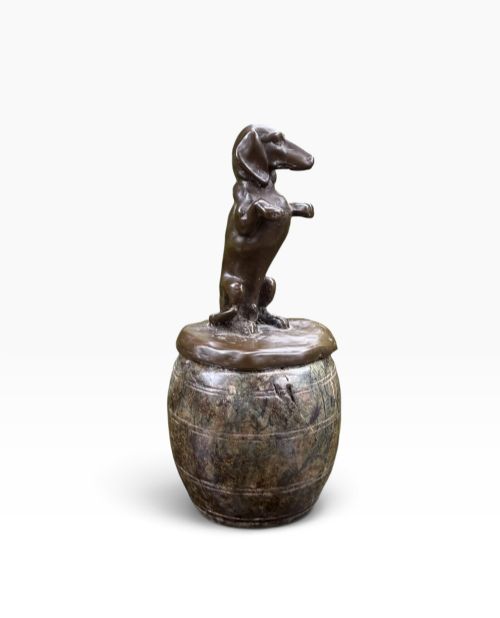
A bronze paperweight takes many sculptural shapes, from depictions of dogs and birds to classical architectural models and scholar's objects.
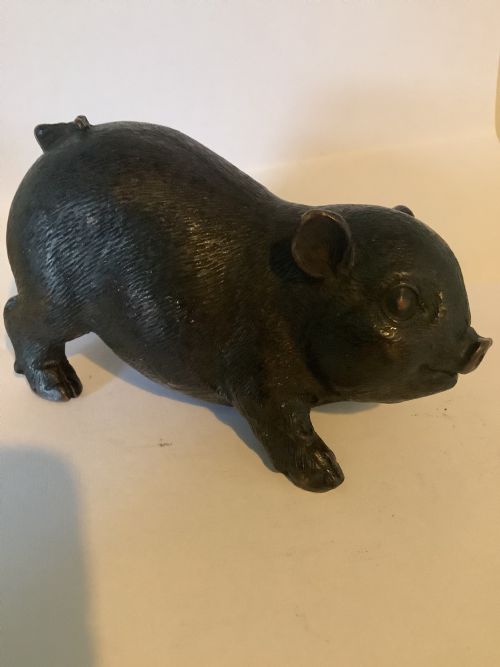
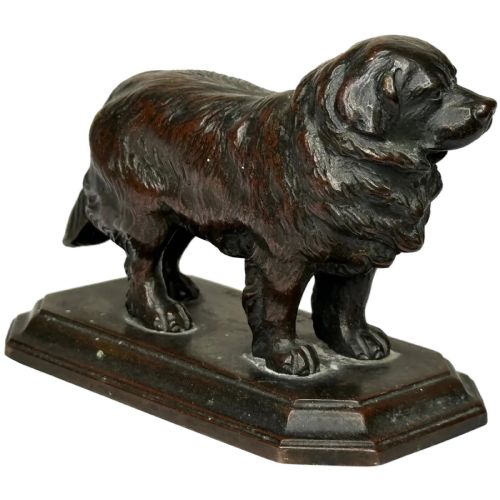
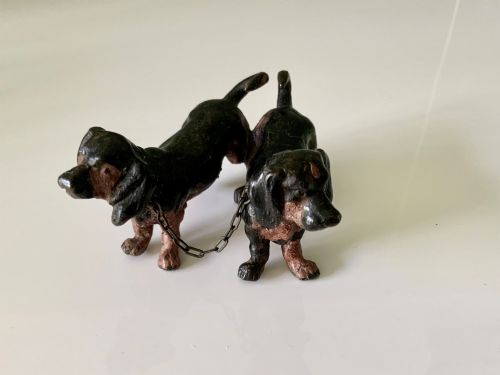
Animalier subjects dominate the selection, capturing hunting dogs, lions, and small creatures with naturalistic detail across the nineteenth and twentieth centuries.
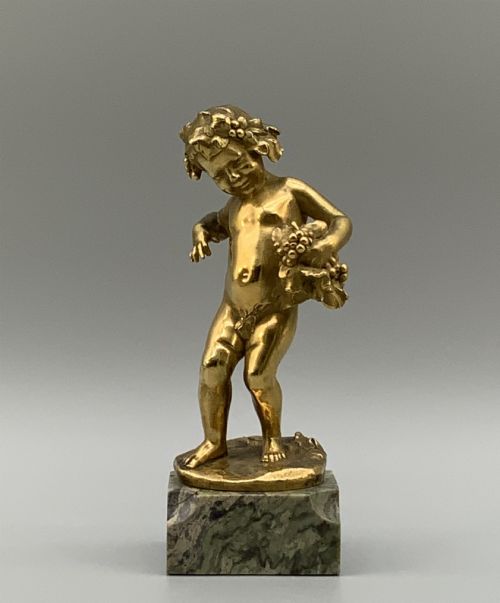
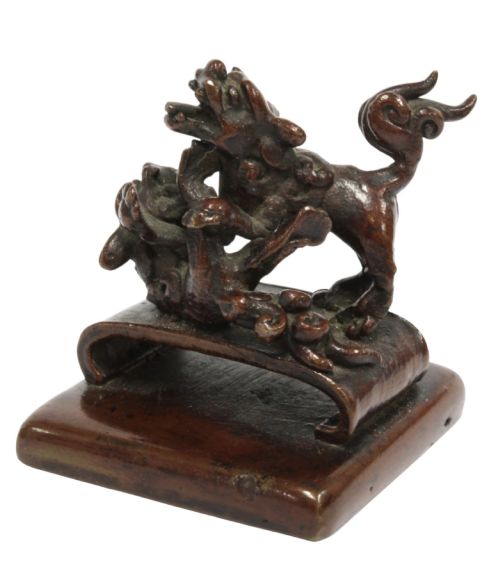
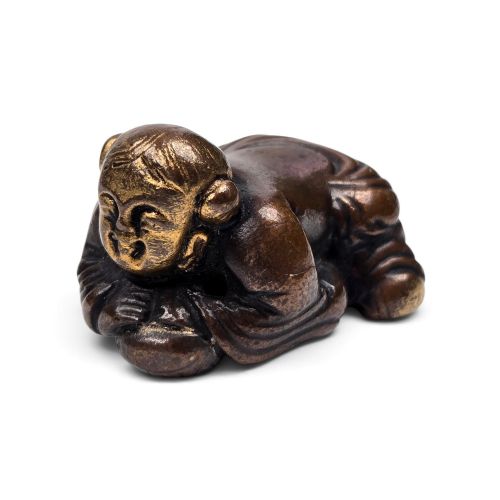
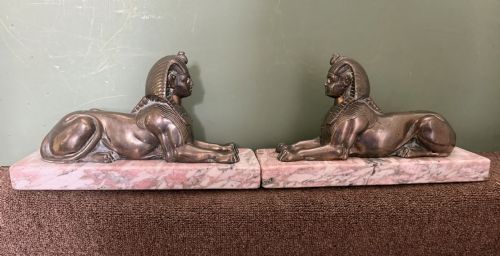
Desk accessories also include Chinese bronze figures and Grand Tour pieces mounted upon marble or onyx bases.
Materials and casting
Foundries produced these pieces primarily through solid casting or patinated bronze techniques, sometimes adding selective fire-gilding or enamel paint.
Cold-painted surfaces appear frequently on Austrian figures, while other examples combine cast metal with bases of marble, onyx, or cast iron.
The selection includes animal figures, Grand Tour models, and scholar's objects originating from European and Asian workshops.
Assessing the execution
Quality rests upon the crispness of the chasing work and the depth of the patination applied to the cast metal surface.
Fine examples display careful anatomical observation and detailed surface texture, particularly in animal studies and feathered or furred subjects.
Carl Kauba·Susse Frères·Charles Louis Malric·Franz Bergman·Pierre Jules Mene·Antoine Louis Barye
The Bronze Paperweight Glossary
- Animalier
- A nineteenth-century artistic movement focusing on the realistic depiction of animals, especially in sculpture. These pieces often capture dogs, lions, and birds in dynamic or resting poses.
- Cold-painted bronze
- A technique where bronze sculptures are painted with cold paint rather than fired in a kiln. Austrian workshops utilised this method extensively for brightly coloured bird and animal figures.
- Grand Tour
- Souvenirs and miniature models collected by travellers in Italy during the eighteenth and nineteenth centuries. They typically replicate classical architecture, sculpture, or archaeological finds in bronze.
- Patinated bronze
- Metal treated with chemicals or heat to produce a specific surface colour and tone. This finish protects the metal and highlights sculptural detail.
Bronze Paperweight: Frequently Asked Questions
What is a cold-painted bronze?
A cold-painted bronze is a metal sculpture finished with paint applied without kiln-firing. Austrian workshops made these colourful animal figures particularly popular during the early twentieth century.
Collectors look for the preservation of the original paint layer, which can show wear from age and handling.
How do I care for a bronze paperweight?
Keep the metal clean using a dry, soft cloth to remove dust without disturbing the surface patina. Avoid liquid cleaners and harsh polishes that strip historical finishes.
Place the object away from direct moisture and extreme temperature changes to protect any attached marble or onyx bases.
What does Animalier mean?
Animalier refers to nineteenth-century sculpture dedicated to accurate portrayals of animals in motion or repose. French and Viennese foundries produced numerous small dog and wildlife figures for desks and display.
These pieces emphasise natural anatomy and lifelike textures over abstract form.
Are these pieces functional?
While originally designed to hold down loose papers or serve as desk accessories, many were also collected simply as cabinet bronzes or decorative ornaments. Their heavy metal construction makes them suitable for daily desk use.
Some scholar's objects also functioned as brush rests or seals.