


Meiji Period Animal Sculpture
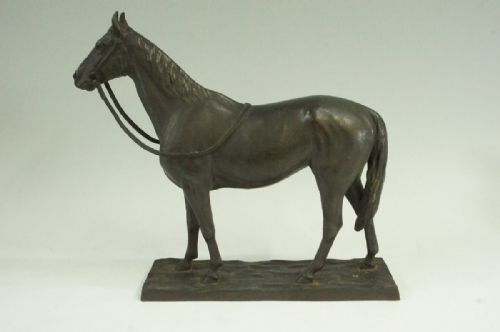
These pieces of meiji period animal sculpture bring masterwork Japanese metalwork and carving into a room with striking presence.
Meiji Period Animal Sculpture
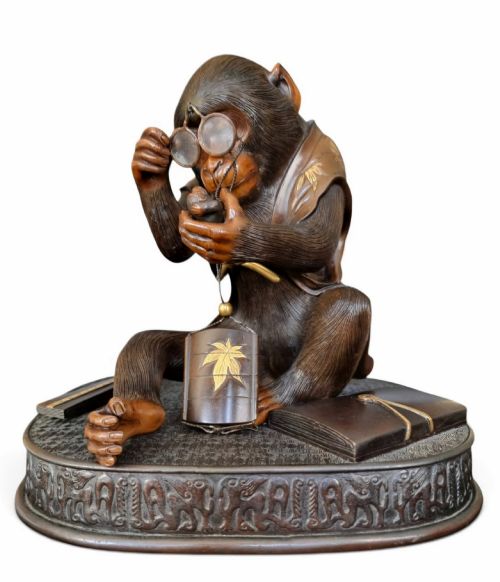
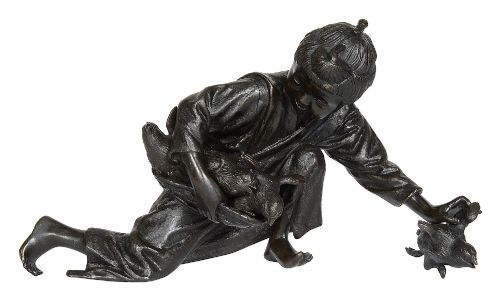
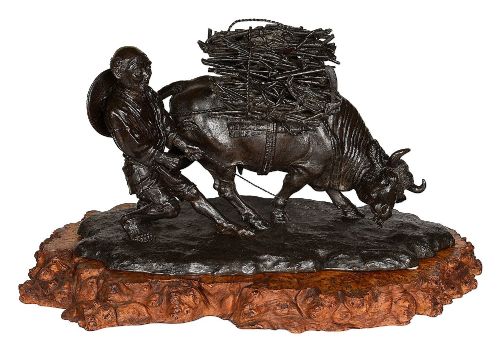
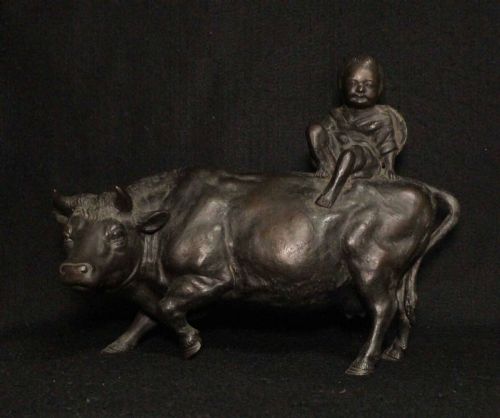
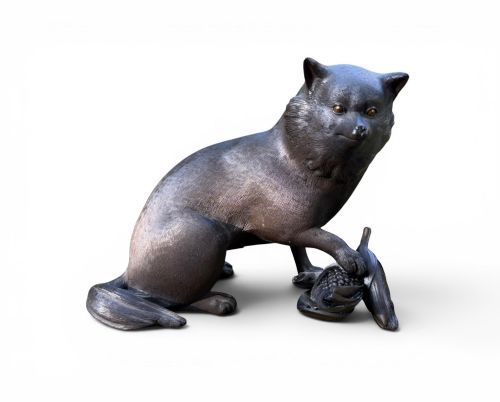
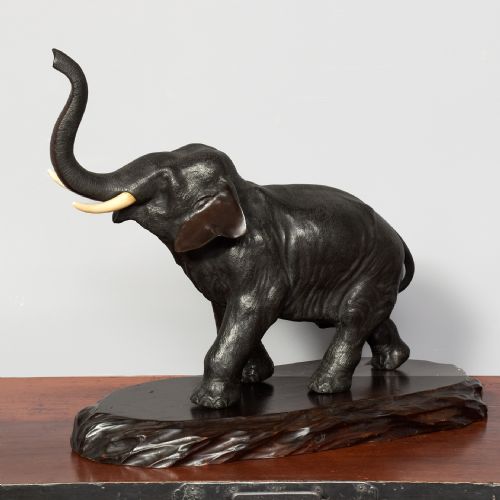
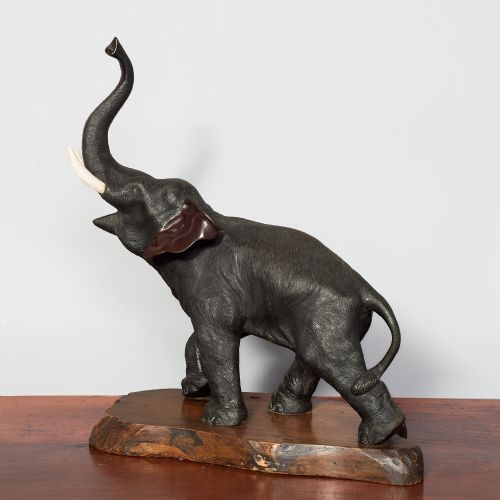
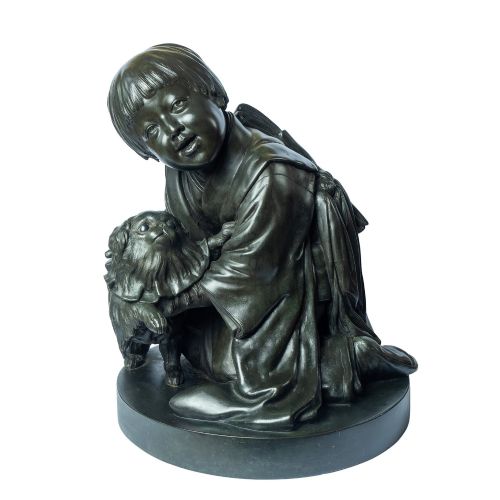
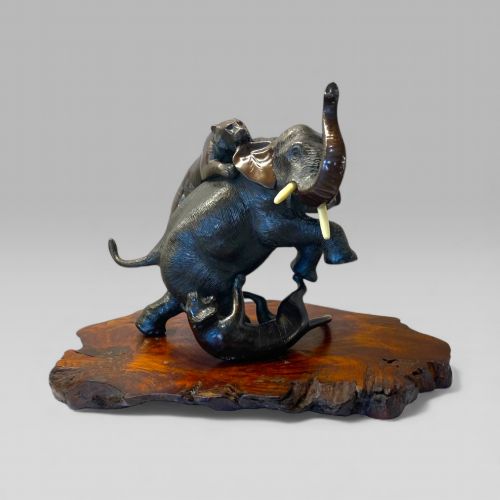
A meiji period animal sculpture embodies the peak of Japanese craftsmanship from the late nineteenth and early twentieth centuries, capturing subjects ranging from elephants and tigers to monkeys, bears, and domestic pets. You will most frequently encounter bronze okimono, alongside finely carved wood and porcelain figures that portray creatures in naturalistic or dramatic poses.
These works function as decorative ornaments and standalone sculptures, produced in Japan during a time of extraordinary technical development in metalcasting and carving. The subjects vary from single figures like a bronze wolf or a wooden frog to complex scenes involving elephants fighting tigers.
Makers utilised traditional Japanese sculptural formats such as the okimono, creating compact display objects intended for domestic interiors and scholar's desks. The selection spans domestic creatures like puppies and chickens alongside formidable wildlife.
Materials and Techniques
Casting forms the basis of the metal pieces, executed primarily in bronze with occasional applications of gold inlay, copper, and mixed-metal elements to highlight specific surface details. Founders achieved realistic textures and complex postures through lost-wax casting and meticulous chiselling.
Objects range from domestic dogs, cats, and chickens to wild elephants, tigers, bears, wolves, and frogs.
Defining Quality
The distinction between standard commercial pieces and masterworks rests on anatomical accuracy, surface detail, and the dynamism of the composition. Superior bronzes display crisp chiselling that defines individual hairs, wrinkles, and muscle tension without obscuring the natural form.
Signatures and foundry marks provide a further measure of distinction, connecting pieces to recorded artists and established workshops. The complexity of interaction in multi-figure compositions, such as predators engaging prey, requires exceptional balance and spatial command.
MASAAKI·Kunio Itô·Tsunemitsu·Kaniya Kuniharu·Sakai Kōzan·Seiunsai Miyamoto Sei
The Meiji Period Animal Sculpture Glossary
- Okimono
- A Japanese display object or decorative sculpture intended for placement on a shelf or in a tokonoma alcove. These pieces stand independently without ritual or religious function.
- Bronze
- An alloy of copper and tin utilised for durable, detailed metalcasting. It accepts patination ranging from deep brown to black and permits the application of inlaid metals.
- Boxwood
- A dense, pale wood prized by carvers for its fine, even grain. It allows for microscopic detail in netsuke and small animal figures.
- Netsuke
- A small carved toggle fastened to the end of a cord on a traditional pouch or container. They feature pierced channels for cord passage and depict animals, humans, and mythical subjects.
Meiji Period Animal Sculpture: Frequently Asked Questions
What is an okimono?
An okimono is a decorative Japanese sculpture designed specifically for display in a domestic interior rather than for religious or ceremonial use.
These pieces were produced in bronze, wood, ivory, and porcelain to be placed on tabletops, desks, or display shelves.
How do I identify a Meiji period piece?
Meiji period works date from the reign of the Meiji Emperor between 1868 and 1912, a time when Japanese metalworkers and carvers turned their traditional skills toward international exhibition standards.
Physical indicators include the specific patination of the bronze, the precision of the hand-chiselled surface details, and occasionally the signature of a recorded workshop or artist.
Are these sculptures solid bronze?
Many larger animal sculptures are cast using the lost-wax method, which often results in hollow-cast structures to manage weight and cooling.
Wall thickness varies across the body of the figure, while smaller elements like tails or tusks may be cast or carved separately and joined.
How should I clean a bronze animal?
Bronze sculptures require minimal maintenance, needing only gentle dusting with a soft, dry cloth to prevent the accumulation of particles on the surface.
Water, polish, and chemical cleaners must be avoided because they can strip away the original historical patination built up over the decades.